
How Do You Safely Remove Live and Dead Birds from Your Chimney?
Hear strange scratching or fluttering from your fireplace? That’s often a bird that’s found its way into your chimney, and it needs your help to get out.
You want to handle this without hurting the bird or creating a health hazard in your home. I’ve been on dozens of these calls, and taking the wrong approach can make a bad situation much worse.
I’ll explain how to tell if a bird is alive or dead, share safe removal steps from my own jobs, and show you how to prevent it from happening again.
Key Takeaways: Your Action Plan for a Bird in the Chimney
Hearing strange noises in your chimney can be unsettling. Your first moves are critical for safety, both yours and the bird’s.
- Do not light a fire under any circumstances. This seems obvious, but panic makes people do strange things. A live bird will be killed, and a nest can ignite.
- Close the fireplace doors or seal the opening with a sheet of cardboard. This stops the bird from flying into your living room if it gets past the damper.
- Open the damper carefully. If you have a top-mount damper with a chain, gently pull it. This gives a trapped bird a clear path up and out. If the bird is lower down, this might encourage it to fly up toward the light.
- Turn off lights in the room and make the house quiet. A scared bird flies toward light and air. A dark, quiet room makes the chimney opening at the top more appealing than your living room.
- Give it some time. A healthy, simply stuck bird will often find its own way out within an hour or two if the path is clear.
Getting on your roof to deal with a chimney problem is almost always a pro-only job. The slope, height, and footing are major risks. The goal is to guide the bird out from the *inside* of your house, not to become a rooftop rescuer.
Once the immediate situation is handled, remember the ultimate fix. A properly fitted, professional-grade chimney cap with mesh siding is the only reliable way to prevent this from happening again.
Is That Chirping Really a Bird? How to Diagnose the Problem
Not every scratch or tap means you have a bird stuck in my chimney. Knowing what you’re dealing with changes your plan.
The sounds are your first clue. A series of rapid, light scratches usually means a bird is actively climbing or trying to gain footing on the flue tiles. Distinct chirping or tweeting is a clear sign of a live bird, often heard most at dawn and dusk. A frantic fluttering sound means a bird is flying in place, trapped and panicked. A lone, heavy thump or dragging sound, followed by silence, can point to a more serious situation like a dead bird or a fallen nest.
Look for physical signs. Check your fireplace floor for small twigs, dried grass, or bits of debris. These fall from an active nest being built above. Finding a feather or two is a dead giveaway. A persistent, foul odor that gets worse on warm days is a classic sign of a dead animal in the chimney.
You can try to get a visual, but you must protect yourself. Put on safety glasses and a dust mask. Shine a bright flashlight up the flue from your fireplace. You might see the outline of a nest, a single bird perched on a ledge, or nothing at all. Don’t lean in directly underneath. Soot and debris can fall.
This quick check helps you decide: is it a single bird stuck in my chimney, or a full nest that’s been there for weeks? A single bird you can often encourage to leave. A nest means you likely have babies, and you’ll need a professional’s help to handle it legally and humanely.
Safety First: Roof and Chimney Hazards You Must Respect
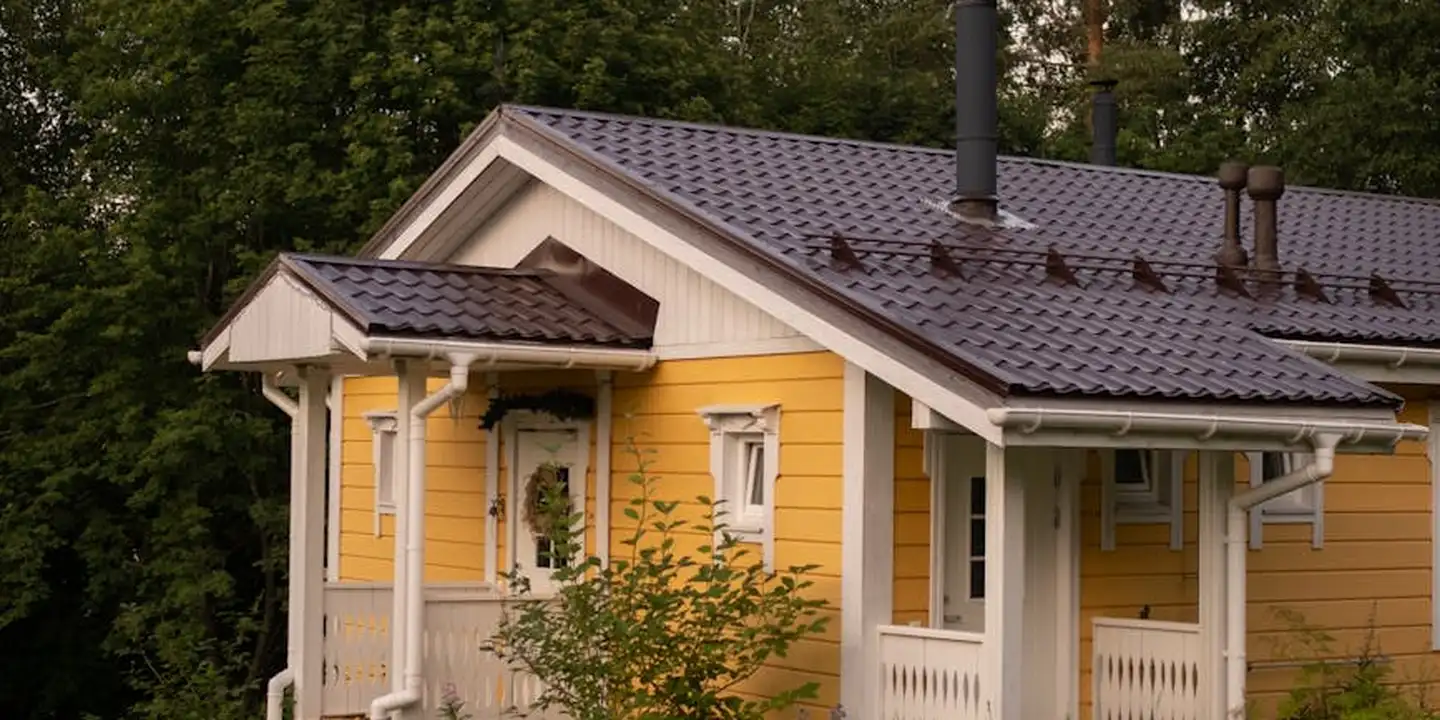
Let me be direct. Going onto your roof to reach the chimney is often the wrong first move. Accessing the chimney from the roof is dangerous and is frequently unnecessary for removing the birds themselves. The real work of extraction usually happens from inside your fireplace, not 30 feet in the air on a slippery slope.
If accessing the roof cap becomes unavoidable, treat it as a professional-level task. I would not send a member of my own crew up without the right gear. Here is what that requires:
- A properly anchored fall-arrest harness system.
- Roof jacks and a stable work platform for steep pitches.
- Rubber-soled, roofing-specific boots for grip.
Specific Physical Risks on the Roof
Your roof is a job site, not a sidewalk. Each type presents unique dangers.
A steep pitch can turn a simple misstep into a long fall. Old or damaged roofing materials are a major threat. Walking on aged clay tiles or slate is a gamble; they can crack underfoot and send you sliding. Even modern asphalt shingles can be slick with morning dew or moss.
Always look up before you climb. Overhead power lines running to the house are a silent, lethal hazard when handling long tools or metal ladders.
Health Risks from Birds and Nests
The birds and their nest are more than a nuisance. They are a biohazard. The primary concern is histoplasmosis, a lung infection caused by spores in accumulated bird droppings. Disturbing a large nest or years of droppings can aerosolize these spores, which you then inhale. Think of it like a very bad flu you get from your chimney.
Live birds are scared and defensive. They will peck and bite to protect their young. The nest itself is often a tangle of sharp twigs, thorns, and other debris that can cut your hands. You must wear a proper N95 respirator, heavy gloves, and eye protection before disturbing any material.
Step-by-Step: How to Get a Live Bird Out of Your Chimney (From Inside)
Your first move should always be from inside your home. This is the safest method for you and the bird, as it avoids dangerous ladder work and keeps the bird from getting trapped higher up in the flue.
The goal is to make the inside of your house look like the way out, persuading the bird to fly down and exit on its own. I’ve used this method more times than I can count, and patience is the most important tool you’ll need.
The Primary Method: Encouraging a Natural Exit
Birds are drawn to light because it signals an opening to the sky. A chimney is dark, so a bird will fly toward any light source it sees, which is usually upwards. We need to reverse that.
Here is exactly what to do:
- Clear the area. Remove pets from the room and close all interior doors. You want to give the bird one clear, calm path to freedom.
- Darken the room. Turn off all lights and close curtains or blinds in the room with the fireplace. Make it as dark as possible.
- Create a bright exit. Open the main exterior door or a large window in that darkened room. Let as much outside light flood in as you can. This light now becomes the bird’s beacon.
- Open the fireplace slowly. If you have glass doors, open them quietly. If you have a damper, ensure it is fully open. Be gentle to avoid startling the bird.
- Step back and wait. Move to a corner of the room or just outside the doorway and stay perfectly still and quiet. This can take 15-30 minutes. The bird will likely be disoriented and scared at first.
In most cases, the bird will see the new light source, gather its courage, and fly straight down out of the fireplace and toward the open door. I’ve watched countless robins and starlings make this exact dash to freedom after a few tense minutes of stillness.
What If the Bird Is Too Tired or Hurt?
Sometimes, a bird is simply too exhausted from struggling or may have a minor injury. You’ll know if it’s just sitting at the bottom of your fireplace, not flying even when startled.
If the bird doesn’t fly out on its own, you can gently contain it for safe release. Never try to grab a bird with your bare hands, as you could hurt it and it might peck or scratch in fear.
Follow these steps instead:
- Put on a pair of sturdy work gloves.
- Grab a small cardboard box and a lightweight towel or cloth.
- Approach the bird slowly and calmly. In one smooth motion, place the box over the top of the bird.
- Carefully slide the towel under the box, trapping the bird inside.
- Gently flip the box right-side up with the towel now on top as a lid. You can secure it lightly.
Take the box outside, away from the house. Set it down in a quiet spot, remove the towel, and step back. The bird will usually fly away in moments once it recovers. If the bird is visibly injured and cannot fly, contact a local wildlife rehabilitator for guidance.
This interior method answers the common question, “how can i get a bird out of my chimney.” It is almost always the fastest and least risky first step before considering anything that involves going up on your roof.
When You Find a Nest, Eggs, or Baby Birds
Stop right there. Before you touch anything, you need to know about the law. In the U.S. and Canada, the Migratory Bird Treaty Act makes it illegal to disturb or remove active nests with eggs or chicks. Think of it like a traffic law for wildlife; you don’t want to break it, even by accident.
This law is why timing is your most important tool. You can’t hurry nature when there are babies involved.
If You See Eggs or Chicks: The Waiting Game
If you spot eggs or hear the faint cheeping of nestlings, your job is simple. Do nothing to the nest. A typical brood of chimney swifts, for example, will fledge (leave the nest for good) in about 30 days. I’ve had clients wait it out, using their fireplace carefully or not at all, and it’s always the right call.
Your best and only move is to let the birds finish their cycle and leave on their own. It’s a short wait that protects you legally and them humanely.
Removing a Confirmed Abandoned Nest
Once you are absolutely sure the birds are gone-no sounds, no parents coming and going for several days-you can plan for removal. Here’s how my crew would approach it safely:
- Gear up. Wear a sturdy N95 mask, heavy gloves, and eye protection. Old nest material is full of dust, mites, and potentially harmful bacteria.
- Work from the top down. Access the chimney from the roof. Using a chimney rod with a brush or a grasping tool, carefully break apart the nest and pull the material up and out.
- Bag it immediately. Place all debris directly into a heavy-duty garbage bag, seal it tightly, and dispose of it with your regular trash.
This job is messy, and you’re working at height on a tricky surface-that’s a major fall risk. If you have any doubt about your ability to do this safely from the roof, stop.
Why a Professional is Usually the Answer
Assessing whether a nest is truly abandoned is harder than it sounds. A pro knows the signs and the laws. More importantly, they have the tools and training to remove the material without damaging your flue liner or leaving behind clogging debris.
I recommend calling a licensed wildlife removal service or a certified chimney sweep. They handle the situation legally and completely, often installing a proper chimney cap afterward so the birds can’t return. You may also want to look into roof bird nest prevention options to keep nests from returning in the future. This can complement the chimney cap and further protect your home. For the safety of your home, your roof, and the birds, this is one task where hiring an expert is worth every penny.
How to Handle and Remove a Dead Bird from the Flue
Finding a deceased bird in your chimney flue is an unpleasant task, but it’s one you can handle safely with the right approach. Your first priority is protecting yourself from bacteria, parasites, and dust.
Gear Up for Safety First
Do not attempt this job with bare hands. You need a barrier between you and the carcass. I keep a dedicated “dirty job” kit in my truck for situations like this.
- Heavy, Impenetrable Gloves: Use thick leather work gloves or long-cuffed rubber gloves. Thin gardening gloves can tear.
- N95 Respirator Mask: A simple dust mask isn’t enough. You need a proper N95 to avoid inhaling harmful particles and fungal spores from dried droppings.
- Safety Glasses: Protect your eyes from falling debris, dust, and anything else that might dislodge from above.
Suiting up properly turns a hazardous job into a manageable, if messy, cleanup task.
The Right Tools for the Job
You can’t just reach in and grab it. The right tools give you control and keep you at a safe distance. You’ll need two main items.
- Chimney Rod with Hook Attachment: A standard fiberglass chimney cleaning rod with a threaded end works perfectly. Screw on a hook or retrieval tool. Avoid using a coat hanger, as it can bend and get stuck.
- Heavy-Duty Trash Bag: Have a large, leak-proof contractor bag open and ready next to your workspace. Double-bagging is a smart precaution.
The Step-by-Step Removal Process
Move slowly and deliberately. The goal is to extract the bird without causing a bigger mess or damaging your flue liner.
- From inside your fireplace, carefully insert the hooked rod up into the flue. Feel gently for the obstruction.
- Once you make contact, use the hook to carefully snag the bird (usually by a leg or wing) and guide it downward. Avoid jerking or yanking.
- Lower the bird directly into the waiting trash bag. Immediately twist the bag closed and seal it with a zip tie.
- Dispose of the sealed bag in an outdoor garbage bin with a secure lid.
Sealing the carcass immediately contains odors and prevents the spread of flies or other pests into your home. Thoroughly clean your tools and gloves with a bleach solution afterward.
Why This Means You Need a Professional Inspection
A dead bird is rarely an isolated incident. It’s a warning sign of a larger problem with your chimney’s defenses. Birds don’t typically fall into a clear, open chimney and die. Their presence usually indicates an existing access point or nesting attempt, which can lead to chimney problems that affect home safety.
I’ve been on dozens of calls where a “simple dead bird” turned out to be a symptom of a compromised chimney cap or a flue clogged with nesting material. That nesting material is a major fire hazard. A certified chimney sweep has specialized cameras and tools to inspect the entire flue for damage, blockages, and other animal entry points you can’t see from below.
Removing the bird solves the immediate issue, but only a professional inspection can ensure your chimney is safe and properly sealed against future intrusions. It’s the necessary next step to protect your home, especially when dealing with an abandoned chimney in the wall.
The Critical Cleanup: Sanitizing After Removal
Getting the bird out is only half the job. What they leave behind can cause real problems.
Nests are made of dry twigs, leaves, and feathers. That’s kindling, sitting right inside your chimney flue. A single ember can ignite it. Droppings and decaying matter also create terrible odors that seep into your home. Ignoring the debris turns a wildlife issue into a fire hazard and a smell you can’t escape.
Why a Professional Sweep is Non-Negotiable
You should always call a certified chimney sweep after a bird removal. I’ve seen too many homeowners try to skip this step, only to call me later about a smoky fireplace or a strange smell, often caused by improper smoke flow in the chimney.
A pro has the right brushes, vacuums, and cameras. They don’t just clean the mess you can see, they inspect the liner for damage you can’t. Bird claws and acidic droppings can crack clay tiles or corrode metal liners, creating hidden dangers.
What a Complete Cleaning Involves
A proper post-bird cleaning isn’t a quick vacuum. Here’s what a certified sweep will do:
- Brush the entire flue from top to bottom to dislodge all nest material and soot.
- Use a heavy-duty vacuum designed for chimney debris to remove everything from the smoke shelf and firebox.
- Perform a visual inspection, often with a camera, to check the liner for cracks, gaps, or deterioration caused by the nest.
- Check the damper to ensure it opens and closes fully and wasn’t bent or blocked by the animals.
This inspection is key. Last season, my crew found a hairline crack in a flue tile behind where a starling nest was packed. The homeowner had no idea they were at risk.
Safe Cleanup for Your Hearth
After the chimney sweep removes the bulk of the material from the firebox, you can handle the final hearth cleanup. Safety first.
Wear an N95 mask, gloves, and goggles. Bird droppings can carry pathogens. Mix a solution of one part household bleach to ten parts water. Lightly mist the area (don’t soak it) to disinfect, then wipe it clean with disposable cloths. This tackles germs and helps eliminate the lingering smell at the source.
The Only Permanent Fix: Installing the Right Chimney Cap
Getting birds out is one job. Keeping them from coming back is another. Temporary fixes rarely last. The only reliable, permanent solution is to install a professional-grade chimney cap after the chimney is clear.
I have returned to too many homes where the owner tried a screen or a piece of hardware cloth, only to find new birds or worse, a blocked flue, a year later. A proper cap is a one-time investment in peace of mind.
Choosing the Right Material and Style
Not all caps are equal. You want one that lasts and does its job without hassle.
- Stainless Steel Mesh: This is the workhorse. The mesh keeps birds, squirrels, and leaves out while letting smoke escape freely. It resists rust for decades. I always specify heavy-gauge stainless; thin wire won’t hold up to a determined raccoon.
- Copper Caps: These are top-shelf. Copper develops a beautiful patina and is incredibly durable. They cost more, but they last a lifetime. Think of it like a premium roof shingle versus a standard one.
The design is just as important as the material.
- Single-Flue Cap: This style fits over the top of just one flue tile (the clay pipe you see inside the chimney). It’s a good choice for a simple, single-flue chimney.
- Multi-Flue or “Crown-Mount” Cap: This is a single, larger cap that fits over the entire chimney crown, covering all the flues at once. This design is superior because it seals the entire top of the chimney, protecting the masonry from water damage. Water is your chimney’s real enemy.
Why Professional Installation Isn’t Optional
You can buy a cap at a hardware store. Installing it correctly is different. A poor install leaves gaps wildlife can exploit.
A pro will measure your chimney crown and flues precisely. They don’t just drop the cap on. They secure it with masonry anchors and seal the entire perimeter with a high-temperature, flexible sealant. This creates a weatherproof and animal-proof bond.
I’ve fixed caps installed by homeowners that were just sitting on the chimney, held down by a single brick. The first good windstorm sent it flying into the yard. Do it right the first time.
More Than Just a Bird Blocker
A chimney cap is a critical piece of roof maintenance. It solves the bird problem, yes. But its benefits go much further, addressing one of the main concerns properly.
It stops rain and snow from pouring directly into your flue, which can damage your fireplace or furnace. It prevents sparks from escaping onto your roof. It keeps out leaves, pine needles, and other debris that can create a fire hazard.
Think of a quality chimney cap as a helmet for your chimney. It’s a simple device that prevents a wide range of expensive, dangerous problems. After you’ve gone through the trouble of safely removing birds, sealing it up properly is the smartest next step you can take.
When to Call a Pro: Wildlife Removal and Chimney Sweeps
Knowing when to step back is a key part of smart roof care. I’ve been on too many roofs where a homeowner’s DIY effort turned a small problem into a dangerous, costly one.
Call a professional immediately if you’re dealing with any of these situations.
- Multiple Birds: One bird might be an accident. Two or more signal an active nest. A colony is a job for an expert.
- Active Nest with Young: Removing nestlings yourself is often illegal and always heartbreaking. Pros know humane, legal protocols.
- Persistent Problem: If birds keep coming back after you’ve cleared them out, you have an entry point you haven’t found. A pro will find and seal it.
- A Dead Bird You Can’t Reach: Retrieving a carcass from deep in the flue requires special tools. The health risk from decay and flies isn’t worth it.
- Any Need for Roof or Ladder Access: If the solution involves getting on your roof, stop. Falls cause severe injuries. Let the pros with safety gear handle it.
Do Chimney Sweeps Remove Birds?
Yes, a qualified chimney sweep is often your best first call. Think of them as a chimney doctor. They don’t just clean soot; they also debunk common myths about chimney cleaners.
They come equipped with specialized cameras to see exactly what’s inside your flue. They have long, flexible retrieval tools to safely remove birds and nesting material from top to bottom. Most importantly, after the removal, they will perform a thorough cleaning and can install a proper, professional-grade chimney cap to prevent the problem from happening again. It’s a complete solution.
Wildlife Specialist vs. Chimney Sweep: Who to Call?
It helps to know the difference. Both are valuable, but their skills are tailored for different phases of the problem.
A licensed wildlife removal specialist is the expert for live, active animal situations. They are trained in humane trapping and relocation where legal. They are the right call if you have a very agitated animal, a large nest, or a persistent infestation that needs trapping. Their primary goal is safe, ethical animal removal.
A certified chimney sweep is the expert for the chimney structure itself. Their primary goal is to ensure your chimney is clean, safe, and functional. They handle the aftermath: the removal of debris, the sanitation, the inspection for damage, and the physical installation of exclusion devices like caps. Many sweeps also handle live bird removal as part of their service.
My advice? If the bird is already out and you need cleaning and a cap, call a sweep. If you have an ongoing live animal issue, a wildlife specialist may be needed first, followed by a sweep to secure the chimney and for cleaning methods.
Cost Expectations and the Smart Investment
You might pay a few hundred dollars for a professional removal, cleaning, and cap installation. I know that gives some folks pause. Let me frame it from my view on the roof.
That cost isn’t just for a service. It’s an investment that prevents massive future bills. A nest left inside is a fire hazard waiting for a spark. Bird droppings are acidic and will corrode your metal flue liner over time. A missing cap lets in water that ruins your masonry and rots your roof deck.
Paying a pro once solves the immediate problem and installs the permanent fix that keeps your chimney clear for years. It protects your family’s safety, your home’s structure, and gives you peace of mind. That’s a return on investment I’ve seen pay off for decades.
Know Your Limits: When This is NOT a DIY Job
Roof work is serious business. I have seen too many homeowners get in over their heads trying to save a few bucks. Your safety and the structure of your home are worth more than any DIY fix. That’s where proper roof repair safety practices come in. They help prevent injuries and costly mistakes.
You should not climb on your roof to handle birds if:
- Your roof is high or steep. A two-story home with a steep pitch is a fall waiting to happen without professional gear.
- Your chimney structure is complex. Think of old Tudor-style homes with multiple flues or intricate brickwork. Navigating these safely requires experience.
- You see signs of animal disease. If the bird appears sick, disoriented, or there are piles of droppings, you risk exposure to harmful bacteria.
- There are active nests with eggs or chicks. Many bird species, like chimney swifts, are protected by law. Disturbing them can lead to hefty fines.
Trying a quick fix can lead to a long-term problem, like damaging the flue liner or crown while you’re fumbling around up there. On one job, a homeowner poked a broom handle down their flue so aggressively they cracked the clay liner. The repair cost was ten times what a professional removal would have been.
Calling a professional chimney sweep or wildlife removal expert is the smart choice here. They have the right tools, know the laws, and, most importantly, know how to walk on a roof without ending up in the emergency room. You are making a responsible decision for your home and your family.
Common Questions
Are there legal protections I need to know about before touching a nest?
Yes. The Migratory Bird Treaty Act makes it illegal to disturb or remove active nests containing eggs or chicks. Always assume a nest is active during spring and summer, and call a licensed professional for safe, legal removal.
After the birds are gone, what should I look for on my roof?
Visually inspect your chimney from the ground. Look for damaged flashing, cracked masonry, or displaced roofing materials around the base. If you spot issues or have a steep roof, schedule a professional roof and chimney inspection to prevent water damage.
My chimney crown is cracked. Will a standard cap still work?
No. A cracked crown must be repaired by a mason before any cap is installed. Water seeping through cracks will cause far more damage than birds, and a cap won’t seal properly over compromised masonry.
Securing Your Roof from Chimney Wildlife Issues
Always approach bird removal with care for both your safety and the animal’s well-being. Dealing with birds, wildlife, and roof intrusion into homes can be a common concern for homeowners. Installing a durable, code-compliant chimney cap is your single best move to stop future entries and shield your roof structure from harm.
Taking ownership of your roof means making safety and prevention your top priorities. I encourage you to keep building your knowledge on roof care and maintenance, which helps you make informed decisions for a long-lasting home.
Ray Huffington
Ray is an experienced roofer. He has worked as a general contractor in the roofing industry for over 15 years now. He has installed and repaired all kinds of roofs, from small houses to large mansion, and from basic shingles to cement and metal roofs and even solar roof panels. He has seen homeowners struggle with roofing questions and always has experience based proven advice to help those in need. If you need roof pros, Ray's your guide.