
How Do You Safely Install Holiday and Deck Lighting on Your Roof?
Ready to add some festive sparkle to your home this season? I’ve been on countless roofs after the holidays, fixing leaks and repairs from well-meaning but damaging light installations.
You’re right to worry about puncturing shingles or creating a shock hazard. A few wrong moves can lead to costly water damage or a dangerous electrical situation.
Here, I’ll walk you through my proven methods: picking the right clips for your shingles, ensuring all wiring is outdoor-safe, and planning a layout that leaves no trace.
Key Takeaways for a Safe and Simple Installation
Think of this job in three parts: protecting your roof, using the right tools, and managing electricity safely.
Your main goal is to get the lights up and down without creating a single leak or compromising your shingles. If you follow these rules, you can do just that.
- Inspect Every String Before Climbing: Plug all lights in on the ground. Look for cracked bulbs, frayed wires, or loose connections. If they’re damaged, they stay down.
- Use Plastic Clips, Never Staples: This is non-negotiable. A staple gun seems easy, but it punches holes through your shingles’ waterproof layer. Plastic clips hook under the shingle edge or grip the gutter.
- Power Must Come from a GFCI Outlet: Any outdoor outlet you use must be GFCI-protected. This device can prevent a fatal shock if something gets wet.
- All Cords and Lights are “Outdoor Rated”: Check the tag on the cord. Indoor cords crack in the cold and sun, exposing wires.
- Never Overload a Circuit: Add up the wattage of all light strings. Do not exceed the capacity of your extension cord or outdoor circuit.
- Secure Cords from Trip Hazards: Use cord covers or secure tape for any cords crossing walkways. A pulled cord can yank lights off your roof.
Treat this list as your pre-flight checklist. Check each item, and you’re ready to work.
When This Job is Best Left to the Pros
I love DIY, but your safety isn’t a guessing game. If any part of this makes you hesitate, hire a professional lighting installer.
If you feel uneasy standing on the second rung of a ladder, that’s your answer-call a pro. A moment of doubt on the roof can lead to a life-changing fall.
These are the specific situations where DIY is not the right call:
- Your roof has a steep pitch (steeper than a 6/12, which I’ll explain below).
- The roof surface or ladder is wet, icy, or even just damp with morning dew.
- You need to run cords anywhere near the main power service line to your house.
- Your roof is more than two stories high.
- The installation requires walking on delicate roof materials like clay tiles or wood shakes.
Professional installers have the training and equipment to handle these hazards. They also carry insurance for the work, which protects you.
Steep Pitches and Power Lines: The Red Flags
Roof pitch tells you how steep it is. A 6/12 pitch means for every 12 inches horizontally, the roof rises 6 inches vertically. Knowing how to perform a roof pitch calculation is handy for planning projects. In the next steps, we’ll walk through calculating it from rise and run.
You can estimate it from the ground. If the roof looks steep, like you couldn’t comfortably walk on it, it probably is. Any roof steeper than a 6/12 pitch is a hard stop for a DIY lighting project. The risk of slipping is too high.
Power lines are the other major danger. The service line from the pole to your house is not insulated. You do not need to touch it for it to be deadly.
Just handling a long, metal light-hanging pole or an aluminum ladder near that line can result in electrocution. Never attempt to hang lights over or near that service drop. A pro will know the required safe distances and have non-conductive tools.
Essential Safety Gear You Probably Don’t Have
Your extension ladder is a good start, but it’s only the beginning of real roof safety gear.
On a steep or high roof, we use a full fall arrest system. This includes a roof anchor secured to the rafters, a safety harness, and a shock-absorbing lanyard. If we slip, the system catches us.
We also use roof jacks and planks to create a stable work platform. This keeps our weight distributed and gives us a solid place to stand.
This gear isn’t overkill; it’s why roofers go home every night. As a homeowner, buying this equipment for a one-day project isn’t practical. This cost difference is a big part of what you pay for when hiring a professional. You’re paying for their safe return to the ground.
Choosing Lights and Gear That Won’t Let You Down

On a roofing job, you’d never send your crew up without all the tools and materials checked and ready. The same rule applies here. Climbing down because you forgot the right clip isn’t just annoying, it’s a real safety risk. Every item you use should be as reliable as the materials on your roof itself.
How Do I Choose the Right Type of Lights for Outdoor Use?
Think of your light choice like picking shingles. You want durability, performance, and a long life. The debate between LED and old incandescent bulbs is a short one for roof work.
LED lights are the clear choice. They stay cool to the touch, which means no risk of melting ice dams or overheating a dry leaf stuck in your gutter. An LED strand uses about 75% less energy than an incandescent one, which keeps your electrical load safer and your bills lower. Most LED sets are rated to last for 20 to 30 holiday seasons, which means you’re not buying new ones every few years.
Old incandescent bulbs get hot. On a roof, that extra heat is a concern we don’t need. They also draw more power, which can stress extension cords and outdoor outlets.
Before you buy anything, flip the box over and look for the label. You must see “UL Listed” or “ETL Listed” specifically for “Outdoor Use.” This isn’t a suggestion. It’s a safety certification, just like a shingle’s wind rating tells you it’s built for the job. An indoor-only cord or light string outside is a direct electrical hazard.
Some towns have rules about how bright your display can be or if certain colors are allowed. A quick call to your local building department can clear that up. It’s the same due diligence I’d do before installing a satellite dish or new vent stack.
What Tools and Materials Do I Need for a Safe Installation?
This is your kit. Get it all together on the ground first.
- Light Clips: These are your best friends. Use the right type for your roof feature:
- Shingle tab clips that slide under without piercing.
- Gutter hooks that just clip onto the lip.
- Permanent mounting clips only for approved roof ridge or flat surfaces.
- Heavy-Duty Outdoor Extension Cords: Look for the thick, jacketed cords marked “For Outdoor Use.” They handle temperature swings and moisture.
- GFCI Outlet or Adapter: This is a lifesaver. It will cut power instantly if there’s a short, preventing a shock.
- Automatic Timer: This saves you a trip up the ladder to unplug things and prevents lights from being left on for days.
- Outdoor-Rated Electrical Tape: For sealing any cord connections that must be outside, keeping water out.
Just as important is knowing what to leave in the garage.
- Do NOT use staples, nails, or screws. They puncture shingles, break the sealant strips, and create holes for water to enter. I’ve seen too many leaks traced back to this.
- Do NOT use duct tape. It turns into a gummy, useless mess after one rain or snow event.
- Do NOT run indoor cords outside, even temporarily. Their insulation isn’t designed for moisture or cold.
- Avoid any clip that requires drilling into roofing material. You should never penetrate your roof’s weather barrier for decorations.
Your Pre-Installation Roof Check: A Roofer’s Inspection
Hanging lights starts long before you plug anything in. It begins with looking at your roof like a roofer would. This quick check isn’t just about lights. It’s about finding small problems before you accidentally turn them into big, expensive ones.
Treating this like a mini roof inspection protects your investment and keeps your holiday project from leading to a spring repair bill. You’re looking for weaknesses that clips could exploit or that your weight could worsen.
How Do I Inspect My Roof and Shingles Before Starting?
You do not need to climb a ladder for this first look. Your best tool is a good pair of binoculars from solid ground.
Walk around your house and look for these common red flags on your shingles:
- Cracked or broken shingles (they look split or have pieces missing).
- Curled shingle edges (the corners lift up like a page in a book).
- Shingles that are buckling or look wavy.
- Areas where granules are missing, leaving dark, shiny asphalt exposed.
- Any shingles that appear obviously loose or out of alignment.
If you see significant damage from the ground, your roof is telling you it’s fragile. Walking on old or compromised shingles can crack more of them and break the crucial sealant strips underneath.
I’ve seen too many “simple” light-hanging jobs turn into emergency calls for cracked shingles. If your roof looks worn, the safest choice is to call a professional roofer for an assessment. They can secure loose shingles and tell you if it’s safe to proceed.
Next, focus on the edges where most lights get attached. Your gutters and fascia board (the long wooden board behind the gutter) must be solid.
- Give your gutters a gentle pull. They should not sag or pull away from the house.
- Look for rust, holes, or cracked seams in metal gutters.
- Check the fascia board for signs of rot, like soft, crumbling, or discolored wood.
A clip hung on a rotten fascia board or a sagging gutter has almost no holding power, which is a recipe for fallen lights and damaged shingles below. Fix these areas first. It’s a core part of roof maintenance that pays off all year round.
Mapping Your Lights: Planning the Layout from the Ground
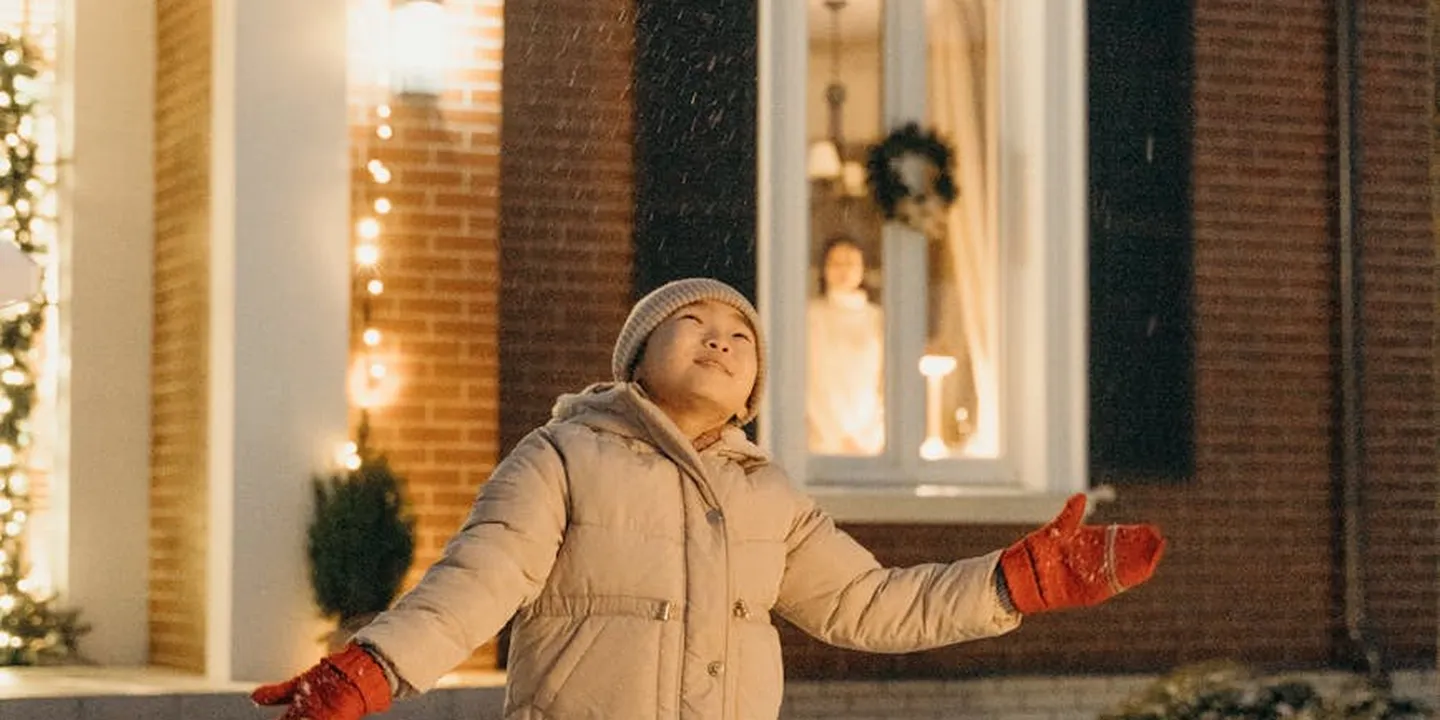
I tell my crew the same thing before we strip a single shingle: a rushed plan guarantees a long, frustrating day. Hanging lights is no different. Spending 20 minutes on the ground can save you two hours of dangerous climbing and adjusting.
Treat this like any roofing project: measure twice, so you only have to get on the roof once. A good plan prevents you from being on a ladder with a tangled mess of cords, wondering where the next outlet is.
What is the Best Way to Plan the Layout of the Lights?
Start in your driveway or on your lawn. Uncoil every single strand of lights you plan to use.
- Plug them in to check for burnt-out bulbs or faulty sections. Fix them now, not when you’re 20 feet in the air.
- Lay them out straight to see their true length. A 25-foot strand coiled in a box is not 25 feet of usable light line once you account for draping and securing.
Next, grab a notepad and look at your house from the street. Make a simple sketch of your roofline.
Mark where your outdoor outlets are, and then trace where you want the lights to go. Think of this sketch as your treasure map. Its main goal is to plan the path of your power cords to avoid long, unsafe cable runs across shingles.
Plan your layout so that connections between light strands happen off the roof. Aim for protected spots like under the eaves, in a gutter, or at a roof edge where you can secure them away from weather—especially in areas that are challenging to reach, such as complex roof angles and obstacles.
Keeping electrical connections off the main roof surface prevents water from seeping into a plug and protects your shingles from unnecessary weight and puncture risk. A little thinking on the ground keeps everything safer and simpler up top.
Getting Up There: Safe Roof Access is Non-Negotiable
Think of your roof the way my crew does. It’s not a patio. It’s a steep, slick, elevated work zone. I’ve watched too many homeowners take risks for a string of lights that simply weren’t worth the trip to the ER. Your approach needs to switch from a casual weekend project to a planned, serious operation.
Treating this job with the wrong mindset is how people get hurt.
How Do I Safely Access My Roof?
Your ladder is your lifeline. Get this part wrong, and nothing else matters. Let’s break down the non-negotiable rules.
- Three-point contact always means two hands and one foot, or two feet and one hand, are solidly on the ladder at all times. You are not a painter. You cannot carry a coil of lights in one hand and climb with the other.
- Secure the ladder’s base on firm, level ground. If the feet can slip, tie the base to a secure anchor or have your spotter stand at the bottom with their weight on it.
- The ladder must extend at least 3 feet above the roof’s edge where you step off. This gives you a solid handhold when transitioning.
Never work alone. Your spotter’s only job is to watch you and stabilize the ladder. They are not fetching tools or checking their phone.
Perfect weather is mandatory: a dry roof, zero wind, and full daylight.
Dusk, dawn, or a damp shingle turn a simple climb into a high-risk slip. Plan your work in small, manageable sections. Test a single run of lights from the ground, then secure them. Come down, move the ladder, and repeat. Your goal is to spend the absolute minimum time actually walking on the roof surface.
Work from the ladder whenever possible, not from the roof itself.
How to Attach Christmas Lights to Your Roof Without Damage
Holiday lights bring cheer. A leaky roof does not. The goal is to hang your display without compromising your roof’s primary job: keeping water out, especially at the junctions of roof shingles where leaks commonly occur.
How you attach christmas lights to your roof directly impacts the health of your shingles and the underlayment beneath them. Every puncture is a potential future leak. Every lifted shingle tab weakens the wind seal, especially when hanging lights on metal roofs.
I treat a roof like a protective shell. Any attachment method must respect that barrier.
What Are the Proper Methods for Attaching Lights Without Damaging Shingles?
For most asphalt shingle roofs, plastic shingle tab clips are the gold standard. They are simple, cheap, and brilliant.
These clips have a hook for the light string and a flat, flexible tail. You slide that tail up and under the bottom edge of a shingle, right where it meets the sealant strip of the shingle below it. The clip is then held in place by the natural adhesion of that sealant. No holes, no punctures.
Installing lights with these clips is like buttoning a coat, it uses the existing closure system without making new holes.
Not every part of your roof is a shingle tab. For other features, use these alternatives:
- Gutter Clips: These hook directly over the front lip of your gutters. They keep lights off the shingles entirely and are incredibly fast to install and remove.
- Ridge Vent Clips: If you want lights along your roof’s peak, special clips are designed to grip the vented ridge cap without crushing it or forcing water underneath.
The key is to match the clip to the feature. On a job last December, we used all three: gutter clips along the eaves, shingle tab clips up the rake edges, and ridge clips along the top. The roof was untouched when we took it all down in January.
Can You Staple Christmas Lights to the Roof? Addressing the Big Question
No. You should never staple christmas lights to your roof shingles.
Every staple is a puncture. It drives through the top layer of the shingle, tears the fiberglass mat, and compromises the asphalt coating. This creates a direct path for water to reach the wooden deck underneath.
A stapled shingle is like a poorly nailed one, it might look perfectly fine from the ground, but water will find that tiny hole and slowly work its way in.
I’ve seen the result on repair calls. You find a small leak in the ceiling, trace it back, and discover a line of old staple holes right in a shingle’s key weathering zone. The damage was done years prior by a well intentioned holiday project. The repair always costs more than a $10 box of proper clips would have.
The risk isn’t worth the slight time savings. Protect your roof. Use the clips.
Wiring it Right: Weatherproof and Safe Electrical Connections
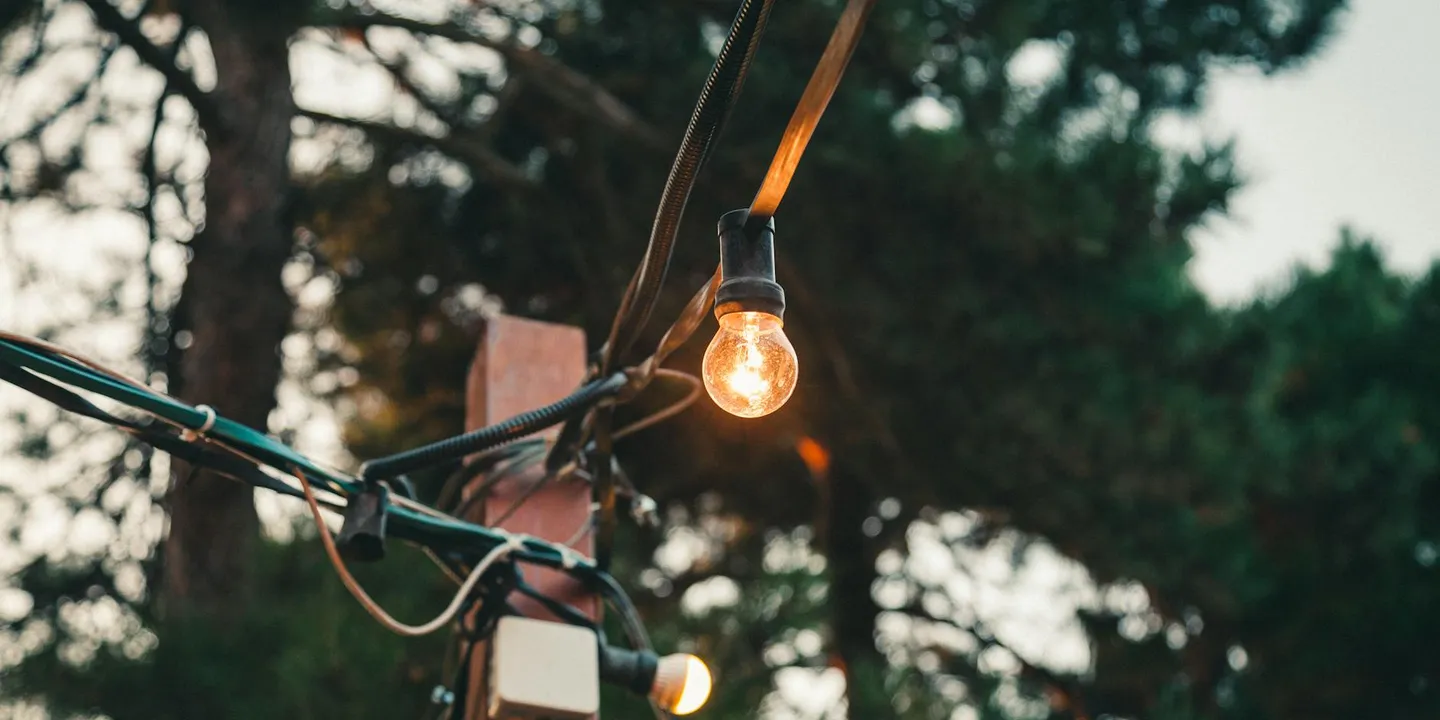
Treat electricity with the same respect you give to working at height. I’ve seen crews get careless with both. A fall can break bones, but one bad electrical connection can start a fire. I learned this lesson early on. We were finishing a job in light rain, and a frayed extension cord sparked against a metal ladder. It was a loud wake-up call with no damage done, but it could have been worse. That moment taught me to never cut corners with electrical safety on a roof.
How Do I Ensure All Electrical Connections Are Weatherproof and Safe?
Any place two cords join is a weak spot. Rain, snow, and morning dew will find it. Your first tool is a bag of outdoor-rated, plastic cord connectors. They look like little capsules. You twist the wires together, screw on the connector, and it creates a hard shell. For extra insurance, wrap the seam with electrical tape rated for outdoor use.
Think of this like putting a bandage on a cut, then a waterproof glove over it. Never just twist wires together and hope the tape holds.
Where you put the connection matters as much as how you seal it. Never let a connection sit directly on the shingles or, worse, in a gutter. Water pools in gutters, turning a simple connection into a potential hazard. Use a shingle tab, a piece of wood, or a commercial cord clip to lift the connection an inch off the surface. This keeps it out of standing water and allows air to circulate.
What Are the Important Electrical Safety Tips to Follow?
Your most important piece of gear isn’t a ladder or clips. It’s a Ground Fault Circuit Interrupter, or GFCI. This is non-negotiable. Plug your first string of lights into a GFCI outlet, or use a GFCI-protected extension cord. If water gets into a connection or a wire gets damaged, the GFCI senses the fault and cuts power in a fraction of a second. It can prevent a shock or a fire.
Older, incandescent light strings draw a lot of power. It’s easy to overload an outlet. Check the wattage on each string’s tag and add them up. Most household circuits can handle 1,440 watts. A single 100-bulb incandescent string can use 400 watts. You can only plug three or four of those old strings together before you risk tripping a breaker or overheating wires. Modern LED lights use far less power, making this problem much easier to manage.
Finally, manage your cords on the ground. Do not run extension cords across walkways where people can trip. Use outdoor cord stakes to secure them to the ground along the edge of a path. When running a cord through a door or window, never pinch it in the frame. This can damage the cord’s insulation. Use a dedicated outdoor pass-through or close the opening on a cord protector, which is a rubber block with a groove for the wire.
The Finish and Future: Testing, Takedown, and Storage
Think of this part like winterizing a garden. A proper finish protects your investment, making next year’s job easier. Rushing the takedown is where most people damage shingles, bending or cracking them by pulling clips out sideways. Good care now means your lights and your roof are ready for another season.
What is the Proper Way to Test the Lights Before and After Installation?
Test your lights twice. I learned this the hard way on a crew years ago. We strung an entire 50-foot section along a ridge, only to find a dead section in the middle. Everything came down.
Always test every string on the ground, while they are still neatly coiled. Plug them in, look for dark bulbs, and check for frayed wires. This is your one chance for an easy swap.
Once your lights are clipped in place but before you lock down the final connections or tuck away extension cords, test them again. Climbing can loosen a bulb or a connection. Finding a problem now takes two minutes. Finding it after everything is finalized means climbing back up.
How Do I Safely Take Down and Store the Lights After the Season?
Go in reverse. Start at the end of the string where you finished and work your way back to the power source. Gently unhook each clip from the shingle or gutter. Do not yank.
On the ground, coil each string loosely. I coil mine like a garden hose, around my elbow and hand. Forcing a tight coil or using a wrap that twists the wires will cause internal breaks you cannot see. Use the twist-ties that came with the lights or soft Velcro strips.
Store them in a plastic tote with a lid. A dry garage or basement shelf is perfect. This keeps moisture and pests out, preventing corrosion in the sockets and plugs. Careful removal and storage is the real secret to putting lights up year after year without buying new ones or repairing your roof.
Common Questions
What if my gutters or fascia board look rotten or loose?
Do not attach anything to them. A clip on a rotten fascia has no holding power and can tear away, damaging lights and shingles below. Repair the structure first-this is essential roof maintenance, not just for lights.
How do I truly know if I’m overloading an electrical circuit?
Add up the wattage of every light string and accessory plugged into the same outdoor circuit. If the total exceeds 1,440 watts, you are overloading a standard 15-amp circuit and creating a fire hazard. Switching to LED lights dramatically reduces this risk.
What’s the correct way to remove clips to avoid shingle damage?
Gently slide the clip out from under the shingle tab in the reverse direction it went in. Never yank or pull sideways, as this can crack or tear the shingle’s edge. Take your time; rushed removal causes most of the physical damage I see.
Lighting Up Safely, Year After Year
Stick to clips that grip your shingles without puncturing them, and always use outdoor-rated cords. That’s the one move that keeps your roof watertight and your family safe from electrical dangers.
I’ve learned that the best roof care starts with taking responsibility for every touch, big or small. Make it a habit to learn more about Roof Care, All Types of Roof Guide, Care, Maintenance-it’s your best tool for a durable, reliable home. Next, we’ll separate myth from fact with a roof care myths debunked guide. It will help you focus on what truly protects your home.
Ray Huffington
Ray is an experienced roofer. He has worked as a general contractor in the roofing industry for over 15 years now. He has installed and repaired all kinds of roofs, from small houses to large mansion, and from basic shingles to cement and metal roofs and even solar roof panels. He has seen homeowners struggle with roofing questions and always has experience based proven advice to help those in need. If you need roof pros, Ray's your guide.