
How Do You Keep a Black Metal Roof Cool in the Summer?
Is your home’s second story an oven every afternoon? Does your air conditioner seem to run nonstop? Your black metal roof is likely the main reason.
You can cool it down and slash your energy bills. The goal is to stop the heat before it moves through the roof and into your attic.
I will walk you through the most effective methods, from reflective coatings to strategic ventilation. I’ll explain which solutions work best for new builds versus existing roofs. You’ll learn how to choose the right products and why some shortcuts can cause long-term damage.
Key Takeaways: What You Need to Know First
Yes, a black metal roof gets extremely hot in the summer. That heat can transfer right into your attic and make your air conditioner work overtime. In hot, cold, and humid climates, a metal roof’s temperature response can affect indoor comfort and energy use.
Based on my experience, you have three main tools to fight this.
- Reflect the sun’s heat away before it soaks in.
- Block whatever heat gets through with solid insulation.
- Remove any trapped hot air with smart ventilation.
For a real solution, you need to layer these methods together like a system. Tackling just one part often leads to disappointment.
Always put safety first. If a job means walking on a steep pitch or dealing with electrical wiring for fans, call a pro. I’ve seen too many DIYers take unnecessary risks.
Why a Black Metal Roof Turns Into a Heat Magnet
Dark colors are fantastic at absorbing radiant energy from the sun. Think about how a black asphalt driveway feels compared to a light concrete sidewalk.
Your roof is no different. A black metal roof on a sunny day works just like a dark car hood-it can easily reach temperatures 50 degrees hotter than the air. I’ve measured them myself.
So, are black metal roofs hotter? Yes, significantly. Roofing materials’ composition and thermal properties—emissivity, reflectivity, and insulation—shape how heat moves. Are black roofs less energy efficient? In the cooling season, absolutely. These material differences, not just color, drive energy performance. That absorbed heat becomes a load your indoor cooling has to overcome.
People choose them for good reasons: the modern look and the fact that metal lasts decades. I get it. The goal isn’t to talk you out of it, but to show you how to manage the heat.
The Basics of Heat Transfer: Radiation, Conduction, and Your Roof
Heat moves in three key ways, and your roof deals with all of them.
First, radiation. This is the sun’s energy beaming down and hitting the surface. Second, conduction. This is how heat travels through the metal panels into your roof deck. Third, convection. This is the hot air rising and circulating in your attic space.
Imagine cooking on a stove. The flame is radiation, the heat moving through the pan is conduction, and the steam wafting up is convection.
To cool your roof, you need to interrupt this process at each stage: reflect the radiation, insulate against conduction, and ventilate away the convection. That’s the core of any effective strategy.
Does Finish Matter? Glossy vs. Matte Black Metal
The finish does make a small difference. A glossy, reflective finish can bounce away a little more sunlight than a flat, matte one.
It’s the same idea as a shiny car versus a primer-coated one. The shine helps.
But don’t rely on finish alone to solve your heat problem. On a dark color, even a high-gloss coating is still absorbing most of that solar energy. I’ve seen homes with glossy black roofs that were still ovens in July. You need more than just a sheen.
The Attic Connection: How a Hot Roof Heats Your Whole House
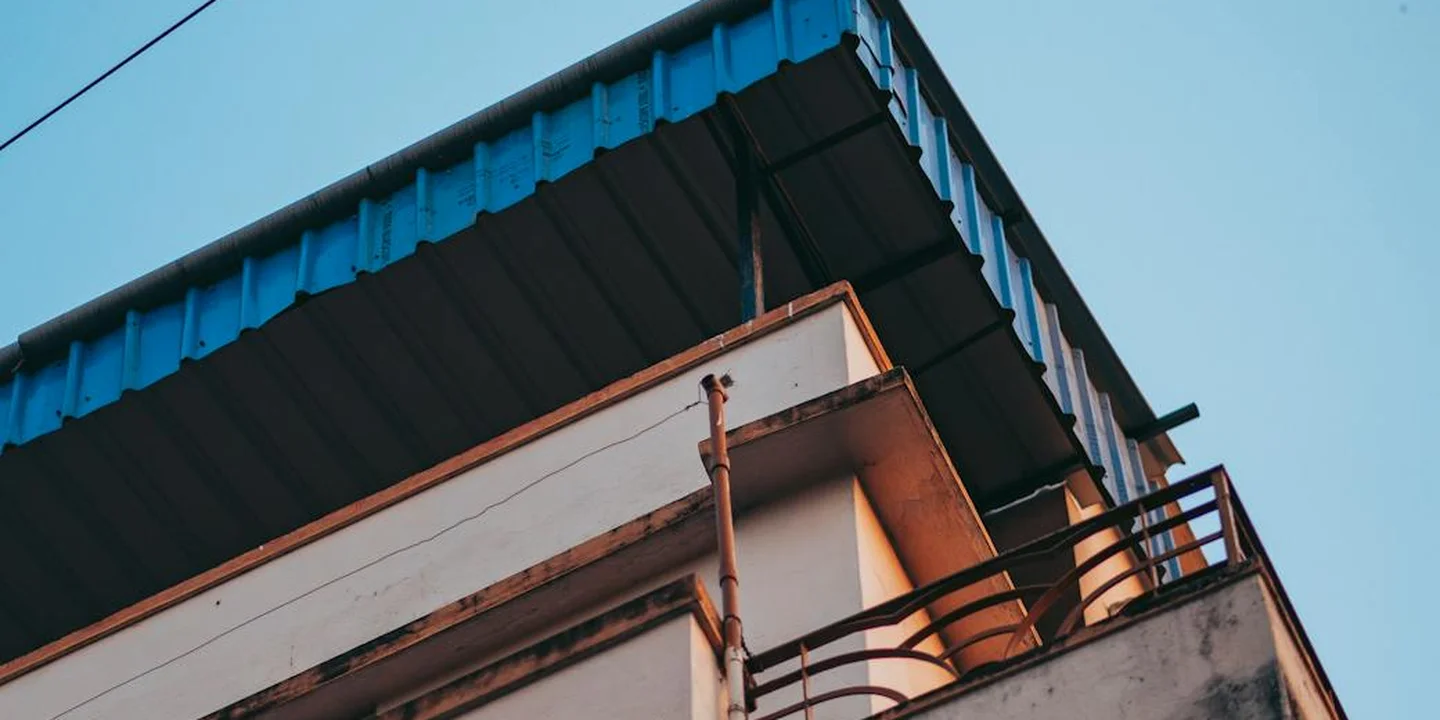
Think of your attic like an oven. Your black metal roof is the heating element on top. On a sunny day, that roof deck gets incredibly hot. That heat doesn’t just stay outside.
It radiates downward, straight into your attic space. The air up there can easily reach 130 degrees Fahrenheit or more on a summer afternoon. I’ve measured it myself on jobs.
This creates a domino effect that hits your wallet. Your hot attic bakes the ceiling drywall and framing below it. Now, the living spaces in your home have to fight heat coming from above and the outdoor air. Your air conditioner runs non-stop to compensate. You hear it cycling on and off all day, and your energy bills tell the story every month.
This is where your attic insulation, and its R-value, becomes your first line of defense. R-value is a measure of resistance to heat flow. A higher R-value means better insulation. In simple terms, it’s like the thickness of a winter coat for your house.
If your insulation is old, thin, or poorly installed, that heat from the roof deck flows right into your home. Upgrading your attic insulation to the recommended R-value for your climate is one of the most effective ways to block that heat transfer from a hot roof.
There’s another silent problem a hot attic creates: moisture. Warm air holds more moisture. When that superheated, humid attic air hits cooler surfaces, like the underside of your roof deck or nails, it can condense. This leads to wood rot, mold growth, and damaged insulation. Proper attic ventilation, with intake at the eaves and exhaust at the ridge, is not optional. It lets that hot, moist air escape, protecting your home’s structure.
Spotting Signs Your Attic is Overheating
You don’t always need to climb into the attic to know it’s a problem. The signs often show up in your daily life.
- The upstairs rooms in your house feel noticeably hotter and stuffier than the main floor.
- Your air conditioner runs constantly during the day but never seems to “catch up” and reach the thermostat setting.
- Your summer electric bills are much higher than your neighbors’ or show a sharp, unexplained spike.
- You can feel heat radiating from the ceiling when you stand in an upstairs room.
The best way to know for sure is to check. On a hot, sunny afternoon, carefully go into your attic with a basic thermometer.
If the attic temperature is more than 15 to 20 degrees hotter than the outside air temperature, your ventilation or insulation is likely failing. That heat is looking for a way into your living space, and your AC unit is paying the price.
Strategy 1: Reflect the Heat Away with Special Coatings
You can apply a special paint-like layer called a reflective coating. Think of it like putting a giant sun hat on your roof. These are not ordinary paints. They are elastomeric or reflective acrylic coatings engineered for metal. They contain special pigments that bounce a significant amount of the sun’s energy back into the sky instead of letting your roof absorb it as heat.
Choosing the Right Reflective Coating for Metal
Not all coatings are equal. You need one built for the job. Look for three key features on the product label. First is a high Solar Reflectance Index, or SRI. This number tells you how well it reflects solar heat; a higher number is better. Second is flexibility. Metal expands and contracts with temperature changes, and the coating must stretch and move with it without cracking. Third is strong UV resistance to prevent breakdown from the sun itself.
You will see white and light-colored options, like beige or light gray. For the maximum cooling effect, choose a pure white coating. White reflects the widest spectrum of sunlight. A light gray might look nicer to you, but it absorbs more heat, reducing its effectiveness. It is a trade-off between aesthetics and performance.
This strategy has clear benefits and some real costs. The biggest pro is a dramatic surface temperature drop. I have seen coated black metal roofs measure 40 to 50 degrees Fahrenheit cooler on a summer afternoon. That heat never enters your attic. The cons are maintenance and price. These coatings degrade over time and need re-coating every 5 to 10 years to stay effective. The initial material cost is also higher than standard paint, and proper application is labor-intensive.
How to Apply a Reflective Roof Coating (Safely)
If you decide to tackle this, follow the steps in order. Doing it right is the only way it works.
- Clean Thoroughly: The roof must be completely clean, dry, and free of rust, chalk, or old peeling paint. Use a stiff brush and a cleaner designed for metal. This step cannot be rushed.
- Repair Rust: Scrub any rust spots down to bare, bright metal with a wire brush. Then apply a rust-inhibiting primer immediately to stop it from spreading.
- Apply Primer: Once the surface is prepped, roll or spray on a high-quality bonding primer made for your specific coating. This helps it stick for the long haul.
- Apply the Coating: Using a heavy-nap roller or an airless sprayer, apply the reflective coating evenly. Most products require two coats for full coverage and performance.
Safety is not optional here. You must use proper fall protection-a harness tied to a secure anchor point-any time you are on the roof. Wear eye protection and a respirator mask, especially when spraying, to avoid inhaling fumes or particles. Always, always read the manufacturer’s instructions for the specific products you buy.
Call a professional roofer if your roof is very steep, if the rust damage is extensive, or if you are not comfortable working at height. This is one project where a pro’s experience with surface prep and application can make the difference between a five-year solution and a fifteen-year one.
Strategy 2: Block the Heat with Insulation and Radiant Barriers
What are the best insulation methods for a metal roof to prevent heat gain? The answer is to use two different tools. Think of insulation as a thick winter coat. It slows down heat moving through a solid, like your roof deck. A radiant barrier is different. It acts like a space blanket, reflecting the sun’s radiant energy away before it becomes heat you can feel. Using both gives you the best defense.
Installing a Radiant Barrier Under the Roof Deck
This is a game-changer for an existing hot roof. A radiant barrier is a sheet of material, usually aluminum foil, facing an air space. You install it under the roof deck, with the shiny side facing down toward your attic. When heat radiates from the hot metal roof, this foil surface bounces a large percentage of it back up. It stops the heat before it can warm up your attic air and roof structure.
Installation is straightforward if you have attic access. The two main methods are:
- Stapling it to the bottom of the rafters. This creates a consistent air gap between the barrier and the roof deck, which is key for it to work properly.
- Laying it directly over existing attic floor insulation, with the foil side facing up. This is simpler but slightly less effective than the rafter method.
What are the benefits of installing a radiant barrier under a metal roof? I’ve recommended this on many retrofit jobs. The benefits are a relatively low material cost, a non-toxic installation, and the fact that you don’t have to touch the existing roof. It works with any roof and can reduce attic temperatures significantly, which takes a major load off your air conditioner.
Upgrading Attic Insulation for Maximum R-Value
While the radiant barrier handles radiant heat, your attic insulation battles conductive heat. Your goal is to create a strong thermal break at the attic floor, sealing your living space away from the oven above. The higher the R-value, the better it resists heat flow.
Let’s compare common types:
- Batt Insulation (Fiberglass or Rock Wool): These are the pink or yellow blankets you see. They’re good for DIY if your attic is open and easy to move around in. The key is to install them perfectly without gaps, compressions, or voids.
- Blown-In Insulation (Cellulose or Fiberglass): Professionals use a machine to blow this material into place. Blown-in insulation is excellent for covering awkward spaces and getting into every nook around wiring and ducts, creating a more seamless thermal blanket.
- Rigid Foam Board: This is often used on the roof deck itself during a new installation or major re-roof. It provides a continuous layer of insulation with high R-value per inch.
For most homeowners cooling a black roof, focus on the attic floor ceiling. The U.S. Department of Energy has general recommendations. In hot climates, aim for an R-value of R-30 to R-49. In very hot climates, go for R-49 to R-60. A local contractor can perform an energy assessment and tell you exactly what your home needs.
Strategy 3: Remove the Heat with Smart Ventilation
How does roof ventilation help cool a black metal roof? Picture your attic on a hot day. Without airflow, it turns into a heat trap. Ventilation works by creating a natural air current that pulls heat away from the metal before it warms your house. This is called the chimney effect.
Here is how it works. Cool, denser air from outside enters through intake vents low on the roof, typically in the soffits under the eaves. As the sun heats the black metal, the air inside the attic warms up, becomes lighter, and rises. It exits through exhaust vents at the highest point, like along the roof ridge. This constant in-and-out flow acts like a release valve for summer heat. On a project last year, we measured a 20-degree drop in attic temperature just by unblocking a clogged soffit vent system.
Balancing Your Ventilation System for Optimal Flow
For smooth airflow, balance is everything. The total open area of your intake vents must equal the total open area of your exhaust vents. If they do not match, the system chokes and heat builds up.
You will see a few common vent types. Ridge vents run along the peak of the roof. Static vents are unmoving boxes on the roof surface. Powered vents have fans. Soffit vents are your main intake source. I always check this balance first when troubleshooting a hot attic. A home with plenty of ridge vent but no soffit vents is like trying to breathe out without breathing in.
Keep those airways clear. A frequent problem I find is attic insulation pushed against or over soffit vents, which completely blocks the cool air intake. After insulation is installed, always verify you can still see daylight through the soffit vents from inside the attic.
When to Consider a Powered Attic Vent
Powered attic vents use an electric fan to actively suck hot air out. The biggest advantage is forced heat removal on still, humid days when natural airflow is weak. They can provide a noticeable extra cooling punch.
But they have drawbacks. They use electricity, so there is a small operating cost. More critically, a powerful fan can create strong negative pressure in the attic. This negative pressure might pull your cooled, indoor air up into the attic through cracks and fixtures, making your air conditioner run longer. It’s a form of over-ventilation in the attic.
My advice comes from seeing both good and bad installations. Think of a powered vent as a backup player, not the star of the team. It should supplement a well-designed passive system with balanced ridge and soffit vents, not replace it. If your passive ventilation is working right, you might not need one at all.
External Solutions: Shade, Overlays, and Going Green
Sometimes the best fix starts from the top. These solutions work by physically blocking the sun before it can heat up your metal surface.
Using Shade Structures or Solar Panels
How can shade structures or solar panels help reduce roof temperature? Think of it like putting a sun hat on your house. By creating a physical barrier a few inches above the roof, you make a shaded air gap.
A pergola, lattice, or even a framework for solar panels doesn’t just cast a shadow. It traps a layer of air that acts as a buffer. The hot metal roof heats that air, which then rises and flows out, taking heat with it. This constant air movement is key.
Solar panels offer a powerful two-for-one benefit: they generate electricity while shading and cooling the roof underneath. I’ve seen attic temperatures drop significantly on homes after a solar array goes up. It’s not their main job, but it’s a great side effect.
The Pros and Cons of a Roof Overlay or Second Roof
This is a major project, but it’s the ultimate external fix. It involves installing a brand new standing-seam metal roof right over your existing one, with special spacers creating a continuous vented air channel between the two layers.
Let’s break down the pros and cons directly.
The pros are substantial:
- Creates a super-insulating air gap over the entire roof.
- Gives you a brand new, upgraded roof surface.
- Can dramatically reduce heat transfer and noise.
The cons require careful thought:
- It’s expensive, often close to a full roof replacement.
- Adds significant weight; a structural engineer must approve your home first.
- The installation is complex and must be done perfectly to work and not trap moisture.
This overlay method is best for a roof that’s nearing the end of its life anyway, where you want to solve heat and get a new roof in one go.
Exploring a Green Roof or Strategic Plantings
Can planting vegetation or creating a green roof help cool a metal roof? Absolutely. Soil and plants are nature’s insulation. They provide mass to absorb heat and use evaporative cooling, where water evaporating from leaves pulls heat from the air.
A full “green roof” system with soil and drought-resistant plants is a serious undertaking. You must be certain your roof structure can handle the immense weight, especially when wet. Proper waterproofing and drainage layers are critical.
For most homeowners, a simpler and highly effective strategy is to plant tall, deciduous trees on the south and west sides of your property. They give shade in summer and lose their leaves to let sun through in winter. Start this years in advance for the best payoff.
The Homeowner’s Seasonal Maintenance Log for a Cool Roof
What maintenance is required for roof cooling systems to remain effective? It’s mostly about keeping everything clean and clear. A simple seasonal routine protects your investment.
Spring and Summer: The Cleaning Season
This is when your reflective coatings or light-colored materials need to work their hardest. Dirt and pollen block their ability to reflect heat.
- Gently wash the roof surface with a soft brush and a cleaner approved by your coating manufacturer. Never use a pressure washer.
- Clear leaves and debris from ridge vents, soffit vents, and turbine vents. Blocked vents can’t move hot air.
- Inspect for any new rust spots, peeling paint, or coating damage that need a touch-up.
A clean roof reflects heat best, so a spring wash is one of the most effective things you can do.
Fall and Winter: The Inspection Season
Shift your focus to protection and preparation. Good drainage is vital to prevent ice dams and moisture issues that ruin insulation.
- Clean all gutters and downspouts to ensure water flows away from your house.
- After major storms, check your attic for any signs of moisture, displaced insulation, or leaks.
- Inspect vent screens for nests or blockages from fall debris.
This consistent, simple care can easily add 5 to 10 years of effective life to your roof and its cooling systems. It’s all about preventing small problems from becoming big, expensive ones that can reduce your roof’s expected lifespan.
Crunching the Numbers: Energy Savings and Cost Payback
How do you calculate the energy savings from cooling a black metal roof? You don’t need complex math. Focus on ballpark estimates and smart priorities.
Estimating Your Potential Bill Reduction
Your actual savings depend on your local climate, your home’s size, and how good your attic insulation already is. The impact of the fixes is real, though.
A high-quality reflective coating can lower the surface temperature of a black metal roof by 50 degrees Fahrenheit or more on a sunny day. That means less heat pouring into your attic. Upgrading attic insulation and air sealing can cut your cooling costs by 10% to 15% on its own.
For a solid estimate, use the EPA’s free online “Home Energy Savings” calculators or schedule a home energy audit with a local pro. They use tools like infrared cameras to show you exactly where your heat is coming from.
Weighing Upfront Costs Against Long-Term Gains
Let’s compare rough costs. Think of this as a menu where you choose based on your budget.
- Reflective Coatings: $1 to $3 per square foot, applied by a pro. Payback comes from AC savings and extended roof life.
- Attic Insulation & Ventilation Upgrades: $1,500 to $3,500 for most homes. This often gives the biggest and fastest bang for your buck in comfort and bill reduction.
- Solar Panels or Shade Structures: A larger investment with longer payback, but added benefits like power generation or outdoor living space.
My advice is to prioritize. Sealing attic air leaks and boosting insulation is almost always the best first step. Then, consider a roof coating as a mid-range option that directly tackles the hot surface. Save major projects like overlays or solar for when they align with other big home goals.
The Homeowner’s Seasonal Maintenance Log for a Cool Roof
Think of your cool roof system like a high-performance athlete. It needs regular tune-ups to stay in peak condition. Your black metal roof with its reflective coating and added insulation is an investment. This simple seasonal log protects that investment and keeps your energy savings on track.
The core maintenance for any roof cooling system is keeping it clean, intact, and clear so it can do its job without obstruction. A little time spent here prevents costly repairs and lost efficiency later.
Spring and Summer: The Cleaning Season
This is when your roof works hardest against the sun. Your goal is to ensure nothing is blocking its ability to reflect heat.
- Clean the roof surface gently. Dirt, pollen, and bird droppings create a film that absorbs heat, negating your reflective coating. Wait for a cool, overcast morning to avoid shocking the metal with cold water.
- Use a garden hose with a spray nozzle, a soft-bristle broom, and a cleaner approved by your coating manufacturer. I’ve seen harsh chemicals strip coatings right off. Never use a pressure washer, as it can blast the coating away.
- Clear all roof and ridge vents of leaves, nests, and debris. Blocked vents trap super-heated air in your attic, making your whole cooling system useless.
- While you’re up there, do a visual inspection. Look for any signs of rust starting to bubble under the paint, or for any areas where the coating looks chalky, faded, or is peeling. Catching a small spot early saves the whole panel.
I tell homeowners to do this once in late spring, after tree pollen season, and once in mid-summer. It makes a noticeable difference.
Fall and Winter: The Inspection Season
This season is about preparing for water and wind, which are the enemies of your attic’s thermal performance.
- Clean your gutters thoroughly, twice. Once after most leaves have fallen, and again after the last. Clogged gutters cause water to back up under the roof edge, leading to hidden rot and compromised insulation in your eaves.
- After any major storm, check your attic. Look for streaks of moisture on the rafters or insulation that has been blown out of place. Displaced insulation creates a thermal bridge, letting heat flow right into your home.
- Inspect all vent screens from the inside of the attic. Make sure they are secure and free of insect nests or lint blockages, which restrict vital airflow year-round.
This consistent, seasonal routine is the single best way to extend the life of both your roof and its cooling systems by 5 to 10 years. It stops small problems from becoming big, expensive ones.
Crunching the Numbers: Energy Savings and Cost Payback
How do you calculate the energy savings from cooling a black metal roof? Forget complex formulas. In my experience, you look at the problem like a roofer, not an engineer.
Think of your hot roof like a stove burner left on under your house. The goal is to turn down that burner. I calculate savings by estimating how much less work your air conditioner has to do. A cooler attic directly means a shorter runtime for your AC, and that shows up on your electric bill.
On a project a few years back, we measured the attic temperature before and after a reflective coating. The temperature dropped over 40 degrees. The homeowner tracked his next summer’s bills and saved about 15%. You can use that kind of real-world result as a starting point for your home.
Estimating Your Potential Bill Reduction
Your potential savings depend on three main things: your local climate, your home’s square footage, and the current state of your attic insulation.
A home in Arizona will see a bigger benefit than one in Maine. A large, single-story ranch heats up faster than a compact two-story. And if your attic insulation is thin, fixing that is your first and biggest win.
For ballpark figures, a quality reflective coating can lower the surface temperature of a black metal roof by 50 to 70 degrees Fahrenheit on a sunny day. That drastic roof cooling can reduce the heat pushing into your living space, potentially cutting cooling costs by 10 to 25 percent. Beyond reflectivity, the choice of roofing material and insulation level also influence heat transfer into your home and your energy bills. Selecting the right roofing and insulation can further reduce cooling needs and costs.
For a more tailored estimate, I point people to two resources. The EPA’s free online Cool Roof Calculator is a solid tool. For the most accurate picture, consider a professional energy audit. An auditor uses tools like infrared cameras to show you exactly where your home is losing money.
Weighing Upfront Costs Against Long-Term Gains
Let’s compare rough costs so you can see what you’re investing in. Prices vary by region and job complexity.
- Reflective Roof Coating: $1 to $3 per square foot for materials and professional application.
- Attic Insulation Upgrade: $1,500 to $3,000 to bring an average attic to modern code levels.
- Ventilation Improvements: Adding ridge vents or powered attic fans might range from $500 to $2,000.
The payback period comes from your summer AC savings and the extended life of your roof. If you spend $2,400 on a coating and save $300 each summer on electricity, you break even in 8 years. A cooler roof experiences less expansion and contraction, which can add years to its service life-that’s a hidden financial gain.
My advice is to prioritize based on your budget and impact. Sealing attic air leaks and adding insulation almost always gives the biggest bang for the buck. I’ve seen many homes where just sealing up the attic hatch and penetrations made a noticeable difference overnight. Tackle that first, then evaluate if you need the roof coating.
Quick Answers
What types of reflective coatings are most effective for a metal roof?
For maximum cooling, use an elastomeric or reflective acrylic coating with a high Solar Reflectance Index (SRI). Pure white offers the best performance, but light-toned versions like beige are a compromise for aesthetics. Ensure it’s specifically formulated for metal to handle expansion and UV rays.
What’s the most critical maintenance check for a roof cooling system?
Keep the intake vents clear. The number one failure I see is attic insulation blocking the soffit vents, which chokes off cool airflow and traps heat. Every spring, get in your attic and verify you can see daylight through every soffit vent.
What’s a simple way to track if my roof cooling fixes are saving money?
Compare your kilowatt-hour usage from your utility bills, not just the total cost. Look at the same months year-over-year after making improvements. A consistent drop in kWh used for cooling is your proof of real savings.
Smart Maintenance for a Lastingly Cool Roof
Start with a professional-grade reflective coating to directly combat heat absorption on your black metal roof. I’ve found this to be the most reliable method for immediately lowering attic temperatures and easing the strain on your air conditioner.
Make safety your top priority during any roof inspection or DIY project. Continuing to educate yourself on general roof care is the best way to ensure your entire roofing system performs well for years to come. Knowing when to switch from DIY to a professional roof inspection can help protect your investment. Balancing DIY effort with professional input is a key part of a smart roof care plan.
Ray Huffington
Ray is an experienced roofer. He has worked as a general contractor in the roofing industry for over 15 years now. He has installed and repaired all kinds of roofs, from small houses to large mansion, and from basic shingles to cement and metal roofs and even solar roof panels. He has seen homeowners struggle with roofing questions and always has experience based proven advice to help those in need. If you need roof pros, Ray's your guide.