
How to Repair Your Roof with Eco-Friendly Materials
Staring at a roof leak and dreading the environmental toll of the fix? I’ve been on thousands of roofs, and I can tell you the old way isn’t the only way.
You need a solution that stops the leak for good without costing the earth. The right sustainable materials are durable and effective.
I’ll break down practical options like recycled rubber and metal.
You’ll see how cool roof coatings cut energy bills.
We’ll cover installation methods that prevent waste and last decades.
Key Takeaways: Your Quick Guide to a Greener Roof Fix
These aren’t just ideas from a brochure. They are the rules my crew lives by after seeing what works and what fails over twenty years.
- Choose durability first, everything else follows. The most sustainable roof is the one you don’t have to replace again in 10 years.
- Demand a responsible tear-off plan from your contractor. Where the old material goes matters as much as what new material comes on.
- Think beyond the shingle to your attic’s health. Proper ventilation is the unsung hero of a long-lasting, energy-efficient roof.
- Repair is almost always greener than replacement. If the structure is sound, fixing a section saves tons of material from the landfill.
- Local materials beat exotic “green” products every time. Shipping a “sustainable” tile across the country burns up its environmental benefit before it even arrives.
Why a Sustainable Repair is Smarter Than You Think
Forget vague ideas about being “green.” In roofing, sustainability is built on three simple, practical pillars: longevity, recycled content, and energy savings. A roof that excels in these areas doesn’t just help the planet. It protects your wallet.
Many homeowners hear “eco-friendly” and think “expensive.” I’ve had that talk on countless estimates. Let’s clear it up. A standard 3-tab shingle might last 15 years. A quality sustainable option, like a metal panel or a Class 4 impact-resistant shingle with recycled content, can last 40 years or more. You pay more now, but you buy two fewer roofs over the life of your home. That’s a lifetime cost that makes sense.
The real savings often start in your attic, not on your roof. This is what I call the “Attic Connection.” Your roof is your home’s primary thermal barrier. A light-colored “cool roof” coating or a metal roof with a reflective pigment can lower your attic temperature by 20 degrees or more on a hot summer day. Your air conditioner doesn’t have to fight that radiant heat. Your energy bills drop.
But that reflective surface is wasted if your attic is sealed like a tomb. Proper intake and exhaust ventilation works with these materials. It lets that hot air escape, turning your entire roof system into a passive cooling machine. A sustainable repair looks at the whole system, from the outer layer down to the airflow. That’s smart roofing.
The RoofMason Material Verdict: Comparing Your Sustainable Options
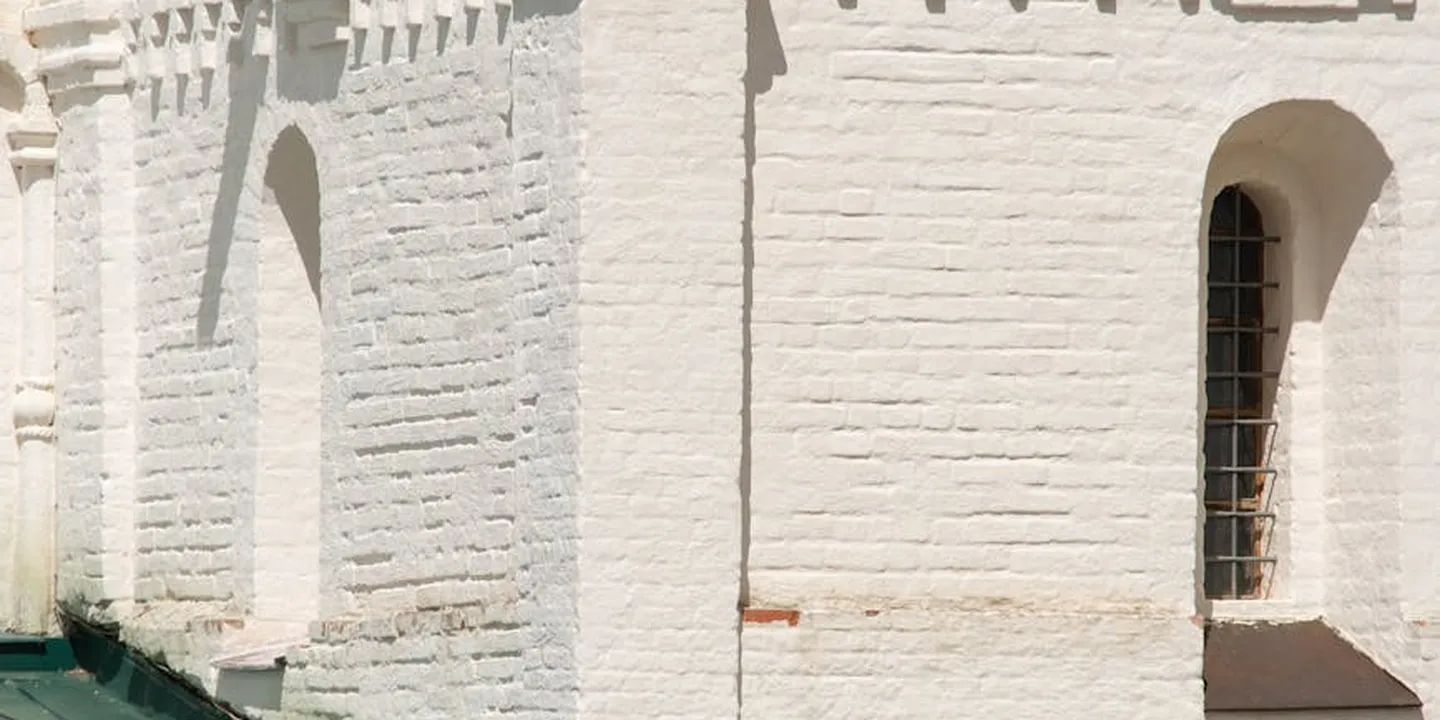
What are the most sustainable roofing materials for repairs? The answer isn’t one-size-fits-all. It depends on your roof, your budget, and your goals. Based on what I’ve seen hold up on real homes, here’s my practical breakdown for a typical repair job, from good to best. Whenever you’re choosing shingles, a quick compare-and-choose framework helps you pick the best roof shingles materials for your climate, budget, and goals. In the next steps, we’ll walk through that comparison to guide your decision.
Good: Recycled-Content Asphalt Shingles
Are there eco-friendly alternatives to traditional asphalt shingles? Absolutely. Modern recycled-content shingles are that alternative. They mix post-industrial waste like plastic, rubber, or mineral dust into the asphalt blend.
- Typical Weight: Similar to standard shingles, about 240-350 lbs per “square” (a 10’x10′ area). Your roof structure likely already supports this.
- Fire Rating: Almost always Class A (the best).
- Hail Resistance: Varies by product. Look for an UL 2218 Class 4 rating for the toughest impact resistance.
- Ideal Climate: All-purpose. They work everywhere standard shingles do.
- Best Bang for Buck in Repairs: Perfect for patching in on an existing asphalt roof. The color and texture match will be nearly seamless, which is a huge win for both looks and weather-tightness. They divert waste from landfills and are installed exactly like regular shingles, so any qualified roofer can handle it.
Better: Metal (Standing Seam or Panels)
For a repair that upgrades your roof’s performance and lifespan, metal is a top contender.
- Typical Weight: Very light, at 50-150 lbs per square. It’s often a direct overlay without a full tear-off.
- Fire Rating: Non-combustible (Class A).
- Hail Resistance: Excellent. Thicker gauges (24-gauge is better than 29-gauge) will dent less, but it takes a serious impact to puncture.
- Ideal Climate: Snow country (sheds snow fast) and areas with high sun (reflects heat). Works well in most climates.
- Best Bang for Buck in Repairs: Ideal for repairing a section of a low-slope roof or creating a new valley. Its longevity (40-70 years) means the repair likely outlasts the rest of your roof, making it a smart, long-term investment. Most metal contains recycled material and is 100% recyclable at end of life.
Best: Reclaimed Slate or Clay
This is the premium choice for character and unmatched durability.
- Typical Weight: Very heavy. Slate is 800-1,500+ lbs per square. Clay tiles are similar. Your roof framing must be checked by a pro.
- Fire Rating: Non-combustible (Class A).
- Hail Resistance: Superior. Natural slate is incredibly hard. A good reclaimed clay tile is also very resistant.
- Ideal Climate: Slate excels in freeze-thaw cycles if it’s high-quality. Clay is fantastic in hot, dry climates.
- Best Bang for Buck in Repairs: The ultimate in sustainability, giving old materials a second century of life. The challenge is finding enough matching pieces and a craftsman who knows how to work with them. This repair is less about cost and more about preserving history and unmatched quality.
Beyond the Shingle: Recycled, Reclaimed, and Cool Roof Tech
Sometimes the best material isn’t a traditional one. What are the benefits of using recycled or reclaimed roofing materials? You save resources, reduce landfill waste, and often get a unique, durable product. When considering recycled options, it’s essential to know how to properly recycle old roofing materials to maximize environmental benefits.
Recycled Rubber/Plastic Slates: These are molded from things like old tires and bottles. I’ve installed a few systems that look shockingly like real slate or wood shakes. They’re lightweight, Class A fire rated, and incredibly impact-resistant. Sourcing is key. Buy from a reputable manufacturer with a solid warranty, not a fly-by-night operation.
Reclaimed Wood or Metal: Salvaged barn wood or factory siding can become stunning roof accents. Reclaimed metal panels have a weathered patina you can’t buy new. The look is one-of-a-kind, but you need a patient installer who can work with non-uniform pieces. Always treat reclaimed wood for fire and insect resistance.
How do cool roofs contribute to energy efficiency? Think of a black t-shirt versus a white one on a sunny day. A cool roof reflects more sunlight and emits heat better than a standard dark roof.
You don’t always need new materials. A solar reflective coating can be applied over existing asphalt, metal, or modified bitumen roofs. These white or light-colored elastomeric paints reflect UV rays, significantly reducing roof surface temperature. I’ve measured drops of 30-40 degrees Fahrenheit on a summer afternoon. That means less heat pumping into your attic, which directly cuts your AC costs and can extend your roof’s life by reducing thermal expansion stress.
Low-Impact Repair Methods: Doing it Right the First Time
The greenest material is wasted with a sloppy install. What are the best practices for repairing a roof to minimize waste? It starts with a meticulous process.
Step 1: Precise Damage Assessment. A good roofer won’t tear off more than necessary. We mark the exact damaged area and a minimal border for safe work. Proper identification ensures that tear-off is only done where needed.
Step 2: Careful, Surgical Removal. We use flat bars and hands more than shovels. The goal is to salvage every undamaged shingle, piece of flashing, and board around the repair zone. This careful deconstruction saves you money on replacement materials and keeps usable stuff out of the dumpster.
Step 3: On-Site Sorting. What is the environmental impact of different roofing repair methods? A huge part of it is waste. On my jobs, we use separate bins: one for old asphalt shingles (which many recyclers now accept), one for clean wood, and one for metal flashings. This makes recycling easy.
Stress the importance of a contractor’s waste management plan. Before signing, ask: “What is your plan for the old materials?” A responsible roofer will have an answer. What does “responsible tear-off” look like? It looks like a clean worksite with sorted debris, a commitment to recycle what’s possible, and a crew that respects your property by minimizing collateral damage. That’s how you do a repair that’s good for your house and doesn’t burden the community landfill.
Ventilation, Insulation, and the Energy Impact of Your Repair
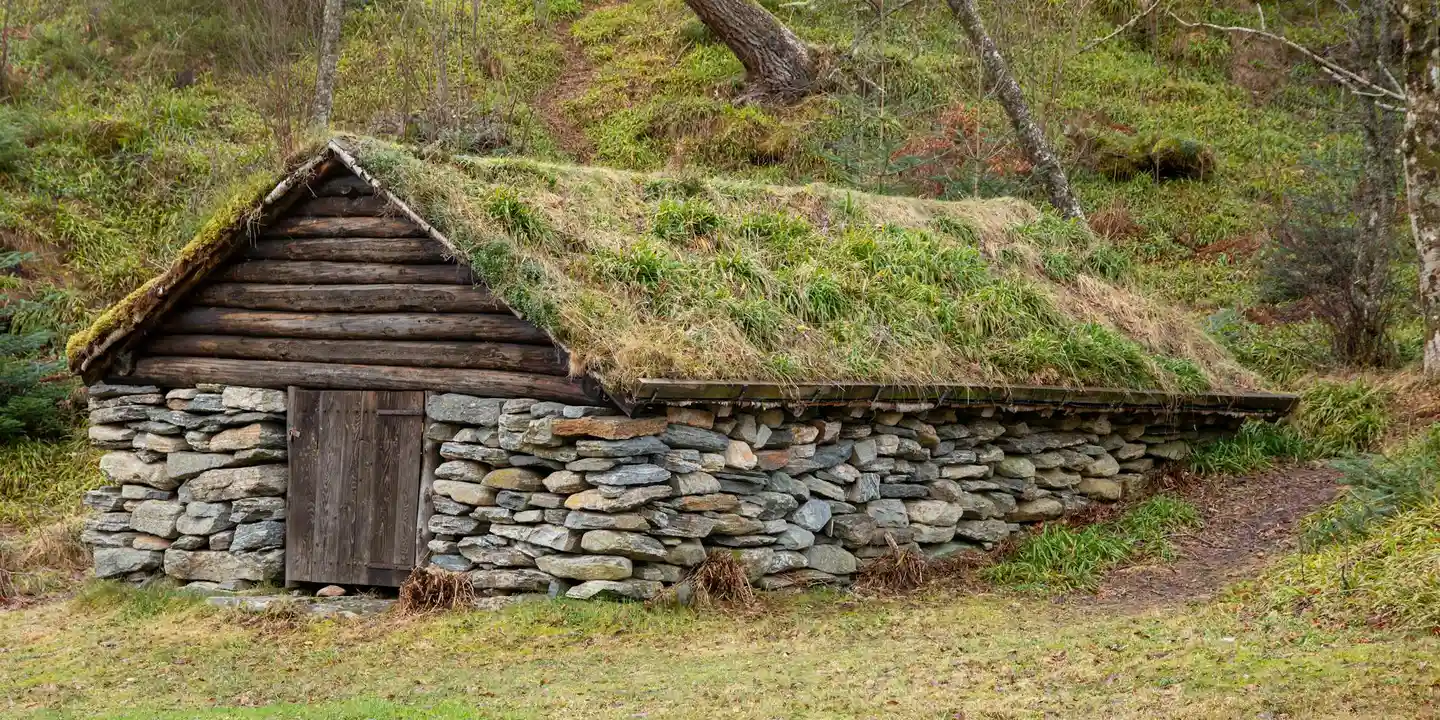
I want to share a lesson from early in my career. We installed a beautiful, reflective metal roof on a house, but the owners called back in August complaining their AC bill was sky-high. The roof was fine. The attic was an oven because the soffit vents were painted shut and there was no ridge vent. Your roof is a system where every part must work together, not just a collection of materials. A sustainable shingle or membrane means very little if your attic is trapping heat and moisture.
During any repair, it’s the perfect time to check your attic’s health. Grab a flashlight and look up from inside. You’re checking for two things: airflow and insulation condition. Are the soffit vents at the eaves clear of insulation or debris? Can you see daylight through them from the outside? Is the insulation matted or damp?
If airflow is poor, a repair is your chance to fix it without a full reroof later. Proper roof ventilation is crucial to prevent mold and extend the life of your shingles. When replacing decking or shingles, a crew can easily add vent channels (like baffles) to ensure air flows from the soffit to the ridge. If your soffit vents are old or clogged, upgrading them to larger, continuous vents is a smart move. I always tell my crew to treat the attic space with as much care as the roof surface.
Here’s why this matters for sustainability. Proper ventilation does two big jobs. It keeps your insulation dry and fluffy, which protects its R-value so it works as designed. It also vents hot air in summer, which can make your attic 30+ degrees cooler. That directly reduces the strain on your HVAC system, saving energy and money year after year. A well-ventilated roof makes any material you choose perform better.
Can You Add a Green Roof During a Repair? The Realistic Answer
I get this question a lot, especially after folks see a photo online. My honest answer? It’s complicated. Turning a standard repair into a full living roof is like trying to add a second story while you’re just fixing the porch. A green roof is rarely a simple “while you’re up there” addition during a standard repair. It’s a major project that needs careful planning.
First, structure is everything. Soil, plants, and water are heavy. You absolutely must get a structural engineer to assess if your roof framing can support the extra load. Never skip this. Second, the waterproofing is different. A standard roof underlayment isn’t enough. You need a dedicated, root-resistant waterproofing membrane installed as a continuous layer. One small puncture and you’ve got a leak hidden under soil.
For a more realistic approach during a repair, consider a lightweight alternative. For smaller, reinforced sections like a garage roof, flat porch addition, or shed, pre-grown sedum mats can be a great option. These are like rolls of living carpet. They’re much lighter than built-up soil beds and can often be installed if the structure is sound and you prepare the surface with a proper membrane during the repair.
This leads to a common FAQ: “How can green roofs or living roofs be incorporated into repairs?” The best way is to plan for it. Use a repair as the opportunity to install the critical waterproofing membrane and reinforce the decking on the section you plan to convert. Then, you can add the drainage layer, soil, and plants in a separate, follow-up project. It turns one big job into two manageable, and safer, phases.
How to Vet a Roofing Contractor for Sustainable Practices
Finding a roofer who gets sustainability is about more than just their material brochure. It’s about their process. When you’re getting estimates, come prepared with specific questions. Their answers will tell you everything—especially when it comes to how they consider the lifespan of roofing materials based on location.
Here is a direct script you can use:
- “What is your waste diversion rate? Do you partner with a recycling facility for old shingles and metal?”
- “Do you offer material options with recycled content, like synthetic underlayment or metal from recycled sources?”
- “Can you walk me through how you’ll protect my existing attic ventilation during the repair?”
- “How do you minimize waste on the job site through material planning and cutting?”
Listen closely. A contractor who has clear answers is thinking about it. Look for certifications like Green Roofer or membership in groups that promote recycling. These aren’t just badges; they mean the company has committed to ongoing training in eco-friendly methods.
You can also spot good practices by how they run the job. A pro who cares about a clean worksite, precise measurements, and careful tear-off is already practicing low-waste, sustainable methods. I’ve always drilled into my crews that every scrap of cut shingle is wasted money and material. That mindset naturally leads to less landfill waste.
To integrate the FAQ “How can I ensure my roof repair contractor uses sustainable practices?” the answer is in your vetting. Don’t just ask if they’re “green.” Ask the concrete questions above. Request photos of past job sites at the end of the day. A tidy site shows respect for your property and efficient use of materials. Choose the contractor whose answers show they see the whole picture, not just the nail-down.
Common Questions
How can I ensure my roof repair contractor uses sustainable practices?
Ask direct questions about their waste diversion plan and if they source materials with recycled content. A responsible contractor will have clear answers and may hold relevant certifications, so check for those.
Can I really add a green roof section during a standard repair?
Rarely. It requires major structural and waterproofing upgrades. Use a repair to plan and prep the area, then install the green roof system as a separate, engineered project.
How do metal roofs compare for sustainability beyond just longevity?
They excel. Most metal contains high recycled content and is 100% recyclable later, plus its reflective surface boosts home energy efficiency year-round, adding to its green value.
Your Path to a Durable, Green Roof
Focus on repairs that use locally-available, long-lasting materials like metal or rubber; this single decision reduces environmental strain and often saves you money over time.
Treat your roof as a long-term investment by scheduling yearly safety checks and addressing minor wear promptly. For detailed maintenance strategies, explore our ongoing series on Roof Care, All Types of Roof Guide, Care, Maintenance to build your knowledge.
Research and Related Sources
- Eight Eco-friendly Roofing Materials When Building A Roof | Smart Cities Dive
- 11 Proven Eco Friendly Roofing Options to Consider | Brava Roof Tile
- 8 Eco-Friendly Roofing Materials to Consider
- Green Solutions: Eco-Friendly Roofing for Sustainable Homes
- Sustainable Roofing Materials: The Rise of Eco-Friendly Options
Ray Huffington
Ray is an experienced roofer. He has worked as a general contractor in the roofing industry for over 15 years now. He has installed and repaired all kinds of roofs, from small houses to large mansion, and from basic shingles to cement and metal roofs and even solar roof panels. He has seen homeowners struggle with roofing questions and always has experience based proven advice to help those in need. If you need roof pros, Ray's your guide.