
Should You Add a Second Layer of Shingles to Your Roof?
Your roofer just gave you two prices: one for a complete tear-off and one to simply nail new shingles over the old ones. The second quote is thousands less. It seems like a no-brainer, right? You’re not alone in that thought.
Many homeowners see an overlay, or a “reroof,” as a perfect way to cut costs on a major repair. I’ve stood on hundreds of roofs with homeowners weighing this exact choice. The short answer is sometimes, but the real question is whether it’s worth the risk. A cheaper fix today can lead to far more expensive problems tomorrow.
Here’s what I’ll break down for you: the true upfront savings, the hidden long-term costs most roofers won’t mention, and how to know if your roof is even a candidate for a second layer.
Roof Overlays Explained: More Than Just a Quick Fix
I need to clear the air on this one. A roof overlay, which some crews call a re-cover, is when a roofer nails a brand new layer of shingles directly on top of your old, worn-out ones.
Think of it like putting a fresh coat of paint over old, peeling paint without scraping or sanding first. It covers up the problem, but it doesn’t fix what’s underneath.
The process seems simple. A crew comes in, sweeps off the loose granules, maybe replaces a few obviously broken shingles, and starts nailing the new layer down. There’s no tear-off, so you don’t see a dumpster full of old roofing in your driveway.
This is sold as a big money-saver, but in my years on the job, I’ve learned it’s a myth that costs homeowners more in the long run.
Whether you hear it called an overlay, a second layer, or a re-cover, it’s the same risky practice.
The Allure of Savings: Pros of Adding a Second Layer
I get why this idea is tempting. The benefits are right there on the surface, easy to see.
- Lower Upfront Cost: You avoid the labor and disposal fees of a full tear-off. An overlay can cost 25% to 40% less than a complete roof replacement.
- Faster Installation: The job gets done quicker, sometimes in half the time, because the crew isn’t spending hours stripping the roof down to the deck.
- Less Obvious Mess: No giant dumpster, less noise from tearing off old nails and wood, and less chance of old shingle debris in your yard.
- Instant Curb Appeal: Your house gets a new, uniform look immediately. The worn, curling shingles are hidden from view.
These are real advantages, but they are short-term wins that come with major long-term risks.
The Weight on Your Shoulders: Structural Risks
This is the first big red flag. Your roof frame and deck are engineered to hold a specific weight. One layer of asphalt shingles is heavy. Two layers is a massive load.
It’s like asking someone to wear a heavy backpack all day, every day, for 20 years. Even a strong back will eventually strain under that constant pressure.
Adding a second layer doubles the dead weight on your roof structure, which can lead to sagging rafters or, in a worst-case scenario with heavy snow, a potential structural failure.
Any reputable roofer will insist on a professional assessment of your home’s framing before even considering an overlay. Many older homes simply cannot handle the extra load. A residential roof load limits assessment evaluates framing, joists, and sheathing to confirm capacity. It helps determine whether an overlay is feasible without risking structural compromise.
What You Can’t See Will Hurt You: Hidden Damage
This is the biggest gamble. When you nail over old shingles, you are sealing your roof shut. You are trapping whatever problems exist underneath that top layer.
Is there a soft spot of rotted wood decking from an old, slow leak? You just covered it up. Is there moisture trapped between the old layers, growing mold? You just locked it in.
An overlay is like using body filler to cover a rust spot on a car without repairing the metal. It looks fine for a season, but the problem is still there, growing worse out of sight.
Any roofer worth their salt will tell you that all underlying damage must be repaired first. But to do that, you have to tear off the shingles anyway to see the deck. Rotted decking isn’t just cosmetic—it’s a structural hazard an overlay won’t fix. Covering it up can hide leaks and lead to greater damage or collapse. Once you factor in the cost of finding and fixing all that hidden rot, the “savings” from an overlay vanish completely.
Why Roofers Often Advise Against It: The Cons and Risks
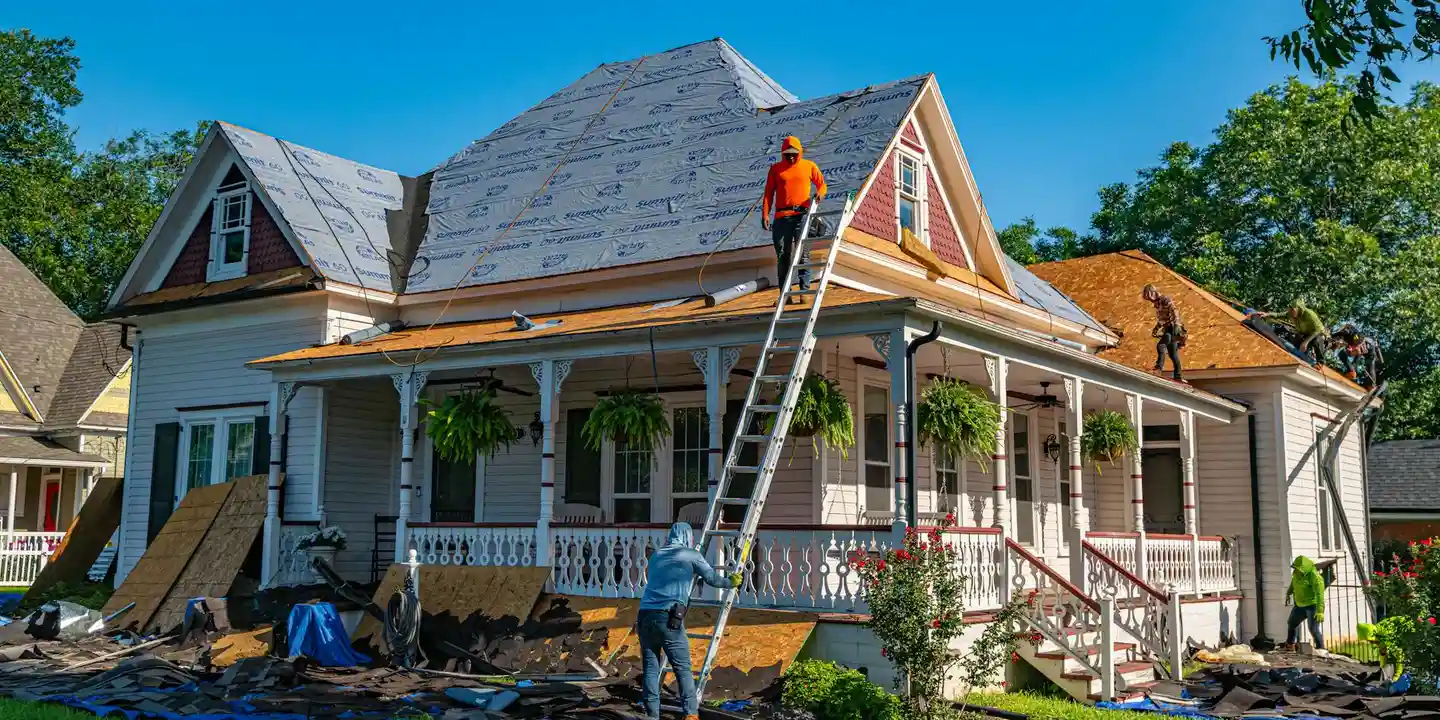
I’ve been on crews that did overlays when a homeowner insisted. I’ve also been the guy tearing them off a decade later. The view from up there changes your perspective.
The promise of a cheaper, faster roof is tempting. The long term reality is usually different.
The biggest risk is that you are building a new problem on top of an old one you cannot see.
The Warranty Void and Lifespan Shortcut
Here is a fact you must know. Most major shingle manufacturers completely void their material warranty if you install over an existing layer.
That 30 or 50 year warranty you are paying for? It becomes just a sales receipt. You are solely responsible if the shingles fail early.
Why would they do this? Heat and moisture. A roof needs to breathe and shed heat. Adding a second layer traps heat between the shingles, baking the new ones from below. It also traps any moisture that works its way up, creating a perfect spot for rot on your roof deck.
This cooking and dampness drastically shortens life. A 25 year shingle installed over another layer might only give you 12 to 15 good years. You are paying for a full roof but only getting half the service. Understanding residential roof life expectancy factors can help you plan maintenance and replacement. Factors like climate, ventilation, and installation quality influence how long a roof lasts.
Code Compliance and the “Grandfathered” Trap
Many towns and cities now limit roofs to a single layer of shingles. Some outright ban second layers. You must check your local code.
Even if your area allows it, you face the grandfathered trap. Your old roof’s critical parts are locked in time. The metal flashing around chimneys is likely thin and poorly bent. The plastic roof vents are probably cracked. The waterproofing membrane at the edges is old or missing.
An overlay passes over all these aging parts. A full tear off lets you replace every single one with modern, code compliant materials. It is a chance to fix decades of wear in one go.
Think of an overlay as putting a new coat of paint on a rusty car. It looks better for a while, but the rust underneath is still working.
Can You Do It? The Homeowner’s Checklist for Overlay Candidacy
If you are still considering it, use this checklist. Do this assessment yourself before you even get a quote. It will make you a smarter customer.
The Material and Condition Check
Your existing roof must pass a strict test. The only suitable candidate is one existing layer of standard asphalt shingles.
Go into your attic with a bright flashlight. Look up at the roof deck from underneath. Now, walk your roof (carefully) or inspect it closely with binoculars from the ground.
Your immediate “no” list includes:
- More than one existing layer. Two layers is your absolute legal max almost everywhere, and you cannot add a third.
- Any curling, buckling, or cracked shingles.
- Moss, algae, or visible dark streaks from moisture.
- Soft spots when you walk. The deck must be rock solid.
- Wood shakes, clay tile, or slate. You cannot shingle over these.
The roof deck must be as sound and dry as a clean subfloor before you lay new hardwood. If it isn’t, an overlay is just hiding a ticking clock.
The Pitch and Permit Puzzle
Roof pitch is how steep it is. Low slope roofs (often seen on porches or modern homes) are terrible for overlays. Water does not run off quickly enough. Trapping two layers here almost guarantees leaks.
Your next call is not to a roofer. It is to your local building department. Ask two questions: “Are roof overlays allowed in my area?” and “Do I need a permit for one?”
Listen to their answers. If they hesitate or say no, your decision is made for you.
Finally, think about ventilation. Your attic needs to exhaust hot air. Old roofs often have weak vent systems. Adding another layer of insulation (which is what shingles are) makes the heat problem worse. If your attic gets extremely hot now, an overlay will cook it.
The Bottom Line: Cost, Lifespan, and Making the Smart Choice
So, can adding a second layer save you money? The short answer is sometimes, but rarely the right way. Think of it like patching a pair of worn-out jeans. A patch is cheaper than new jeans today, but if the fabric around it is threadbare, you’ll just have a new hole tomorrow. A roof overlay is that patch.
My verdict after seeing hundreds of roofs is that a complete tear-off and replacement is almost always the smarter financial and safety choice for the long run. The small upfront savings of an overlay often vanish when you factor in hidden problems and a much shorter lifespan.
Overlay vs. Tear-Off: A Real Cost Breakdown
Let’s talk real numbers. Every market is different, but the cost relationship is usually the same. For a typical 2,000 square foot asphalt shingle roof, you might see estimates like this: If you’re weighing options, metal roofs typically cost more upfront but may save money over time. We’ll compare metal vs shingle cost in the next section.
- Full Tear-Off & Replacement: $10,000 to $15,000. This includes dumping the old roof, inspecting and repairing the deck, installing new underlayment, and new shingles.
- Second Layer Overlay: $7,000 to $11,000. You save on labor (no tear-off) and dump fees.
At first glance, the overlay saves you 20% to 30%. That feels significant. But you must look at cost per year of service.
A proper, new roof on a solid deck should last 20 to 25 years. An overlay’s lifespan is typically capped at the warranty of the new shingles over an old layer, often 15 years or less. Let’s do the math with simple, middle-of-the-road figures.
If a new roof costs $12,500 and lasts 22 years, that’s about $568 per year of reliable service. In 2024, homeowners scrutinize roof repair replacement costs to understand long-term value. That context helps when weighing whether a full replacement or an overlay is more cost-effective. If an overlay costs $9,000 but only lasts 12 years before major issues arise, that’s $750 per year. The cheaper option actually costs you more per year.
I once worked with a crew that had to fix a leak on a 5-year-old overlay. Water had seeped between the layers, rotting a section of deck we couldn’t see. The homeowner paid for a band-aid, then paid again for major surgery. Putting an overlay on a roof with any hidden damage is a guaranteed waste of money.
The Integrity and Lifespan Report Card
When does an overlay get a passing grade? The conditions are strict. It’s only a viable short-term fix if your current roof is nearly perfect. We’re talking one layer of asphalt shingles that are simply aged out, with no underlying issues.
The deck must be perfectly solid. The flashing around chimneys and vents must be in excellent shape. There can be no sagging, no moisture, and no major previous repairs. Think of it as putting a new coat of paint on a pristine wall. That’s rare.
Here are the red flags that demand a full tear-off. If you see even one, walk away from any overlay quote.
- Your roof already has two or more layers (most building codes forbid three).
- You see signs of deck rot, like spongy areas you can feel when walking.
- The roof has a noticeable sag or dip in the plane.
- There is any active leaking or a history of leaks.
- The existing shingles are curled, cracked, or missing many granules.
- The existing flashings (metal around protrusions) are rusted or damaged.
For most homes I’ve worked on, the existing roof has at least one of these issues, making an overlay a risky gamble. You sacrifice the chance to fix the foundation of your roof system for a small, temporary discount.
The smart money buys peace of mind. It invests in a full replacement that gives you a clean slate, a solid warranty, and protection for the next two decades. You protect your biggest investment by starting fresh, not by hiding the old problems under a new layer.
Quick Answers
What types of roofing materials are suitable for an overlay?
The only suitable candidate is one existing layer of standard, flat asphalt shingles. Never attempt an overlay on wood shakes, clay tile, slate, or a roof that already has two layers-it’s a recipe for failure.
How does a roof overlay affect the lifespan of a roof?
It cuts it nearly in half. Trapped heat and moisture bake the new asphalt shingles from below, so a 25-year shingle might only last 12-15 years. Plus, most manufacturers will void the warranty outright.
How can a homeowner determine if their roof is a good candidate for an overlay?
Do two inspections. First, go in your attic with a flashlight to check for stains or rot on the deck. Second, walk the roof (safely) to feel for soft spots. If you find any, a full tear-off is your only real option.
Making the Right Call on Roof Overlays
Always invest in a professional inspection of your existing roof deck before any overlay. This one step reveals if a second layer is a prudent savings or a costly risk to your home’s structure.
Your roof demands a responsible, safety-first approach to all repairs and upkeep. Prioritize roof repair safety practices—like fall protection, stable ladders, and proper PPE—to prevent accidents. Next, we’ll link to safety checklists and guidelines in the upcoming steps. Continue building your knowledge with trusted resources on roof care, material types, and routine maintenance to protect your investment for the long haul.
Industry References
- 7 Problems with Two Layers of Shingles
- r/HomeImprovement on Reddit: What are the pros and cons of adding a second layer of shingles to a roof vs a tear off and fresh layer?
- Is Adding a Second Layer of Shingles a Good Idea?
- Why Adding Multiple Layers of Shingles on your Roof is a Bad Idea
- 10 Shocking Problems With Two Layers Of Shingles!
- Common Problems With Two Layers of Shingles (What You Should Do)
- Are Two Layers Of Roof Shingles Better Than One?
- Is a Second Layer of Roof Shingles Worth It? | Proven Contracting
- Should You Add a Second Layer of Shingles? An In-Depth Look at Multi-Layered Roofs – Reign Roofing
Ray Huffington
Ray is an experienced roofer. He has worked as a general contractor in the roofing industry for over 15 years now. He has installed and repaired all kinds of roofs, from small houses to large mansion, and from basic shingles to cement and metal roofs and even solar roof panels. He has seen homeowners struggle with roofing questions and always has experience based proven advice to help those in need. If you need roof pros, Ray's your guide.