
Do Roof Coatings Really Work? A Roofer’s Guide to Long-Term Protection
Is a roof coating a smart fix or just a temporary bandage? I’ve applied and repaired these systems for over two decades, and the truth depends on your specific situation. Coatings can significantly extend a roof’s life, but only with proper installation.
I’ll explain exactly when a coating is worth the investment. I’ll walk you through the preparation steps that prevent failure. I’ll share how to pick a coating that offers real, long-term protection.
What Exactly Is a Roof Coating? (It’s Not Magic Paint)
Think of a roof coating as a thick, liquid blanket for your roof. You roll or spray it on, and it cures into a seamless, rubber-like membrane.
It is not a cheap paint or a last-ditch fix for a roof that’s already failing. Applying it over rotted decking or badly broken shingles is like putting a bandage on a broken bone. It won’t work.
The best analogy is a high-tech rain jacket. A good jacket is waterproof, stretches with your movement, and reflects the sun’s heat. A quality roof coating does the same for your roof surface.
It works in three main ways. First, it seals the tiny pinholes and seams you can’t even see. Second, many types reflect sunlight, which lowers roof temperature. Third, its flexibility allows it to bridge over small, existing cracks without tearing.
The Main Types of Roof Coatings: Choosing Your Shield
Picking the right coating is like choosing the right tool. You wouldn’t use a hammer to turn a screw. The most common types for homes are elastomeric, acrylic, and silicone. Your roof’s material and your biggest problem (sun, leaks, ponding water) decide the winner.
Here’s a quick way to compare them at a glance.
| Coating Type | Best Superpower | Ideal For These Roofs | Watch Out For |
|---|---|---|---|
| Elastomeric | Extreme flexibility; stretches and shrinks with the roof. | Metal, concrete, modified bitumen. | Must be applied at the right thickness to perform. |
| Acrylic | Excellent sun reflection (Cool Roof rating). | Low-slope roofs in hot, sunny climates. | Can degrade if water sits on it for days (ponding). |
| Silicone | Superior waterproofing; handles standing water. | Roofs with chronic drainage issues or ponding. | Can get dirty looking over time; less reflective than acrylic. |
Elastomeric Coatings: The Stretchy Protector
This is the type I’ve used most on commercial jobs and metal buildings. The name comes from “elastomer,” which just means it can stretch and return to shape.
Its key benefit is handling the natural expansion and contraction your roof goes through every day with temperature swings. A rigid coating would crack. A good elastomeric one moves with the substrate.
It’s the go-to choice for metal roofs, concrete tiles, and modified bitumen (mod-bit) roofs. It’s usually acrylic or silicone-based. Proper prep and application thickness are non-negotiable here. I’ve seen jobs fail because the crew sprayed it on too thin to save money.
Acrylic Coatings: The Reflective Workhorse
If your main enemy is the blazing sun and high cooling bills, look at acrylic coatings. They are typically white or very light in color and are fantastic at reflecting UV rays.
This “cool roof” effect can make a real difference in your attic temperature and energy use. They are water-resistant and a great, cost-effective choice for many low-slope roofs.
Just know they don’t like constant wet feet. If your flat roof has areas where water pools for more than 48 hours after a rain, the acrylic film can break down. For those spots, you need a different solution.
Silicone Coatings: The Water-Proofing Champion
When water is the primary problem, silicone often wins. It forms an incredibly water-tight barrier. Unlike acrylic, it doesn’t mind ponding water at all. I’ve specified it for older buildings where fixing the underlying slope for perfect drainage would be cost-prohibitive.
The trade-off is that silicone is less reflective than acrylic and has a tacky feel when cured. This tackiness can attract dirt and dust, so it might not stay bright white as long. For a warehouse roof where appearance doesn’t matter but stopping leaks is everything, it’s a champion.
What About Coatings for Asphalt Shingles?
I get this question all the time. Homeowners see a weathered roof and hope a coating is a cheaper alternative to replacement. My professional advice is almost always the same: don’t do it.
Roof coatings are generally not recommended for standard asphalt shingle roofs and can absolutely void the manufacturer’s warranty. Here’s why from a roofer’s perspective and especially when applied over multiple layers of shingles.
Shingles are designed to shed water, not hold it. A coating can trap moisture underneath it, leading to rot you can’t see. It can also break down the protective granules on the shingle surface. You’re putting a surface-level fix on a system that works by having water flow over and off discrete, overlapping pieces. When a shingle roof is past its prime, the right call is almost always a professional inspection and planned replacement, not a coating. When issues like this accumulate, roof shingles repair or replacement is the prudent next step. A professional can assess whether repair suffices or replacement is needed.
Do roof coatings work?
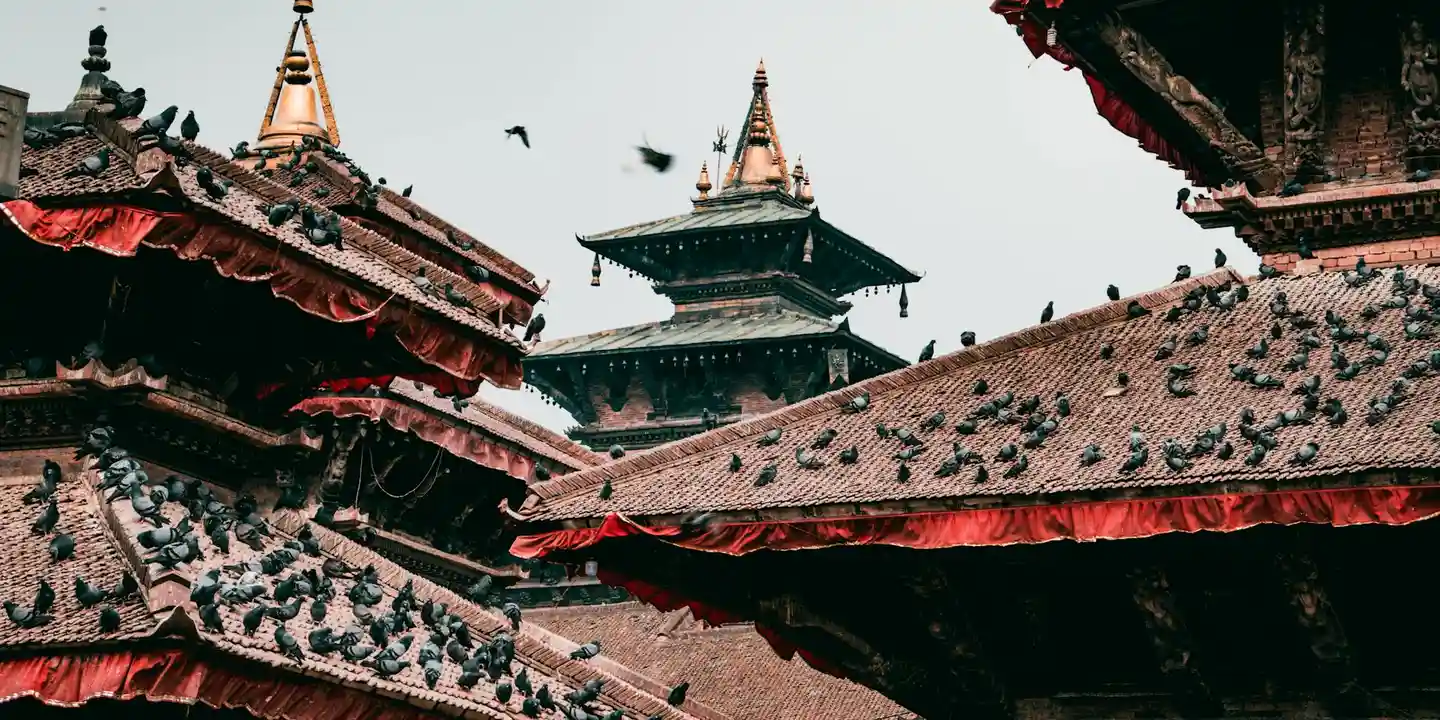
I see this question all the time from homeowners. The answer isn’t a simple yes or no. It depends entirely on the condition of your roof. Think of a roof coating like a heavy-duty sunscreen and raincoat for your existing roof. It protects a healthy roof, but it won’t cure a roof that’s already sick.
When Roof Coatings Work Brilliantly (The Facts)
On the right roof, a coating is a fantastic investment. Here’s when my crew and I recommend them based on real jobs.
- Sealing a sound metal roof. A clean, leak-free metal roof is a perfect candidate. A high-quality elastomeric coating seals the seams and prevents rust. I’ve coated barns and workshops that stayed dry for over a decade afterward.
- Restoring a weathered flat roof. For modified bitumen or TPO roofs that are just sun-baked and tired, a coating can restore waterproofing and reflectivity. It brings an old membrane back to life.
- Reflecting heat to cut costs. On flat or low-slope roofs, a white reflective coating can lower roof surface temperature by 50°F or more. This directly reduces your building’s cooling load. The energy savings alone can pay for the job.
- Bridging minor cracks. Minor alligatoring on an asphalt roof isn’t a death sentence if the substrate is solid. A fiber-reinforced coating can bridge those small cracks and add a new waterproof layer.
- Extending the life of a well-maintained roof by 5-15 years, delaying a full replacement. This is the core benefit. If your roof is structurally sound but just wearing thin, a coating buys you significant time and saves you the massive cost of a full tear-off.
When They’re a Waste of Money (The Myths)
This is where homeowners get misled. Coating over these problems is throwing money away.
- Fixing active leaks or rot. A coating is a surface treatment. If you have water actively coming in or soft, rotted decking, you must fix that first. The coating will just trap the moisture and make the rot worse.
- “Waterproofing” a failed roof. You can’t glue a new surface over one that’s crumbling or delaminated. The coating will fail where the old roof fails, usually within a year or two.
- A permanent fix for an old roof. No coating lasts forever. Applying it to a 25-year-old shingle roof on its last legs is a short-term delay, not a solution.
- Working over a dirty roof. If the surface isn’t perfectly cleaned and prepared, the coating won’t adhere. It will peel and bubble. Proper prep is 80% of the job’s success.
- Applying a coating over a failing roof is just an expensive band-aid that will fail quickly. I’ve been called to peel off failed coatings that were applied over mossy, curled shingles. The homeowner spent thousands for a fix that lasted 18 months. Address the root cause first.
Roof Integrity & Lifespan Report: Is Your Roof a Candidate?
Before you think about a coating, you need to play roof detective. Let’s figure out if your roof is healthy enough for this treatment by checking it after any repairs or re-roofing.
Assessing Your Roof’s Health
Do a safe, visual inspection. Use binoculars from the ground or work from a securely placed ladder. Don’t walk on the roof if you’re not trained.
Look for these key things:
- Surface Condition: Are shingles just granule-bare, or are they curled, cracked, or missing? For flat roofs, is the membrane intact or is it cracked and brittle?
- Existing Leaks: Do you have water stains on ceilings or walls inside? Any active dripping? You must trace and repair any leak before coating.
- Ponding Water: On flat roofs, does water sit for more than 48 hours after a rain? This indicates a drainage issue that must be corrected.
- Flashing Integrity: Check where the roof meets walls, vents, and chimneys. Is the metal flashing rusted, loose, or bent? Flashing repairs are non-negotiable.
A coating is only a smart investment if your roof has a solid foundation and at least 5-7 years of viable life left in its current materials. You’re paying to extend a life, not resurrect a failure. It is also critical to consider the typical lifespan of roofing materials in your area.
The “Red Flag” Signs: When to Replace, Not Coat
If you see any of these signs, stop thinking about a coating and start planning for a replacement.
- Widespread rot or deck softening. You can often feel a spongy bounce when walking the roof.
- Multiple, persistent active leaks from various areas.
- Severe membrane blistering (big bubbles) or areas where the roofing material has completely lost adhesion to the deck.
- On shingle roofs, if more than 30-40% of the shingles are severely cracked, curled, or missing.
My rule of thumb from years of estimates is straightforward. If over 30-40% of the roof area is compromised, a full replacement is almost always the better long-term financial decision. You’ll spend less per year of service life compared to a costly coating that fails prematurely. This is especially true when considering factors affecting the life expectancy of residential roofs.
How to Apply a Roof Coating: A Pro’s Step-by-Step
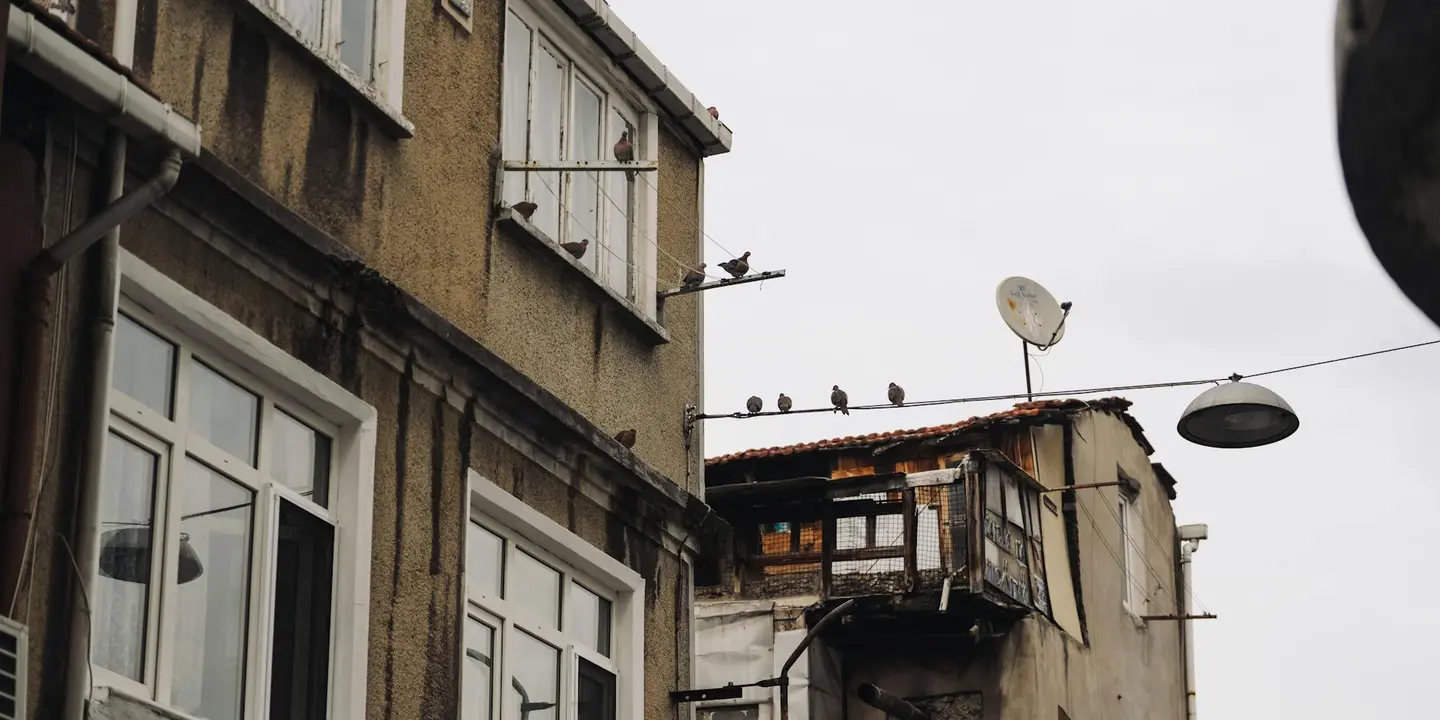
Let’s get straight to it. Applying a coating isn’t about slapping on paint. In my experience, 90% of a successful coating job happens before you even open the bucket. The preparation dictates everything. Safety is non-negotiable. Any work on a roof requires a proper safety harness, non-slip shoes, and a clear forecast with no rain in sight for at least 24 hours. For the vast majority of homeowners, hiring a licensed professional is the right call. They handle the heights, the materials, and the nuances that make a coating last.
If you’re determined to do it yourself, follow this sequence. Missing a step will cost you later.
Step 1: The Critical Clean & Repair Phase
Think of this like prepping a wall for paint. If the surface is dirty or damaged, the new layer won’t stick. You start by removing all debris. Sweep thoroughly. For dirt, mildew, or light staining, a low-pressure wash (under 1000 PSI) works best. High pressure can damage the roof membrane.
For tougher stains like oil or grease, you might need a specialized chemical cleaner. Always follow the manufacturer’s instructions to the letter. Once the roof is clean and completely dry, you must fix every single flaw. This is where DIYers often fail. I’ve seen coatings fail because someone coated over a loose flashing. For safely cleaning roof shingles stains without damage, start with a dry inspection and a gentle cleaner suitable for shingles. In the next steps, I’ll share a concise guide to doing that without harming the shingles.
- Inspect all penetrations (pipes, vents).
- Check every inch of metal flashing.
- Seal all cracks and blisters in the existing membrane.
Use a compatible roof cement or sealant. A coating cannot bridge a gap or stop an active leak. It seals the surface, not the structure beneath.
Step 2: Priming and Application
Not every roof needs a primer, but many do. A primer is like a double-sided tape for your coating. It’s essential for proper adhesion on older, weathered surfaces or specific materials like some metals. When in doubt, the coating manufacturer’s instructions will tell you.
For application, pros often use a sprayer for speed and even coverage on large, flat areas. For a DIY job, a heavy-nap roller (3/4 inch or thicker) is your best tool. It holds a lot of material and helps spread it evenly. The goal is a consistent “mil thickness,” which is just a fancy way of saying you need the same amount of coating everywhere. Too thin, and it won’t protect. Too thick, and it might not cure properly.
Weather is your silent partner. Apply the coating when temperatures are between 50°F and 90°F, and humidity is low. Never apply if rain is forecasted before the coating is fully dry. I learned this the hard way on an early job when an afternoon thunderstorm ruined a day’s work.
Cost-Benefit Verdict: Repair vs. Replace Analysis
Looking at just the price tag is a mistake. You need to see this as an investment in your home’s longevity. A coating is a strategic repair, not a cheap replacement. Let’s break down the numbers so you can make a smart choice.
Cost Tiers: Coating vs. New Roof
Costs vary by region and roof size, but here are typical national ranges for a standard low-slope residential roof (like a flat garage or addition roof).
- Professional Roof Coating: Typically costs between $1.50 and $4.00 per square foot. For a 1,000 square foot roof, that’s an investment of $1,500 to $4,000.
- Full Membrane Replacement: Installing a new single-ply membrane (like TPO or EPDM) usually runs from $5.00 to $10.00 per square foot. For that same 1,000 square foot roof, replacement costs $5,000 to $10,000.
Now, think about cost per year. A quality coating, properly applied, can extend the life of a sound roof by 10 to 15 years. If the coating costs $3,000 and adds 10 years, that’s $300 per year of protection. A $10,000 new roof with a 20-year warranty breaks down to $500 per year. The coating often provides a lower annual cost for extending the life of a roof that’s still in good shape. Roof repair and replacement also tend to be more expensive in the long run.
The Final Verdict: Smart Fix or Waste of Money?
Based on decades on the roof, here’s my straight talk.
A coating is a smart, strategic repair if your roof is structurally sound, leak-free, and has at least 5-10 years of base life left. It’s like putting a new, protective jacket over a sturdy sweater. You’re investing thousands to save tens of thousands on a premature replacement.
A coating is a wasteful band-aid if your roof is failing, rotting, or you’re trying to avoid the inevitable replacement. Coating over wet insulation or rotten decking is literally covering up a problem that will only get worse. You’ll waste your money and still need a new roof soon.
The truth is clear. The right coating, on the right roof, applied the right way, absolutely works. It can shield your home and save you a significant amount of money.
Are Roof Coatings Right for You? The Deciding Factors
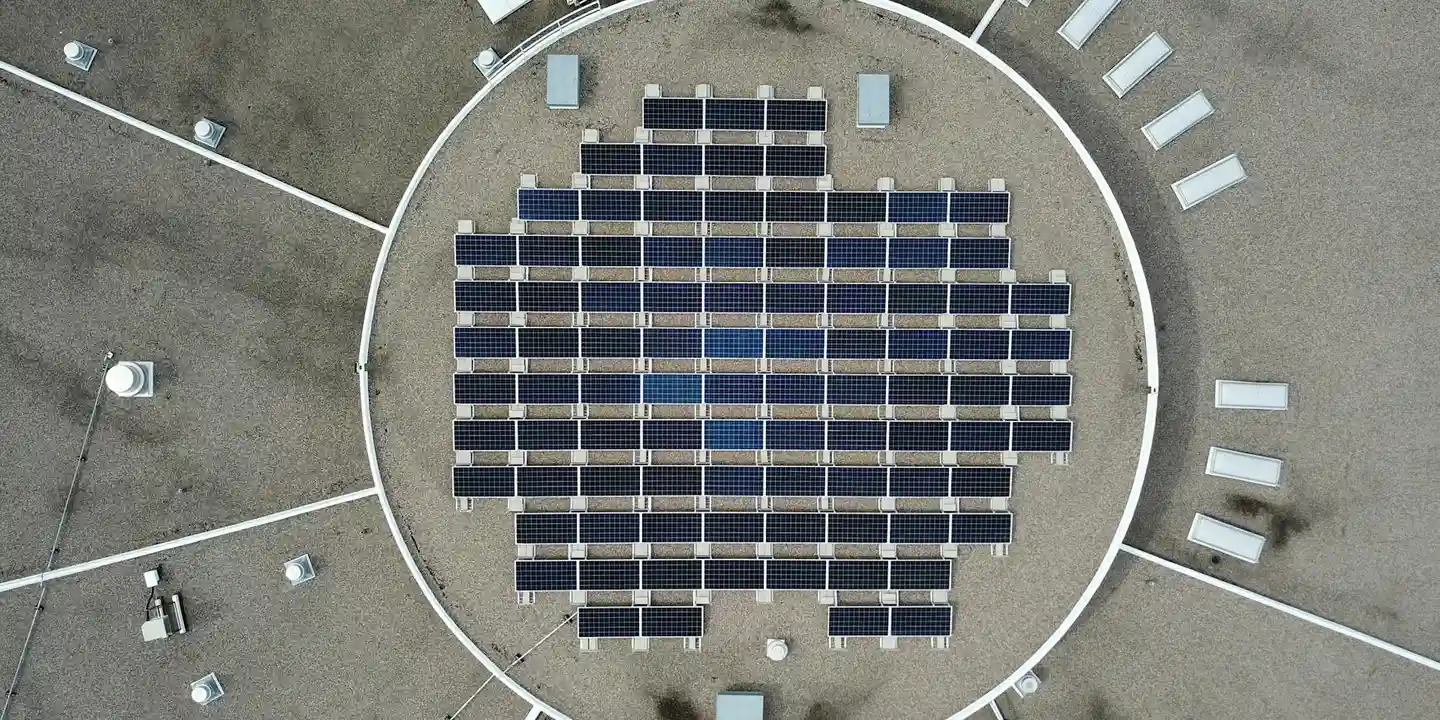
Let’s get personal. After years on roofs, I know the best choice isn’t about the product. It’s about your roof, your wallet, and your plans for the house. Use this section like a checklist. Be honest with your answers.
What Is Your Roof’s Current Condition?
Remember that roof assessment we talked about earlier? It’s time to use it. A coating is only as good as the roof it’s applied to. If your inspection found soft spots, widespread leaks, or rotten decking, a coating is a waste of money. I’ve been called to jobs where a coating was slapped over failing shingles. It peeled off in sheets within a year. Coatings need a solid, clean base. Think of it like painting a wall. You wouldn’t paint over mold or loose plaster.
What Is Your Primary Goal?
Be specific. Why are you really looking at coatings?
- To stop a leak: A coating can seal a small, pinpoint leak if the roof is otherwise sound. But if water is getting in from multiple places, you need repairs first, not a coating.
- To improve energy bills: Reflective white coatings can make a real difference. On a dark asphalt roof in summer, I’ve seen attic temps drop 15-20 degrees. That translates to lower AC costs.
- To extend roof life: This is the sweet spot. A quality coating acts like a sacrificial layer, taking the sun and weather damage so your roof doesn’t have to. It can add 5 to 15 years to a tired but structurally sound roof.
What Is Your Budget and Long-Term Plan for the Property?
Money talks. A full roof replacement is a major expense. A coating costs a fraction of a new roof, but it’s still an investment. Ask yourself: are you staying put or selling soon? If you’re selling, a fresh coating can improve curb appeal. If this is your forever home, a coating can be a smart way to delay a huge cost. I always tell my crew, “Know the customer’s timeline. It changes everything.”
Are You Prepared for the Maintenance?
This is the part most homeowners forget. Roof coatings are not permanent. They require a long-term commitment. Most need to be re-coated every 5 to 15 years. Are you ready for that? It’s not a set-it-and-forget-it solution. I’ve seen beautiful elastomeric jobs fail because the owner never planned for the re-coat.
Tying It All Together: Your Decision Matrix
Let’s combine everything you’ve learned. Here’s a simple way to see where you stand.
| If your roof is… | And your goal is… | Then a roof coating… |
|---|---|---|
| Structurally sound, with minor surface wear | Extend life or improve energy efficiency | Is an excellent option |
| Leaking in one isolated area | A temporary, cost-effective fix | Might work after proper repair |
| Old, with multiple leaks or deck damage | To avoid a full replacement | Is not recommended. Replacement is safer. |
| New or recently installed | Maximum protection from day one | Can be a great preventive measure |
This matrix is a guide, not a guarantee. Your final step should always be a professional opinion from a trusted roofer. They can spot things you might miss and ensure any coating is applied safely and to code.
Common Questions
Can I coat my old asphalt shingle roof to avoid replacing it?
Almost never. Coatings trap moisture and degrade shingles, leading to hidden rot and voiding warranties. If your shingles are aging, get a professional inspection to discuss replacement, not a coating.
I see very mixed reviews online. Why?
Results depend entirely on proper prep and application. The failures you read about are from coating over a failing roof or poor installation. Success stories come from applying the right product to a sound, clean roof.
Is this a project I can do myself?
Only if your roof is safe to work on and you can commit to meticulous cleaning, repair, and application. For most homeowners, hiring a licensed pro is the smarter investment to ensure the job is done right and lasts.
Making Roof Coatings Work for You
A quality roof coating can significantly extend your roof’s life, but only if applied to a clean, sound surface after a thorough inspection. This simple rule separates a worthwhile investment from a wasted effort that masks deeper issues.
Your roof’s long-term performance hinges on your proactive, safety-first approach to maintenance. I encourage you to keep learning about Roof Care, All Types of Roof Guide, Care, and Maintenance to make informed, sustainable decisions for your home.
Related Guides and Information
- When Does a Roof Coating Make More Sense than a Roof Replacement
- Are Roof Coatings Worth It? An In-Depth Look at the Benefits and Considerations | Nationwide Protective Coating Mfrs.
- 10 Incredible Benefits Of A Roof Coating System For Your Home
- The Pros and Cons of Silicone Roof Coatings | American WeatherStar
- Pros and Cons of Roof Coatings | Reimagine Roofing
- About Roof Coatings – Roof Coatings Manufacturers Association
- Benefits of Opting for a Liquid-Applied Roof Coating Over a Complete Tear-off | WATERPROOF! Magazine
Ray Huffington
Ray is an experienced roofer. He has worked as a general contractor in the roofing industry for over 15 years now. He has installed and repaired all kinds of roofs, from small houses to large mansion, and from basic shingles to cement and metal roofs and even solar roof panels. He has seen homeowners struggle with roofing questions and always has experience based proven advice to help those in need. If you need roof pros, Ray's your guide.