
How to Protect Your Coastal Roof from Salt, Wind, and Humidity
Does a white, powdery residue on your shingles or rusty stains on your flashing have you worried? Living by the sea means your roof battles a corrosive trio that can silently cause leaks and decay. I’ll break down how salt corrosion works, why wind uplift is a real danger, and the hidden damage from constant moisture. You’ll get my material recommendations, critical inspection tips, and a proven cleaning method.
What Makes a Coastal Roof’s Life So Tough?
Living by the water is great. Protecting your roof from it is a constant job. Your roof faces a triple threat every single day: salt spray, high humidity, and strong winds. This isn’t occasional bad weather. It’s a relentless environmental pressure cooker.
Wind damage is often sudden and dramatic. A storm blows through and you see the results immediately. Salt and humidity work differently. They are silent partners in slow, corrosive damage. Think of a car parked near the ocean. It will develop rust spots long before a car kept inland.
Your roof materials face the same accelerated degradation from salty, moist air constantly eating away at their protective layers. Coastal roof ventilation slows coastal salt damage by venting humid air and salty aerosols away from the roof deck. Proper venting reduces salt buildup on shingles and underlayment. This applies whether you’re on the New England coast, the Pacific Northwest, or the Gulf. It’s a universal challenge for coastal homes.
Your Coastal Roof Inspection Checklist: What to Look For
You can’t stop the weather, but you can catch problems early. Make this a bi-annual habit. Check once after the winter winds calm down and again after the peak summer storm season passes.
Your first and safest step is always to use a good pair of binoculars from solid ground. Never rush onto a roof, especially if you suspect wind damage has made it unstable. Start your inspection from the safety of your yard.
The Salt and Humidity Damage Report
Look for the subtle signs of the slow grind. Salt and moisture leave clear fingerprints.
- Chalky Residue on Asphalt: A fine, powdery film on your shingles isn’t just dirt. It’s the protective granules breaking down prematurely from salt exposure.
- White Corrosion on Metal: Check flashing, vents, and metal valley liners. A white, crusty powder means the protective galvanized coating is failing.
- Moss and Algae in Shade: High humidity keeps north-facing slopes and shaded valleys damp, creating a perfect breeding ground for organic growth.
For metal components, look closer. Pinholing is when you see tiny, rust-colored holes starting to form in the metal, like the fabric of your jeans wearing thin at the knees. Run your finger (carefully) along the edge of a piece of flashing. If it feels sharp or uneven, the metal is thinning from corrosion.
The Wind Damage Assessment
Wind attacks the seams and edges of your roof system. After any strong breeze, look for these specific failures.
- Creased or Missing Shingles: A shingle lifted by wind can crack along the sealant strip, creating a permanent crease. Missing shingles are an obvious red alert.
- Lifted Flashing Tabs: The thin metal tabs under shingles around chimneys and walls can get bent upward, breaking the water seal.
- Granules in Gutters: A few granules are normal. A pile of them after a storm signals the shingles were aggressively scraped and lifted by wind.
Use your binoculars to scan the highest points. Ridge caps and hip shingles take the full force of the wind. Look for any that appear crooked, lifted, or have exposed fasteners.
The Roof Integrity and Lifespan Forecast
The coastal environment doesn’t just cause damage. It shortens the entire expected life of your roof. Here’s a realistic forecast based on what I’ve seen on job after job. Gutters in coastal areas take a beating from salt spray and heavy storms, so coastal gutter care is essential. Salt, wind, and storm damage can accelerate wear, even on newer roofs.
| Material Type | Typical Inland Lifespan | Realistic Coastal Lifespan |
|---|---|---|
| Standard 3-Tab Asphalt Shingles | 15-20 years | 10-12 years |
| Architectural Asphalt Shingles | 25-30 years | 15-20 years |
| Galvanized Steel Roofing | 40+ years | 25-30 years |
| Concrete or Clay Tile | 50+ years | 30-40 years |
Plan for a coastal roof to need replacement 5 to 10 years sooner than the same roof installed just 20 miles inland. This isn’t a failure of the product. It’s the reality of the environment.
Some damage goes beyond a simple repair. Know the red flags that signal a roof is at its end.
- Widespread Brittleness: If shingles crack and break easily when touched during a safe inspection, their oils are gone. They are baked and dried out.
- Multiple Active Leaks: One leak might be a flashing issue. Several leaks in different areas mean the roof membrane itself is failing.
- Severe Corrosion on Over 30% of Metal Panels: When pitting and rust are no longer just on trim but across the main roof field, patching loses its point.
Material-Specific Defense Strategies
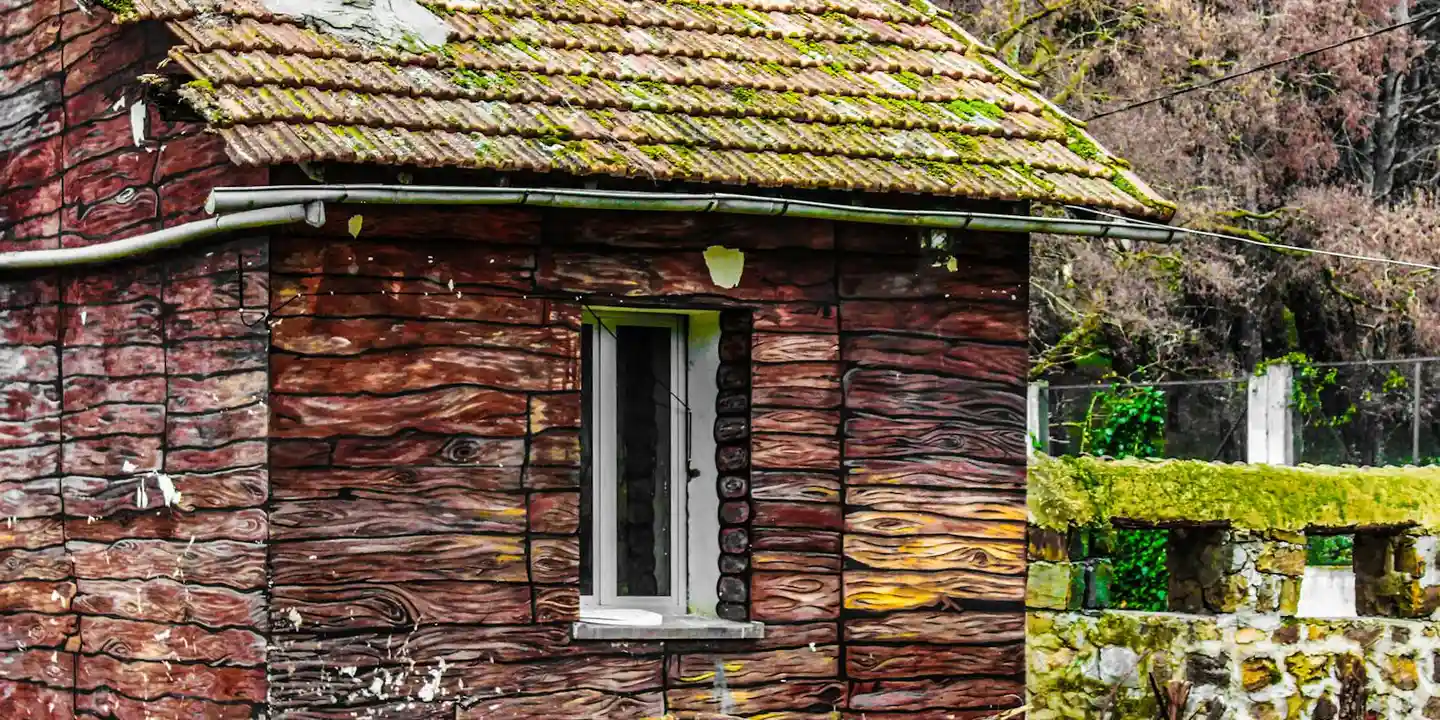
Coastal weather attacks different roofs in different ways. Think of this as your direct guide. If your roof is made of one material, here is your specific action plan.
Asphalt Shingle Care by the Sea
If you have asphalt shingles, salt and humidity are your main enemies. From day one, you need algae-resistant shingles or ones with copper granules. I learned this the hard way on a job where standard shingles turned black with algae in just two seasons. The copper coating slowly washes down the roof, killing spores before they can grow.
Cleaning is necessary, but you must be gentle. Always use a low-pressure wash or a soft wash system with a bleach solution. A high-pressure washer will blast off the protective granules, leaving your shingles to bake and crack in the sun. I tell my crew to treat it like washing a car with old paint. That careful approach helps safely clean roof shingles stains without damage. It’s all about technique and choosing the right cleaner.
Some homeowners add zinc or copper strips along the roof ridge. They work by releasing ions that wash down and inhibit growth. The pro is they are a simple retrofit. The con is they wear out and need replacing every few years. They are a good helper, but they do not replace starting with the right shingle.
Metal Roof Protection from Salt Air
For metal roofs, the material choice makes all the difference. Galvanized steel has a zinc coating, but salt spray can eat through it. Aluminum naturally resists corrosion and is my top pick for coastal homes. Pre-weathered metals, like Corten steel, form a stable rust layer that acts as its own protection. When choosing, consider metal roof types, materials, and styles that fit your home. This approach balances durability, curb appeal, and climate resilience.
Your inspection routine should have a laser focus. Twice a year, check every fastener head and the laps where panels meet. Salt moisture gets trapped there and starts rust you cannot see from the ground. On a job last year, we caught rust around just three screws and prevented a major panel failure.
If you see the paint finish looking chalky over large areas, or you spot small rust dots spreading, do not wait. That is your sign to call for a professional re-coating. A quality re-coating seals the metal and can add another 15 years of life. Trying to patch it yourself rarely works for long.
Tile and Slate Roofs in High Wind Zones
With tile or slate, people watch the beautiful tiles. I watch what is underneath. The underlayment is your critical wind and water barrier. Think of tiles as a tough raincoat, but the underlayment is the sealed lining that keeps you dry. If it fails during a storm, water drives right in.
After any big wind, check for damaged tiles. Use binoculars from the ground to scan. Replace any cracked or missing tiles immediately. A crack lets wind get underneath, which can start peeling up neighboring tiles like a zipper. I have seen a single broken tile lead to a dozen more being lost.
For roofs with mortar, its condition is vital for wind resistance. Crumbling mortar means tiles are not held down properly. Press on the mortar with your finger. If it powders or flakes, it needs repointing. Solid mortar locks everything in place against uplift.
Critical Junctions: Stopping Leaks Before They Start
Most leaks do not start on the open roof. They begin at the seams and edges. I call this the Leak Point Analysis. In my experience, this is where 90 percent of coastal roof problems begin.
Flashing: Your Roof’s Seam Seal
Flashing is the metal that seals roof joints. Near the ocean, standard aluminum flashing is a poor choice. It corrodes quickly from salt. For a lasting fix, insist on stainless steel or copper flashing. Yes, it costs more upfront. But I have replaced too many corroded aluminum patches after only five years.
Your inspection should target specific points. Look at the base of your chimney, around all plumbing vents, and where the roof meets a sidewall. At walls, step flashing is used. Make sure each step flashing piece is still tucked under the siding and overlapped like shingles. If one piece is bent or missing, water has a direct path inside. For chimney flashing work, follow a dedicated install guide for step-by-step, watertight results. It helps ensure proper overlap and sealant use.
Valleys, Drip Edges, and Gutters
Roof valleys funnel huge amounts of water. In a coastal downpour, they work overtime. Use extra-wide valley metal or a high-grade synthetic underlayment designed for ice and water. The wider channel gives water a smooth path without overflowing the edges.
Gutters take a beating from salt. It accelerates corrosion from the inside out. Clean your gutters at least three times a year, and always inspect for pinholes after cleaning. Include cleaning residential roofs, chimneys, and gutters in the same maintenance routine. Run your hand along the bottom seam. A tiny hole can grow fast and spill water right next to your foundation.
Coastal rains can be intense and sudden. Consider installing oversized gutters and downspouts. The larger size handles the sudden volume better, preventing overflow that can damage your roof edges and siding. It is a simple upgrade that pays for itself in prevention.
The Homeowner’s Coastal Maintenance Routine
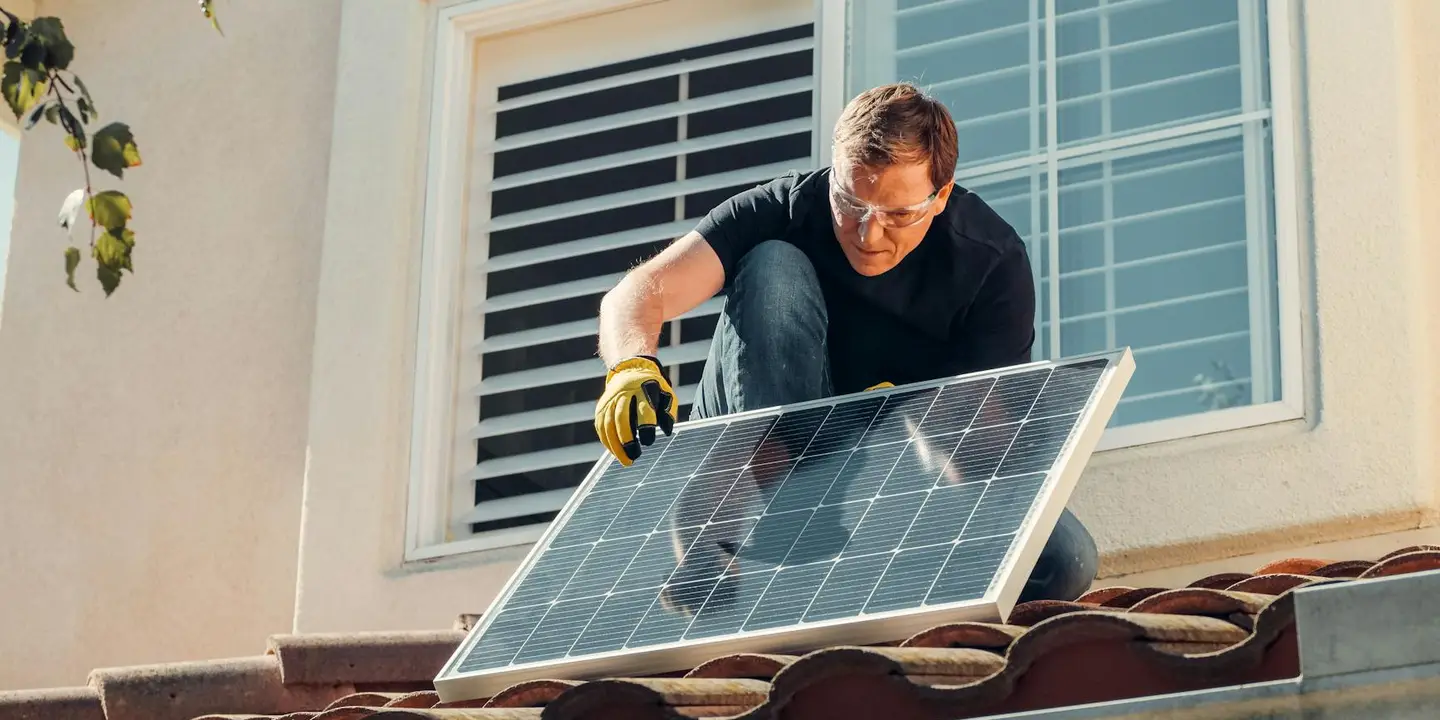
Think of your roof like a boat. It needs regular, scheduled checkups to stay seaworthy. This seasonal log is your best tool for extending its life against the harsh coastal elements.
I keep a similar checklist for my own home. It stops small problems from turning into big, expensive ones.
Spring (Post-Winter Check)
After the last of the winter storms have passed, it’s time for a thorough walkaround. This check fixes what winter broke.
- Clear all debris from valleys and gutters. Wet leaves and pine needles hold moisture and salt against the roof, speeding up rot and corrosion.
- Inspect for winter storm damage. From the ground with binoculars, look for shingles that are curled, cracked, or completely missing. Check where different surfaces meet, like around chimneys, for flashing that looks bent or lifted.
- Trim back any new tree growth. Branches that scrape the roof in the wind will grind salt and grit into the surface, wearing it down prematurely.
Late Summer (Pre-Storm Season Prep)
This is about battening down the hatches before the fall and winter winds pick up. Your goal is to make everything secure and watertight.
- Clean gutters and downspouts a second time. Ensure water is diverted at least 10 feet away from your home’s foundation to prevent pooling and erosion.
- Perform another visual ground-level inspection. Look for any issues that have popped up over the summer, like new stains or moss growth in shaded areas.
- Secure any loose equipment. Go outside during a windy day and watch. If a satellite dish or antenna is wobbling, the mounting hardware is likely corroding. Get it tightened or replaced before it becomes a projectile.
Professional Service Intervals
Even with diligent care, some problems hide from the untrained eye. Schedule a professional roof inspection every 3 to 5 years. A good roofer will check fastener tightness, underlayment condition, and subtle corrosion you might miss.
Don’t wait for the scheduled inspection if you see trouble. Call a pro immediately for any suspected leak, widespread moss or algae you can’t control, or if you see significant rust spreading on metal components. On a coastal roof, acting fast is cheaper than a full replacement.
Frequent Coastal Roof Questions, Answered
Over the years, I’ve heard the same smart questions from homeowners on the coast. Here’s my straight talk from the jobsite.
How often should I clean my roof near the ocean?
It depends on your tree cover and roof material. In heavy shade with organic debris, you might need a gentle cleaning every 2-3 years to prevent organic growth. In full sun with less debris, you can go longer. The key is to never let a thick layer of damp, salty grime sit on the roof for years. For most homes, a visual check during your spring or late summer routine will tell you when it’s time.
Can I pressure wash my coastal roof?
My answer is almost always no. High pressure drives water up under the shingles, destroys the protective mineral granules on asphalt, and can crack clay or concrete tiles. It does more harm than good. If mold is involved, safely cleaning asphalt roof shingles with a low-pressure approach is crucial. The safe alternative is a soft wash performed by a professional. They use specialized low-pressure systems and cleaning solutions designed for roof materials to kill growth without damaging your roof.
Will my roof warranty cover coastal damage?
You must read the fine print. Many standard manufacturer warranties have specific exclusions for “marine environments” or “coastal exposure.” They might argue that salt air is a foreseeable condition, not a defect. When installing a new roof in a coastal zone, seek out materials and contractors who offer warranties that explicitly cover the coastal environment. Don’t assume you’re protected.
What’s the best roof for a coastal home?
You want materials that laugh at salt and shrug off wind. Here’s my quick comparison from the field:
- Standing Seam Metal: My top pick for durability. Properly coated aluminum or steel resists corrosion incredibly well. The interlocking seams handle high winds beautifully.
- Concrete Tile: Excellent in salt air and very heavy for wind resistance. Ensure the underlayment and fastening system are rated for coastal high-wind zones.
- Premium Asphalt Shingles: Look for products specifically rated for “high wind” and “algae resistance.” They are a more affordable option but will have a shorter lifespan than metal or tile in the harsh coastal climate.
Quick Answers

I see white rust on my metal roof flashing. What’s my immediate move?
This is active corrosion. Light surface powder can be gently brushed off and the area treated with a marine-grade metal primer and paint. If you see pitting or flaking, call a pro to assess and replace the flashing with stainless steel or copper.
What’s a safe, DIY way to prevent moss on my asphalt shingles?
Install zinc or copper strips along the roof ridge. As rain washes over them, it disperses ions that inhibit growth. This is a good supplement, but for existing thick moss, hire a pro for a soft wash to avoid granule loss. For other roof moss removal methods, consider safe options like chemical treatments or light mechanical cleaning.
A storm lifted a few shingles. Can I temporarily seal them?
Yes, but only as a very short-term fix until a pro can repair it. Carefully apply a generous bead of roofing cement under the lifted tab and press it down firmly. Do not use general-purpose caulk, as it will fail quickly.
Your Blueprint for Coastal Roof Resilience
Make a habit of inspecting your roof every six months for salt crust and wind-lifted edges to stop small problems from growing. Pair this routine with materials like stainless steel fasteners and cementitious tiles to give your roof a fighting chance against the sea air.
Your roof’s longevity depends on your hands-on care and a steadfast commitment to safety during every inspection and repair. Keep building your knowledge with trusted resources on roof care, from guides for all types of roofs to maintenance strategies that fit your coastal home.
Sources and Additional Information
- What is the Best Roofing Material for Coastal Homes
- What You Need to Know About Your Coastal Home’s Roof
- Armored Coast | Superior Corrosion Resistance for Coastal Roofing
- Home | Strengthen Your Coastal Roof
- Roofing in Tough Climates: Coastal Edition
- Choosing the Best Roofing Materials for Your Beach House Roof
Ray Huffington
Ray is an experienced roofer. He has worked as a general contractor in the roofing industry for over 15 years now. He has installed and repaired all kinds of roofs, from small houses to large mansion, and from basic shingles to cement and metal roofs and even solar roof panels. He has seen homeowners struggle with roofing questions and always has experience based proven advice to help those in need. If you need roof pros, Ray's your guide.