
Do Solar-Powered Attic Fans Really Save You Money? A Roofer’s Take.
You’ve seen the ads promising lower energy bills and a cooler house, but is a solar attic fan worth the upfront cost? From my two decades on the roof, I can tell you the savings aren’t automatic. This article will show you exactly when they pay off and when they’re a waste of your cash.
I’ll explain how they’re supposed to work, break down the real math on energy savings, and give you the installation red flags I’ve learned to spot.
How Your Attic Affects Your Wallet and Your Roof
Your attic is not just empty space. It directly controls your home’s temperature and your roof’s health. I call this the attic connection.
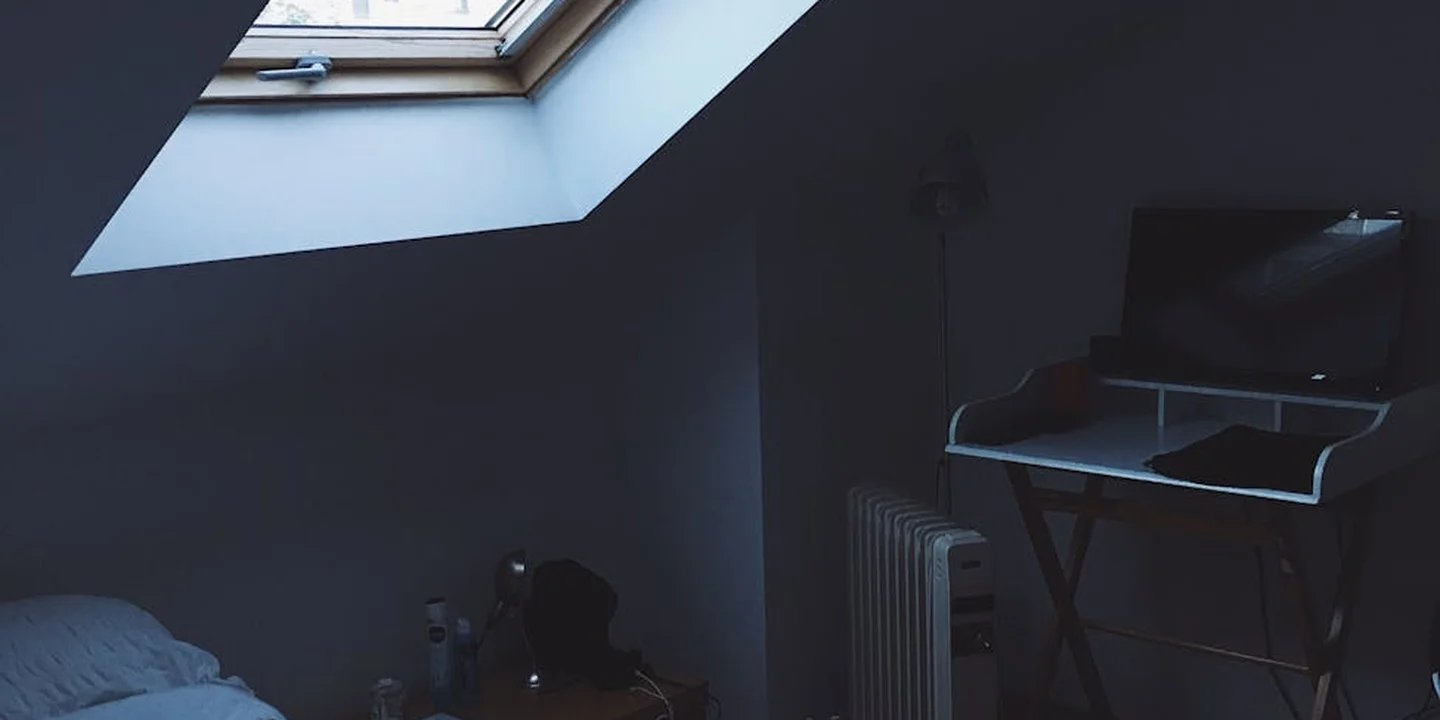
On a summer afternoon, your attic can bake like an oven. I’ve measured temperatures over 140 degrees. That heat soaks through your ceiling drywall. Your air conditioner now has to cool a living space with a heated blanket on top of it, which spikes your energy bills. One crew I worked with saw a 15% drop in cooling costs after we improved attic ventilation.
Moisture is another big problem. Warm air from your house rises into the attic every day. In winter, that moist air hits the cold roof deck and turns to water. This condensation slowly rots the wooden sheathing your shingles are nailed to and soaks your insulation, making it much less effective. I’ve replaced too many spongy, blackened roof decks that started with a simple moisture issue.
Good attic ventilation works passively. Vents under the eaves let in cool air. Vents at the ridge let hot, moist air escape. This natural flow doesn’t need any power. The goal is a constant, gentle exchange of air to match the attic temperature with the outside air and keep everything dry, known as balanced attic ventilation.
Remember this. Installing any attic fan, solar or not, means adding an active machine to fix a problem that a passive system should handle. It’s like using a fan to dry a flooded floor instead of first stopping the leak. You might move air, but you haven’t solved the root cause.
Solar Attic Fans Explained: What They Are and How They Work
A solar attic fan is a round or square unit installed directly on your roof slope. It has three key parts: a small solar panel on top, an electric motor just below it, and a fan blade inside a metal housing that sits through a hole in your roof.
How it works is simple. Sunlight hits the panel and creates electricity. That electricity spins the motor and the fan. The fan pulls hot air from your attic and pushes it outside. Basically, the hotter the sun gets, the harder the fan works to remove that heat.
Think of it like the vent on your car’s sunroof. You pop it open to let hot air escape while you drive. A solar attic fan does the same job, but it’s powered by the sun and mounted on your house. There’s no wire to your electrical panel and no monthly cost to run it.
There is a major limitation, though. These fans only operate when the sun is shining directly on them. They stop at dusk and won’t run on cloudy days or in the early morning. This works well for afternoon heat, but it does nothing for moisture that builds up overnight. I inspected a home where the solar fan was great for summer heat, but winter moisture still condensed on the nails every morning because the fan was idle.
The Sales Pitch vs. The On-The-Roof Reality
You’ve heard the promises. They sound great. But after installing a few dozen and then being called back to fix the problems they caused, I see things differently.
The sales pitch usually hits these three points:
- Lower AC Bills: They claim to drastically cut your summer cooling costs by removing hot attic air.
- Longer Roof Life: They say reducing heat and moisture prevents shingle deterioration and roof deck rot.
- “Free” Operation: They highlight the solar panel, meaning no added electricity cost.
Let’s take those apart one by one.
The Reality of Lower AC Bills
Do they effectively reduce cooling costs? The honest answer is maybe a little, but rarely enough to notice on your bill.
In an old home with a sweltering, poorly sealed attic and minimal passive vents, a solar fan might move some stagnant air. It can create a slight difference. On a modern home with a well-ventilated attic, the effect is negligible. Your attic needs balanced ventilation. Passive intake vents (soffits) and exhaust vents (ridge) already work together using natural convection. A powerful fan disrupts this balance.
The Roof Life Promise
Heat alone isn’t the primary killer of asphalt shingles. UV radiation is. A slightly cooler attic doesn’t stop the sun from baking your roof surface. Regarding moisture, a fan can help, but only if the moisture is coming from inside the attic itself. The big risk is when the moisture gets pulled into the attic from your house, which leads to the real problem, such as mold growth on shingles.
The “Free” Operation Myth
This one is technically true. The sun powers the fan. But “free” ignores the initial purchase and installation cost, which is substantial. It also ignores potential repair costs if the unit fails or the roof seal leaks.
The Negative Pressure Problem
This is the issue we see most on service calls. An attic is not a sealed box. It’s connected to your living space through small gaps: light fixtures, plumbing vents, ceiling hatches, and wiring holes. This is why proper attic ventilation is crucial for maintaining a healthy home environment.
A solar attic fan is often too powerful for the passive intake vents (your soffits) to keep up. It starts to starve for air. To keep running, it pulls air from the path of least resistance-those gaps in your ceiling. It’s now sucking the cool, air-conditioned, and humid air from your living room right into the attic.
In winter, or on cool nights, that warm, moist air hits the cold roof deck and condenses. You get water droplets raining down on your insulation and wood. This creates mold and rot. I’ve seen this damage firsthand. You installed a fan to protect your roof, but you created the perfect conditions for it to rot from the inside out. That’s why roof ventilation and attic airflow matter—the right balance keeps shingles dry and the attic mold-free. When ventilation is poor, condensation fuels mold and wood rot behind the shingles.
Cost Breakdown: Purchase, Installation, and The Long-Term Math
Let’s talk numbers. This is where the idea often falls apart for most homeowners.
Cost of the Unit
You’re looking at a wide range:
- Low-End: $300 – $500. These are often lower CFM (airflow) models with smaller panels and basic construction.
- Mid-Range: $500 – $800. The most common tier, with better motors and larger solar arrays.
- High-End: $800 – $1,200+. Commercial-grade units with premium components and higher airflow ratings.
Cost of Professional Installation
This is not a DIY project for most people. You are cutting a large, square hole in the middle of your roof’s field. A proper installation requires:
- Carefully removing shingles.
- Cutting the roof deck.
- Installing the fan with a watertight, integrated flashing kit.
- Re-shingling around it perfectly.
For this skilled roofing work, expect to pay between $600 and $1,200 for labor, on top of the unit cost. Your total installed investment typically starts at $1,000 and easily climbs to $2,000. This is especially true for metal roofs, which tend to be priced per square foot.
The Payback Period (The Real Math)
Let’s do conservative, realistic math. Assume the total installed cost is $1,500.
Optimistic sales material might claim 10-30% savings on cooling. In reality, based on field studies and energy audits, the actual savings for a typical home are often in the 2-5% range. For a $300 summer cooling bill, that’s $6 to $15 per month, or about $50 per cooling season.
At $50 per year in savings, it would take 30 years to “pay back” your $1,500 investment. That’s far longer than the life of the fan or your roof. The payback period is almost always longer than the product’s useful life. For the vast majority of homes, it’s a poor financial investment.
A Better Use of Your Money
If your goal is lower bills and a healthier attic, your money is almost always better spent on air sealing and adding insulation at the attic floor.
Spend that $1,500 on a professional energy audit and air sealing. They will find and seal those gaps where your conditioned air is leaking into the attic. Then, top up your attic floor insulation to the recommended level for your climate. This work addresses the root cause: it keeps your house’s air in your house. Your AC runs less, your bills go down meaningfully, and you prevent moist indoor air from ever reaching the cold roof deck. It’s a permanent solution, not a band-aid that might cause new problems.
Solar Fan vs. Electric Fan vs. Passive Vent: A Roofer’s Comparison
Let’s break down your main options. Think of it like choosing a cooling system for your attic.
For 8 out of 10 homes I inspect, fixing or installing a proper passive system solves the issue without adding motors, holes, or electric bills.
Should You Install One? A Simple 4-Step Checklist
Before you cut a hole in your roof, run through this checklist. Please be safe. If you go into the attic, always step on the wooden joists or use a solid, wide board laid across them. The insulation hides dangerous gaps.
-
Check Your Existing Ventilation.
Go outside first. Look up at your soffits (the underside of your roof overhang). Do you see vent strips or perforations? Are they completely blocked by paint, dirt, or insulation? Now look at your roof peak. Do you see a ridge vent running its entire length? If you have box vents or turbines instead, count them. A good passive system needs clear, open intake (soffits) and adequate, continuous exhaust (ridge is best).
Most attic heat problems start right here, with blocked or missing vents.
-
Check Attic Floor Sealing and Insulation.
This is the most overlooked step. In the attic, look down at the floor. That’s your ceiling. Can you see gaps around light fixtures, plumbing pipes, or the chimney? Can you feel drafts? These are huge leaks letting your expensive cooled air escape. Next, check the insulation depth. Is it deep and even, or thin and patchy? Your goal is to seal the attic floor completely and insulate it deeply. This keeps your house’s air in your house.
Adding a fan won’t fix a leaky, under-insulated attic floor. It will just pull more conditioned air out of your home.
-
Assess the Real Problem.
On a hot, sunny afternoon, go into the attic with a thermometer. A properly vented attic will be hot, often 120°F or more. That’s normal. The question is: is that heat transferring into your living space? If your upstairs rooms are unbearable and your AC runs constantly, you might have an issue. If it’s just warm up there, that’s likely okay. Attics are designed to be hot; your living space should not be.
-
Consult a Pro.
If you’ve done the first three steps and still believe you need active ventilation, call a professional. Don’t call a solar fan salesman. Call a BPI-certified energy auditor or a roofing contractor who really understands attic science. They can perform diagnostic tests, measure air flow, and calculate your exact needs. They’ll tell you if you need more passive venting, better insulation, or, in rare cases, a powered fan.
Cutting a new hole in your roof is a permanent decision. Get an expert opinion first.
If You Buy One: Installation and Maintenance Must-Knows

Installation is a Roofing Job, Period
Let’s get this straight from the start. Putting in a solar attic fan means cutting a hole in your roof and creating a perfect, permanent seal around it. This is not a weekend DIY project for most homeowners, and trying to save money here is the fastest way to a major, expensive leak.
I’ve been called to fix several DIY fan jobs. The problem is almost always the flashing, the metal piece that seals the unit to the roof deck. A pro doesn’t just slap it down. They weave it correctly under the shingles above and over the shingles below, sealing every nail hole with roofing cement. If that’s not done with expertise, water will find its way in.
Hire a licensed, insured roofing contractor to install it. They know how to match the flashing to your specific shingle profile and will warranty their work against leaks.
Your Yearly Maintenance Checklist
Once it’s installed correctly, these units are fairly low-maintenance. But “low” doesn’t mean “zero.” A quick check once a year can prevent a small issue from becoming a big repair.
Do this in the spring, before the hottest weather hits:
- Look at the roof flashing. From the ground with binoculars or safely from a ladder, check for any cracks in the sealant or visible gaps where the flashing meets the shingles.
- Clean the solar panel. Dust, pollen, and bird droppings can block sunlight. Wipe it gently with a soft cloth and water. Don’t use abrasive cleaners.
- Listen to the fan. On a sunny day, the fan should be running. It should have a smooth, quiet hum. Any grinding, screeching, or rattling is a sign of trouble.
Setting a calendar reminder for this 10-minute check can double the life of your fan.
Common Problems I’ve Seen on the Roof
Even the best equipment can fail. Knowing what to listen and look for helps you act fast.
- Seized Bearings: This is the most common mechanical failure. Attics are dusty, and that dust gets into the fan motor’s bearings. You’ll hear a loud grinding noise or the fan won’t spin at all. The unit usually needs replacement.
- Cracked Solar Panel: Hail or a fallen branch can crack the panel. If it’s cracked, it won’t generate enough power to run the fan. A visual inspection will reveal this.
- Wiring Disconnect: The wire from the panel to the fan can work loose or get chewed by pests. The panel looks fine, but the fan doesn’t run, even in full sun.
- The Ever-Present Leak: This isn’t a fan problem, it’s an installation problem. If you see water stains on your attic ceiling near the fan, the flashing seal has failed. This is why hiring a roofer with a workmanship warranty is non-negotiable.
## Common Questions
When does a solar attic fan actually make sense?
Only if your attic has a severe, proven heat problem that cannot be solved by first clearing your existing passive vents and adding more insulation at the attic floor. For 90% of homes, improving the passive system and air sealing is a smarter, more effective investment in roof ventilation.
What’s the biggest installation mistake you see?
Homeowners hiring a general handyman instead of a licensed roofer. Cutting a hole in your roof’s field requires expert flashing work to prevent leaks-this is roofing work, period. Always ensure the installer provides a long-term workmanship warranty on the seal.
Do they need much upkeep once installed?
Very little, but don’t ignore it. Once a year, clean the solar panel and listen for unusual grinding noises from the fan motor. Visually check the roof flashing from the ground for any cracks in the sealant.
Your Roof’s Ventilation Decision
I tell every client to prioritize a healthy attic over any quick fix. If you choose a solar fan, a professional installation is non-negotiable for protecting your shingles and your wallet.
You hold the responsibility for your roof’s long-term performance. Make safety and continuous learning about roof care the foundation of all your maintenance choices.
Expert Resources and Citations
- r/HomeImprovement on Reddit: Does a Solar Attic fan really save money on electricity?
- Solar-Powered Attic Fan: Is It Worth the Investment?
- QuietCool Smart Attic Fans – Gable, Roof & Solar – QuietCool Systems
- Just how much can a solar attic fan save you? | iSolar Solutions
- Guide to Solar Attic Fans & Ventilation | The Solar Guys
- Are Solar Fans Worth It? | Energy Attic
- Best Solar Attic Fans, Solar Attic Exhaust Ventilation Fan Products
Ray Huffington
Ray is an experienced roofer. He has worked as a general contractor in the roofing industry for over 15 years now. He has installed and repaired all kinds of roofs, from small houses to large mansion, and from basic shingles to cement and metal roofs and even solar roof panels. He has seen homeowners struggle with roofing questions and always has experience based proven advice to help those in need. If you need roof pros, Ray's your guide.