
Why Does Your Chimney Stink in Summer? Real Causes and Permanent Fixes
Does a strange, smoky smell creep into your house every time the weather gets hot and humid? I’ve answered this call from homeowners for years. That odor is a common warning sign, not a mystery you have to live with.
I’ll show you the real reasons your chimney smells in summer, explain why blaming rain is a myth, and give you the permanent repair strategies I trust from my own tool belt.
Key Takeaways
- Seal the chimney top with a proper, fitted cap. This blocks rain, debris, and animals, which are the most common causes of summer smells.
- Schedule a professional flue cleaning. Soot and creosote left from winter fires will create a sharp, acidic odor when the humidity rises.
- Verify your attic ventilation is working. Good airflow reduces the humid, stagnant air that leads to musty chimney odors.
- The smell is just a symptom of a maintenance issue. A permanent fix always involves repairing or maintaining part of your roof or chimney structure.
How to Diagnose Your Summer Chimney Smell
Start with the simplest tool you have. Your nose. I ask every homeowner to describe the smell to me over the phone. It tells me most of what I need to know before I even get on your roof.
- A musty, damp odor like wet cardboard or a basement. This is almost always a water problem. I see it most often with cracked chimney crowns or missing caps that let summer rain seep into the masonry.
- A sharp, acidic smell that reminds you of a campfire or tar. This is classic creosote. The heat and humidity of summer make leftover soot and tar in your flue “sweat,” releasing that pungent odor into your house.
- A foul, rotten scent that suggests decay. This usually means an animal has entered the chimney, often to nest, and may have died there. I’ve cleared out nests that caused this smell for weeks.
Once you have a guess on the odor, do a safe check from the ground. Never climb onto the roof for a casual look. Use a pair of binoculars.
- Look straight up at the chimney top. Is the metal cap missing, bent, or full of leaves?
- Examine the chimney crown, the concrete slab on top. Do you see any visible cracks or chunks missing?
- Can you spot any debris like twigs or nesting material sticking out of the flue opening?
This quick visual check links the odor to its source. A musty smell plus a cracked crown means you need masonry work. An acidic smell with a clear cap points to a dirty flue. An animal smell with visible debris means a blockage needs clearing.
The “Rainy Day Odor” Myth (And The Real Problem)
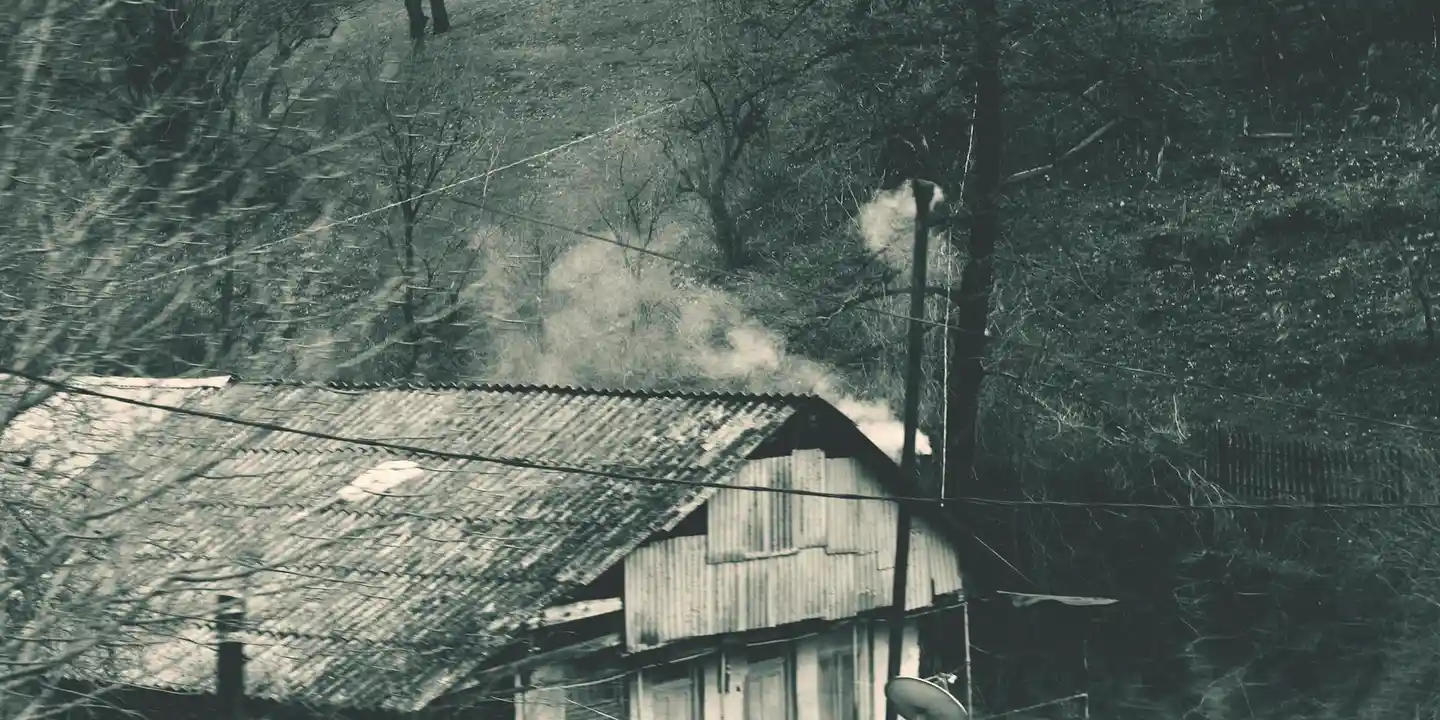
Many homeowners tell me the smell only happens when it rains. I hear this story every summer.
Rain does not create the smell inside your house. It only amplifies a problem that’s already there.
Your chimney collects soot, dust, and organic debris over the winter. These materials are absorbent. When rain falls, water trickles into the chimney and dampens this layer of grime. To prevent rain water from entering the chimney, consider installing a cap and ensuring proper flashing. Keeping the top sealed helps protect the interior and reduces grime buildup.
The real trigger is summer air pressure. Hot air in your attic rises and creates a vacuum, pulling air up from your living spaces and straight out the chimney. This suction pulls the damp, musty air from the chimney flue down into your home.
Think of your chimney like a straw stuck through your roof. On a sweltering day, the heat creates a strong suck on the straw. The rain just adds water to whatever is sitting in the bottom of the straw, making it smell a lot worse when the suction starts. This is exactly why chimney leak repair and waterproofing matter. It helps keep moisture from seeping in and causing bigger problems.
The Real Root Causes on Your Roof and Chimney
The Critical Leak Point: Chimney Flashing and Structure
On most repair calls, the trouble starts where the chimney meets the roof. This junction is vulnerable.
Cracked mortar joints, a crumbling chimney crown, or-most critically-failed metal flashing let water pour into the chimney structure.
Brick and mortar are like sponges. Once water gets in, it soaks deep and stays wet for a long time. This constant dampness breeds mildew and a persistent earthy odor.
This is not just a smell issue. It is an active roof leak that can rot your roof deck and damage your attic. I’ve seen it lead to costly structural repairs. Addressing this leak is your first and most important job.
Blockages and Buildup Inside the Flue
The inside of your flue can hide the source of the smell. It’s dark and often ignored.
Old birds’ nests, packed leaves, and a glazed layer of creosote act like a damp sponge, trapping moisture and slowly decomposing. This creates a powerful, musty stench.
Creosote is a hard, shiny coating from burning wood. It smells terrible when wet and is highly flammable. You need a certified chimney sweep to remove this safely. A good cleaning solves the odor and dramatically reduces your risk of a chimney fire.
The Attic Connection: Ventilation and Air Pressure
Your attic’s condition directly affects how chimney smells enter your home. A hot attic is a powerful engine.
When your attic overheats due to poor ventilation, it supercharges the “stack effect.” This is the scientific term for hot air rising. It pulls cooler air from your house upward to replace it, and that air has to come from somewhere-often your chimney.
Proper ventilation creates a balanced flow. Cool air enters through soffit vents under the eaves. Hot air exits through ridge vents at the peak. This steady flow reduces attic temperature and pressure, which weakens the suction pulling smells from the chimney. It also helps prevent chimney drafts and backdrafts. This reduces odors and heat loss.
Fixing attic ventilation does more than curb odors. It protects your roof from heat damage and helps control your cooling costs all summer long. Proper ventilation is key to maintaining a healthy roof.
Permanent Fixes: From Top to Bottom
Step 1: Seal the Top (The Most Important Fix)
Start at the very top. On most service calls for chimney odors, I find a missing or cheap cap. Your first move should be installing a quality, multi-flue chimney cap with a stainless steel mesh screen.
A proper cap solves multiple problems at once by acting as a barrier and a vent.
- It keeps rain, leaves, and animals like birds or raccoons from getting inside.
- It allows the chimney to draft correctly, pulling odors up and out instead of into your house.
- It contains sparks, which is a basic fire safety step many older chimneys lack.
Think of the chimney crown or the chase cover on a factory-built chimney as its own tiny roof. If this concrete crown is cracked or the metal cover is rusted, water has a direct path in. Sealing this top is your most critical fix.
Step 2: Waterproof the Chimney Structure
Your chimney bricks are porous. They wick water right down into the flue. You need a professional-grade, breathable waterproofing sealer. This is not paint. Paint can trap moisture inside the masonry and cause spalling, where the brick surface crumbles.
The flashing where the chimney meets your roof is the number one leak point I repair. Old tar or cheap caulk fails. This joint needs a roof-grade, flexible sealant or, for a lasting job, new metal flashing worked under the shingles and up the chimney side. A chimney flashing repair guide provides a quick, practical walkthrough. It covers sealant choices, flashing installation, and inspection tips.
Framing this as simple maintenance misses the point. It is non-negotiable roof protection. Ignoring it leads to rotted roof decking and attic framing, which costs thousands to fix.
Step 3: Professional Cleaning and Inspection
You need a certified chimney sweep. Call them annually if you use your fireplace. If it’s rarely used, have them out every two to three years. Soot and creosote buildup absorb moisture and cause that sour smell, especially in stainless steel chimney flues and liners.
A thorough cleaning by a certified professional removes flammable creosote, clears animal nests or debris blockages, and provides a written condition report. This report will note cracks in the flue liner or mortar joints you can’t see from the ground.
This step is a core safety practice for your home. Fixing the odor is a positive side effect. A clean chimney drafts better and is far less likely to start a fire.
Step 4: Manage Indoor Air Flow
You can help the situation from inside your house. In the humid summer months, try cracking a window in the same room as the fireplace. This equalizes air pressure and can stop the chimney from acting like a vacuum pulling indoor air up.
Feel for a draft at the fireplace opening. Ensure the damper closes tightly. A warped or loose damper lets moist basement or crawl space air rise into the chimney.
Your home’s overall ventilation plays a supporting role. A hot, poorly ventilated attic can push warm, moist air into the chimney chase. Check that attic soffit and ridge vents are not blocked by insulation. This is a long-term strategy for a healthier roof system.
What Not to Do: Temporary Tricks vs. Lasting Solutions
Do not try to mask the smell. Placing scented candles or a box of baking soda in the firebox is like putting air freshener in a damp basement. It ignores the root cause, which is water where it shouldn’t be.
Avoid DIY chemical “creosote remover” sprays if you haven’t had a professional cleaning. These can be corrosive to metal liners and often only turn glazed creosote into a flaky mess that still needs to be physically removed. They are not a substitute for a sweep.
Never seal the fireplace opening with plastic sheeting or tape. This traps moisture inside the chimney flue. Trapped moisture accelerates rust in metal liners and decay in masonry, creating a bigger repair bill.
That summer smell is not a minor nuisance. It is a clear signal of water intrusion on your roof. Ignoring it means ignoring active damage to your chimney structure, attic, and home interior. Permanent fixes address the water, not just the odor.
Common Questions
What type of chimney cap should I buy?
Get a professionally fitted, multi-flue cap with stainless steel mesh. An off-the-shelf model often doesn’t seal correctly, leaving gaps for water and pests.
How often should I clean my chimney if I barely use my fireplace?
Schedule a professional inspection and cleaning at least every three years. Soot, debris, and moisture still accumulate, causing odors and potential blockages.
Can I check my attic ventilation myself?
From the ground, look for soffit vents under your eaves and ensure they’re not blocked. For a true assessment, hire a roofer to evaluate the intake and exhaust balance; improper airflow is a common culprit.
Your Roadmap to a Odor-Free Chimney
A smelly chimney is a fixable problem, not a permanent nuisance. Start by installing a proper chimney cap and checking for moisture traps to solve it for good. If the odor continues or you notice damp spots, diagnose the leak to pinpoint the fix. Then follow the needed repairs to stop the leak.
Make chimney inspections a non-negotiable part of your annual roof care routine. Understanding your roof’s specific needs is the key to a safe, durable, and fresh-smelling home for years to come.
Deep Dive: Further Reading
- How to Fix Chimney Smell in the Summer
- Does Your Fireplace Smell in the Summer? Here is What to Do About It.
- Why Does My Chimney Smell In The Summer? | Brick + Ember Outfitters | Indiana
- How To Combat Summertime Chimney Odors – St. Louis MO – English Sweep