
Why Is My Chimney Smoking? How to Fix Draft Problems Fast
Have you ever lit a fire only to watch smoke roll back into your living room instead of floating up the chimney? That frustrating moment is a clear sign your chimney isn’t drafting properly.
If your fireplace fills the house with smoke or strange odors, it’s not just an annoyance. It’s a sign your chimney system is out of balance, and fixing it is almost always possible. I’ve fixed this on dozens of jobs by tracking down one of a few common culprits.
We’ll cover how to fix a downdraft pushing smoke indoors, clear hidden blockages killing your draft, and check if your chimney is simply too short or too wide for your fireplace.
Key Takeaways
- Your chimney must be tall enough to clear the roof ridge. If it’s too short, wind turbulence will force smoke back into your home.
- A proper chimney cap is your first line of defense. It stops rain, debris, and animals from blocking the flue while allowing smoke to exit freely.
- Always burn dry, seasoned wood. Wet wood creates a cool, smoldering fire that lacks the heat to establish a strong draft.
- A clean, clear flue is non-negotiable for safety and function. Creosote buildup or nests can completely choke off the draft and pose a severe fire risk.
- Inspect the roof flashing and consider attic air pressure. Leaks at the chimney base can cool the structure, and an airtight house can starve the fire of oxygen.
Remember, a smoking chimney is a warning sign for carbon monoxide danger. For any suspected blockage or structural issue, hire a certified professional for an inspection before you light another fire.
Chimney Draft 101: How It’s Supposed to Work (And Why It Fails)
Imagine your chimney as a stovepipe for your house. Light a fire, and the air in the flue gets hot. Hot air rises. This simple movement, called the stack effect, creates a suction that pulls smoke up and out. It’s a natural elevator.
When this elevator breaks, you get drafts going the wrong way. Downdraft is when cold outside air gets pushed down the chimney into your living room. Backdraft is worse, with smoke puffing back into the house. Both mean the system has failed.
Let’s name the parts so we’re all talking about the same things.
- Flue: The inner tunnel smoke travels through.
- Damper: The metal door you open before a fire and close after to save heat.
- Chimney Cap: The metal hat on top with mesh sides. It keeps weather and critters out.
The weakest link is often where the chimney punches through the roof. We seal this joint with metal strips called flashing. If the flashing fails and leaks, water runs down the brick, soaking and cooling the chimney from the outside in. A cold chimney kills draft because the air inside can’t get hot enough to rise. I’ve fixed many draft issues by simply repairing a leaky flashing job.
So, do chimneys let cold air in? Yes, all the time. A cold, open flue acts like a siphon, pulling your warm indoor air straight up to the attic. That’s why you must keep the damper sealed tight when the fireplace is cold.
The Anatomy of a Roof Chimney
From the top down, here’s what you’re dealing with:
- Chimney Cap: The roof’s helmet. It deflects wind and blocks entry points for birds and leaves.
- Crown: The sloped cement top that sheds water away from the flue opening.
- Flue Liner: The smooth interior surface, made of clay or metal, that guides smoke up efficiently.
- Smoke Chamber: The tapered space above the firebox that compresses smoke into the flue.
- Damper: The control valve. It sits right above the firebox.
- Firebox: Where the logs burn.
From the roof, two things matter most. First, the flashing: it’s custom-bent metal (I prefer copper or galvanized steel) that creates a watertight seal between chimney masonry and roof shingles. If it’s installed wrong, you’ll get leaks that undermine everything. Second, height. Code says the chimney top should be at least 2 feet higher than any part of the roof within 10 feet. If it’s shorter than the ridge, the roof itself can block the wind and cause downdraft.
Cap styles matter. A basic mesh cap works fine. In windy valleys, I’ve installed taller, draft-inducing caps that use the wind to pull extra suction.
The Attic Connection: How Your House Breathes
Your fireplace needs to breathe, and so does your house. In today’s well-sealed homes, that’s a conflict. If your house is too airtight, lighting a fire can suck all the available oxygen out of the room, creating negative pressure that pulls smoke back down the chimney.
Attic ventilation is part of this dance. Proper soffit and ridge vents keep attic air fresh and dry. A hot, muggy attic can warm the chimney shaft, robbing you of the temperature difference that makes the stack effect work.
Then there’s simple heat loss. An uninsulated chimney brick running through a cold attic is a giant heat leak. This constant escape of warm air makes your heating system work overtime and leaves the flue stone-cold, which makes starting a clean draft much harder. Adding insulation around the chimney chase in the attic (we look for high R-values) stops this waste and helps your fireplace perform better.
Why Is My Chimney Smoking? The Most Common Culprits
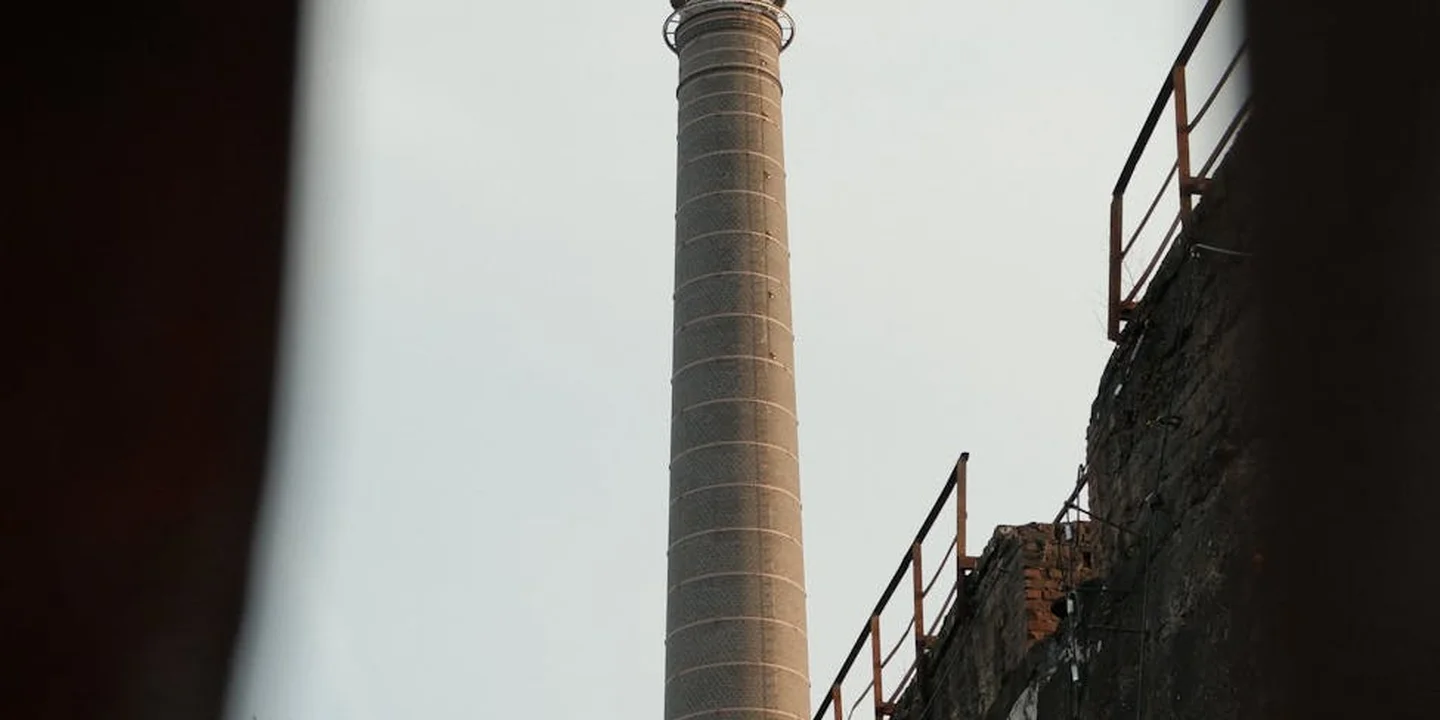
Smoke backing into your room is a clear sign something is wrong with your chimney’s draft. Think of this as your diagnostic checklist to run through before calling for help. I’ve used this same list on service calls for years.
- Is the chimney flue cold and full of heavy air?
- Is the flue blocked by soot, a nest, or leaves?
- Is the wind or your roof’s design pushing air down the chimney?
- Is the chimney itself too short to create a good draft?
- Is the chimney cap missing, broken, or working against you?
Let’s walk through each one so you can identify your issue.
Cold Flue Syndrome: The #1 Draft Killer
Imagine trying to start a siphon with a dry hose. The air inside blocks the water. A cold chimney works the same way. The dense, cold air inside the flue acts like a plug, stopping warm smoke from rising. This is why you often get smoke roll-in when you first light a fire after a cold spell.
Can cold air come down a chimney? Yes, it constantly does when the flue is cooler than the outside air, and it destroys the draft completely.
Here’s my crew’s go-to fix. Before lighting your main fire, take a single sheet of newspaper, roll it tightly, and light one end. Hold this flaming torch up inside the fireplace, near the damper opening, for a minute. This simple pre-heat warms the flue liner and gets the draft moving in the right direction, up and out.
Blocked or Dirty Chimney Flue
Even a warm flue won’t draft if it’s clogged. The usual suspects are creosote glaze, bird nests, and piles of leaf debris.
Creosote is a sticky, flammable tar that builds up from burning wood. It can shrink your flue’s opening to a dangerous narrow passage. I’ve seen nests block a flue so completely that no smoke could escape at all.
Watch for danger signs. If you see a few embers coming out of the chimney top, it often means sparks are hitting a blockage of creosote or debris, which is a major fire hazard.
My advice here is non-negotiable. Cleaning a blocked chimney is a job for a certified professional chimney sweep. They have the brushes, cameras, and expertise to do it safely. Trying to poke at it yourself can cause a collapse or fire. Don’t fall for any chimney cleaner’s myths.
Wind, Roof Design, and Downdraft
Wind doesn’t just blow across your roof. It flows over and around it, creating pockets of high and low pressure. If your chimney sits in a low-pressure zone, smoke gets pulled back down into your house.
Can the wind blow smoke back down a chimney? It happens all the time. On one job, a homeowner complained of smoke every windy night. The wind was hitting a tall tree and diving straight down their chimney flue.
Can wind blow down a chimney? Absolutely, creating a forceful downdraft. Your roof’s shape makes a big difference. A very steep roof slope can accelerate wind over the ridge. A nearby higher ridge from another house can deflect wind downward. These wind patterns are invisible, but their effect on your chimney draft is very real.
Chimney Height and Location Rules
Building codes have a simple rule to combat wind and draft issues. It’s called the 3-2-10 rule. Your chimney top should extend at least 3 feet above the point where it pierces the roof. It also needs to be at least 2 feet higher than any part of the roof structure (like a ridge) within 10 feet. These height rules are part of the broader chimney-height standards in building codes, especially those governing the chimney’s height above the roof peak. Following these codes helps ensure proper draft and reduces wind-related hazards.
A chimney that’s too short never clears the turbulent “wind shadow” of your roof, making downdrafts and smoking a constant problem. I’ve installed many chimney height extensions to solve this exact issue.
Chimney Cap Problems: Help or Hindrance?
A chimney cap should keep rain and animals out. But the wrong cap can cause trouble. A missing cap lets in water and blockages. A damaged one can collapse into the flue. A cap that’s too small or has a poorly designed screen can restrict airflow.
Can a chimney cap cause downdraft? It can if its design creates back-pressure. Do chimney caps affect draft? They absolutely do. A good cap should break the wind, not trap it.
For homes with persistent wind-related downdrafts, a specialized chimney cowl is the solution. Do chimney cowls stop drafts? They are designed to. A rotating cowl uses the wind’s energy to create an upward suction, actively pulling smoke out of the flue and stopping it from coming back down. I’ve recommended them for houses in windy valleys with great success.
How to Fix a Smoking Chimney and Downdraft
Grab your tools and work through these steps in order. You’ll need a good flashlight, a small mirror to see up the flue, and a sturdy ladder. Always use gloves and safety glasses.
Step 1: The Interior Inspection
Start inside. Find the damper-the metal plate inside your chimney throat that opens and closes. Make sure it moves freely and is opened all the way before you ever light a fire. A partially closed damper is a common reason for smoke filling the room.
Next, shine your flashlight up the chimney from the fireplace. Use your mirror to look for obvious blockages like a bird’s nest, a pile of leaves, or even a tennis ball from the kids. I’ve pulled out all of these.
Now, do a simple draft test. Light a smoke match or an incense stick and hold it up in the fireplace opening, right where the damper is. Watch the smoke. It should get pulled up into the chimney quickly and steadily. If it wavers, drifts back into the room, or just sits there, you have a draft problem.
Step 2: The Roof-Level Inspection (Safely)
This step requires caution. Your safety is more important than any chimney fix. Start from the ground with a pair of binoculars. Look at your chimney top. Can you see a cap? Is it lopsided or full of debris?
If you must use a ladder, make sure it’s on firm, level ground and extends at least 3 feet above the roof edge. Have someone spot you. Never work on a wet or icy roof. If you’re not comfortable, call a pro.
Up close, check the chimney cap. Look for rust holes, broken mesh on animal guards, or a cap clogged with pine needles and soot. This is like trying to breathe through a clogged straw.
Then, inspect the flashing-the metal strips where the chimney meets the roof. Run your gloved hand along the edges. Feel for gaps, cracks, or loose sections. Leaky, damaged flashing lets cold air pour down the sides of your chimney, chilling the flue and killing the draft. For a practical fix, you’ll want to consult a chimney flashing repair guide in the next steps. It’ll outline sealing methods and flashing repair tasks.
Step 3: Quick Fixes You Can Do Today
If your chimney is cold, it won’t draft well. The air inside is heavy and sinks. To fix this, pre-heat the flue. On a low setting, point a hair dryer or a heat gun up the chimney for a few minutes. This lifts that cold air out and starts the draft.
Modern houses are tight. When you run a bathroom fan or the kitchen range hood, it can suck air down the chimney. Always turn off all exhaust fans in the house before you light your fire.
The simplest fix is often to crack a window in the same room as the fireplace, just an inch or two. This gives the fire a source of combustion air so it doesn’t try to pull air down the chimney.
Step 4: Installing or Upgrading Your Chimney Cap
A good cap solves many problems. A basic mesh cap keeps animals and rain out. If you struggle with wind-related downdraft, you need a draft-enhancing cap or a rotating cowl. These are designed to use the wind to create lift, pulling smoke up and out even on breezy days.
Installing one is straightforward. Remove the old cap if there is one. Clean the top of the chimney crown. Set the new cap in place and secure it with the provided hardware, usually masonry screws or adhesive. The critical step is to seal the base of the cap to the crown with a high-temperature silicone caulk. This prevents water intrusion and stops wind from sneaking under the cap and into the flue.
Solving Chimney Odors: More Than Just a Smell
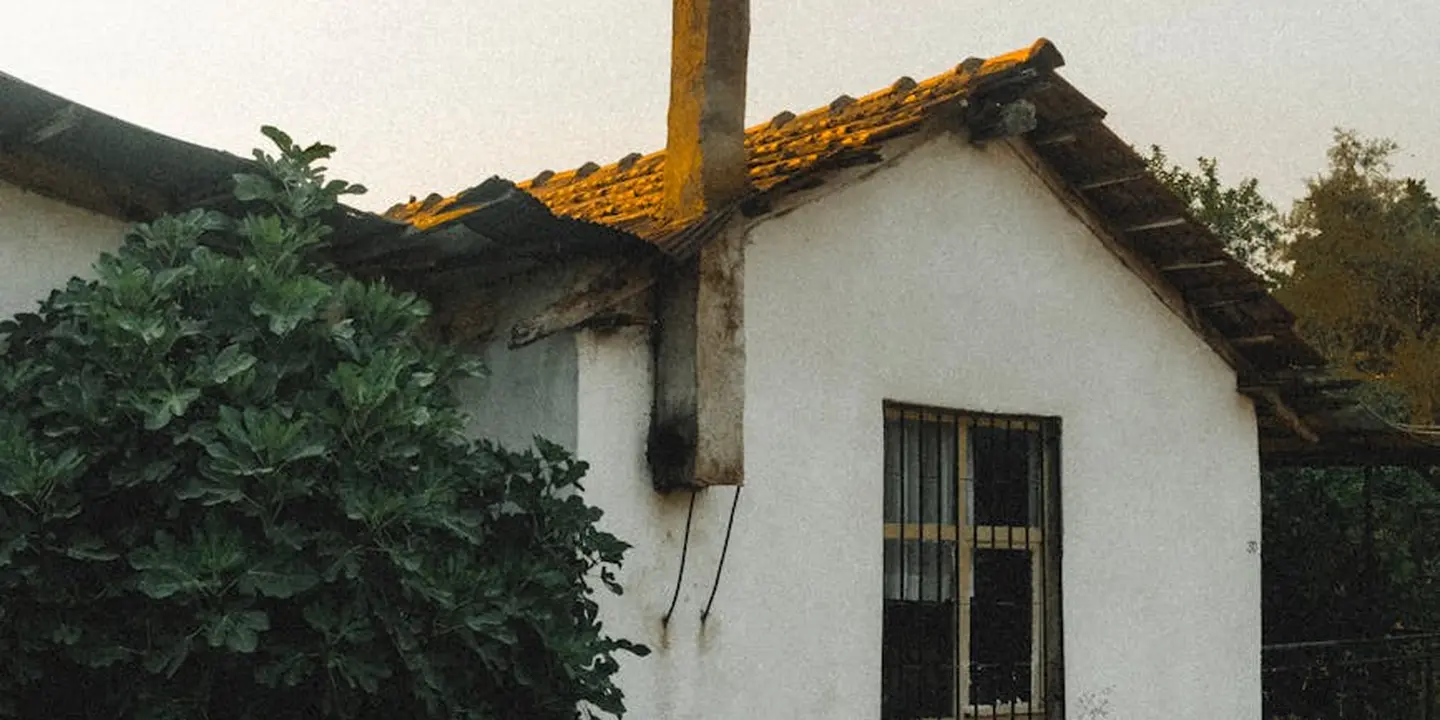
A bad smell from your fireplace is a warning, not just a nuisance. Think of it like a check engine light for your chimney. Chimney odors almost always point to two underlying issues: unwanted moisture or a draft that isn’t working right. That musty odor you notice on humid days is often a flashing leak letting water into your chimney system.
The Musty, Dank Smell: Water Intrusion
If your fireplace smells like a damp basement, you have a water problem. This isn’t an air freshener issue, it’s a roofing issue. That classic musty smell means water is getting past your roof’s defenses, almost always at the chimney flashing. On a recent inspection, a homeowner described this exact odor, and we found a 3-inch section of cracked counter flashing that was directing rain straight into the brick.
Water trickles down the flue liner and soaks into the soot and creosote inside. This creates a wet, acidic sludge. This acidic mix is what you’re smelling, and it actively eats away at your mortar and metal liners over time. You need to stop the water first. A roofer should check the cricket (the small roof behind the chimney), the step flashing, and the counter flashing seal. Only after that roof leak is fixed should you schedule a professional chimney sweep to clean out the mess.
Sour or Burned Smells: Creosote and Poor Draft
A sour, acrid, or ashy smell, especially when the fireplace isn’t in use, points to creosote. Creosote is a tar-like substance that condenses on your flue walls when smoke cools down too quickly. This happens because of a weak draft, often from a cold chimney or a blocked cap, which leaves behind sticky, smelly deposits.
Think of it like steam from a hot shower. If your bathroom is warm, the steam vanishes. If the room is cold, the steam condenses on your mirror and walls. A cold, drafty chimney does the same thing to your wood smoke. The fix here is to improve your draft to keep the flue warm and the smoke moving fast, followed by a thorough cleaning to remove the existing buildup. A chimney professional can remove dangerous creosote glazes that simple brushing can’t touch.
Stopping Chimney Heat Loss and Backdraft
Think of your flue as a giant, open hole that goes straight through your insulated house. When your fireplace is off, that hole acts like an open window. Warm indoor air gets sucked right up and out.
This creates a powerful draft. That draft pulls cold outside air down into your home through other cracks and gaps. Your heating system has to work overtime just to stand still. Fixing this draft stops two problems at once. It makes your home warmer and your chimney work better.
Sealing the Deal: Top-Sealing Dampers
Most older chimneys have a throat damper. It’s a metal plate inside the chimney, just above the firebox. You operate it with a lever or chain. The problem is, these dampers seal poorly. Even when closed, they let a lot of air sneak through.
A top-sealing damper is different. It installs at the very top of your chimney crown, acting like a tight lid on a pot. When you close it, the chimney is completely sealed from the weather.
Switching to a top-sealing damper is often the single most effective fix for a downdraft and for reducing household heat loss. It physically blocks cold air, rain, and animals from coming down the flue. I’ve seen these stop a smoking problem instantly on jobs where the chimney was just a little bit too short.
These dampers are opened with a stainless steel cable that runs down your flue to a handle mounted in your fireplace. You pull it to light a fire, and push it back up when you’re done. The seal is much tighter than any old throat damper can provide.
Insulating the Flue: When and How
If your chimney runs up an outside wall of your house, the masonry gets very cold. A cold flue has weak draft and creates more creosote. Insulating the flue liner warms it up, which improves draft strength and safety.
The best method is to have a new, insulated metal liner installed. For a masonry chimney, the crew will drop a stainless steel liner down your existing clay tile flue. Then, they pour special lightweight insulation beads into the space between the new metal liner and the old clay tiles.
This insulation job is not a DIY project. Getting the wrong material or leaving gaps can create a serious fire hazard. It requires specific equipment and knowledge of codes. A certified chimney professional will ensure the insulation is fire-rated and packed correctly for your appliance.
This fix is often paired with a top-sealing damper. Together, they turn a leaky, cold chimney into an efficient, sealed system. The fire starts easier, burns hotter, and your house stays warmer when it’s not in use.
Your Chimney and the Roof System: Long-Term Care
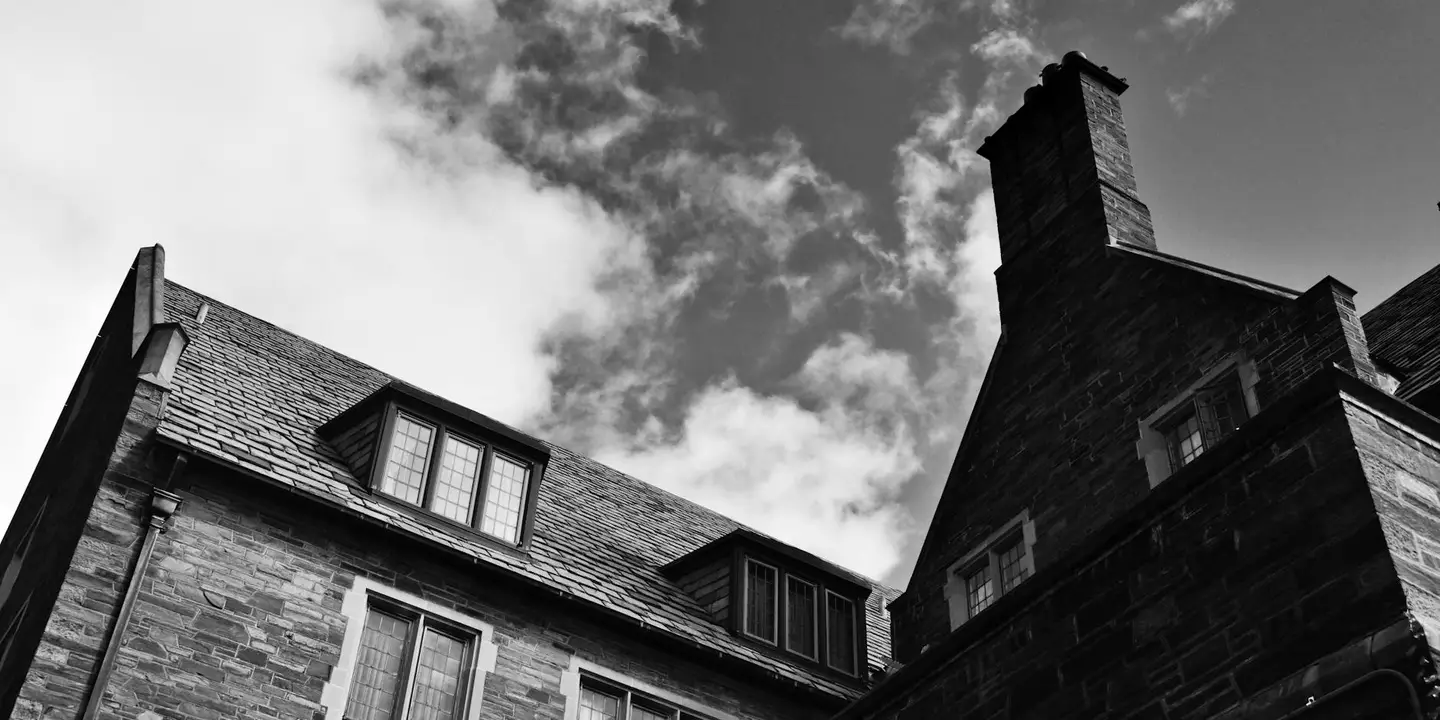
Think of your chimney not as a separate structure, but as a key part of your roof’s overall system. A healthy roof protects your chimney’s masonry and flashing. A healthy chimney protects your home from fire and gas hazards. Ignoring one always hurts the other.
Every fix for a smoking chimney comes back to basic roof and home maintenance. A draft problem often points to a clogged vent, failed seal, or a neglected inspection. Keeping the rest of your roof system in good shape is the first line of defense for your chimney.
Annual Maintenance Checklist
You don’t need to be on the roof every week. A simple, yearly routine catches 90% of potential chimney and roof issues before they become expensive or dangerous.
- Schedule a professional chimney sweep and inspection before each burning season. This is non-negotiable. A good sweep will clear creosote and check for internal damage you can’t see. I’ve seen too many “clean” chimneys with hidden cracks.
- Visually check chimney flashing during routine roof and gutter inspections. From the ground with binoculars, look for gaps, lifted metal, or missing sealant where the flashing meets the chimney or roof. This is the most common spot for water to sneak in and rot your roof deck.
- Ensure roof ventilation (soffit and ridge vents) is clear to maintain proper attic air pressure. Go into your attic. Are the soffit vents blocked by insulation? Is the ridge vent covered by debris? Poor attic airflow creates pressure imbalances that fight your chimney’s draft, pulling smoke back into the house.
When You Absolutely Must Call a Professional
Some jobs are for the pros. Knowing the red flags keeps you safe and saves money on bigger repairs later.
- You see visible cracks in the clay flue tiles (the sweep’s camera will show this).
- There’s any water leakage or staining inside the fireplace or on the chimney breast.
- The inspection reveals extensive, glazed creosote (Stage 3). This is highly flammable and often requires special tools to remove.
- Any gas appliance (like a furnace or water heater) is connected to the chimney. Improper venting here is a silent carbon monoxide risk.
For cost expectations, a standard sweeping and inspection typically runs $150 to $400. A new stainless steel cap is $200 to $600 installed. Relining a chimney with a stainless steel liner is a bigger job, often costing between $2,500 and $5,000, depending on the height and access. Getting multiple quotes is wise.
Never ignore a smoking or poorly drafting chimney. The risk of carbon monoxide poisoning from a blocked or cracked flue is real and deadly. Chimney problems affect home safety beyond the fireplace. Addressing issues promptly protects your home and family. If you have any doubt after your basic checks, call a certified chimney specialist. It’s a call that protects your roof, your home, and your family.
Common Questions
From a roofing standpoint, what’s the most common cause of chimney leaks that lead to odors?
Failed flashing. Water seeps in where the chimney meets the shingles, soaking the masonry and creating that musty smell. The fix is a professional flashing inspection and repair-don’t just mask the odor.
My chimney meets the height code but still smokes. What’s a roof-level fix before I rebuild it?
Install a draft-inducing chimney cap or a rotating cowl. These specialized caps break unfavorable wind patterns and use the airflow over your roof to actively pull smoke up and out of the flue.
Can a leaking chimney or poor draft actually damage my roof?
Absolutely. Chronic moisture from a leak rots the roof deck and compromises the structure. A constant cold downdraft also forces your heating system to work harder, leading to ice dam formation at the eaves in winter.
Your Next Steps for a Safer Chimney
The single best thing you can do is treat your chimney as part of your roof’s ventilation system. Keep the flue clear and the cap secure, and you’ll solve most common draft issues before they start.
Owning a home means committing to its safety, starting from the roof down. I encourage you to keep building your knowledge with practical guides on Roof Care, All Types of Roof Guide, Care, Maintenance, so you can protect your investment for years to come.
Ray Huffington
Ray is an experienced roofer. He has worked as a general contractor in the roofing industry for over 15 years now. He has installed and repaired all kinds of roofs, from small houses to large mansion, and from basic shingles to cement and metal roofs and even solar roof panels. He has seen homeowners struggle with roofing questions and always has experience based proven advice to help those in need. If you need roof pros, Ray's your guide.