
How Much Does a Spanish or Standard Tile Roof Cost? Material, Installation & Replacement Pricing
You’re considering a tile roof for its classic look and legendary lifespan, but what’s the real price tag?
Based on hundreds of installations with my crew, I can tell you tile is a premium product with a cost that matches its 50-year potential. I’ll give you honest numbers from the field so you can budget confidently.
This guide walks you through:
- Material costs per square for Spanish clay and standard concrete tiles.
- Typical installation labor rates and what you’re paying for.
- The main factors that set your final replacement price.
Key Takeaways: What Every Homeowner Needs to Know First
Before we get into the weeds, here are the numbers and facts you must have.
- The total installed cost for a new tile roof on an average 2,000-square-foot home typically falls between $25,000 and $50,000.
- Material costs alone range from $700 to over $2,000 for every 100 square feet of roof (a “square” in roofer speak).
- Your roof’s complexity-things like steep slopes, many valleys, and chimneys-is the single biggest driver of the final price, often more than the tile material itself.
- Tile costs 3 to 5 times more upfront than a standard asphalt shingle roof.
You pay significantly more at the start, but you’re buying a roof that can last 50 to 100 years or more, while asphalt lasts 15 to 25. It’s a generational investment, not just a repair. When weighing asphalt vs metal roofing longevity, metal’s longer life can yield greater value over time, despite a higher upfront cost. In the long run, durability often wins out over initial price.
Spanish Tile vs. Standard Tile: Spotting the Difference and the Price Tag
Knowing which style you’re looking at is the first step to understanding the price. The names tell you about the shape, not the material.
Picture Spanish tiles as rolling hills or half-cylinders laid in overlapping rows. They create a classic, deeply textured look. Standard tiles are flat, like thick stone slabs or large shingles, giving a cleaner, more uniform appearance.
When asking how much are roof tiles each, Spanish (barrel) tiles are generally more expensive per tile than flat standard tiles. This is due to their more complex shape and the additional labor to install them properly.
For planning, tiles are sold by the pallet. A common question I get is, how many roof tiles in a pallet? It varies by size and profile, but a standard pallet often covers about 100 square feet and contains 80 to 120 individual tiles. Always ask your supplier for the exact count for your chosen tile.
Spanish tile is the heart of Mediterranean, Spanish Colonial, and Mission-style homes. Standard flat tile suits Craftsman, Contemporary, and Ranch styles beautifully. The weight is a big initial concern. A tile roof can be 2 to 3 times heavier than asphalt. Your home’s framing must be evaluated, and this structural check adds to your upfront cost.
Material-Only Cost Ranges
Let’s talk material prices. Roofers measure in “squares”-one square equals 100 square feet of roof area.
Here are current price ranges per square for materials only:
- Concrete Standard (Flat) Tiles: $700 to $1,100 per square. The most economical tile option.
- Concrete Spanish (Barrel) Tiles: $900 to $1,400 per square.
- Clay Standard Tiles: $1,200 to $1,800 per square.
- Clay Spanish Tiles: $1,500 to $2,200+ per square.
The question of how much do roof tiles cost gets complicated by color, finish, and brand. A basic terra cotta clay tile costs less than a custom-colored, frost-resistant tile from a premium manufacturer. Those extras add to the per-square price.
High-End and Specialty Tiles
This is where costs climb sharply. We’re talking about custom glazed tiles, hand-made historic reproductions, or imported slate-look tiles.
Material costs for these can range from $2,500 to $5,000 or more per square. I once sourced a special glazed tile for a historic restoration, and the material alone was a major portion of the budget.
These tiles are expensive because of low production volume, high-quality materials, and often, meticulous hand-finishing. If you need a specific color to match a historic district or want a unique glazed finish, you’re paying for artistry and scarcity, not just function.
What You Really Pay For: The Complete Cost Breakdown

Your quote isn’t just for the pretty tiles you see. It’s a bundle of parts and labor. A good breakdown shows you’re paying for a system.
- Materials: The tiles themselves. For concrete, you might pay $400 to $800 per “square” (a 10’x10′ area). Clay tiles run $800 to $2,000 per square.
- Labor: This is skilled work. Tiles are heavy, brittle, and must be laid precisely. Labor often equals or exceeds the material cost.
- Underlayment: This is the water-resistant barrier nailed to your roof deck beneath the tiles. You can’t skip it.
- Flashing: Metal pieces that seal joints at walls, valleys, and chimneys. Critical for a leak-free roof.
- Permits: Your local building department charges a fee to inspect the work. This ensures code compliance.
A full tile roof installation typically costs between $12 and $25 per square foot, with most jobs landing in the $15 to $20 range. That wide range depends on your tile choice and your roof’s shape.
Where you live changes the price. In the West and Southwest, labor crews are highly experienced with tile and competition can help prices. In the Midwest or Northeast, fewer crews specialize in tile, which can drive labor costs up. Material availability matters, too. Shipping clay tiles across the country adds expense.
Tile is heavy. A concrete tile roof weighs 900 to 1,100 pounds per square. An asphalt shingle roof weighs about 250 pounds. Your home’s framing must handle that load. On an older home, an engineer may need to check the rafters. Adding structural reinforcement can cost thousands, but it’s non-negotious for safety.
The Hidden Line Items: Underlayment, Flashing, and Ventilation
Think of underlayment as your roof’s raincoat. Tiles shield the sun and impact, but the underlayment stops driven rain and ice. These two main choices map to the two common underlayment types. Understanding their strengths helps you pick the right one for your climate.
- Felt (30#): The traditional choice. It costs less but can tear easier during installation and may absorb moisture over decades.
- Synthetic: Made from woven plastics. It’s stronger, more slip-resistant for workers, and often comes with longer warranties. It costs more upfront.
Flashing is the detailed metalwork that guides water away from vulnerable spots. Valleys, where two roof planes meet, need wide, custom-fitted metal channels. Drip edges along the eaves are essential. Using painted aluminum or copper flashing adds to the cost but prevents rust. If a contractor quotes a low price, ask what flashing they include. Skimping here is the fastest path to a leak.
Ventilation keeps your attic healthy. With a heavy tile roof blocking airflow, proper intake and exhaust vents are crucial. This cost is often wrapped into the overall job, especially when considering roof ventilation.
How Roof Pitch, Height, and Complexity Sway the Price
A simple, low-pitched ranch roof is a roofer’s dream. A steep, multi-gabled Victorian is a different story. Labor time and difficulty shoot up.
A steeper pitch requires more safety setup like roof jacks and scaffolding. It’s also slower, more careful work. Each valley, hip, dormer, or skylight means more precise tile cutting and intricate flashing. A roof with multiple complexities can cost 1.5 to 2.5 times more than a simple gable roof of the same size.
Height adds cost, too. A two-story home needs more extensive fall protection and takes longer to get materials onto the roof. These safety requirements are not optional. They protect the crew and your property, and they’re factored into the labor price.
The RoofMason Material Verdict: Tile vs. The Alternatives
Tile is a major investment. Let’s stack it up against common options. This answers the frequent question of how tile compares to asphalt shingles directly.
As you can see, asphalt shingles win on upfront cost. Tile costs 3 to 5 times more than a basic asphalt shingle roof initially. But it lasts 2 to 4 times longer. Metal roofing sits in the middle, offering great longevity and weather resistance for a higher cost than asphalt but often less than tile, with metal roofs generally costing more than shingles.
From my experience, tile is worth the investment if you’re in a hot, dry climate and plan to stay in your home for decades. The thermal mass can help with cooling, and it stands up to sun brilliantly. In hail-prone regions like the Great Plains, I’ve seen too many cracked tiles. There, a Class 4 rated metal roof often gives better peace of mind. For a homeowner on a tight budget or selling soon, quality architectural asphalt shingles are a completely sound choice. You must weigh your climate, budget, and how long you’ll own the home when choosing asphalt shingles or metal roofing.
Installation and Full Replacement: Pricing the Major Projects
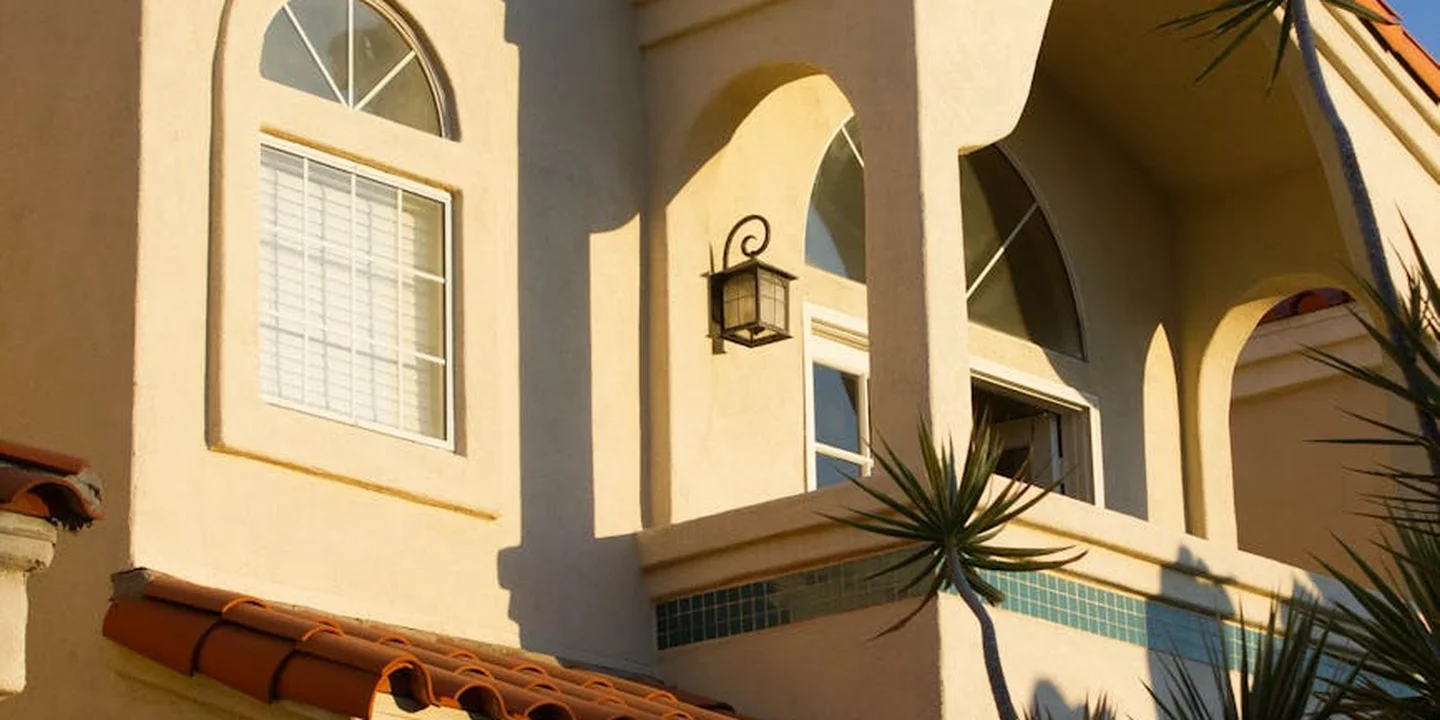
Putting a new tile roof on a bare 2,000 square foot home is a major investment. For a standard concrete tile roof, you can expect a total cost between $24,000 and $32,000. For authentic clay Spanish tile, the price climbs to a range of $30,000 to $45,000 for the same size job. These figures bundle the material, skilled labor, underlayment, flashing, and all necessary hardware.
Replacing an existing tile roof follows a more involved process. My crew starts by carefully removing the old tiles, which is labor-intensive work to avoid damaging reusable pieces. We then haul away the debris, which adds a disposal fee. Only after a full inspection of the wood decking can new underlayment and tiles go on. The tear-off and disposal alone typically add $4,000 to $8,000 to your total project cost.
Replacement often costs more than a new build. On a new home, we install directly onto clean, solid decking. On a replacement, we must factor in the labor of removal and the high likelihood of finding rotten wood that needs repair. It’s like the difference between painting a new wall versus stripping decades of old paint, fixing cracks, and then painting.
So, what is the average cost to replace an existing tile roof? For a full tear-off and re-roof of a 2,000 sq. ft. home, plan for a national range of $28,000 to $40,000 for concrete tile and $35,000 to $55,000 for clay Spanish tile. Prices can vary with material choices, labor rates, and permits, so these figures are a ballpark. For a closer look at roof repair replacement costs 2024, compare updated figures across materials and regions.
When a New Deck or Structure is Needed
Tile is heavy. A concrete tile roof can weigh over 900 pounds per square (100 sq. ft.), and clay is even heavier. Your home’s framing must carry this load for decades. You’ll know if your structure can support it by having a licensed contractor or structural engineer inspect the rafters and trusses. They look for sagging, assess wood condition, and check the building’s original design.
If reinforcement is needed, costs rise sharply. Adding sister rafters or structural braces might cost $5,000 to $15,000. In severe cases, a full deck replacement on a 2,000 sq. ft. roof can add $10,000 to $25,000 to your project. I once worked on a historic home where we had to reinforce the entire frame before tiling; it was a necessary expense to ensure safety and longevity.
Repair vs. Replace: The Tile Roof Cost-Benefit Analysis
Here’s my simple verdict from years on the ladder: if your tile roof is less than 20 years old and has isolated damage, repair it. If it’s over 30 years old with widespread cracked tiles, failing underlayment, or persistent leaks, replacement is the wiser financial move. Pumping money into major repairs on a roof at the end of its lifespan is like constantly fixing a car with a blown engine.
Common repairs fall into clear cost tiers:
- Fixing a leak: Tracing and sealing a leak costs $500 to $1,500, depending on access and complexity.
- Replacing broken tiles: A roofer typically charges $75 to $150 per tile for repair, including the tile cost and labor for careful removal and reinstatement.
- Re-bedding ridge caps: Resealing the mortar on ridge tiles costs $1,200 to $2,500 for a standard roof to prevent water entry.
How much does it cost to repair damaged tiles on an existing roof? For a small job of 10-20 tiles, budget $750 to $2,000. Most roofers have a minimum service charge, so even replacing a single tile might cost $300 just to get the truck there and set up safety gear.
Avoid band-aid fixes on an aging roof. I’ve seen homeowners spend thousands over five years patching leaks, only to face a $40,000 replacement anyway. That money could have gone toward the new roof. If you’re fixing the same area repeatedly, the roof is telling you it’s time for a full replacement.
This decision hinges on lifespan. A well-maintained concrete tile roof can last 50 years. Clay Spanish tile can easily surpass 75 years. If your roof is halfway through its expected life and sound, repair makes sense. If it’s near the end, replacement protects your home’s value.
Preserve your investment with annual maintenance. A professional inspection costs $200 to $500. Periodic cleaning to remove debris and organic growth might cost $300 to $600. This routine care is the cheapest way to extend the life of a tile roof by decades. I tell my clients to think of it as an oil change for their house.
Quick Answers
What does annual maintenance for a tile roof actually cost?
Plan for $200-$500 for a professional inspection and $300-$600 for periodic cleaning. This small investment is the best way to catch minor issues before they become major, costly repairs.
I have a few broken tiles. Is this a DIY fix?
No. Tile repair requires specific techniques to avoid damaging surrounding tiles and proper sealing. Hire a pro; budget $75-$150 per tile, and always ask if they have matching tiles on their truck before they come out.
My contractor says I need structural reinforcement. Is this a common upsell?
Not an upsell-it’s a critical safety check. Tile is extremely heavy. If your home’s framing needs upgrading to support the load, this necessary work typically adds $5,000 to $15,000 but ensures your roof won’t cause structural damage.
Building a Durable Future with Your Tile Roof
Always look beyond the sticker price when choosing a tile roof. A well-built system from a trusted crew is your best defense against costly weather damage and premature repairs, especially when comparing tile and slate roofing options.
Commit to regular, safe inspections and minor upkeep to extend your roof’s life. Continuous learning about roof types and care methods will empower you to make smart decisions for your home.
Ray Huffington
Ray is an experienced roofer. He has worked as a general contractor in the roofing industry for over 15 years now. He has installed and repaired all kinds of roofs, from small houses to large mansion, and from basic shingles to cement and metal roofs and even solar roof panels. He has seen homeowners struggle with roofing questions and always has experience based proven advice to help those in need. If you need roof pros, Ray's your guide.