
How Profitable Is a Roofing Business? Your Guide to Costs, Valuation, and Career Growth
Have you ever looked at a roof and seen more than shingles, but a real business opportunity? I have, after decades on roofs and running crews. Many skilled roofers wonder if they can turn their trade into a thriving company, but they worry about the financial risk.
In this guide, I’ll walk you through the real numbers and lessons from the field, covering startup costs, realistic profit margins, how to value your operation, and the career paths this industry offers.
Key Takeaways: The Roofing Business Bottom Line
From the crew trailer to the office, here is the financial reality of running a roofing business.
- Net Profit Margin: A well-managed company typically nets 5% to 15% after all expenses.
- Startup Costs: You need $25,000 to $100,000+ for a basic setup with a truck, tools, insurance, and licensing.
- Owner’s Salary: Expect to pay yourself $50,000 to $100,000 annually in the early years. Successful, established owners can earn significantly more.
A roofing business is absolutely profitable, but the margin for error is thinner than a shingle tab. Many new companies fail because they price jobs like a handyman but carry the overhead of a real business. Profit doesn’t come from sweating on a roof alone. It comes from estimating accurately, managing waste, avoiding callbacks, and keeping your crew safe and efficient.
What’s the Real Profit Margin for a Roofing Company?
Let’s clear up the biggest confusion first. Gross margin is what’s left after you pay for the shingles, underlayment, and nails for a job. Net profit margin is what’s left in your pocket at the end of the year after everything: labor, insurance, truck payments, fuel, office costs, and taxes.
For a typical residential roofing contractor, the average net profit margin falls between 5% and 15%. The low end happens with poor job management, frequent warranty repairs, or cut-throat pricing. The high end belongs to operators who are meticulous with their numbers and build a reputation that commands a fair price.
Here is a simple breakdown on a $15,000 roof replacement:
- Materials (Shingles, Underlayment, Flashing, etc.): $5,000
- Direct Labor (Crew wages for this job): $3,500
- Gross Profit (Money left for overhead and profit): $6,500
Now, from that $6,500, you pay all your business costs:
- Insurance, Vehicle Costs, Office Rent: $2,500
- Marketing, Licenses, Tools: $1,000
- Net Profit Before Taxes: $3,000
On this $15,000 job, your net profit margin is 20% ($3,000 / $15,000). That is a strong number. In reality, unexpected costs eat into that. A torn underlayment roll, a day lost to rain, or a small repair call-back can easily drop that final margin down toward 10%. This margin directly translates to your long-term return on investment (ROI). A steady 10% net margin on growing sales is what builds a valuable company over time.
Service type drastically changes the math. Large replacements have higher material costs but more efficient labor use. Small repairs have low material cost but high labor mobilization cost. You cannot run a business on emergency patches alone.
The Repair vs. Replacement Profit Analysis
Financially, these are two different businesses. Let’s look at them from the contractor’s side.
A typical small repair (fixing a leak, replacing a few shingles) might bill at $500. The materials cost is minimal, maybe $50. But you still send a truck and a 2-person crew. With travel, setup, work, and cleanup, that’s a 3-hour project. Your labor burden is high. You might net $200 on that ticket, which seems like a great 40% margin. But you can only do one, maybe two, of these in a day.
Now, a full roof replacement. On a $15,000 job, your profit in dollars is much larger, as we calculated. A skilled crew can install a full roof in 1-2 days. Your profit per hour of company time is vastly higher on the large project.
Verdict: Building a business solely on small repairs is a struggle. It is a “band-aid” model with high mileage, unpredictable scheduling, and constant customer emergencies. It is crucial to offer repairs, as they build trust and lead to larger jobs. But your financial stability comes from larger replacements and scheduled maintenance contracts.
Here are the estimated cost tiers from a contractor’s perspective:
- Small Repair/Tarping: Customer Price: $300 – $1,000. Contractor Net: $100 – $400. High labor cost relative to revenue.
- Partial Roof Replacement: Customer Price: $3,000 – $8,000. Contractor Net: $600 – $2,000. Better efficiency, but still involves complex tear-off and blending.
- Full Roof Replacement: Customer Price: $8,000 – $25,000+. Contractor Net: $1,500 – $6,000+. Highest profit in dollars and best use of crew time.
I’ve seen many talented roofers fail as business owners because they loved the repair work but never learned to sell and manage the profitable jobs. The money is on the full roof, not the patch.
How Much Does It Cost to Start a Roofing Business?

Starting a roofing company isn’t just about knowing how to swing a hammer. You’re building a business. The upfront cost can be a tough climb, but knowing every rung on the ladder helps. I’ve watched a few crews launch, and the ones that budget for the right things from day one are the ones still in business five years later.
Your Startup Cost Breakdown: The Tools of the Trade
You can’t start a race without shoes. For roofing, your tools are your foundation. This list covers the basics to handle most standard shingle jobs.
- Hand Tools & Safety Gear ($1,500 – $3,000+): This includes roofing nailers (at least two), compressors, ladders, pry bars, hammers, chalk lines, and utility knives. Safety gear is your first purchase, not an afterthought: hard hats, safety glasses, harnesses, and fall arrest systems are non-negotiable.
- Vehicle & Hauling ($25,000 – $50,000+): You need a reliable truck, preferably a dump body or a heavy-duty pickup, and a trailer. This is often the single biggest check you’ll write.
- Insurance & Bonding ($5,000 – $12,000+ annually): General liability and workers’ compensation insurance are mandatory. You cannot step on a job without them. Many clients and general contractors will also require you to be bonded.
- Licensing & Legal ($500 – $3,000): Costs vary wildly by state and city. This covers your business license, contractor’s license fees, and setting up your business structure (like an LLC).
- Initial Marketing Budget ($1,000 – $5,000): This pays for a basic website, professional logo, truck decals, and initial printed materials like door hangers or yard signs. Your reputation is your best ad, but you need to get your first jobs first.
Starting From Scratch vs. Buying a Business
Most new contractors start from zero. You build your tool collection job by job. The advantage is you control every dollar and build your own company culture from the ground up. The downside is you start with no customer list, no reputation, and every job is a hustle to find.
Buying an existing operation is a different beast. You’re paying for an established name, a client base, and often a crew. It can fast-track your income. The price tag is much higher, often 3-5 times the company’s annual profit, and you inherit both the good and the bad of that business. You might be buying someone else’s poor workmanship or bad debt along with the ladder racks.
The Biggest Upfront Hurdles
From my view on the roof, two costs surprise new business owners the most. First is the truck and trailer combo. It’s a massive, unavoidable capital expense. Second is insurance. Premiums for roofing are high because the risk of injury and property damage is high. You can skimp on fancy office chairs, but you cannot cut corners on liability coverage or workers’ comp. A single uninsured accident can end your company before your first anniversary.
Your vehicle and your insurance are the twin pillars holding up your new business. If one fails, the whole operation comes crashing down. Budget for these first, then build your other costs around them.
How Much Can a Roofing Business Owner Make?
This is the million-dollar question, and the answer is, “It depends entirely on your stage.” What you take home is very different from what your business brings in. Think of it like the final amount on a roofing invoice versus the cash you actually put in your pocket after all the bills are paid.
Your “salary” as an owner is what’s left from business profits after you cover material costs, labor, insurance, trucks, tools, and marketing. It’s not an hourly wage you guarantee yourself. Some months it’s great, other months you might reinvest everything back into the company to grow.
The Income Progression: From Your First Ladder to a Fleet of Trucks
Let’s walk through the stages, because your answer to “do roofing contractors make good money” changes at each one.
Stage 1: The Solo Operator (You and Your Tools)
This is where most of us start. You’re the estimator, roofer, bookkeeper, and clean-up crew. Your profit is tied directly to your physical labor. A common goal for a skilled solo roofer is to net $80,000 to $120,000 annually after business expenses.
You make good money by being efficient and managing your jobs tightly, but your income has a hard ceiling-there are only so many hours you can work on a roof yourself. The profit from a single job might be solid, but you can’t do two roofs at once.
Stage 2: The Small Crew Lead
You hire your first helper or a second skilled roofer. Now you can take on bigger jobs and more of them. Your role shifts more to sales, project management, and quality control. Business revenue can jump to $500,000 or more. Your take-home? It should increase, but so do your risks and headaches.
Here’s the analogy: A well-executed roof installation might have a 25-35% gross profit margin. On a $15,000 roof, that’s $3,750 to $5,250. As a solo guy, that’s mostly your pay. With a crew, that margin pays your laborers’ wages, their insurance, and your overhead first. What’s left for you is the owner’s profit. If you manage well, you keep a bigger piece of a much bigger pie.
Stage 3: Established Company with Multiple Crews
This is where the scale changes everything. You have a foreman running crews, dedicated salespeople, and office staff. Business revenue can scale into the millions. This is where roofing companies can make very good money, but the owner’s pay is a smaller percentage of a massive total. An owner might draw a comfortable six-figure salary *plus* year-end profits.
The trade-off is immense responsibility. You’re no longer worried about nailing patterns; you’re worried about cash flow, liability insurance, and retaining good foremen. The profit from one job gets spread across the entire operation.
So, do roofing companies make good money? A well-run one certainly can. But “good money” for a contractor just starting out means a great living from hard work. For a mature company owner, it means building a valuable asset that provides stability and wealth. The journey from one to the other is the real business of roofing.
What Factors Make or Break Your Roofing Profits?
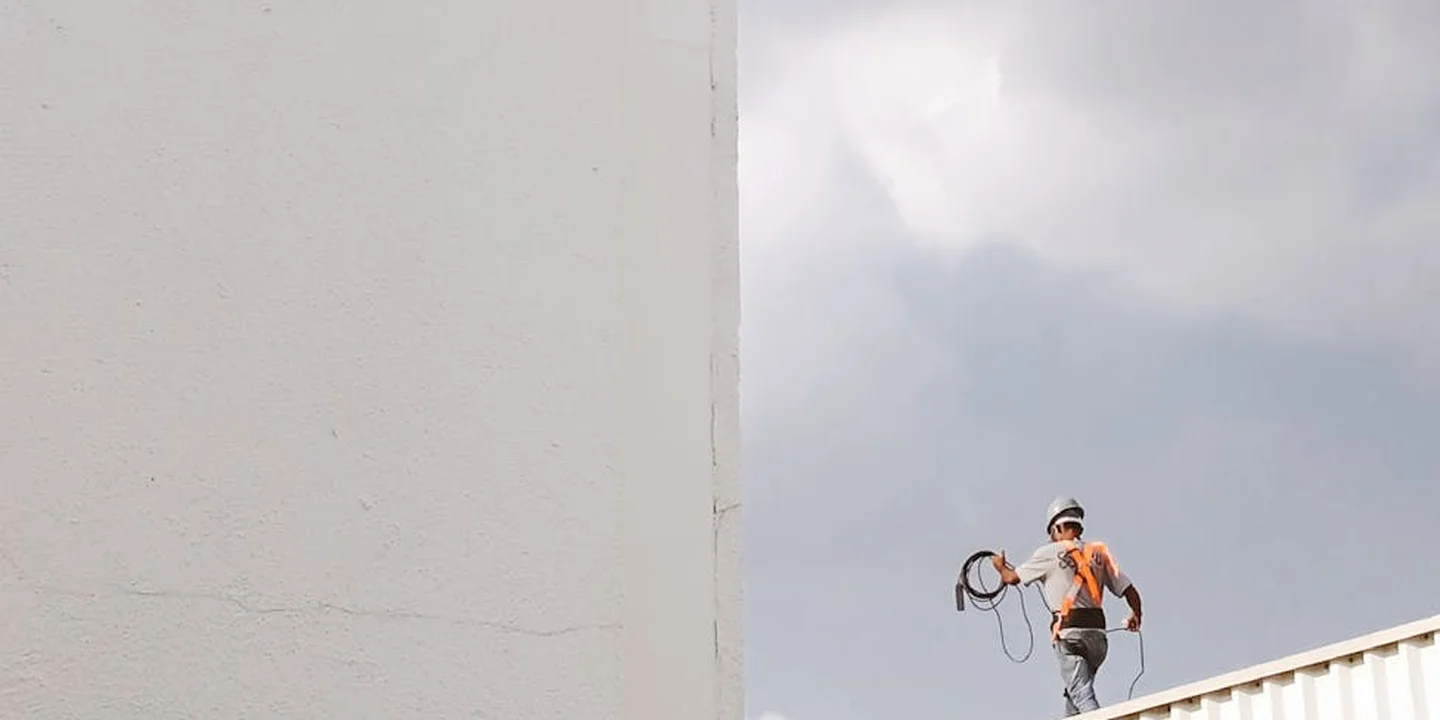
Profit isn’t just about charging more. It comes from smart management of details most homeowners never see. Get these wrong, and your business bleeds money quietly.
1. Bidding Accuracy: Your First Line of Defense
A wrong bid is a promise you can’t afford to keep. Underbid, and you pay out of pocket. Overbid constantly, and you stop getting calls.
- Measure twice, bid once. A simple error in square footage can wipe out your margin.
- Know your material costs cold. I’ve seen bids fail because they used last year’s shingle price.
- Always factor in the “what-ifs.” Is the decking rotten? You need to see that cost in your initial number.
An accurate bid respects your time and the client’s budget, building trust from the first conversation.
2. Material Waste Control: Money in the Dumpster
Wasted bundles are wasted dollars. On a big roof, poor cutting planning can cost you thousands.
- Order precisely. Use the roof’s measurements and add a standard waste factor, but don’t just add 10% blindly.
- Train your crew to cut smart. A rookie cutting a full shingle for a 6-inch piece is a common profit leak.
- Store materials properly. Left in the rain, a bundle of shingles or wood decking is ruined.
3. Crew Efficiency: It’s About Rhythm, Not Speed
Speed without care causes callbacks. But a slow, disorganized crew costs you every hour.
A tight crew moves like a machine. The tear-off crew clears, the cleanup follows, the installers have a clean deck to work on. This rhythm is built through clear roles and consistent training. It’s your most valuable asset.
4. Your Reputation is Your Marketing Budget
In roofing, your name is everything. One bad job in a neighborhood can close doors.
- Do what you say you’ll do. Show up on time, clean up thoroughly.
- A happy customer tells a friend. An unhappy one tells everyone on social media.
Your next job almost always comes from your last job’s reputation.
5. Location Dictates Your Season and Your Costs
Where you work isn’t just an address. It’s a business model.
- Weather patterns. In the North, your season is shorter, so you must earn a year’s income in months. In hurricane zones, storm chasing is a whole different game.
- Local competition. A market flooded with roofers means tighter margins. A niche with few specialists means you can command better rates.
- Local economy. Are you in an area of new construction, or older homes needing maintenance? This decides your customer base.
6. Specialization: The High-Skill, High-Margin Path
Not all roofs are equal. Being the expert in a complex system pays.
- Flat roofs (TPO, EPDM) require specific welding and seam techniques. Fewer competitors often mean healthier margins.
- Metal roofing demands precision fabrication. The material cost is higher, but so is the skill premium you can charge.
- Tile or slate restoration is an art. Homeowners with these roofs seek out specialists and expect to pay for that expertise.
Generalists get the volume, but specialists often get the profit.
7. The Callback Killer
Poor workmanship isn’t just a headache. It’s a business cancer.
A callback means you pay your crew again, for zero new income. You buy more materials, for zero new income. You lose a day you could have been on a profitable job. One major leak callback can erase the profit from two successful jobs.
Doing it right the first time is the single biggest profit-protection strategy you have.
The Pro-Only Reality: Safety as a Cost and a Shield
This work is not for DIYers because the risks are real and expensive. Treating safety as an afterthought is a fast track to bankruptcy.
Your safety gear is a core business expense, like your nail guns. This isn’t optional equipment.
- Harnesses and Lifelines: For any steep pitch, this is non-negotiable.
- Roof Jacks and Bracket Systems: They create a stable platform, preventing slips and falls.
- Proper Footwear and Eye Protection: The basics prevent the most common injuries.
The specific risks make insurance companies look very closely at your business.
- Pitch Steepness: A fall from a high, steep roof is often fatal. Your worker’s comp premiums are directly tied to this risk.
- Overhead Power Lines: Metal ladders and materials can become conductors in an instant.
- Falls from Edges and Through Skylights: These are leading causes of serious injury, and they are entirely preventable with planning and gear.
When a crew is properly trained and equipped, they work with more confidence and efficiency. Fewer accidents mean lower insurance premiums and no catastrophic liability lawsuits.
Think of every dollar spent on safety training and gear as an insurance policy for your company’s future profits. It’s not a cost. It’s your shield.
Is the Roofing Industry Growing or Shrinking?
Asking if roofing is growing is like asking if grass keeps growing. The demand isn’t going anywhere. I’ve seen this business from the inside for decades. The need for roof work is constant, but the flow of jobs changes with the economy and the weather. It’s not a shrinking field. It’s a foundational trade that ebbs and flows.
New crews pop up after every big storm, hoping to cash in. Some make it, many fade away when the easy money dries up. The steady, profitable businesses are the ones doing things right year-round. They build their reputation on quality repairs and maintenance, not just chasing hail.
What’s Driving the Demand for Roofers?
Three main forces keep our trucks rolling. They’re simple, powerful, and aren’t stopping.
1. An Aging Housing Stock.
Think about the neighborhoods in your town. A huge portion of American homes are 30, 40, or 50 years old. Most asphalt shingle roofs need replacement around the 20-25 year mark. That’s not a maybe, it’s a guarantee. Every day, thousands of roofs hit their expiration date. It’s a replacement wave that just keeps coming.
2. Weather Events and Climate.
This is the big one you see on the news. More frequent and severe storms mean more damage. High winds tear off shingles. Hail pummels roof surfaces. Heavy rain finds every tiny weakness. Insurance-covered storm damage creates surges of work that can define a season for a roofing company. It’s unpredictable, but it’s a major part of the business in many regions.
3. New Construction.
When new homes go up, they need roofs. This part of the business is more tied to interest rates and the economy. When construction booms, there’s plenty of work putting roofs on new houses. When it slows, the focus shifts to repairs and replacements on existing homes. A resilient roofing business learns to work in both worlds.
A Word on Market Saturation
Here’s the honest truth from the job site. While the industry isn’t shrinking, some local markets can feel overwhelmingly crowded. After a major storm, you might see fifty new “roofing companies” that are just a guy with a ladder and a truck.
This saturation is often at the low end. There’s always a crowd competing on price alone, cutting corners to submit the lowest bid. The real opportunity, in my view, is in the middle and top of the market. Homeowners are becoming more educated. They want a company that shows up on time, follows code, cleans up, and honors its warranty.
Building that kind of business is harder than just nailing shingles. It requires managing people, finances, and customer expectations. But that’s also what makes it sustainable and profitable when the storm chasers have moved on to the next town. The need for a good, honest roofer never gets saturated.
How to Value a Roofing Business for Sale
Buying an existing roofing company can be a smart move, but you must appraise it like a complex roof system. I learned this the hard way years ago when a crew I worked with considered buying out a small operator; we found unresolved warranty claims buried in the files. Your goal is to see past the sales pitch and find the true, stable value of that roof.
Your Step-by-Step Valuation Inspection
Think of this process as a four-point inspection. You need to check the foundation, structure, materials, and finish work.
-
Review the Books with a Fine-Toothed Comb
This is your underlayment check. Ask for at least three years of profit and loss statements, tax returns, and bank records. Look for consistent revenue, not just one good year after a major hailstorm. I always separate job income from one-time insurance work; the former is repeatable, the latter is not. Watch for high material costs or payroll leaks that eat into profits.
-
Assess the Client List and Pipeline
A list of past customers is good, but a schedule of booked jobs is better. How many clients call back for maintenance or referrals? A business with 50% repeat customers is often more valuable than one that constantly chases new leads. Check the mix of residential versus commercial work, as commercial contracts can provide steadier income.
-
Evaluate the Equipment and Vehicles
Walk the yard and the shop. Are the trucks paid off? What’s the real condition of the ladders, nail guns, and compressors? I’ve seen beautiful revenue numbers hide a fleet of trucks on their last legs. Create two values: the quick-sale auction price and the cost to replace everything with safe, reliable gear. The difference between these numbers is a real cost to you.
-
Check the Reputation in the Wild
Online reviews are a start, but talk to suppliers and other tradespeople. Did the previous owner pay bills on time? Ask a local building inspector, off the record, if they’ve had issues with the company’s permits or work quality. A bad reputation is a hidden leak that will cost you money to fix.
Understanding Valuation Multipliers
In the roofing trade, businesses are often priced with a multiplier. You’ll typically hear a number based on annual revenue or Seller’s Discretionary Earnings (SDE). SDE is the total cash benefit to an owner, including salary, perks, and profits. A small, owner-operated shop might sell for 1.5 to 2.5 times its SDE. A company with strong systems and a manager in place could fetch 3 to 4 times SDE. A revenue multiplier, like 0.3 to 0.6 times annual sales, is simpler but less accurate. It doesn’t account for whether the business is actually profitable.
The Hidden Liabilities Every Buyer Must Find
This is the most critical part of your inspection. A clean financial sheet can mask huge future costs.
- Pending Warranties: Get a list of every installed roof still under the company’s workmanship warranty. You are buying those obligations. I once reviewed a sale where 20 roofs were warrantied for leaks, a future cost the seller hadn’t factored in.
- Bad Installations: Check for unresolved customer complaints or ongoing insurance disputes. A roof with improper flashing or ventilation will fail, and you’ll be on the hook to make it right.
- Employee Agreements: Are key crew members under contract? If the best foreman leaves with the old owner, the business’s value just dropped.
Always budget for a professional accountant and a lawyer to review everything before you sign. They are your final quality control, like the inspection before a roof gets signed off.
The Career Ladder: Salaries and Prospects for Roofers
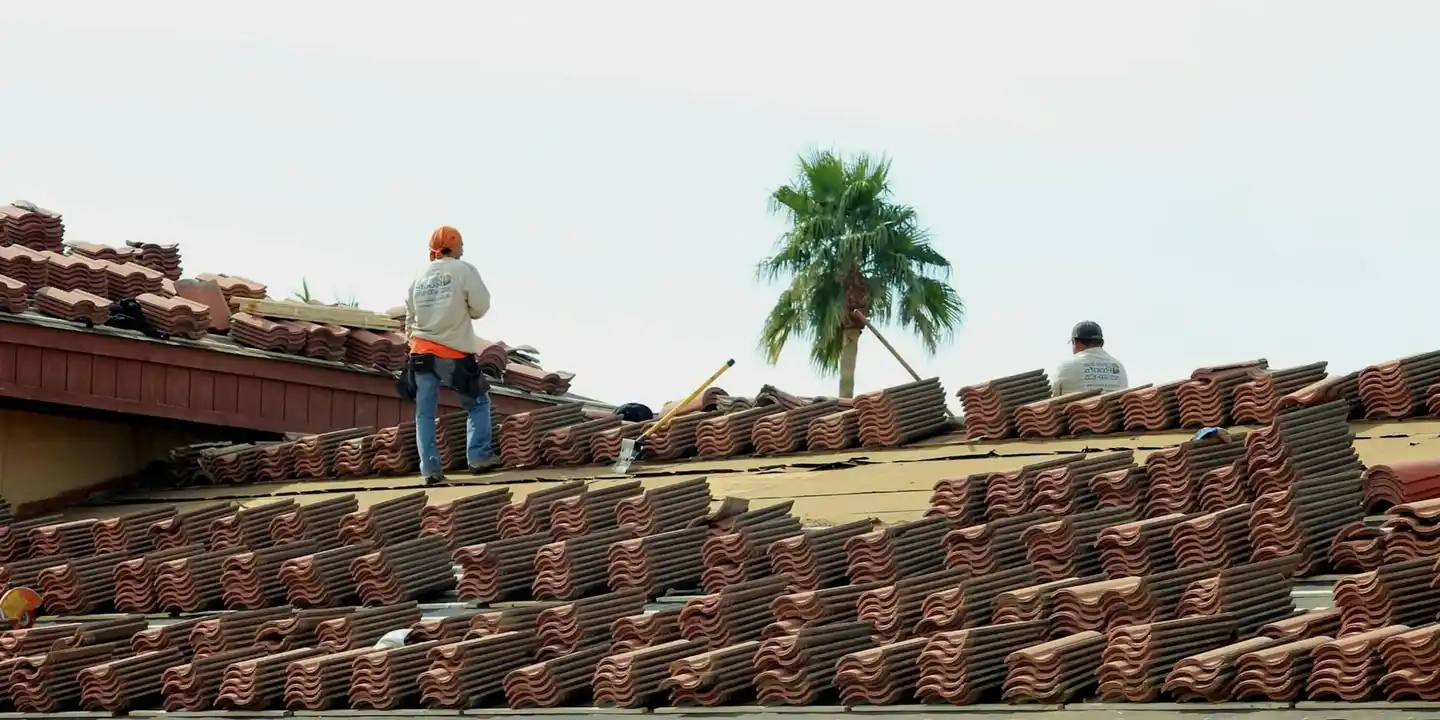
Let’s talk money and your future. Does roofing pay well? The short answer is yes. The long answer is that your paycheck directly reflects your skill and grit. I started as a helper and built a career from the ground up. Here is how earnings and roles typically break down. Understanding roofers pay structures—base pay, overtime, and bonuses—will help you compare offers. Earnings aren’t just about the hourly rate; the structure of pay shapes your long-term income.
Helpers or laborers are the backbone of any crew, starting around $15 to $25 per hour. You will carry bundles, clean up, and learn by watching. It is hard work, but it is your ticket in.
Journeymen roofers, with a few years of experience, often earn $25 to $40 an hour. You are trusted to install shingles, flash valleys, and lay underlayment correctly. This is where the real craftsmanship begins, especially when working on shingle roofs compared to metal ones.
Foremen or crew leaders can make $50,000 to $80,000 a year, with bonuses for finishing jobs on time and under budget. I ran a crew for years. The pay is better because you are responsible for the team’s safety and quality.
Now, for those specific questions. Do roof inspectors make good money? They can. Independent roof inspectors typically charge $75 to $200 per inspection, and a full time inspector can earn $60,000 to $85,000 annually. It is a great path if you have a sharp eye for detail but want less physical strain. For those considering commercial properties, understanding commercial roof inspection cost can help with budgeting. We’ll cover that in the next steps.
Do roofing salesman make good money? Absolutely, but it is tied to performance. Sales representatives work on commission, so income varies, but a solid roofer turned salesman can regularly make over $100,000 a year. Your deep knowledge of the work builds instant trust with homeowners.
Your Roadmap: From First Day to Business Owner
The beauty of this trade is the clear progression. You are not stuck in one role. Here is how a career can unfold.
Start as a helper with any reputable roofing company. Show up, work hard, and absorb everything. I always hired helpers based on attitude over experience.
Seek a formal apprenticeship within a year or two. Many contractor associations and unions offer programs. You will earn a wage while learning the technical skills in a structured way. This is the fastest route to becoming a journeyman.
Pursue certifications to increase your value. Manufacturer certifications from companies like GAF or CertainTeed teach you to install their systems perfectly. They make you a more valuable employee and can lead to higher pay.
Aim for leadership by becoming a foreman. This step is about managing people and projects, not just tools. It is the bridge from working on the roof to running the job.
Consider specializing as an estimator or inspector. These roles use your hard won knowledge in an office or assessment capacity. They offer strong salaries with less daily physical demand.
The ultimate step is owning your business. As an owner, your income potential is unlimited, but so are the headaches. You will handle estimates, marketing, hiring, and customer service. The reward is building something that is yours.
A Honest Look at the Work
I will not sugarcoat it. This job is physically demanding. You work in heat, cold, and rain. You will lift heavy materials all day and work on steep slopes. It takes a toll on your knees and back over a 30 year career.
The reward comes from building something tangible that protects families and lasts for decades. The pay is good, the work is always needed, and there is a unique satisfaction in pointing to a roof and saying, “I built that.” If you are willing to work hard and learn continuously, roofing offers a stable and rewarding career path.
The Big Picture: ROI and Running a Sustainable Operation
So, what does the math look like when you put it all together? For a roofing business owner who manages costs carefully and prices jobs fairly, a net profit margin of 8% to 15% is a solid, realistic target. That means on a $20,000 roof replacement, a well-run company might keep $1,600 to $3,000 after every single expense is paid.
Think of that annual ROI not as a lottery ticket, but as a steady return on your relentless attention to detail. It comes from the crew showing up on time, the precise materials estimate, and the clean job site that gets you a referral. It compounds year after year when you avoid callbacks and insurance claims for bad work.
The Two Roads: Hack Job vs. Real Business
I’ve seen both paths up close. The “hack and slash” operation is tempting. They cut every corner. They use the cheapest, untrained labor. They buy off-brand materials and skip permits. Their profit margin on paper looks huge for one season.
But it’s a house of cards. Their work fails. Water gets in. Angry customers post reviews. Their insurance gets cancelled. They’re often one big callback or worksite injury from going under. They make this whole industry look bad.
A professional business built on quality roof care does the opposite. It invests. It pays for proper training and safety gear. It uses code-compliant materials and pulls permits for the customer’s protection. The margin might be tighter at first, but the foundation is rock solid, unlike DIY repair which can be risky.
The sustainable business trades the short-term cash grab for long-term reputation, which becomes its most valuable asset. Customers pay for peace of mind, and they’ll pay more to get it from someone they trust.
Hard-Won Advice for Lasting Profitability
Profitability that lasts isn’t a secret. It’s a series of daily choices.
- Ethics are your business plan. If you see rot, you quote to fix it. You never hide damage under new shingles. Your word is your bond. This costs you a job today but earns you ten tomorrow.
- Education never stops. New materials and codes come out every year. Send your crew to manufacturer trainings. Get your own certifications. The crew that knows how to properly flash a skylight or install a synthetic underlayment works faster and makes fewer costly mistakes.
- Your community is your client pool. Be the roofer who sponsors the local little league team. Hire locally. Show up to the chamber of commerce meeting. When your truck is in your neighbor’s driveway, it’s a personal recommendation.
Trust is the currency that never devalues. A customer who trusts you will call you for their next repair, their cousin’s roof, and their office building. That eliminates your marketing cost and secures your future.
What Profitability Really Means
After thirty years, I see profitability differently. Yes, you need to make money to feed your family and pay your crew. But real profitability is about building something that endures.
True profit is sending every worker home safe to their family every single night. It’s installing a roof that won’t leak for decades, protecting everything a family owns inside. It’s creating good-paying jobs in your town.
A profitable roofing business is one that your son or daughter would be proud to take over. It’s built on quality, safety, and respect. The money follows. It always does.
Common Questions
How does my local climate affect which roofing materials I should choose?
Your local climate dictates the best material for long-term durability and cost. In high-wind or hail-prone areas, invest in impact-resistant shingles or metal; in consistently wet climates, prioritize superior synthetic underlayment and drainage details.
What’s the single biggest expense I should watch out for as a new roofing contractor?
Beyond insurance and trucks, it’s unplanned “callback” repairs for leaks or poor workmanship. Protect your margin by investing in thorough crew training and never rushing the final quality check on every job.
Is becoming a certified roof inspector a good career move for an experienced roofer?
Absolutely. Your hands-on experience is the perfect foundation for a detailed inspection career. Pursue manufacturer-specific certifications to increase your credibility and earning potential in a high-demand, less physically demanding role.
Your Roof’s Health is Your Home’s Wealth
From my time running crews, the single best financial move is to treat your roof as a long-term asset, not a sudden expense. Proactive, annual check-ups by a qualified pro are far cheaper than the emergency repairs you’ll face by waiting.
Embrace your responsibility as a homeowner by making safety and code compliance non-negotiable in every maintenance choice. Your ongoing education on roof care for all material types is what turns a good roof into a legacy that shelters generations. Stay informed about roof repair safety practices to guide every maintenance step. This focus naturally supports safe, compliant repairs and a longer-lasting roof.
Ray Huffington
Ray is an experienced roofer. He has worked as a general contractor in the roofing industry for over 15 years now. He has installed and repaired all kinds of roofs, from small houses to large mansion, and from basic shingles to cement and metal roofs and even solar roof panels. He has seen homeowners struggle with roofing questions and always has experience based proven advice to help those in need. If you need roof pros, Ray's your guide.