
How Much Does a New Roof Increase Home Value and Affect Appraisal?
Is a new roof just a major expense, or is it a strategic investment that pays you back? I’ve seen countless homeowners wrestle with this exact dilemma when their roof reaches the end of its life.
You want to know if the cost translates to real, tangible value. Based on my experience with home sales and appraisals, a new roof directly influences both your selling price and the official appraisal number.
Here’s the straightforward breakdown you can expect from this guide:
- The realistic return on investment you can anticipate from a roof replacement.
- How a home appraiser actually factors a new roof into their valuation report.
- The specific conditions that control how much value gets added to your property.
Key Takeaways: What Every Homeowner Should Know First
Before you get a single quote, get your head around these core facts. They frame the entire conversation about your roof’s value.
- You don’t get every dollar back, but you recover a solid chunk. Think of it like buying a reliable used truck versus a brand-new luxury car. The truck holds its value for the job it does. A new asphalt shingle roof typically brings a 60% to 70% return on your investment when you sell.
- A new roof protects the appraisal value of everything under it. An appraiser sees a failing roof and starts mentally subtracting value for the imminent, major repair. A brand-new, quality roof removes that huge red flag and supports your home’s stated worth.
- There’s a hidden “curb appeal tax.” A worn, stained, or mossy roof makes your whole house look tired. Buyers instinctively discount their offer. A crisp, new roof makes the entire property look cared for and move-in ready, which can translate directly into a higher selling price.
- The material you choose is the biggest lever you pull for long-term value. Going from basic 3-tab asphalt to dimensional architectural shingles adds value. Upgrading to metal, slate, or tile adds even more perceived quality and longevity, which buyers and appraisers recognize.
- A bad roof isn’t a neutral feature. I’ve sat with appraisers who treat a roof at the end of its life like a cracked foundation. They don’t just ignore it; they deduct the estimated cost to replace it from the home’s value. A new roof stops that subtraction before it happens.
The Real Numbers: How Much Value a New Roof Adds
Let’s move past percentages and talk real dollars and sense. This is where your specific situation matters most.
Here’s the typical return you can expect, broken down by common material:
- Asphalt Shingles (3-tab): The most budget-friendly option. Expect to recoup about 60% of your investment. If you spend $10,000, it might add around $6,000 in resale value.
- Asphalt Shingles (Architectural/Dimensional): The sweet spot for most homes. You’ll recover closer to 65% to 70%. On a $15,000 roof, that’s roughly $9,750 to $10,500 added value.
- Metal Roofing: A premium play with a longer lifespan. The ROI can be higher, sometimes over 70%, because buyers see it as a permanent, low-maintenance solution.
The key is to see this as recovering most of your upfront cost, not making a profit. You’re paying for security, curb appeal, and to avoid a massive value deduction.
Context is everything. A $15,000 roof represents 5% of a $300,000 home’s value. That’s a significant update. On a $500,000 home, it’s only 3%. The higher your home’s value, the more a roof becomes an expected, well-maintained feature rather than a standout upgrade.
So, how much value does a new roof add to a house in dollars? For a typical mid-range home with an architectural asphalt shingle roof, figure on adding between $9,000 and $12,500 in resale value for a job costing $15,000 to $18,000. The exact number depends on your local market, your home’s price point, and the quality of the installation. Also, roof replacement costs vary by state due to labor rates, permits, and local codes. A hack job with premium materials adds zero value. A flawless install with mid-grade materials adds a lot.
The Appraiser’s Eye: How a Roof Impacts Your Home’s Official Worth
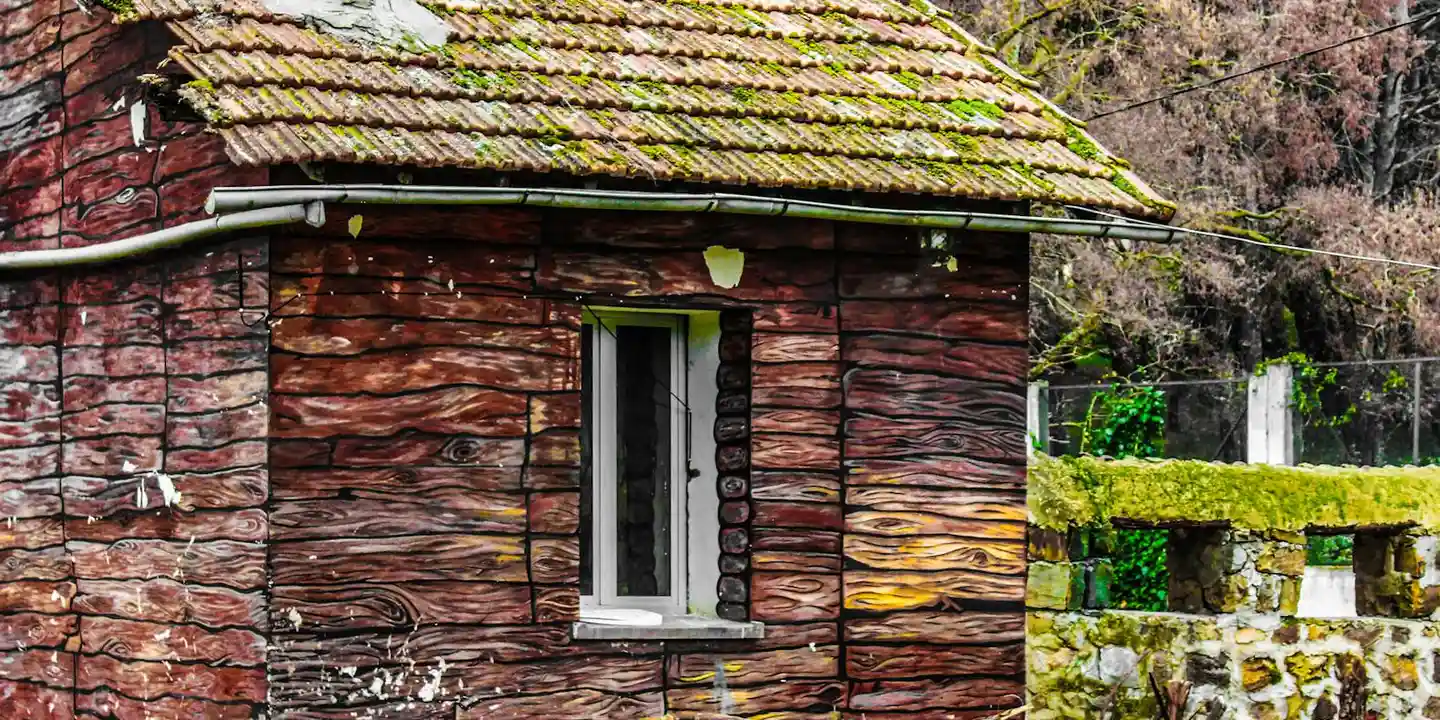
When an appraiser walks your property, they see your roof differently than you might. They’re not just checking for leaks; they’re assessing its contribution to your home’s overall value and risk. I’ve been on site during dozens of appraisals over the years, and their focus is always practical.
An appraiser judges your roof on four concrete factors: age, material, condition, and remaining lifespan. Think of it like appraising a used car. They note the manufacture date (age), whether it’s a basic model or a luxury trim (material), any dents or engine ticks (condition), and the mileage left before major service (lifespan). A 20-year-old asphalt roof with curled shingles tells a very different story than a 5-year-old metal roof.
- Age: They start with the installation date. Even a well-kept roof has a calendar life.
- Material: Quality matters. Durable materials like metal or slate often rate higher than basic 3-tab asphalt.
- Condition: This is hands-on. They look for moss, cracked tiles, rust, and proper flashing. I’ve seen appraisers note small issues my crew missed.
- Remaining Lifespan: They estimate how many good years are left. A roof with 2 years left is a red flag. One with 20 is an asset.
A new roof directly changes one of those key numbers: the effective age. Effective age is how old your home seems based on its condition, not its birthday. A 40-year-old house with a brand-new roof can appraise like a much younger home. It’s like putting a new engine in that old car; suddenly, it’s worth more because it’ll run reliably for years.
So, does a new roof increase appraisal value? Yes, almost always. But don’t expect a dollar-for-dollar return on your investment. The boost depends on your local market and what you install. In my experience, a standard architectural shingle roof in a steady neighborhood often adds significant value. A premium tile roof in a high-end area might add even more. The appraiser compares your updated roof to similar homes that still have old roofs.
Now, about taxes. You might hear the term “qualified improvement property.” In some cases, a new roof can qualify for tax benefits if it’s part of a larger improvement to a rental or business property. The rules are complex and change often. For most homeowners replacing their own roof, it doesn’t typically apply. Always talk to a tax professional about your specific situation. I’m a roofer, not an accountant, but I’ve had clients who benefited from checking.
The RoofMason Material Verdict: Cost vs. Value for Resale
Picking a roof for resale is like choosing an outfit for a job interview. It needs to look sharp, fit the neighborhood, and prove it can handle the elements. I have replaced hundreds of roofs over my career, and the material you choose directly shapes what an appraiser sees and a buyer is willing to pay.
Asphalt Shingles: The Reliable Workhorse
For most homes, asphalt shingles are the default choice. They are the blue jeans of roofing, dependable and affordable. But not all jeans are the same. You have two main types.
Three tab shingles are the basic, flat option. They do the job, but buyers and appraisers can spot them as a budget pick from the curb. Architectural shingles are thicker, with a dimensional shadow line that mimics wood or slate. Architectural shingles often recoup more of their cost because they make your whole house look more substantial and well-kept.
Here is what to look for in a quality asphalt roof:
- Weight: Heavier shingles (often 250 lbs per square or more) last longer. They signal quality to anyone inspecting your home.
- Fire Rating: Look for a Class A rating. It is a basic safety standard that adds peace of mind.
- Hail Resistance: Shingles with a UL 2218 Class 4 rating are best if you live in storm country. They can lower insurance premiums.
In temperate climates without extreme weather, a good architectural shingle roof is your best bang for the buck. I have seen them add back 60 to 70 percent of their cost in home value. Do not forget color. A modern, neutral color like charcoal or earth tone boosts curb appeal. A faded or mismatched roof does the opposite. Roof shingle color choices can dramatically affect curb appeal. Picking a shade that complements your siding ties everything together.
Metal Roofing: The Long-Term Premium Play
Metal is the upgrade. It is not for every house, but when it fits, it pays off. You mainly see two styles. Standing seam has raised vertical joints that are clean and hidden. Corrugated panels have the familiar wavy pattern. Standing seam is the premium choice for resale, offering a sleek look that appraisers associate with custom homes.
Think of metal like a lifetime warranty. On a job in the mountains, I replaced a 20 year old asphalt roof with standing seam metal. The homeowner saw their insurance drop and their home value jump because the roof was rated for heavy snow and high winds. Metal reflects heat, which can cut cooling costs. In high end markets or areas with harsh weather, a metal roof can have a higher return on investment. Buyers see it and think “maintenance free for decades.”
The catch is upfront cost and weight. Metal is light, which is good for your roof frame, but the installation is specialized and expensive. You pay more now for a buyer to pay more later.
Slate & Tile: The Luxury Statement
Slate and clay or concrete tile are in a different league. This is not about a simple value calculation. These are for luxury homes where prestige and a century long lifespan are the real goals. On historic homes I have worked on, a proper slate roof was not an upgrade, it was a requirement to maintain the character and price point. For readers weighing the budget against heritage value, a slate roof cost guide can translate these quality considerations into numbers. It covers material costs, installation challenges, and long-term maintenance to help compare with other premium roofing options.
The specs are impressive. They have top tier fire and hail ratings. But the practical details matter more. The extreme weight of slate or tile means your home’s structure must be engineered to hold it, which limits where this roof makes sense. Installation is a specialized craft. You need a mason, not just a roofer.
Do not install slate for a direct resale pop in a standard subdivision. It is a market specific necessity. In the right neighborhood, it confirms your home’s top tier status. In the wrong one, it is an over improvement that you will not get back.
Repair vs. Replace: The Cost-Benefit Analysis Before You Sell

You found a leak. The clock is ticking before you list your home. Your first thought is often the cheapest fix to get it sold. I’ve been on hundreds of pre-sale inspections, and this short-term thinking costs sellers real money. Let’s break down the real financial side of patching versus replacing.
Think of it this way: a repair is like putting a strong bandage on a pair of worn-out jeans. A replacement is buying new jeans. The bandage works if the jeans are otherwise solid. If the fabric is threadbare everywhere, you’re just wasting the bandage.
What a Major Repair Actually Costs
A “major repair” usually means fixing more than a few shingles. We’re talking about addressing storm damage on one slope, replacing a section of rotten decking, or fixing a complex leak in a valley. These aren’t DIY fixes.
For a professional, code-compliant repair by a licensed crew, you’re typically looking at $1,000 to $5,000.
- On the low end ($1k-$2.5k): Re-shingling one entire roof plane, fixing a section of flashing, or replacing a roof valley.
- On the high end ($3k-$5k): Repairs that require replacing water-damaged decking (plywood/OSB), fixing intricate flashing around a chimney, or addressing widespread wind damage on a medium-sized roof section.
The final price depends on your roof’s pitch, materials, and the extent of the hidden damage we find when we pull up the old shingles. Comparing metal and shingle roofs can help you decide which is better for your budget.
The Investment of a Full Replacement
A full replacement is a different financial conversation. You’re paying for complete material removal, a fresh start with new underlayment, and a full warranty. This is the cost that most worries homeowners asking, “do i need a new roof?”
A full, professional roof replacement on a typical single-family home ranges from $8,000 to over $25,000. In 2024, costs can vary with material choices and regional labor rates. For a detailed look at roof repair and replacement costs in 2024, see our costs guide.
- Basic 3-tab asphalt shingles on a simple roof: $8k – $12k.
- Architectural asphalt shingles (the most common choice): $10k – $18k.
- Premium materials (metal, tile, premium slate-like shingles) on complex roofs: $20k+.
This investment resets the clock for 20-50 years. For an appraiser or a savvy buyer’s inspector, a brand-new roof is a major checkmark that removes a huge negotiation point.
The Verdict: When to Patch and When to Replace
Here’s the practical advice from the field. Use the age and overall condition of your roof as your guide.
When a Professional Repair is a Smart Move:
- Your roof is less than 10 years old and has isolated damage from a storm or fallen branch.
- The leak is localized, and the surrounding shingles are still in good, flexible condition with plenty of granule coverage.
- You are not selling immediately and are using the repair to maintain a fundamentally sound roof.
In accounting terms, this is generally considered a maintenance expense. You’re fixing a specific problem on an asset with a long remaining life.
When a Repair is a “Waste of Money” Band-Aid:
- Your roof is 15+ years old and you’re chasing multiple leaks. This is the roof telling you it’s done.
- Shingles are brittle, curling, or have lost most of their granules (they look bald).
- You have widespread moss or algae growth, which traps moisture and degrades shingles underneath.
- You plan to sell within a year. A patched-up, old roof is the first thing a buyer’s inspector will flag, leading to price reductions or a killed deal.
This gets to the core question: can you sell a house with a leaking roof? Technically, yes. But you will sell it for significantly less, and you may limit your buyer pool to cash-only investors. Most buyers and their banks will run from an active leak. The repair credit they demand will almost always exceed the cost of you just fixing it properly upfront.
If you’re looking at an old roof and multiple issues, the money for a major repair is better put toward the replacement. You stop the problem completely, you gain a powerful selling feature, and you protect everything underneath the roof, which is your entire house. Additionally, you might explore roof value treatments that extend the life of the roof and protect your investment. These value-adding options can be highlighted later with implicit links.
Selling With a Bad Roof: Your Options and the Consequences
Can you sell a house with a bad roof? Technically, yes. Should you? That’s a tougher question. I’ve been on crews called to give estimates for homes under contract, and I’ve seen how a failing roof changes everything at the negotiating table.
Buyers see a bad roof and don’t just see shingles. They see a major, immediate expense and a sign of potential hidden problems. You have three main paths forward, each with real trade-offs.
Option 1: Replace the Roof Yourself Before Listing
This is the straightest path. You invest the money up front and sell with a major selling point.
- You control the project, the materials, and the contractor.
- The new roof becomes a powerful marketing tool, not a liability.
- Appraisers will assign full value to the new roof, often supporting your asking price.
The risk is your upfront cash. If the housing market is slow, you might not recoup 100% of your investment immediately. But you eliminate the single biggest reason for a buyer to walk away or demand a huge price cut.
Option 2: Offer a Roofing Credit to the Buyer
This is a common middle ground. You get a professional roof inspection, obtain a written estimate for repair or replacement, and agree to credit that amount to the buyer at closing.
- You don’t have to manage the roofing project yourself.
- The sale can proceed without the delay of a roof replacement.
The risks here are significant. First, the buyer must qualify for a larger mortgage to cover the credit. Second, that cash comes straight from your sale proceeds. Most importantly, the appraiser may still value the home based on its current condition with a bad roof, which can derail the loan.
Option 3: Sell “As-Is” to a Cash Buyer or Investor
This is the fastest exit strategy. You market the home honestly as a fixer-upper, often to investors or companies that buy homes for cash.
- You sell quickly with no repair hassles.
- The buyer assumes all risk for the roof and other issues.
The consequence is a much lower sale price. An investor needs to build their profit and all repair costs into their offer. You are trading convenience for a substantial portion of your home’s potential value.
A Real Story From My Crew: The $20,000 Sticking Point
We were hired by a potential buyer to inspect a roof during their option period. The roof was at the very end of its life, with curled shingles and soft decking in spots. Our written estimate for a full replacement was just under $20,000, which aligned with the average cost per square foot for roof replacement.
The buyer loved the house. They asked the seller for a $20k credit. The seller countered with $5k, calling our estimate “inflated.” This back-and-forth went on for days. The trust eroded completely.
The buyer didn’t just see a $15,000 gap, they saw a seller who wouldn’t face facts about the house’s condition. They walked away. That house sat on the market for another four months before selling for $25,000 less than the original offer. Trying to save $15k cost the seller far more. A bad roof doesn’t just scare buyers, it can poison the entire deal.
Timing It Right: When to Replace Your Roof for Maximum Impact
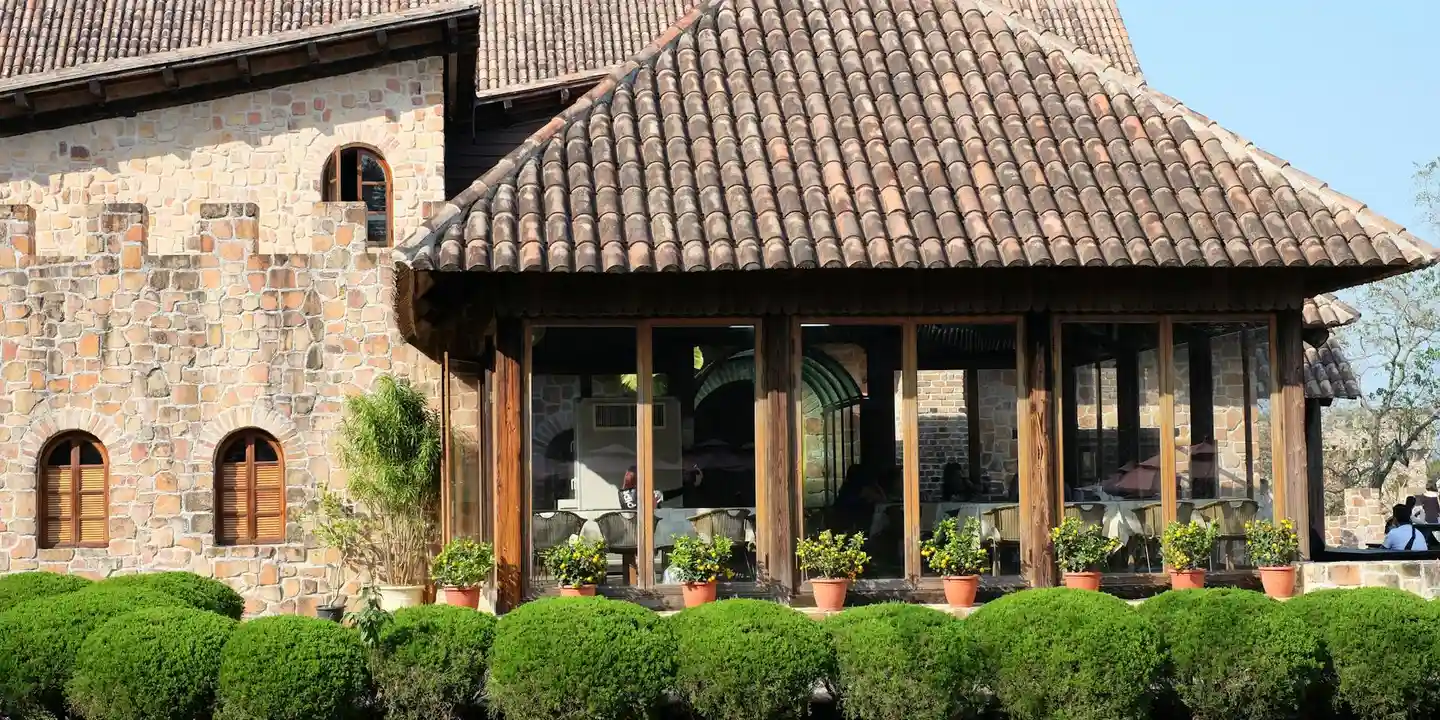
Think of your roof like a reliable old car. You don’t trade it in the moment it hits 100,000 miles, but you also don’t wait for it to break down on the highway during your commute. There’s a sweet spot.
Replacing a roof too early is a missed opportunity. You paid for those shingles, and you should get to enjoy the peace of mind and weather protection they offer. The best financial return comes when the new roof is still fresh for the next owner, installed within the last 3 to 5 years before you sell.
Wait too long, and you’re in crisis mode. A failing roof becomes a major red flag during a home inspection. It gives buyers tremendous leverage to demand a huge price reduction or even walk away. You lose all negotiating power.
The Resale Investment Window
So, is a new roof a good investment for resale? Absolutely, but timing is the key to the return. Installing a roof 10 years before you sell means you enjoyed every year of its life. The buyer gets an older roof, but it’s not a deal-breaker.
Install it 2 years before you sell, and it’s a powerful selling point. It’s a modern, worry-free system. This 3 to 5 year window is where you maximize both your personal use and the value added for the appraisal. You get to live under a secure roof, and the next owner sees a major, recent update with years of life left.
The Critical Pre-Listing Inspection
Never let a buyer’s inspector be the first person to tell you what shape your roof is in. That’s a recipe for last-minute panic and costly concessions.
Before you even think about listing your home, hire a reputable, independent roofer for a pre-listing inspection. Tell them you’re planning to sell and want a full, honest assessment. A good roofer will tell you exactly what they see.
- Are there just a few worn shingles that can be repaired?
- Is the flashing around the chimney still sound?
- Is there widespread granular loss or curling?
This inspection gives you control. You can make an informed decision to repair, replace, or simply know what to expect when negotiations start. It turns a potential weakness into a point of confidence. You can show the report to potential buyers and prove the roof’s condition.
Prepping for the Appraisal: A Roofer’s Checklist
Think of this like getting your house ready for a big photo. The appraiser is taking a mental picture of your property’s condition. Your goal is to make that picture show a well-cared-for, valuable home. A clean, orderly roof sends that message loud and clear.
Follow this list in the week before the appraisal to put your best roof forward.
1. The Ground-Level Inspection
Start by walking your property. Look up. What do you see from the street and yard? This is the appraiser’s first view.
- Clean every gutter and downspout. Clogged gutters suggest neglect and can lead an appraiser to look for related damage. Water should flow freely from the downspout outlet, away from your foundation.
- Secure any loose downspouts. A dangling downspout looks sloppy and hints at poor maintenance.
- Clear all roof debris. Remove leaves, pine needles, and branches from valleys and the roof surface. I use a leaf blower from the ground on a dry, calm day for this. It makes a dramatic difference.
2. The Roof’s “Curb Appeal”
Appraisers often use binoculars. They’re looking for signs of wear, damage, or poor installation.
- Check for moss or algae. A dark-stained roof looks old. If you have a recent treatment receipt, keep it with your paperwork. A clean roof surface simply looks newer.
- Scan for missing or lifted shingles. If you spot one or two, a simple repair with roofing cement can prevent questions about wind damage or leaks.
- Ensure all roof vents, pipes, and chimneys look intact. Sealant should not be cracked or missing. These small details show thorough workmanship.
3. The Paperwork Drill
This is your secret weapon. Verbal claims don’t carry the same weight as official documents.
- Locate the original invoice from your roofing contractor. This proves the install date and cost.
- Have the manufacturer’s warranty and the contractor’s workmanship warranty ready. Transferable warranties are a huge plus for a future buyer, and appraisers note quality materials.
- Gather receipts for any related upgrades, like new ice and water shield, upgraded synthetic underlayment, or added ventilation. This shows an above-standard investment.
4. The Day-Of Briefing
Be present if you can. You are the home’s historian.
- Politely offer your packet of paperwork (invoice, warranties) to the appraiser. Don’t force it, but make it available.
- If they ask, briefly point out the key features. For example, “We used 50-year architectural shingles and had the decking fully inspected.” Keep it factual, not boastful.
- Make sure access to the attic is clear and safe. An appraiser may want to check for proper ventilation from the inside.
A tidy, maintained roof doesn’t just look better; it tells a story of a homeowner who handles preventative care. That story supports a higher valuation. It frames your new roof not as a desperate repair, but as a premium, lasting upgrade to your property. Do this prep work, and you’ve done everything in your power to ensure you get full credit for your investment.
Quick Answers
How do I ensure my roof warranty is a true asset for resale?
First, get all warranties-both the manufacturer’s material warranty and the contractor’s workmanship warranty-in writing and make sure they are transferable to the next homeowner. Keep this paperwork with your home records; it’s a tangible asset you can show an appraiser or buyer to prove the roof’s quality and provide peace of mind.
What’s the most cost-effective roof material for my specific climate?
Match the material to your local weather patterns for the best long-term value. In most temperate zones, architectural asphalt shingles offer the best balance of cost and durability; for areas with high wind, hail, or heavy snow, invest in impact-resistant shingles or metal roofing to maximize protection and potential insurance benefits.
What are the non-negotiable signs I need a roof repair, not just a cleaning?
Look for cracked or missing shingles, dark stains on your interior ceilings, and granules collecting in your gutters. If you see any of these, call a pro for an inspection immediately-ignoring these signs lets water in, which damages the roof deck and the structure of your home, turning a simple repair into a major replacement.
Making Your Roof Work for Your Home’s Value
A quality roof replacement is a direct upgrade to your home’s appraisal value. Keep that value secure with a simple annual inspection and prompt repairs to stop small leaks from becoming big bills.
You are the first line of defense for your roof’s lifespan and safety. Make a habit of safe maintenance and keep learning about care for all roof types to make smart, lasting choices for your home.
Ray Huffington
Ray is an experienced roofer. He has worked as a general contractor in the roofing industry for over 15 years now. He has installed and repaired all kinds of roofs, from small houses to large mansion, and from basic shingles to cement and metal roofs and even solar roof panels. He has seen homeowners struggle with roofing questions and always has experience based proven advice to help those in need. If you need roof pros, Ray's your guide.