
How Often Should You Replace Your Roof? A Practical Maintenance Guide for Shingles, Chimneys, and Gutters
When was the last time you really looked at your roof? From my decades on roofing crews, I know most folks only notice it when water starts dripping inside.
You’re smart to ask about replacement timelines and upkeep. Getting this right saves you money and prevents major headaches down the road.
Here’s what I’ll cover based on real hands-on experience:
- How to read the clear signs your roof is nearing the end of its life.
- A straightforward, season-by-season maintenance plan for asphalt shingles.
- Essential care routines for your chimney and gutters to avoid costly repairs.
Is It Time? The Roof Integrity and Lifespan Report
So, how often are you supposed to replace your roof?
The honest answer is it depends. It depends on what your roof is made of, the weather it fights every day, and most importantly, how well you look after it.
I like to talk about “Roof Integrity.” Think of it like your roof’s overall health score. A roof with high integrity keeps you dry and safe. A roof with failing integrity is a ticking clock.
Millions of roofing projects happen every year, but consistent, simple maintenance is what keeps your roof off that list for decades. The number of emergency repairs I see each month is staggering, and almost all of them start as a small, neglected problem.
What’s Your Roof Made Of? A Lifespan Guide for Common Materials
Every roofing material has a different clock. Here’s a straightforward look at what you can expect.
These lifespans are for a perfectly installed roof in ideal conditions. A bad installation or a direct hit from a major storm can take years off that life in an instant, especially when it comes to roof shingles.
Red Flag Signs: When a Repair Isn’t Enough
Patching a shingle is easy. But sometimes, the entire system is failing. Here are the signs that tell me a roof is past the point of repair. It’s crucial to know when to repair or replace roof shingles before it leads to more significant damage.
- Age: If your asphalt shingles are 25 years or older, replacement is likely on the horizon, even if they look okay.
- Widespread Curling or Cupping: A few curled shingles can be fixed. When an entire slope is buckling, the underlayment and deck are compromised.
- Multiple Leaks: One leak in a valley might be a flashing issue. Leaks appearing in different rooms mean water is finding many ways in.
- Spongy or Sagging Deck: If you walk in your attic and the roof deck feels soft or you see a dip, the wood is rotting from long-term moisture.
- Bald Spots and Gutters Full of Granules: Those tiny granules protect the shingle from the sun. When they’re all in your gutters, the shingle’s core is exposed and failing.
I once went to a house where the owner had patched three different leaks over two years. From the ground, I could see the entire roof was sun-bleached and brittle. When I got up there, the shingles crumbled in my hand like a cracker. We were just taping over cracks in a dam that was about to burst. A new roof was the only safe, financially sensible choice.
Your Homeowner’s Maintenance Routine: Extend Your Roof’s Life
This is the real secret. A good maintenance schedule is how you answer “how often change roof” with “hopefully not for a very long time.” Think of it like changing the oil in your car. A little routine care prevents a catastrophic breakdown.
You don’t need to be a pro. You just need a simple, seasonal plan you can stick to.
The Biannual Ground Check: Spring and Fall
Twice a year, grab a pair of binoculars and walk around your house. Your feet stay safely on the ground.
Look for damaged, cracked, or missing shingles. Check for any dips or sags in the roofline. Look for piles of leaves or pine needles in valleys. Keep an eye out for dark streaks (algae) or green moss.
This is also when you ask, “how often clean roof?” For light algae or moss, a gentle cleaning every year or two can help. Never use a pressure washer, as it will blast off the protective granules. A low-pressure garden sprayer with a recommended roof cleaner is the safe way.
Gutter Duty: Your Roof’s First Line of Defense
Your gutters are part of your roof system. When they’re clogged, water has nowhere to go. In winter, this causes ice dams. The rest of the year, it causes water to back up under your shingles and rot your fascia board.
Clean them at least in the late fall. Wear sturdy gloves, use a small trowel to scoop debris, and flush the downspouts with a hose.
While you’re there, make sure the gutters are pitched slightly toward the downspouts and are tightly secured to the house. Loose, sagging gutters don’t move water and put stress on your roof’s edge.
Post-Storm Protocol: After the Wind and Rain
After any big storm with heavy wind or hail, take five minutes for a visual sweep from your yard.
Look for shingles that are lifted, bent, or completely missing. Check for new branches or debris on the roof. Look at the metal flashing around chimneys and vents to see if it’s bent or torn.
This quick check is critical because many leaks start small after a storm and go unnoticed until you see a ceiling stain weeks later. Catching a displaced shingle early means a simple, cheap repair.
The “Leak Point” Analysis: Fortifying Critical Junctions
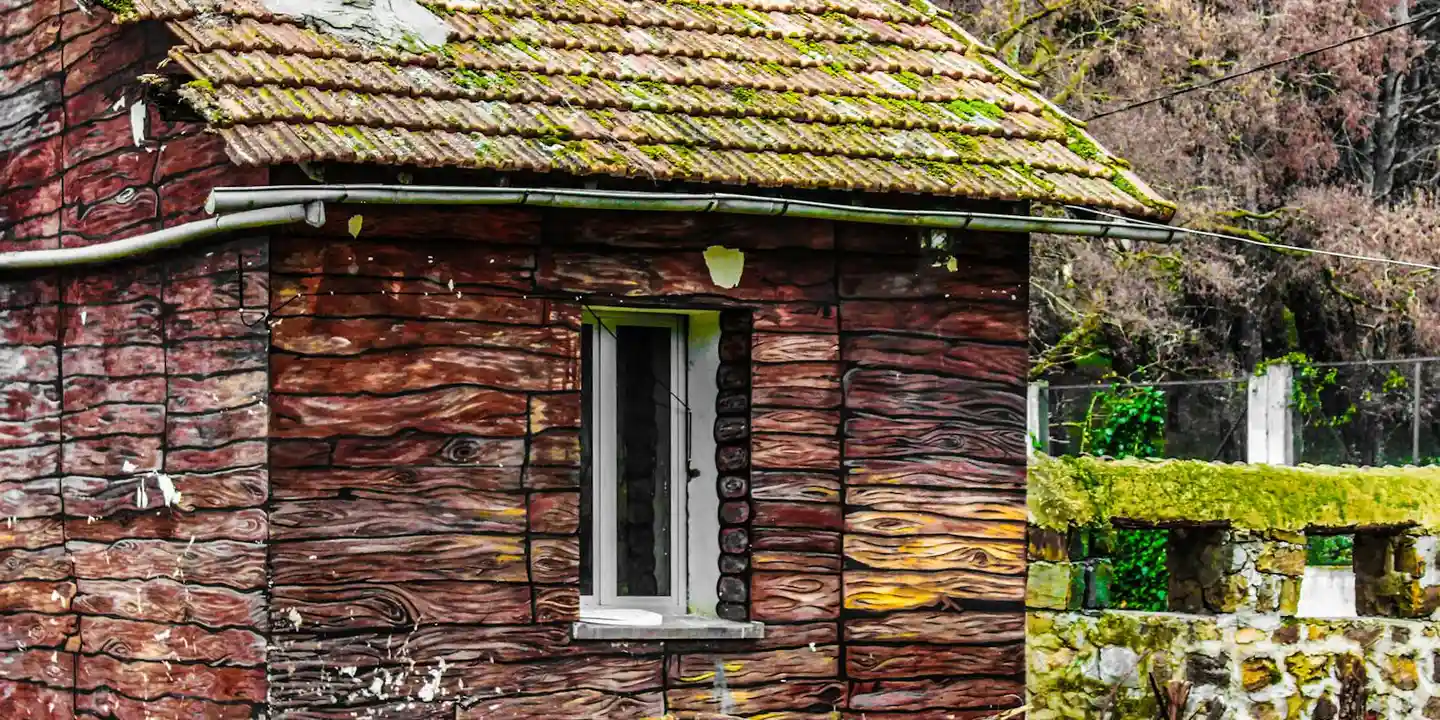
Think of a roof like a winter coat. The shingles are the tough outer shell, but the zipper, seams, and cuffs are where water sneaks in. Most leaks, I would say easily 90% of what my crew and I see, do not start on the open field of shingles.
They start where different materials meet or where the roof plane changes direction. These are the junctions, the high-stress areas you must watch closely during any inspection or maintenance check.
Flashing: The Unsung Hero
Flashing is the metal or waterproof material that seals those critical joints. It’s the waterproof tape for your house. Good flashing work is the difference between a dry attic and a costly repair.
You need to focus on three main areas:
- Chimney Flashing: This is a complex, layered system where the roof meets the brick or stone. Look for rust on metal, cracked caulk, or pieces that have lifted away.
- Roof-to-Wall Flashing: This is the metal “L” shape where your roof meets a vertical sidewall. Check that it’s securely tucked under the siding and sealed tightly against the shingles.
- Vents and Skylights: The rubber boot around a plumbing vent can dry out and crack. The metal base around a skylight can rust or separate.
The main signs of flashing failure are rust, visible cracks, sections that have lifted, or any gap you can see daylight through. If you spot these from the ground with binoculars, it’s time for a closer look.
Valleys and Roof Edges: Where Water Flows Fastest
Where two roof slopes meet, they form a valley. During a rainstorm, this isn’t just a spot, it’s a river. Valleys channel an immense volume of water off your roof, which makes them prone to wear and tear.
Twice a year, check your valleys. Make sure the metal valley liner or woven shingles are completely intact with no punctures. More importantly, clear out any leaves, pine needles, or debris that form a dam. A debris dam forces water under the shingles every time it rains.
At the very edge of your roof, the drip edge is your first line of defense. This bent metal strip directs water into the gutters and keeps it from rolling back under the roof deck. If your gutters are overflowing or you see rot on the roof edge, a missing or failed drip edge is often the culprit.
The Ice and Water Shield Advantage
This is a self-adhesive rubberized membrane that goes under the shingles. Homeowners often think it’s only for ice dams in cold climates, but that’s not the full story.
Ice and water shield sticks directly to the roof deck and seals around nail holes. In any climate, it provides a secondary, waterproof layer in the most vulnerable spots. During a roof replacement, insisting on ice and water shield in valleys, along the eaves, and around all chimneys, vents, and skylights is the single best upgrade you can make. Proper installation coverage protects every vulnerable edge. It keeps the roof guarded against leaks.
It is cheap insurance. The material cost is low compared to the cost of repairing water-damaged attic insulation, drywall, or framing from a leak that could have been prevented.
Chimney Care: More Than Just Brick and Mortar
Many homeowners forget the chimney is part of the roof. It’s not just a decorative brick column. Think of it as a carefully sealed hole you intentionally put in your roofing system. That sealing is its own multi-part system, and when it fails, water gets in fast. A common question we get is how to maintain this critical structure to prevent leaks.
The chimney is a major vulnerability because it penetrates every layer of your roof’s protection. Your shingles, underlayment, and decking all stop at the chimney. Keeping this junction watertight is a top priority for a dry attic.
Inspecting the Crown and Flashing
You can safely do a visual inspection from the ground with binoculars twice a year. Look for these three key areas.
First, examine the chimney crown. This is the slab of concrete or mortar on top of the brick chimney. It’s designed to shed water away from the flue liner and the brick itself. Look for any cracks, no matter how small. Cracks let water soak into the chimney structure, which freezes and thaws, making the cracks bigger. This is a common source of interior water stains on the fireplace wall.
Next, focus on the flashing, which is the metal (usually aluminum or galvanized steel) that bridges the gap between the chimney and the roof shingles. There are two main pieces: the step flashing woven into the shingle courses up the sides, and the counter-flashing embedded into the chimney mortar joints that covers the step flashing. Look for any metal that is bent, rusted, or appears loose. The sealant where the counter-flashing meets the brick can dry out and crack over time.
Finally, scan the mortar joints between the bricks. This is called the pointing. Look for sections where the mortar is crumbling, cracked, or completely missing. Deteriorated mortar lets water into the chimney structure, which can cause significant damage inside the wall. Repointing, which is the process of removing old mortar and applying new, is often needed on older chimneys.
When to Call a Chimney Sweep
While you can inspect the exterior, the inside of the chimney is a job for a certified professional. Creosote, a highly flammable byproduct of burning wood, builds up inside the flue liner. Too much buildup creates a serious fire hazard.
A certified chimney sweep does more than just clean; they perform a Level 1 inspection of the entire system. They check the flue liner for cracks or deterioration, the damper for proper operation, and the firebox for integrity. They can also spot early signs of problems you can’t see from the outside.
If you use your wood-burning fireplace regularly, a professional inspection and cleaning every year is a smart rule. For occasional use, every other year is often sufficient. Gas fireplaces also need periodic inspection of their venting systems. Never delay this call if you suspect a problem or see evidence of a chimney fire, like puffy creosote or damaged flue tiles.
Shingle-Specific Care: Asphalt’s Needs

Let’s talk about asphalt shingles. They cover most homes I see, so knowing how to care for them is key.
With good maintenance, you can get every year of that 20 to 25-year lifespan we talked about. Without it, a roof can fail 5 to 10 years early, especially when considering various residential roof life expectancy factors.
Think of maintenance as adding years to your roof’s life, not just checking a chore off a list.
Moss, Algae, and How to Handle Them Safely
First, know what you’re looking at. Algae shows up as black streaks. It’s mostly ugly, but doesn’t hurt the shingles much. Moss is the green, fuzzy stuff. This is the real problem.
Moss acts like a sponge, holding moisture against your roof deck 24/7. That constant dampness rots wood and lifts shingles.
You can clean both safely without a pressure washer. I never use one on a roof. The high pressure blasts off the protective granules, making your shingles age faster. Cleaning shingles with your feet or using any abrasive method is equally risky for the roof’s lifespan.
Here’s a safer way.
- Buy a roof cleaner from a hardware store. Look for one labeled for moss and algae.
- Use a garden sprayer to apply it. A pump sprayer works great.
- Spray it on a cool, cloudy day. Let the cleaner do the work for 20-30 minutes.
- Gently rinse with a garden hose on a low-pressure “shower” setting.
High-pressure washing strips years off your roof’s life by eroding the shingle surface. Gentle cleaning protects your investment.
Dealing with Minor Damage: Spot Repairs
You see a curled or cracked shingle after a storm. Replacing a few yourself can stop a small leak before it becomes a big one.
Safety first. Only do this on a dry, calm day. Use a sturdy ladder placed on solid ground. Wear shoes with good rubber soles.
Gather your tools. You’ll need a flat pry bar, roofing nails, a hammer, a tube of roofing sealant, and a few replacement shingles.
Here are the steps I follow on my own jobs.
- Slide the flat bar under the damaged shingle, right above the nail line.
- Gently pry up to pop the roofing nails. Do the same for the shingle above it.
- Once the nails are free, slide the old shingle out.
- Slide the new shingle into place.
- Nail it down with four roofing nails, placed just below the adhesive strip.
- Lift the shingle above and add a dab of sealant on each new nail head. Press the shingle back down.
Sealing those new nail heads is the step most DIYers miss, and it’s what keeps water out.
This spot fix can buy you serious time. But if you see damage in many areas, it’s time to call a pro for an inspection.
The Professional Eye: When to Schedule an Inspection
You can be the most diligent homeowner on the block. Even with your own careful checks, there’s no substitute for a trained professional on your roof. Think of it like a physical exam. You might feel fine, but a doctor can spot the early signs of something you’d miss.
I advise every homeowner to budget for a professional inspection, separate from any repair or sales pitch.
What a Good Pro Looks For
A thorough inspector doesn’t just glance at your shingles from a ladder. They perform a systematic check from the inside out. Here’s what a quality inspector on my crews always examined:
- Decking from the Attic: They’ll go into your attic with a bright light. They’re looking for stains, soft spots, or daylight peeking through the roof boards. This is the only way to see water damage that hasn’t reached your ceilings yet.
- Ventilation Balance: They calculate if your intake and exhaust vents are balanced. Poor ventilation cooks shingles from underneath and causes ice dams. I’ve seen countless roofs aged 10 years before their time because of this.
- All Flashings: Every penetration is a potential leak. They’ll check the chimney flashing, plumbing vent collars, wall flashings, and the critical area where different roof planes meet (the valleys). They look for lifted nails, cracks, or failed sealant.
- Sealants and Caulking: Over time, the tar-like sealant on vent pipes and along flashings dries out, cracks, and fails. A pro will note all of these spots.
- Overall Installation Quality: They assess the shingle alignment, nail placement, and starter strip condition. A single row of misplaced nails can create a failure point for wind.
A trustworthy inspector will provide you with a detailed, photo-based report, not just a verbal summary. This document is gold. It gives you a baseline of your roof’s health and helps you plan and budget for repairs.
The 10-Year Rule and Major Weather Events
For a roof that’s in good shape with no glaring issues, I suggest a professional inspection every 8 to 10 years. This mid-life checkup can catch minor problems before they become structural or lead to interior damage. It’s a smart, proactive investment.
After a major hailstorm or hurricane, a professional inspection is non-negotiable, even if you see no obvious damage.
Hail can bruise asphalt shingles, compromising the granules that protect the matting underneath. You might not see the damage from the ground, but it will shorten your roof’s life. Hail size often correlates to the severity of the damage. Hurricane-force winds can loosen fasteners and compromise seals you’ll never spot. Many of the roofs replaced each year are a direct result of these storm damage assessments. An inspector’s report is often the key piece of evidence you need for a successful insurance claim.
Making the Replacement Decision

So, how often should you replace your roof? With the signs of aging and typical lifespans in mind, the answer becomes clearer. You replace it when the cost of constant fixes outweighs the value of a fresh start.
Weighing Repairs vs. Full Replacement
Here’s a simple rule my crew and I have used for years. If you need repairs on over 25-30% of the roof surface, or if the shingles are near the end of their lifespan, a full replacement is almost always the smarter financial move. Think of it like a worn-out tire. Patching one spot is fine, but if the whole tread is thin, you need a new one.
I’ve been called to homes where owners chased leaks for years with small repairs. Those recurring service calls add up fast, and they don’t stop the next leak from starting somewhere else. The real danger is hidden. A compromised roof can let water into your attic and walls. Fixing interior mold or ruined insulation costs far more than a new roof ever will.
Planning Your Project
Once you decide to replace, your next job is picking the right team. Always choose a contractor who is licensed, insured, and can give you references from homes in your area. I tell homeowners to ask for proof of insurance before anyone steps on a ladder.
When the work starts, don’t just watch the shingles go on. Proper attic ventilation and a high-quality synthetic underlayment are critical for a long-lasting roof. Ventilation is like your roof’s breathing system; it prevents heat and moisture buildup that cook shingles from underneath. Good underlayment acts as a backup raincoat if wind drives rain under the shingles.
You now have the knowledge to ask the right questions and demand quality work. Making informed choices today lets you protect your home and your investment for decades.
Quick Answers
How often should a professional really inspect my roof?
For a roof with no issues, schedule a pro inspection every 8-10 years. Always get one after a major hailstorm or hurricane, even if you see no obvious damage from the ground.
How can I spot hidden roof damage without climbing up?
Check your attic with a flashlight for stains, soft wood, or daylight through the boards. From the ground, look for sagging roof lines, dark streaks from algae, or gutters full of shingle granules.
What’s the most important proactive care for asphalt shingles?
Keep your gutters clean and your roof surface clear of moss and debris. Never use a pressure washer; it strips the protective granules and shortens your roof’s life significantly.
Your Action Plan for Roof Health
Commit to a thorough roof inspection every spring and fall. This consistent habit is the simplest, most powerful way to add years to your shingles and avoid surprise leaks.
Your vigilance is what keeps the structure safe, so always prioritize secure footing and proper equipment. I recommend treating roof care as a skill you build over time, using detailed resources like our guide on Roof Care for all types of roofs.
Ray Huffington
Ray is an experienced roofer. He has worked as a general contractor in the roofing industry for over 15 years now. He has installed and repaired all kinds of roofs, from small houses to large mansion, and from basic shingles to cement and metal roofs and even solar roof panels. He has seen homeowners struggle with roofing questions and always has experience based proven advice to help those in need. If you need roof pros, Ray's your guide.