
How Do You Repair Cracked Concrete and Fix Loose Clay Roof Tiles?
Hear a rattling sound during a storm or see a suspicious crack from the ground? You’re likely wondering if your roof is failing and what it will take to fix it.
A broken tile can lead to serious leaks, but with the right approach, you can make a safe and lasting repair. This guide covers the professional methods I’ve used for years.
We will cover how to safely inspect for damage, the step-by-step process to replace a single broken concrete tile, and the right way to secure a loose clay tile without causing more cracks.
Diagnosing the Problem: What Your Cracked or Loose Tiles Are Telling You
Finding a cracked or wobbly tile is like your roof sending you a memo. Your job is to read it correctly before you act. Not every crack means water is pouring into your attic right now.
Are cracked roof tiles a problem? It depends on your definition of “problem.” A hairline crack might not leak today, but it’s a weak point that will let water in eventually. A tile broken clean across is a direct path for moisture. Think of it as a cracked windshield. A small chip might be okay for a while, but a big crack spreads and compromises everything.
Are roof tiles supposed to be loose? No, a properly installed tile should not move freely. There’s a nuance, though. In high winds, you might see slight uplift, which is normal. A tile you can lift with your fingers or one that rattles is a failure waiting to happen. It can fly off or let driven rain underneath.
So, how do roof tiles crack? It’s usually one of these culprits:
- Foot Traffic: This is the number one cause I see. Walking on tiles, even carefully, pressures them in ways they aren’t designed for.
- Thermal Stress: The sun heats the tile, it expands. At night, it cools and contracts. Over years, this cycle can cause fatigue cracks.
- Impact: Hail, falling branches, or a dropped tool can cause immediate, obvious breaks.
- Settling: If your house settles unevenly, it can twist the roof deck and crack tiles along stress points.
Can a new roof cause cracks? Yes, it can. If tiles were stored poorly on the ground before installation, they might have had hidden stress cracks. More often, it’s from installers walking on them incorrectly or over-driving nails during installation.
Ground-Level Inspection Guide
You don’t need to climb up to spot major issues. Use a sturdy ladder for a side-view and a good pair of binoculars.
- Look for tiles that are a different color or out of line.
- Scan for visible cracks or missing pieces, especially on roof ridges and edges.
- Check for tiles that look lifted compared to their neighbors.
- After a storm, look for debris or tile fragments in your gutters or on the ground.
This inspection tells you what you’re dealing with before you ever set foot on the roof.
The Concrete Truth: Step-by-Step Repair for Cracked Concrete Tiles
How do you repair cracked concrete roof tiles? You do it with patience, the right tools, and a healthy respect for the danger. This isn’t like patching an asphalt shingle.
Hazard & Safety Assessment: Read This First
Concrete tile roofs are slippery, steep, and brittle. A misstep can send you sliding or punch a hole through a $50 tile. I once saw a homeowner try this in sneakers and he broke three good tiles just trying to reach the bad one. Your safety and the roof’s integrity come first. It’s always best to leave concrete roof tile installation and repairs to the professionals.
Non-negotiable gear includes a properly anchored fall arrest harness, roof jacks and a plank to work from, and shoes with soft, rubber soles. Your goal is to distribute your weight and avoid direct pressure on any single tile.
Your Toolkit for Concrete Tile Repair
Gather everything before you go up. Nothing is worse than being on the roof and realizing you’re missing a tool.
- Safety Gear: Harness, roof jacks/plank, soft-soled shoes, gloves, safety glasses.
- Tools: Masonry chisel, flat bar, hammer, cordless drill with masonry bit, stiff brush.
- Materials: Roofing cement (in a caulk tube), high-quality urethane roof sealant, matching replacement concrete tile, 1.5″ stainless steel screws or ring-shank nails.
The Removal Dance: Getting the Bad Tile Out Without Breaking Its Neighbors
This is the delicate part. Think of it like removing a single book from the middle of a tightly packed shelf. You can’t just yank it.
- Start from the peak and work down to the damaged tile. Carefully lift the tile directly above it.
- Insert your flat bar under the lifted tile to gently raise the broken tile’s top edge.
- If it’s nailed, you may need to slide the chisel under to cut the nail or pry it up. Sometimes, you can carefully drill out the nail head.
- Once free, slide the broken tile out and down. Work slowly to avoid scratching the surrounding tiles.
How do you replace a roof tile? For concrete, you reverse the removal process. Slide the new tile up into place, align it perfectly, and secure it with a stainless steel screw or nail at the top, being careful not to overtighten. Then, gently lower the overlapping tile back down. The tile’s own weight locks it in, similar to how you would replace damaged shingles.
Sealing vs. Replacing: The Field Repair for a Stable Crack
If you find a thin, hairline crack and the tile is still solidly attached, you might seal it in place. This is a temporary fix to buy time.
- Clean the crack thoroughly with a brush. Remove all dirt, moss, and debris.
- Force a bead of high-quality urethane roof sealant deep into the crack. Urethane stays flexible and bonds well to concrete.
- Feather the sealant over the crack to create a watertight shield.
Do not seal a tile that is broken into pieces or has a crack running through the nail hole. The structural integrity is gone. Sealing will fail and trap moisture, leading to rot underneath. When in doubt, replace the tile. A proper fix is always better than a hopeful patch.
Handling Fragile History: Repairing Loose and Broken Clay Tiles
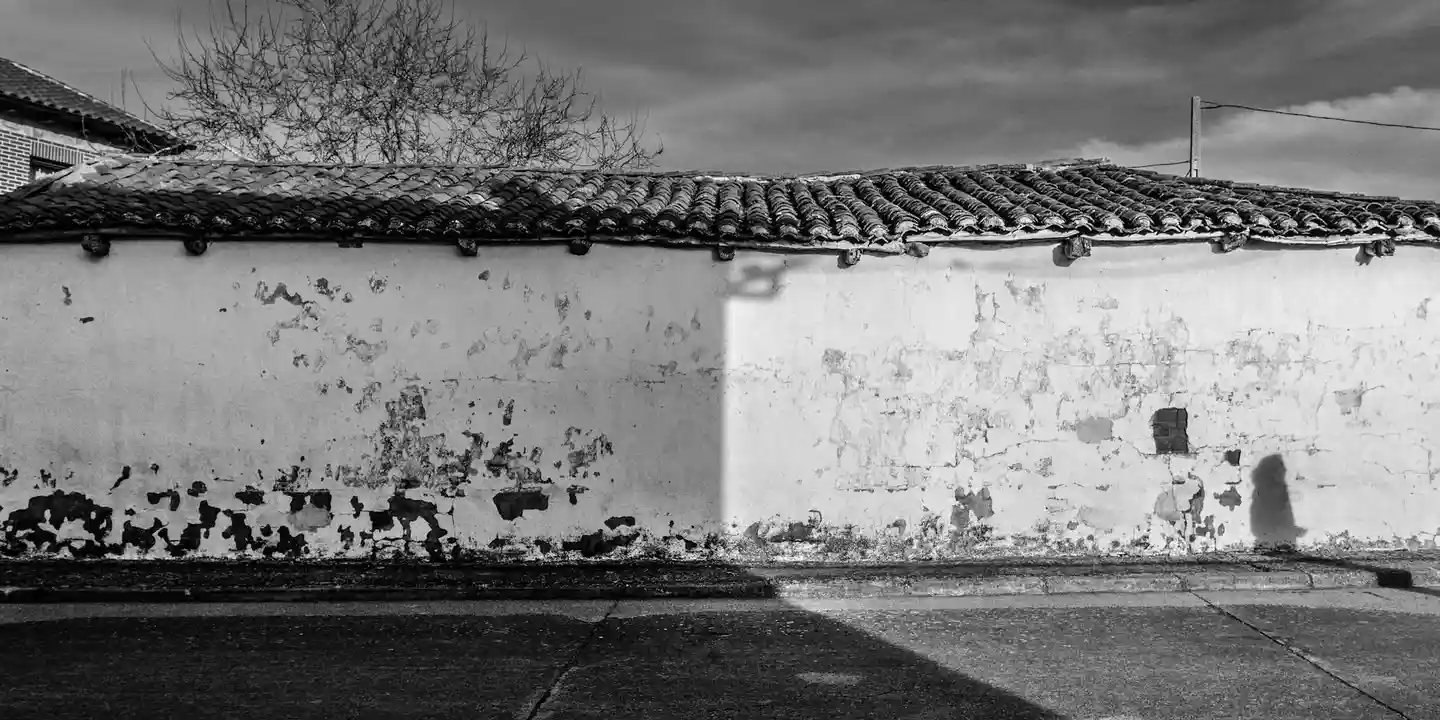
How do you fix loose or broken clay tiles? You treat them like heirlooms, not lumber. Clay is more brittle than concrete, and a heavy hand will make one problem into three. The approach is gentler, slower, and requires a different set of materials.
I once worked on a historic home where the homeowner had tried to “tap” a loose clay tile back into place with a hammer. We ended up replacing six tiles instead of securing one. Patience is your most important tool here.
Why Clay Tiles Fail: More Than Just Age
Age is a factor, but clay has its own unique enemies. The biggest is freeze-thaw cycles, called frost spalling. Water seeps into tiny pores, freezes, expands, and literally pops the face of the tile off like a shell. Improper original fastening is another. If a tile was just set in mortar without a proper copper nail or clip, it was just waiting to walk away.
Lastly, the roof deck itself can move. A shifting substrate puts stress on the rigid tiles above. So, can clay tile roofs be repaired? Yes, absolutely, but with care. Spot repairs are standard practice for clay roofs that are otherwise sound.
The goal is to fix the issue without disturbing the surrounding tiles, which can be a delicate puzzle.
Securing a Loose Clay Tile
This is for a tile that has lifted but is still in one piece. The key is accessing the fastener. How do you reattach roof tiles in a clay system? You almost always need to add a new one.
- Carefully lift the two tiles that overlap the top edge of your loose tile. You may need a flat bar with a taped end to prevent scratches. Go slow.
- Once the loose tile is exposed, you’ll see how it’s fastened. It might have an old rusted nail, a copper clip, or nothing at all.
- Remove any old, failed fastener. If the nail hole is enlarged, you may need to use a slightly larger gauge copper nail (copper won’t stain the tile).
- Position the tile back into its correct alignment. Drive a new copper nail or install a new stainless steel clip through the pre-drilled nail hole in the tile.
- Never nail through the body of a clay tile. You will crack it. Always use the pre-formed hole.
- Gently lower the overlapping tiles back into place.
Securing a tile properly prevents it from rattling, sliding, and eventually breaking from the constant movement.
Fixing a Broken Clay Tile: The Two-Part Puzzle
For a tile that is cracked into pieces, you have two jobs: remove the debris and bond it back together. Can broken roof tiles be glued back on? Sometimes, if you have all the pieces and use the right “glue.” That means a specialized two-part epoxy formulated for masonry and ceramics, not a tube of standard construction adhesive.
First, remove the broken pieces. You’ll likely need to lift the overlapping tiles again. Clear all fragments from the underlayment. This is critical. A leftover shard can puncture the waterproofing layer beneath.
Now, for the bond. You have two main product types. Epoxy putty is kneaded together and applied like clay. It’s thick, fills gaps well, and is good for structural breaks. Liquid two-part epoxy is mixed and applied with a brush or stick. It’s better for hairline cracks where you need a penetrating bond.
Whichever you choose, follow the manufacturer’s instructions to the letter, especially for mixing ratios and curing time before exposing it to weather. Test the bond on a spare piece or the back of a fragment first. A proper epoxy repair creates a permanent, waterproof bond that is often stronger than the original clay.
The Roof Integrity & Lifespan Report: Repair, or Time to Replace?
This is the analysis I give homeowners on site. Repairs are smart maintenance, but there comes a point where you’re just postponing the inevitable. Knowing the difference saves you thousands.
How Long Should These Roofs Last?
Let’s set realistic expectations. A well-maintained concrete tile roof should give you 30 to 50 years of service. A quality clay tile roof, with its fired durability, can last 50 years minimum, often reaching 100 years or more. These lifespans assume proper installation, a stable deck, and a climate that isn’t brutally harsh on the materials. Additionally, residential roof life expectancy factors like climate, maintenance, and installation quality shape its longevity. Recognizing these factors helps tailor maintenance and replacement planning for your home.
If your roof is near or past these marks and showing issues, every repair needs extra scrutiny.
Red Flag Warnings: When a Patch Job is a Waste of Money
Do cracked roof tiles need to be replaced? Individually, no. But as a symptom, maybe. Look for these systemic red flags:
- Widespread cracking or breakage (more than a few tiles per slope).
- Multiple, recurring leaks in different areas.
- Spongy or soft spots when walking the roof (deteriorated decking).
- Visible sagging in the roofline.
- Cracked or brittle underlayment felt that crumbles when a tile is lifted.
Can a cracked roof tile cause a leak? Absolutely. Water follows gravity. A crack is a channel. Now imagine dozens of cracks. The underlayment is your last line of defense, and if it’s old, it can’t handle that volume.
When you see clusters of problems, you’re not looking at bad tiles. You’re looking at a failing roof system.
The Repair vs. Replace Cost-Benefit Verdict
Let’s talk numbers. A DIY repair for a few tiles costs $50 to $150 in materials (epoxy, fasteners, sealant). A professional spot repair for a small area might run $300 to $800. A full roof replacement for a moderate-sized home with concrete or clay tiles starts in the tens of thousands. Costs vary based on several factors but this gives you a general idea.
Here is the verdict I stand by. If you see more than two of those red flags, especially widespread failure and a deck in question, a repair is a band-aid on a broken arm.
Start budgeting for replacement. Investing in constant small repairs on a failing system will ultimately cost more than a new, warrantied roof that protects your home for decades, especially when you consider some of the roof repair myths debunked.
Pro-Only Territory: When Your Safety Demands Calling a Roofer
Let me be direct. Walking on a tile roof is nothing like walking on asphalt shingles.
Shingles have a gritty, textured surface. Concrete and clay tiles are smooth, curved, and incredibly slippery, even when dry. One misstep can send you sliding off the edge. This is the main reason I tell most homeowners to stop at the ladder and call for backup.
Here are the specific jobs where your safety demands a professional crew:
- Steep Pitches: If your roof slope is steeper than 6/12 (that’s a 6-inch rise for every 12 inches of horizontal run), it’s a no-go zone for DIY. That’s the point where footing becomes dangerously unreliable.
- Complex Repairs: Replacing multiple broken tiles in a tight valley, along a hip, or near the ridge requires specialized walking boards and techniques. Accessing these areas safely is a skilled job.
- Uncertain Footing: If you look up and feel any hesitation about walking on those tiles, listen to that instinct. Moss, mildew, or a simple morning dew can turn them into a skating rink.
- Visible Underlayment or Rot: If broken tiles have exposed the black felt or wood decking underneath, you have a bigger problem. Water has been getting in. A pro needs to assess and repair the underlayment before new tiles go on, or you’ll just be covering up rot.
Hiring a pro isn’t just about avoiding a fall. It’s about a better, longer-lasting repair. A reputable roofing contractor brings things you simply can’t DIY roof repair.
They can source replacement tiles that match your roof’s exact color and profile, which is tough for a homeowner. Their work is typically warrantied. Most importantly, they know how to make repairs without disturbing the roof’s critical ventilation system or compromising the weather-tight seal of surrounding tiles. If you’re considering any installation steps, a roof tiles manufacturing installation guide offers the official steps and specs to follow. This helps ensure proper fit and protects warranties.
Keeping It Solid: Maintenance to Prevent Future Cracks and Loosening
The best repair is the one you never have to make. Good maintenance stops small problems from becoming big, expensive ones.
Think of your tile roof like a classic car. It’s built to last, but it needs consistent, gentle care.
Here is your simple action plan to keep it solid for decades:
- Manage Your Gutters: Clogged gutters cause water to back up. In winter, this creates ice dams that push water under your tiles. Clean your gutters at least twice a year, in late fall and early spring.
- Trim Overhanging Branches: Limbs scraping on tiles in the wind will crack them. Falling branches can shatter them. Keep a clear zone above your roof.
- Never Pressure Wash: This is a common mistake. The high-pressure jet forces water under the tiles and strips away their protective mineral coating. If you need to clean algae or moss, use a low-pressure garden hose and a soft brush from the ground, or hire a specialist who uses soft-wash techniques.
- Schedule a Professional Eye: Every two to three years, have a roofing pro do a walk-around inspection. They can spot hairline cracks, loose tiles, and failing sealant you’d miss from the ground. It’s a small investment for major peace of mind.
What if a major storm rolls through? Don’t panic.
If you see water leaking inside, place a bucket and move furniture. From the outside, take clear photos of the damage from multiple angles for your insurance claim. Do not make permanent repairs until your insurance adjuster has seen the damage. You can, however, call a roofer for a temporary tarp to prevent further interior damage. A good roofer will document everything for you.
You now know how to handle a single broken tile and when to pass the job to a professional. You have a straightforward plan to keep your roof strong. This knowledge lets you protect your home wisely, whether you pick up the tool belt or the phone.
Common Questions
How can I prevent my roof tiles from cracking in the first place?
Minimize foot traffic at all costs-it’s the top cause of cracks. Keep gutters clear to prevent water backup and trim back any overhanging tree limbs to avoid impact damage and debris accumulation.
Is a cracked tile an emergency that needs immediate repair?
Not always, but a tile broken into pieces is. For a stable hairline crack, monitor it and plan a repair. For a severe break, use a high-quality sealant as a temporary patch and schedule a proper fix to prevent water intrusion.
What’s the main difference between maintaining concrete versus clay tiles?
Clay is far more fragile and susceptible to freeze-thaw damage. Always handle clay tiles gently, use only copper or stainless-steel fasteners, and never pressure wash. For concrete, focus on protecting the surface from impact and avoiding point pressure.
Keeping Your Tile Roof Strong and Secure
Address small cracks and loose tiles promptly to stop water intrusion and avoid major repairs. With the correct materials and a careful hand, your fix will hold firm and keep your home dry for years.
Your roof’s longevity depends on your commitment to safe, informed maintenance-always prioritize safety with the right equipment. For repairs, following roof repair safety practices helps protect you on ladders and during work. I encourage you to keep learning through detailed resources like our Roof Care, All Types of Roof Guide, Care, Maintenance articles to stay ahead of any issue.
Ray is an experienced roofer. He has worked as a general contractor in the roofing industry for over 15 years now. He has installed and repaired all kinds of roofs, from small houses to large mansion, and from basic shingles to cement and metal roofs and even solar roof panels. He has seen homeowners struggle with roofing questions and always has experience based proven advice to help those in need. If you need roof pros, Ray's your guide.