
Copper vs. Steel Gutters: Which Lasts Longer for Your Home?
Why do some gutters age with graceful beauty while others end up in a scrap pile after a few storms? I’ve wrestled with both copper and steel on roofs across the country, and the answer goes deeper than a shiny finish.
You’re choosing a premium system and want to avoid a costly mistake. I’ll help you look past the initial price tag to see the real value for your house.
We’ll compare how they handle decades of rain and sun, the full price story from install to replacement, and the maintenance demands that will fall on you.
Understanding the Gutter Material Showdown
Choosing between copper and steel isn’t just about picking a material from a list. You are choosing the long-term partner for your roof’s drainage system. This is a practical decision with real consequences for your home’s protection and your wallet. Much like when you choose the right shingles for your roof, selecting the proper material for gutters is crucial.
In my world, a “premium” gutter earns that title through three things. First is longevity, meaning it outlasts typical aluminum by decades. Second is unwavering performance, moving water reliably through storms and seasons. Third is added value, enhancing your home’s curb appeal and structural integrity. Both copper and steel can hit these marks, but they do it in very different ways.
Both copper and steel are excellent choices, but which one is right for you depends entirely on your priorities and what you’re willing to invest upfront. One is like a fine wine that ages beautifully, while the other is like a rugged workhorse built for tough conditions.
Durability and Lifespan: The Long-Term Integrity Report
Let’s cut to the chase. When you’re investing in a premium gutter system, the first question is always: how many years will I get out of this?
How Long Do Copper Gutters Really Last?
A properly installed copper gutter system can easily last 50 years or more. I’ve worked on century-old homes where the original copper gutters were still doing their job, with just a little maintenance over the decades.
The famous green patina that develops on copper is a feature, not a bug. Think of it as the gutter building its own protective jacket. This patina, called verdigris, actually slows down the corrosion process underneath. The transformation from shiny bronze to stately green is a sign the gutter is settling in for a very long life.
Even copper needs a watchful eye. Here are the red flags that tell you a copper gutter needs attention:
- Pitting: Small, deep holes in the metal, often from acidic debris or pollution.
- Stress cracks at seams: Look for hairline fractures at the soldered joints, a sign of expansion and contraction stress.
- Sections pulling away: If a length of gutter is separating from the fascia board, the hangers may have failed or the metal itself has weakened.
How Long Do Steel Gutters Really Last?
Steel gutter lifespan is a broader range, typically 20 to 50 years. The huge swing depends completely on the type of protective coating used.
Basic galvanized steel (zinc-coated) is on the lower end of that range, especially if the coating is scratched or compromised. The premium player is Galvalume steel, which is coated with an aluminum-zinc alloy. I’ve seen Galvalume outlast standard galvanized by 15 years or more because that coating is much more resilient.
Steel tells you it’s in trouble through clear, visible signs. Watch for these warnings:
- Rust spots: Any orange-brown bubbling, especially in seams or end caps, means the protective coating has failed.
- Paint failure: On painted steel, peeling or chalking paint exposes the metal to the elements.
- Visible dents and sags: A steel gutter that holds a permanent dent or sags in the middle will pool water, accelerating rust and straining the system.
The Strength and Corrosion Battle
For raw, physical strength, steel is the heavyweight champion. If a heavy ladder leans against it or a large branch falls, steel is more likely to dent rather than crumple. Copper is softer and more malleable, which makes it easier to form and shape on-site but also more susceptible to damage from impacts.
When it comes to rust, copper wins outright. Copper naturally resists corrosion. Steel, however, wants to rust. That’s why the coating is everything. The battle for steel is keeping that protective layer intact. Once the coating on steel is breached, rust can spread underneath it, which is why inspecting for scratches is so important.
Your local climate is the final judge in this battle. Coastal salt air is brutal and can eat through coatings faster. Heavy, wet snow can overload and bend weaker sections. Industrial pollution can accelerate the patina on copper and degrade coatings on steel. In harsh climates, the extra investment in thicker gauges and top-tier coatings (for steel) or pure copper becomes much easier to justify.
Appearance, Value, and the Curb Appeal Factor
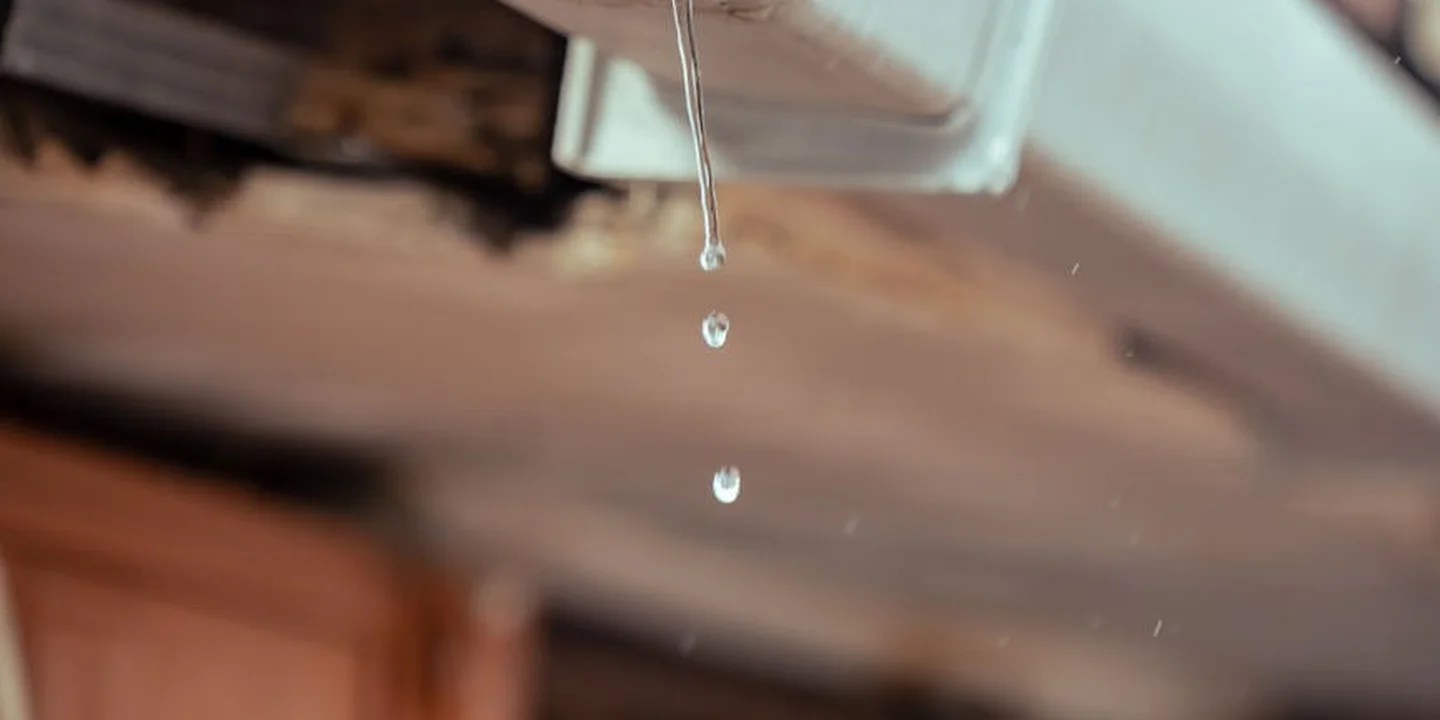
Your gutter choice directly shapes your home’s first impression. How each material looks on day one and how it gracefully ages over twenty years is a major buying decision. I always tell homeowners to think long-term, like you would with a roof. When you’re weighing profiles, K-style and half-round gutters are two popular options that influence both look and performance. The right choice will harmonize with your home’s style and your maintenance goals.
Copper’s Living Finish vs. Steel’s Painted Look
New copper gutters have a bright, shiny penny look. But that’s just the opening act. Left alone, they will naturally tarnish to a rich brown and then develop a iconic greenish-blue patina called verdigris. This living finish evolves over years, giving your home a stately, permanent look that many find incredibly charming. It’s like a good pair of jeans that only get better with age.
Steel gutters are a different story. They almost always come from the factory with a baked-on paint finish in your chosen color. The painted look is crisp and uniform from the start, but that paint is a wear item that will eventually fade, chip, or peel. You can repaint them, but it’s a maintenance chore you’ll need to schedule every 5 to 10 years.
Can you paint both materials? Yes, but you shouldn’t paint copper. Applying paint traps moisture and stops the natural patina process. You lose the main aesthetic benefit. Painting steel, however, is a standard and necessary part of its upkeep to seal the metal and prevent rust.
How Gutters Impact Your Home’s Resale Value
Gutters are a detail buyers notice. Copper has a powerful effect on perception. On a house, weathered copper gutters silently signal quality, longevity, and a premium level of care, which can positively influence a home’s appraised value. I’ve had real estate agents point out copper details as a selling feature.
Be realistic. Not every home needs or suits copper. A high quality, seamless steel gutter system in excellent condition is itself a solid, upscale feature. It shows a practical investment in durability and function, which savvy buyers also appreciate. In my crew’s experience, both materials add curb appeal and value when they are correctly installed and well maintained.
The Real Cost Analysis: Installation and Lifetime Expense
Let’s break down the numbers. The true cost of gutters isn’t just the price tag on day one. You need to budget for their entire life on your home, especially when comparing aluminum and vinyl gutters.
Upfront Price Tag: Initial Installation Costs
Copper commands a premium price. For material and professional installation, you can expect to pay between $25 and $40 per linear foot. Steel gutters typically range from $8 to $20 per linear foot. For an average home, this means a copper system can easily cost two to three times more upfront than a steel one. Also, consider the gutter guard installation cost as part of your budget so you can compare overall price when guards are added. This will help you weigh long-term value against initial material costs.
Installation complexity adds to the cost. Copper work is a specialty craft that requires soldering seams, using specific tools, and having an experienced crew to ensure watertight joints. It’s not a job for a general handyman. Steel gutter installation is more common and often uses simpler mechanical fasteners or snap together parts.
Long-Term Maintenance and Repair Costs
This is where the cost story flips. Copper gutters are famously low maintenance. Once the patina forms, they are highly resistant to corrosion. Your main jobs are keeping them clear of debris and inspecting for physical damage, like dents from ladders. You will almost never paint or treat them for rust.
Steel gutters require a proactive maintenance schedule. You should clean them at least twice a year. Plan to repaint them every 5 to 10 years to protect the finish and underlying metal. If you see a rust spot, you must sand it and apply a primer and paint immediately to stop it from spreading.
Repair costs differ greatly. Patching a small hole or soldering a split seam in copper is almost always cost effective, given its 50 plus year lifespan. With steel, patching multiple rust holes is often a temporary fix and a waste of money, full section replacement is usually the smarter long term investment.
For a full repair job, think $500 to $2,000 for copper and $300 to $1,500 for steel, depending on damage. A full replacement for an entire home might range from $5,000 to $15,000 for copper and $3,000 to $10,000 for quality steel. These are my estimated tiers from past projects, and your actual cost will depend on your home’s size and local labor rates.
Climate, Installation, and Environmental Fit
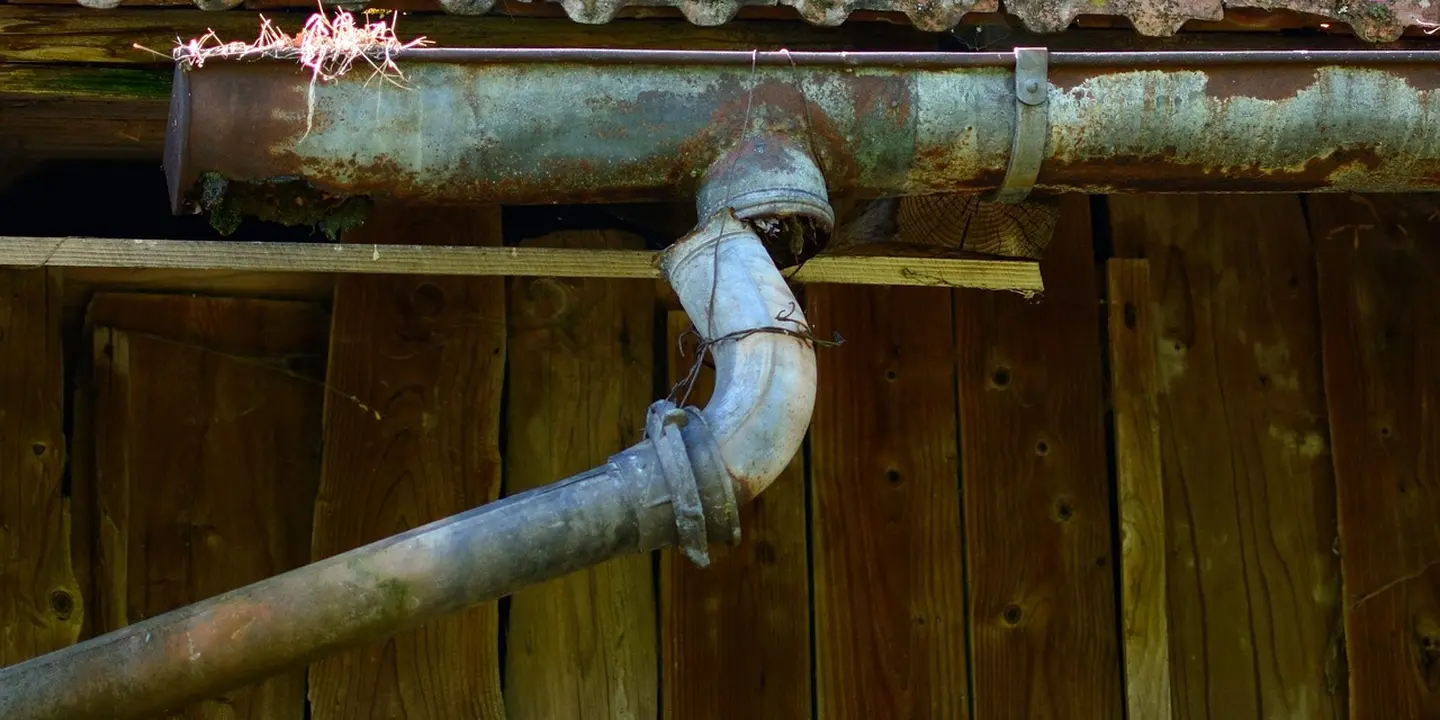
Picking the right gutter is like choosing the right tool for a job. It has to suit your house and the weather it fights every day. I have fixed leaks on expensive homes where the wrong metal was used for the local climate. Gutter guards can change the game, but their value depends on the climate and debris patterns. Knowing whether gutter guards are worth it in different climates helps you choose the right setup for your home.
Choosing for Your Climate: Salt Air, Snow, and Sun
Copper gutters are built for the coast. Salt spray actually helps them by forming a green-blue patina that seals the metal. In salty air, copper gutters will outlast anything else without corroding.
For heavy snow country, look at steel gutters with a thick, painted coating like Kynar 500. This coating is a tough skin that resists scratches from ice and snow. Steel’s rigid strength is better at supporting the weight of snow and ice dams without bending.
All metal moves with heat and cold. On a long, sunny roof line, a gutter can grow and shrink inches over a year. For runs longer than 40 feet, a quality installer must add expansion joints to prevent the gutters from tearing themselves apart.
Installation Day: What a Quality Job Looks Like
Copper sections are often joined with lead-free solder for a seamless, leak-proof bond. Steel gutters usually connect with rivets and a thick sealant. The sealing method must match the material, or you will have leaks at the seams within a few seasons.
Hangers are the gutters’ backbone. Use hidden strap hangers for copper, screwed solidly into the roof deck. For steel, spike-and-ferrule or bracket hangers work, but they must be close together. Hangers should be spaced no more than 2 feet apart for copper and 3 feet for steel to prevent sagging.
The gutter must slope toward the downspout. Aim for a drop of half an inch for every 10 feet of gutter. Use a gutter slope measure to verify the angle along the run. If the measurement shows a shortfall or excess, adjust flow to direct water toward the downspout. Without the correct slope, water will pool and overflow, defeating the whole system.
Safety means following code. Downspout size is not a guess. It is based on your roof’s square footage and your area’s maximum rainfall rate. An undersized downspout will flood your foundation during a storm. Every hanger must be secured with long screws into solid wood, not just the fascia board, to resist wind uplift.
Environmental and Sustainable Choices
Copper is 100% recyclable. An old copper gutter can be melted down and reused forever without losing quality. Choosing copper is a vote for a material cycle that produces very little waste.
Most steel gutters today contain a high percentage of recycled steel. Their long life means fewer replacements over the life of your home. The greenest gutter is the one you install once and never have to replace. Eco-friendly gutters emphasize recycled content, durability, and low maintenance, helping minimize waste over time. Both materials require energy to make, but their decades of service make that initial cost worthwhile.
The RoofMason Material Verdict: Making Your Choice
Let’s simplify this. Your decision comes down to money, look, and longevity.
Side-by-Side Comparison: Copper vs. Steel
| Factor | Copper Gutters | Steel Gutters |
|---|---|---|
| Cost | Very High | High |
| Lifespan | 50 to 100+ years | 20 to 50 years |
| Maintenance | Almost none; patina is self-protecting | Low; check for coating scratches every few years |
| Best Climate | Coastal, rainy, humid | Snowy, hail-prone, areas with wide temperature swings |
| Ideal Home Style | Historic, Victorian, custom luxury | Modern, colonial, craftsman, or any home needing color match |
Who Should Choose Copper Gutters?
You are the homeowner who buys for generations. Choose copper if you want a forever gutter that evolves into a stately, green patina and adds character to your home. Your house is likely a historic property or a high-end build where budget is secondary to legacy. You accept the high initial cost for a century of quiet service.
Who Should Choose Steel Gutters?
You want premium performance with more control over the appearance. Choose steel if you need a gutter that can take a hail strike, match your exact paint color, and offers tremendous strength for a lower price than copper. You live where weather is harsh and you need a system that won’t dent or fail. You plan to stay put and want great value.
Final Safety and Selection Checklist
- Review your total budget for material and installation. Do not sacrifice installer quality to afford a premium metal.
- Write down your top three local weather challenges (for example, salt, heavy snow, or intense sun).
- Get three written quotes. Ask each installer how many jobs they have done with your chosen material.
- Ask to see material samples. For steel, inquire about coating thickness. For copper, ask about the alloy and gauge.
- Confirm the installer’s plan for downspout size, hanger spacing, and expansion joints meets local building codes.
Even the best gutter material will fail if it is installed poorly. Your investment’s security depends entirely on the skill of the crew on your roof. Make sure to consult professionals for residential gutter services that ensure quality and durability.
Common Questions
Can I paint my copper gutters to stop the patina?
No, you should not. Painting copper traps moisture, halts the natural patina process, and can lead to corrosion underneath the paint.
Which material holds up better against hail or falling branches?
Steel is stronger and will typically dent. Copper is softer and more likely to crumple or deform from a direct impact.
Are copper gutters really more eco-friendly than steel?
Both are highly recyclable. Copper often gets the nod because its extreme longevity means it’s rarely replaced and consumes fewer resources over a century.
Your Gutters: A Lasting Shield for Your Roof
From my time on crews, the clearest lesson is to match your gutter material to your home’s long-term needs and your local weather. Your choice ultimately comes down to investing in copper’s century-long elegance or steel’s impact-resistant strength, with proper installation being non-negotiable for both.
Owning your home means taking charge of its protection, starting with safe, seasonal checks of your roof’s drainage system. Make safety your first tool, and keep building your knowledge on Roof Care and All Types of Roof Guide, Care, Maintenance to make confident decisions for years to come. Consider adding roof repair safety practices to your routine. Simple steps like fall protection and proper ladder use can help keep you safe.
References & External Links
- Which is the Best Gutter Metal? Aluminum vs. Steel vs. Copper vs. Zinc vs. Galvalume®
- The Pros and Cons of Copper Vs. Aluminum Gutters
- Aluminum, Copper, or Steel? California’s Best Gutter Choice – Ken’s Gutters
- How important is gauge when choosing steel or copper gutters and what are the pros and cons? | Gutter Queen
- Pros and Cons of Copper vs. Aluminum Gutters | Angi
- Choosing the Right Gutter Material For Your Home
- Comparing Copper Rain Gutters with Other Gutter Materials
- Aluminum vs Copper vs Steel: Gutter Material Comparison – Trulink Seamless Gutters
- Aluminum, Steel, or Copper Gutters: Which Is Right for Your Home? | Intelligent Design Blog – Roofing, Maple Grove
Ray Huffington
Ray is an experienced roofer. He has worked as a general contractor in the roofing industry for over 15 years now. He has installed and repaired all kinds of roofs, from small houses to large mansion, and from basic shingles to cement and metal roofs and even solar roof panels. He has seen homeowners struggle with roofing questions and always has experience based proven advice to help those in need. If you need roof pros, Ray's your guide.