
How to Size a Chimney Liner Correctly (And Why Getting It Wrong Is Dangerous)
Have you ever felt a cold draft near your fireplace or noticed more smoke than usual when you light a fire? The problem might not be your wood, but the hidden metal pipe running up your chimney.
An incorrectly sized chimney liner is a common, and often expensive, mistake that hurts your heating efficiency and puts your home at risk. Getting the size right isn’t about guesswork, it’s a specific calculation that protects your investment and your safety. In this guide, I’ll show you the two critical things every homeowner needs to know: the straightforward rule for sizing a chimney liner and the simple annual maintenance step that prevents costly repairs.
Key Takeaways Before You Start
Before we get into the details, live by these rules. They come from fixing other people’s mistakes.
- Wrong liner size is a fire and carbon monoxide hazard, not just an inefficiency. This is the number one rule.
- You measure the appliance outlet, not the old chimney flue. The new liner must match your stove or furnace, not the hole in your chimney.
- Your local building code is the final authority, not an online forum. Sizing rules are in the code for a reason.
- Annual visual checks and a professional chimney sweep are non-optional maintenance. I treat this like changing the smoke detector batteries.
- If you are unsure, hire a certified chimney professional. This is not a guesswork project.
Why Getting the Size Right is a Safety Issue, Not Just a Fit
Think of your chimney liner as a controlled highway for exhaust. If the road is built wrong, accidents happen. A wrong size liner is a major design flaw in that road. Chimney liner requirements differ by heating system, so the right liner depends on what you burn. Choosing the correct liner for your system ensures safe, efficient operation.
An oversized liner is a highway that’s too wide. The exhaust gases slow down and cool off as they travel up. Cooler gases lead to condensation inside the flue. That moisture mixes with soot and creates creosote, a flammable, tarry substance that sticks to your liner walls. Creosote buildup is the primary fuel for a devastating chimney fire. The moisture also causes rapid corrosion in metal liners, leading to early failure.
An undersized liner is like trying to breathe through a tiny straw. It chokes the appliance, restricting the flow of dangerous gases. This can cause smoke to spill back into your home. More critically, it causes the liner itself to overheat. That excessive heat can damage the masonry around the chimney, compromising your roof structure and creating a fire path into your attic.
Both mistakes directly threaten your home. Improper draft from a wrong-sized liner can force carbon monoxide, a deadly gas you can’t see or smell, back into your living space. It also stresses the entire chimney assembly on your roof, trapping heat and moisture where it shouldn’t be. Getting the size correct is the foundational step in protecting your home from the inside out.
How Do I Know What Size Chimney Liner I Need? The Two Key Measurements

The golden rule is non-negotiable: your new chimney liner must match the exact diameter of your appliance’s exhaust outlet. Getting this wrong is how I’ve seen jobs fail inspection and, worse, create serious carbon monoxide risks inside a home.
You can find the right size by following two clear steps. First, check the specs on your heating appliance. Second, measure the space inside your existing chimney.
Different fuels like gas, wood, and oil have specific code rules for clearances and insulation, but they all start from this basic matching principle.
Step 1: Finding the Specs on Your Furnace, Fireplace, or Boiler
Your appliance holds the answer. Start by looking for the manufacturer’s metal data plate. It’s usually on the side of a furnace or boiler, or inside the firebox of a fireplace.
On that plate or in the owner’s manual, search for “Flue Outlet Size,” “Vent Diameter,” or “Exhaust Connection.” The number you find there, often in inches, is your target liner size.
If the plate is missing, rusted over, or the manual is long gone, stop here. Do not guess. You need a certified chimney sweep or HVAC technician to identify the appliance and its requirements. I’ve had to correct too many DIY guesses that led to under-sized, dangerous liners.
Step 2: How Big is Your Chimney Flue? A Measuring Guide
Now, see if your chimney can fit that liner. You are measuring the empty pathway, called the flue, that runs up through your chimney.
Grab a bright flashlight, a tape measure, and a small mirror if you have one. From your fireplace opening or cleanout door, shine the light up.
Your job is to find and measure the narrowest point of the existing clay tile or masonry flue. Look for bulging mortar (parging) or offsets in the tiles. Measure the clear width and depth of the opening at that spot. It’s not about the outer brick chimney size.
So, how big should a chimney flue be? Your flue must be large enough to fit the correctly sized metal liner, plus any required insulation wrap around it, with a little room to spare for installation. If your flue is too small for the needed liner, you have a bigger project that requires professional assessment.
Special Cases: Liner Sizing for Wood, Gas, and Pellet Appliances
Choosing the right liner is not a one-size-fits-all job. The type of fuel you burn changes everything about the system’s needs. Here’s a simple breakdown for the most common appliances.
Wood-Burning Fireplaces & Stoves
This is where you follow the rules to the letter. Never guess the liner size for a wood stove. The correct liner diameter is determined by your appliance’s manufacturer, and deviating from their manual is asking for trouble. The specs are calculated to create the perfect draft.
Think of draft like your chimney breathing. A liner that’s too large lets the hot exhaust gases cool down and slow down before they exit. A weak, lazy draft means smoke can spill back into your room. More critically, it allows creosote, that flammable, tarry substance, to build up rapidly on the liner walls. Sizing it right keeps the exhaust moving fast and hot, which dramatically cuts down on creosote. I’ve seen chimneys lined wrong that needed cleaning twice a year. Done right, once a season is often enough.
Gas Furnaces & Water Heaters
Gas appliances are a different world. They typically do not use the large, round liners you see for wood. Instead, they use a special double-wall metal pipe called Type B vent. Sizing for gas venting is a precise science, as it must match the appliance’s exhaust output exactly to prevent dangerous backdrafting of carbon monoxide.
The diameter is much smaller, often 3 to 8 inches. This isn’t something you size by looking at your old chimney flue. You match the new Type B vent directly to the outlet size on your furnace or water heater, as stated in its installation instructions. Getting this wrong doesn’t just hurt efficiency, it creates a serious safety hazard.
Pellet Stoves
Pellet stoves usually simplify the lining process. Most modern pellet stoves are designed to vent through a dedicated, smaller-diameter metal pipe system, not a full chimney liner. You run this listed, tested pipe directly from the stove out through a wall or roof. If you’re routing the vent through the roof, you’ll need a roof-penetration kit. Proper flashing and weather sealing are essential.
Lining an entire existing masonry chimney for a pellet stove is less common. If it is required, the stove’s manual will specify the exact vent diameter needed, which is typically in the 3 to 4 inch range. The key is to treat it like a gas appliance, follow the manufacturer’s venting table precisely, and use only components listed for use with that specific pellet stove model. If you’re planning a vented install, a dedicated guide for a wood stove pellet stove chimney can help you plan the route and clearances. The next steps will walk you through the venting setup for that chimney installation.
The Critical Junctions: Where Your Chimney Meets the Roof
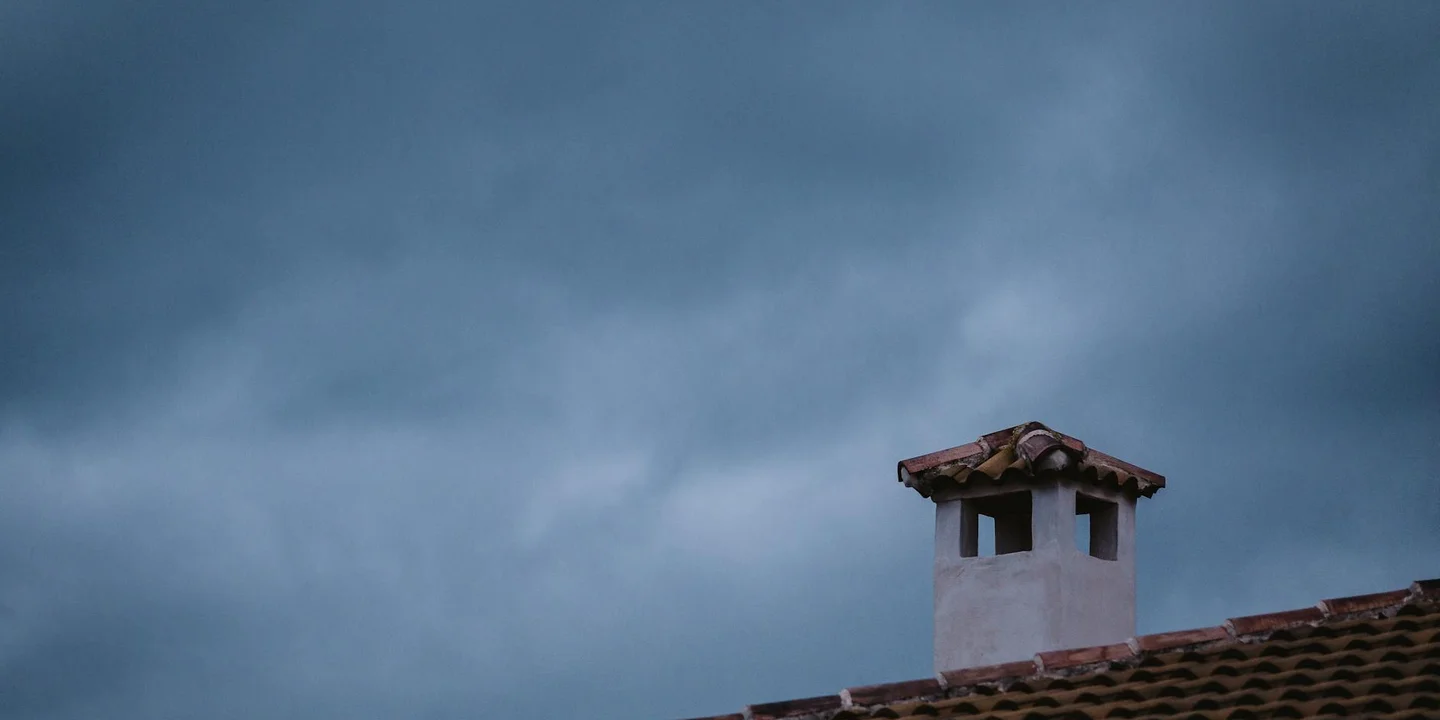
Your chimney is not part of your roof. It’s a separate masonry structure that your roof has to be carefully tailored to fit around. Think of it like a collar on a raincoat. If it’s not sealed perfectly, water gets in. The flashing system is that seal.
Most chimney leaks don’t start at the shingles. They start at this flashing junction. Understanding what’s supposed to be there helps you spot problems.
The 1-2 Punch: Step Flashing and Counter Flashing
Proper flashing uses two layers working together.
Step flashing is the first layer, a series of L-shaped metal pieces woven under each course of shingles as they run up the chimney side. Each piece directs water down onto the shingle below it, like stairs for water. If you see one long, continuous piece of metal running up the side, that’s wrong and will leak.
Counter flashing is the second layer. It’s embedded into the mortar joints of the chimney brick and bent down to overlap the step flashing. The counter flashing covers the top edge of the step flashing. Water hits the counter flashing, runs down, and is shed onto the step flashing and then the shingles.
The critical detail is that the counter flashing is over the step flashing. If the step flashing is on top, water is funneled directly behind it and into your attic.
When You Need a Cricket (or Saddle)
On a sloped roof, a wide chimney (over 30 inches wide) acts like a dam. It traps a pile of water and debris on its uphill side. This constant ponding will overwhelm any flashing.
A cricket is a small, peaked roof structure built behind the chimney to divert water around it. It splits the water stream, sending it left and right. I’ve seen chimneys rot from the inside out because a builder skipped this detail to save a few hundred dollars. A proper cricket is sheathed, flashed, and shingled just like your main roof. Even when you know it’s important, it’s easy to overlook or question if it’s absolutely necessary. But for a chimney cricket to do its job, it has to be done right.
How Your Liner Cap Affects the Roof
The metal cap on top of your flue liner seems unrelated, but it’s a key player. An undersized or poorly installed cap doesn’t shed water properly. Water drips down the outside of the liner, runs onto the chimney crown (the concrete top), and soaks in.
A saturated crown cracks in freeze-thaw cycles. Those cracks let water into the chimney chase and behind your brand-new counter flashing. An ill-fitting liner cap can silently destroy a chimney crown, creating a leak source that tracing back to the roof is nearly impossible. During your annual check, look for rust streaks on the cap or cracks in the crown directly beneath it.
Chimney Proximity to Windows
You might wonder how close a chimney can be to a window. This isn’t just about looks. Building codes dictate this for safety, to prevent exhaust gases from re-entering your home. The general rule is that a chimney termination needs to be at least 3 to 4 feet horizontally from any operable window, door, or air intake. This ensures drafts carry the fumes away. If your chimney is closer, it likely doesn’t meet modern code and could pose a risk.
The Homeowner’s Chimney Liner Maintenance Routine
Think of liner care like checking your car’s oil before a road trip. It’s a small, seasonal habit that adds years to your liner’s life. I keep a simple log for my own home, and I recommend you do the same. It takes minutes each fall and prevents costly repairs.
Make this a pre-winter ritual, just like testing your smoke alarms. A quick review from the fireplace up to the roof cap catches most issues early. This routine isn’t about being an expert. It’s about being observant.
Annual (Before First Major Burn)
Do this check every autumn, before you light that first cozy fire. Here’s your quick checklist.
First, look up from your fireplace. Use a strong flashlight and peer up the flue. You’re looking for three things: chunks of soot on the damper, visible cracks in the liner walls, or debris like leaves or twigs. Any falling soot or visible damage means stop and call a pro immediately. I once found a nest of twigs that was blocking half the flue in a home inspection.
Next, go outside. Look at where the chimney meets your roof. Check the metal flashing for gaps, rust spots, or shingles that are lifted around it. A small gap here lets water pour into your attic. It’s a common leak source we fix every spring.
Finally, eye the chimney cap. Is it still there? Is it sitting straight and secure? Look at the wire mesh around it. If it’s clogged with soot or debris, it can’t do its job of keeping rain and animals out. A bent or missing cap is an open door for trouble.
Professional Service & Cleaning Schedule
Your own eyes are good, but a professional’s tools and experience are essential. Here’s the non-negotiable schedule.
Wood-burning chimneys need a professional sweep and inspection annually. Gas flues need a professional inspection every 1-2 years. Creosote from wood fires is highly flammable, and gas appliances produce corrosive moisture. Skipping this is a major safety risk.
A certified sweep does more than just brush the soot. They use cameras to check for a glazed, tar-like creosote layer that you can’t brush off. They inspect the entire liner for hairline cracks in clay tiles or pitting and corrosion in metal liners. They also verify the cap is functioning and the right size for your flue. I’ve seen caps that were too small, causing draft problems and smoke backup.
You might wonder, how do I know what size chimney brush I need? The answer is simple: it’s based strictly on your liner’s inner diameter. A professional will measure and use the correct brush set; this isn’t a DIY guesswork job. Using a brush that’s too small misses soot, and one that’s too large can damage the liner walls. On my crew, we carry a full range of sizes for this exact reason.
Spotting Trouble: Signs Your Liner Needs Attention
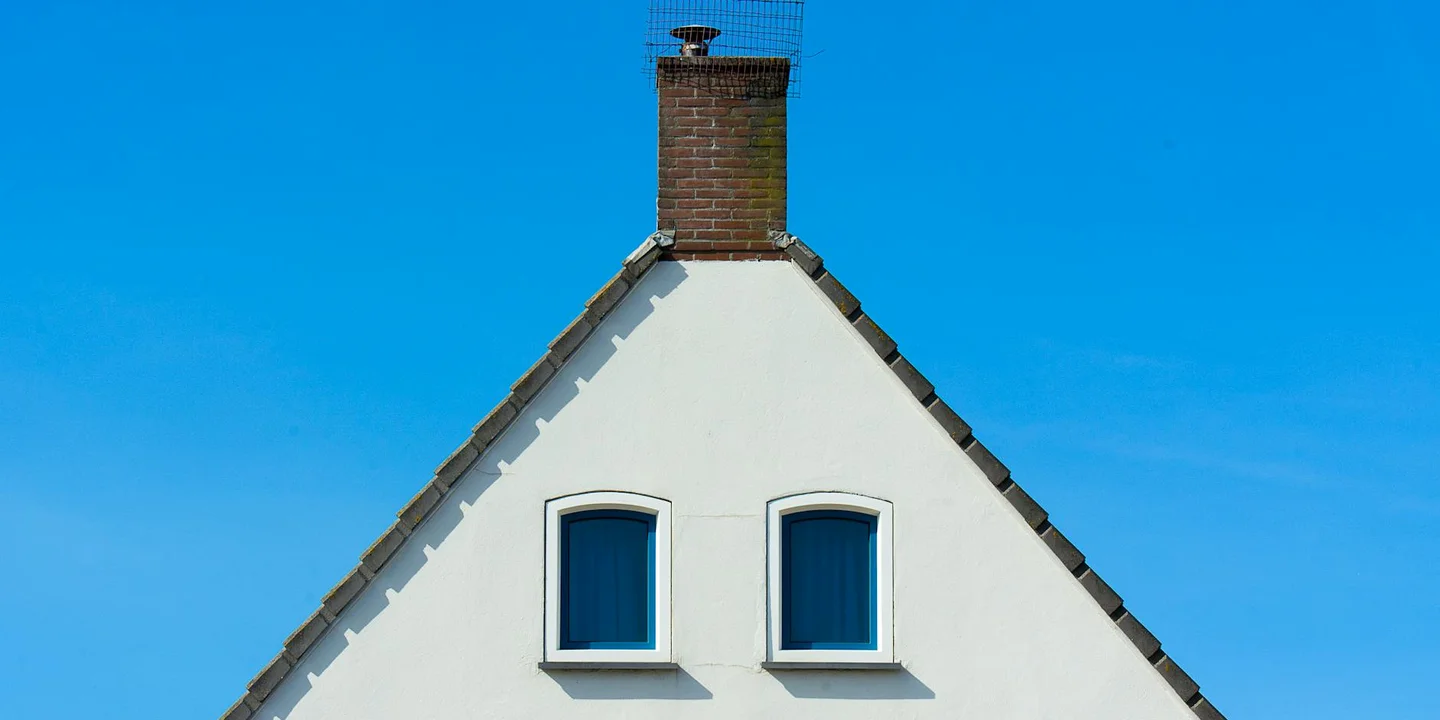
Ignoring a chimney liner is a dangerous game. A faulty liner isn’t just inefficient, it’s a direct threat to your home’s safety. From my years on the roof, I can tell you problems always send signals first. You need to know what to look for, both indoors and out.
Warning Signs Inside Your Home
Your fireplace or stove will talk to you if you pay attention. These are the red flags I tell every homeowner to watch for.
- Smoke in the room. If smoke is drifting into the living space instead of going cleanly up the flue, your liner is likely compromised or blocked. This is a critical failure.
- A persistent, unpleasant draft smell, even when the fireplace isn’t in use. This often signals moisture and creosote buildup, which a proper liner should help vent.
- Visible water stains or discoloration on the chimney breast (the wall around the fireplace) or on the ceiling nearby. This points to moisture leaking through the chimney structure, often due to a cracked liner or failing crown.
Warning Signs Outside & On the Roof
This is where my crew’s roof-level view catches what most people miss. Grab some binoculars and look for these issues.
- Deteriorating mortar on the chimney masonry, also called spalling. It looks like the mortar is flaking or crumbling away. This is frequently caused by moisture trapped inside a damaged chimney.
- Rust stains streaming down from a metal chimney chase cover. This is a sure sign that acidic condensation from your appliance is eating the metal from the inside out.
- Finding pieces of clay flue tile in your fireplace ash, or worse, on your roof or in your gutters. This is one of the most serious signs. Those tiles are the inner liner of an old masonry chimney, and if they’re falling, the chimney is unsafe to use.
If you notice any of these signs, stop using your fireplace or wood stove immediately. The next call should be to a certified chimney sweep for a professional inspection. Continuing to burn with a damaged liner risks a house fire or carbon monoxide poisoning.
When Repair Turns to Replacement: Making the Call
Not every liner problem means starting from scratch. In my years on crews, I’ve fixed plenty of minor issues that bought a chimney another decade of service. Small, isolated damage often responds well to targeted repairs, saving you the cost and hassle of a full replacement. Let’s walk through what you can realistically patch. In the next steps, we’ll highlight the chimney inspection red flags that signal real urgency. You’ll also get negotiation tips and a clear plan for repair priorities.
- Sealing minor cracks in clay liners: Think of a hairline crack like a small chip in a windshield. If it’s not spreading, you can often stop it. Use a refractory cement made for high heat. Clean out all the debris, work the cement into the crack, and smooth it over. I’ve done this on jobs where one tile had a single crack, and it held for years.
- Patching small corrosion spots in metal liners: For a pinhead-sized spot of rust on stainless steel, a specialized high-temp epoxy patch can work. You must sand the area to bare metal, apply the patch compound, and let it set completely. This is a temporary fix for a spot that hasn’t eaten through the metal.
Knowing when to stop repairing is critical. There’s a clear point where patching is just covering up a failure waiting to happen. If you see any of the following, you’ve crossed the threshold from repair to replacement.
- Multiple cracked clay tiles, especially if the cracks web out or tiles are shifting. One crack is a flaw, several are a system failure.
- Severe corrosion compromising metal, where the liner feels thin, flakes apart, or you can see light through a pinhole. This is a direct safety hazard.
- A complete mismatch in size that can’t be corrected. If your liner is drastically too big or small, no adapter kit will fix the chronic draft and creosote problems it causes.
Installing a brand new liner is a professional’s job, full stop. Full relining requires certified expertise because a mistake risks house fires, carbon monoxide poisoning, and major roof leaks. I’ve been hired to redo DIY liner jobs where the sizing was wrong or the connections leaked. The safety and building code implications are too significant to gamble with.
Ultimately, this whole decision hinges on the basics we started with. Correct initial sizing and simple, yearly maintenance are what keep your chimney safe, efficient, and your roof structure dry. A properly sized liner that you check each fall prevents the slow decay that leads to these tough calls. It protects your investment from the inside out.
Common Questions
How can a bad chimney liner damage my roof?
A failing liner causes internal condensation that soaks your chimney masonry. This leads to cracked mortar and spalling bricks, which compromises the flashing seal and lets water into your attic.
What’s the one roof-side check I should do each year?
Use binoculars to inspect the metal flashing where the chimney meets the shingles for rust, gaps, or lifting. Also, ensure the chimney flashing is secure and the crown beneath it isn’t cracked or crumbling.
Does my chimney’s height on the roof affect the liner?
Yes. A short chimney can cause poor draft, making your appliance work harder and increasing corrosive condensation inside the liner. Proper height ensures gases exit cleanly, protecting the liner and surrounding roof structure.
Your Blueprint for a Safe and Efficient Chimney
Have a professional size your chimney liner for your specific appliance to ensure a strong, safe draft. Commit to a yearly visual check of all chimney components to catch small issues before they become expensive or dangerous problems.
You are the first line of defense for your home’s safety and longevity. Make a habit of learning about your roof’s components, starting with your chimney, to build a foundation of knowledge and confidence.
Ray Huffington
Ray is an experienced roofer. He has worked as a general contractor in the roofing industry for over 15 years now. He has installed and repaired all kinds of roofs, from small houses to large mansion, and from basic shingles to cement and metal roofs and even solar roof panels. He has seen homeowners struggle with roofing questions and always has experience based proven advice to help those in need. If you need roof pros, Ray's your guide.