
Is Your Chimney a Hidden Fire Hazard? A Roofer’s Practical Guide
Have you ever heard a low, rumbling roar from your fireplace or seen an unusual amount of sparks shoot from your chimney top? From my years on rooftops, I can tell you that’s not normal operation-it’s a warning sign.
You’re probably worried a chimney fire could spread to your attic or roof. Spotting the early signs and knowing the right steps can prevent a small issue from becoming a disaster.
I’ll walk you through the real dangers a chimney fire poses, what typically causes them, the safety steps you can take today, exactly what to do if one starts, and the critical signs you must never ignore.
Key Takeaways: What Every Homeowner Needs to Know
Think of your chimney as part of your roof system, not separate from it. Here is what you must understand.
- Chimney fires are more common than you think. I’ve responded to calls where homeowners had no idea a small fire had occurred until we found the damage during a routine inspection.
- They pose a direct, immediate threat to your roof’s structure. The heat targets the chimney and everything it touches on your roof.
- Preventing chimney fires is a core part of responsible roof care. It’s as important as checking your shingles after a storm.
Your chimney is a major penetration in your roof assembly, making it a primary roofing concern. Any problem here is a roof problem.
Call a certified chimney professional or roofer for any inspection, cleaning, or repair. If you see or hear a chimney fire happening, call 911 immediately. Do not wait.
Are Chimney Fires Dangerous? Understanding the Real Threat to Your Home
Yes, they are extremely dangerous. From my decades on roofs, I can tell you a chimney fire is one of the most destructive events a house can experience.
The danger starts with incredible heat. Temperatures can skyrocket past 2000 degrees Fahrenheit. This intense heat will crack masonry chimneys, damage the metal lining, and destroy the critical flashing where the chimney meets your roof. Once the flashing is compromised, the fire has a direct path to the wooden framing in your attic.
I’ve repaired roofs where the rafters near the chimney were visibly charred and weakened from a fire the homeowner didn’t even fully realize happened.
A secondary risk is carbon monoxide. A chimney damaged by fire often has cracks or blockages. This can cause dangerous carbon monoxide to leak back into your home instead of venting safely outside. Such issues compromise overall home safety.
On the environmental side, a poorly maintained chimney often means inefficient burning. This creates more creosote buildup, which is the fuel for chimney fires. A clean, efficient fire is safer and burns cleaner.
How a Chimney Fire Compromises Your Roof’s Critical Junctions
The roof-chimney junction is the most vulnerable spot in this whole scenario. The flashing here-those custom-bent metal pieces-is your roof’s first line of defense, especially when it comes to chimney flashing repair.
During a chimney fire, the metal flashing absorbs massive heat, causing it to warp, buckle, or even pull away from the chimney. The sealant or caulking that makes the joint watertight will melt or vaporize instantly.
This creates an immediate leak point. Think of it like a hole in a rain jacket. The jacket might look fine, but the second it rains, you get wet. A compromised chimney seal guarantees water intrusion, leading to rot, mold, and costly damage to your roof deck and home interior. Start by pinpointing the exact moisture source. From there, you can diagnose and fix a leaky chimney to prevent further damage.
On a job last year, we found the step flashing around a chimney so distorted from a past fire that every piece had to be replaced. The heat had traveled right through to the roof sheathing, which also needed repair. It all started at that one critical junction.
What Causes a Chimney to Catch Fire? The Common Culprits
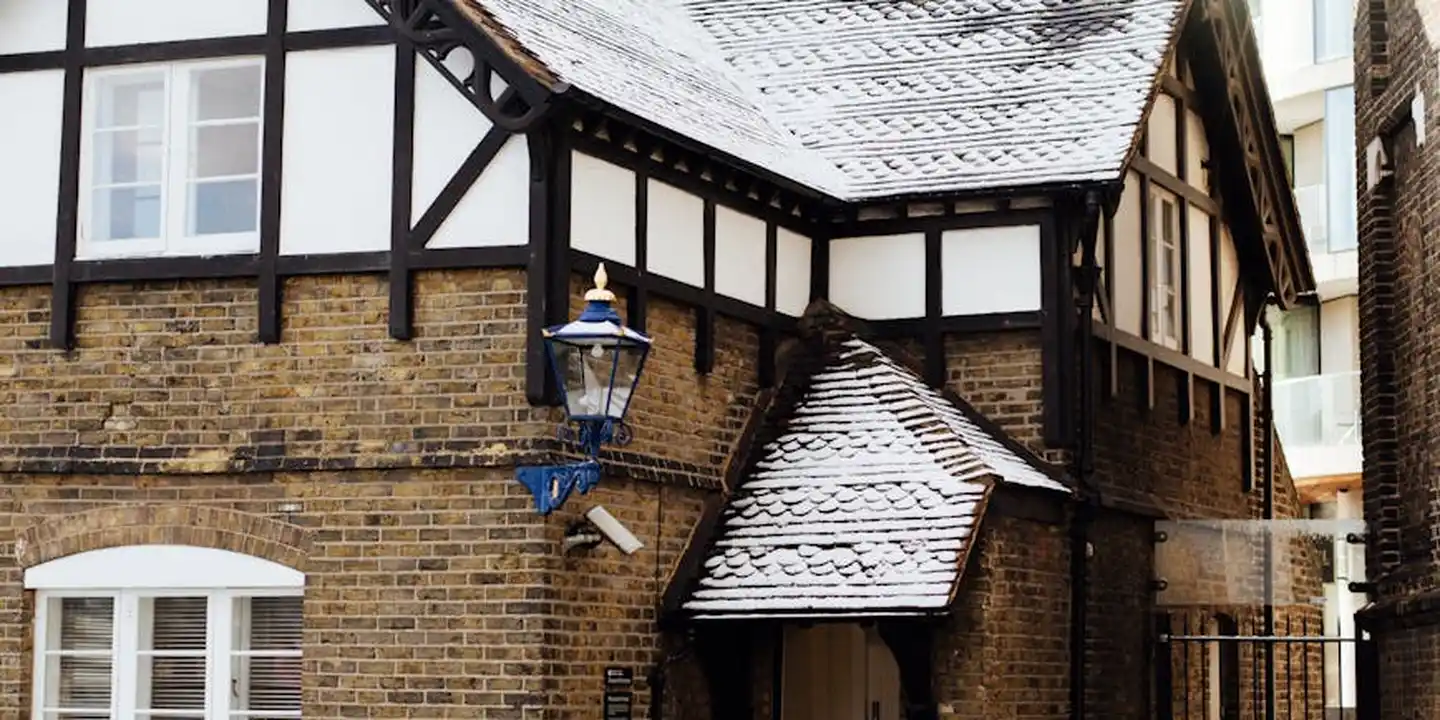
Can a chimney catch fire? Absolutely. It happens more often than people think. The causes usually boil down to what’s happening inside the flue and how the fire is managed below. Most chimney fires start from a combination of buildup and a single, extra-hot fire.
Creosote Buildup: The Main Fuel
Creosote is a black or brown crusty, flaky, or sticky deposit. It forms inside your chimney liner when smoke from burning wood cools down and sticks to the walls. Think of it like flammable tar.
When a hot enough ember floats up or the chimney itself gets extremely hot, that creosote layer can ignite. It burns fast and intensely, often with a loud roaring sound. I’ve seen chimneys where a quarter-inch of creosote coated the entire liner. That’s more than enough fuel for a major fire.
The Danger of an Unlined Chimney
Are unlined chimneys safe? No. A proper liner is not optional for safety. Many older homes have chimneys made of bare brick or stone masonry. Without a liner, that masonry is directly exposed to extreme heat and corrosive combustion gases.
A liner contains the heat and embers safely within a dedicated, smooth channel. Without it, heat can transfer directly to nearby wooden framing in your attic or walls. Cracks in old masonry can also let heat and flames escape into your home’s structure. A liner is your first line of defense.
Fire Starters and Burning Too Hot, Too Fast
Are fire starters bad for chimneys? Used occasionally to get a normal fire going, they’re fine. The problem is overuse. Pouring accelerants or using multiple starters to force a huge, roaring fire right away creates a danger.
That sudden, intense heat surge can ignite creosote deposits that a slower, normal fire wouldn’t touch. It’s better to build a moderate fire that gradually warms the chimney than to shock it with a blast furnace.
Poor Burning Practices
Two common mistakes create more smoke and creosote.
- Burning Wet or “Green” Wood: Wood that isn’t properly seasoned has too much moisture. Instead of burning cleanly, it smolders and produces thick, cool smoke. This smoke condenses rapidly on your chimney walls, accelerating creosote buildup much faster than dry wood.
- Restricting Airflow: Closing the damper or air intake too much to “slow down” a fire also causes smoldering. A fire needs good air supply for complete combustion. A starved fire is a smoky, creosote-producing fire.
How to Spot the Signs of a Chimney Fire
Knowing what a chimney fire looks and sounds like can be the difference between a scare and a catastrophe. The signs fall into three categories: what you hear during one, what you see during one, and what we find after one.
The Sound: You Can’t Miss It
The noise is usually the first clue. It’s not subtle. A chimney fire doesn’t whisper. You might hear a deep, loud roaring or rumbling sound, like a freight train is somehow inside your fireplace. That’s the sound of air being rapidly sucked up the flue as the fire rages. You may also hear distinct popping or cracking noises. That’s the sound of creosote expanding and exploding. If your fireplace makes these sounds, treat it as an active emergency.
The Sight: Inside and Out
Your eyes will confirm what your ears are telling you. The signs can appear both inside your home and outside on the roof.
- From Inside: Look for an unusually dense, thick smoke pouring into the fireplace opening or even back into the room. You might see sparks or fragments of burning creosote being shot out from the firebox.
- From Outside: The most dramatic sign is flames or a constant stream of sparks shooting several feet out from the top of the chimney. You may also see an intense, rolling plume of dark smoke. On the roof, look for smoke escaping from any joint in the chimney structure, not just the top.
The Aftermath: What a Roofer Finds
Some chimney fires are less intense and burn slowly. You might not notice the dramatic signs. The fire can burn itself out, leaving behind clear evidence we look for during an inspection.
- Puffy or “Honeycombed” Creosote: Normal creosote is flaky or tar-like. After a fire, it expands. I look for creosote that’s puffed up and shiny, almost like lava rock. This is a surefire indicator.
- Warped Metal: The intense heat can distort metal components. Check the damper. It may be warped and hard to open or close. Look at the metal chimney cap from the roof. Is it discolored (blue or rainbow hues from extreme heat) or visibly bent?
- Cracked Masonry: Inspect the mortar between the bricks or stones. Look for new, hairline cracks or sections where the mortar is now crumbling and loose. The tiles inside the flue liner can also crack or shatter from the heat.
- Displaced Parts: I’ve seen chimney caps knocked completely askew or sections of clay flue tiles lying in the fireplace. The pressure and heat from the fire can literally blow parts of the system apart.
Emergency Response: What to Do When a Chimney Fire Starts
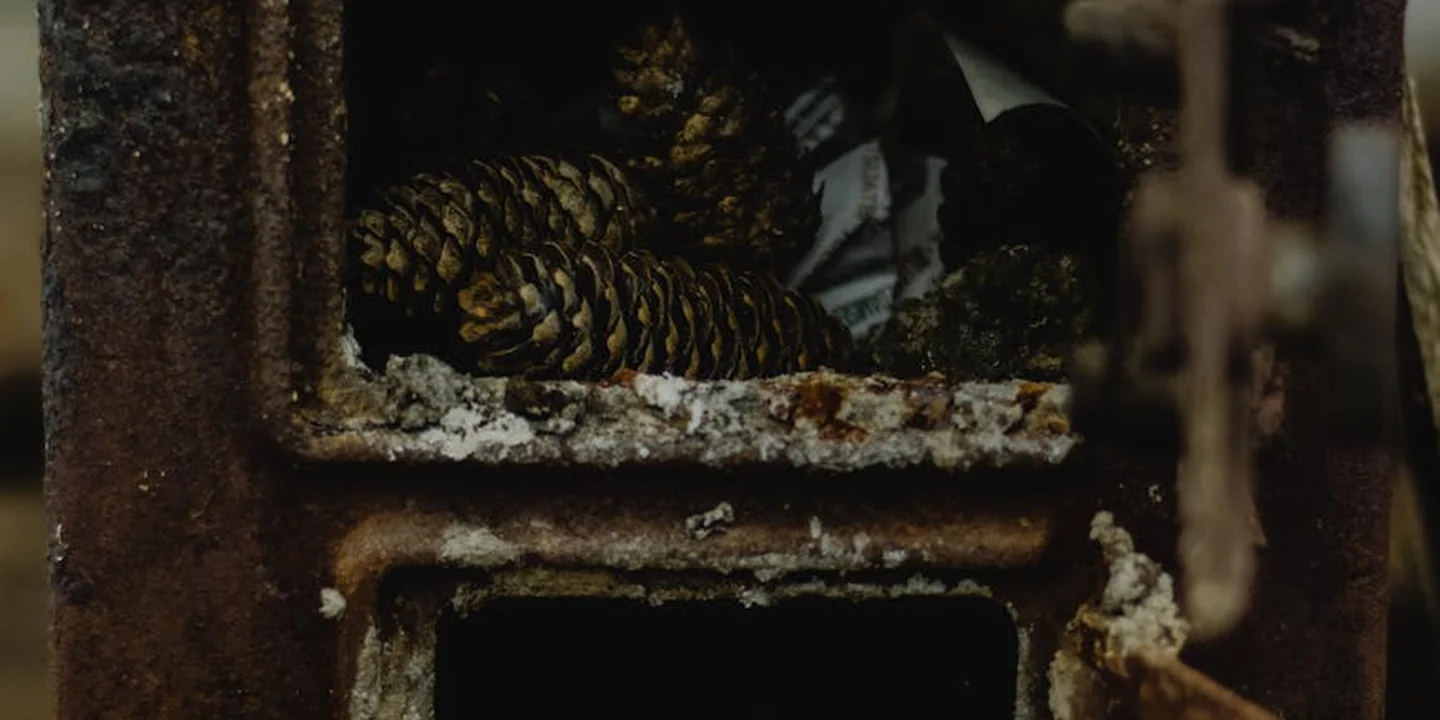
Your first job is to stay calm. Panic makes everything worse. Breathe. Then move quickly through these steps.
Step 1: Get Everyone Out and Call 911
Get every person and pet out of the house immediately. Do not stop to grab belongings. Once you are safely outside, call 911 from a cell phone or a neighbor’s house. Do not assume the fire will stay contained or that you can handle it yourself. Tell the dispatcher you have a chimney fire. This information helps firefighters prepare the right equipment.
Step 2: Close the Damper (If It’s Safe)
If you can safely reach the fireplace without exposure to extreme heat or smoke, close the damper. This is the metal plate inside your fireplace that controls airflow up the chimney. Closing it helps cut off the oxygen supply to the fire. Only attempt this if you are trained to do it and can do so in seconds without risk. If there is any doubt, skip this step and just get out.
Step 3: Never, Ever Use Water
This is a mistake I’ve seen homeowners make in a panic. Do not throw water or snow into a hot fireplace or onto a burning chimney. The sudden temperature change can crack the clay liner or masonry. Worse, the instant steam created can cause a violent explosion, sending shrapnel into your home. Water turns a contained fire into a dangerous explosion hazard.
Step 4: Use a Fire Extinguisher on Surroundings Only
If you have a Class ABC fire extinguisher and it is safe to do so, you can use it on any sparks or embers that have landed on your floor or rug. Never aim the extinguisher up into the chimney or fireplace opening. The force can drive burning creosote and flames higher up the flue, spreading the fire. Your goal is to prevent secondary fires around the hearth, not to fight the chimney fire itself.
Your Only Job: Evacuate and Call Pros
A chimney fire is a structural house fire. The intense heat can crack tiles, melt mortar, and damage the roof structure around the chimney. This is not a do-it-yourself moment. Your responsibility is to ensure everyone is safe and to let the trained professionals with the right tools take over. Once the fire department declares it safe, a certified chimney sweep must inspect the entire system before you use it again. For ongoing safety, review our chimney fire safety guide. It offers prevention steps you can take to reduce risk.
Proactive Safety Steps: How to Prevent a Chimney Fire
Treat chimney care as critical roof maintenance. A clean, functional chimney is your first line of defense in protecting your entire roof assembly from intense heat and destructive flames. I’ve been called to repair roof decks and rafters charred by fires that started in a neglected flue.
Your annual prevention plan is straightforward and non-negotiable.
- Hire a certified chimney sweep for a yearly inspection and cleaning. Creosote, a flammable tar-like substance, builds up with every fire. Only a pro has the tools and eyes to remove it all and spot early warning signs like cracked tiles or deteriorating mortar.
- Burn only seasoned, dry hardwoods like oak or maple. Green or soft wood (pine, for example) produces more smoke and cools the flue gases, which causes creosote to condense and stick to your chimney walls much faster.
- Install a quality chimney cap with a mesh screen and check it each season. This simple metal cover keeps out rain, leaves, and nesting animals. A blocked flue is a major fire hazard and can force deadly carbon monoxide back into your home.
- Confirm your chimney has a proper, undamaged liner. The liner contains the heat and gases. Traditional clay tile liners are common but can crack. Modern stainless steel liners are a durable upgrade many pros recommend for older chimneys. Your sweep can advise you on the condition and type of yours.
The Pro-Only Zone: Chimney and Flashing Maintenance
Any hands-on inspection or repair of the chimney structure or the flashing where it meets the roof must be left to licensed, insured professionals. This is not a DIY zone. My crew and I approach every chimney job with a specific safety and waterproofing protocol.
Homeowners lack the training and equipment to manage these risks safely.
- We perform a full hazard assessment before setting foot on the roof. We evaluate the roof’s pitch, the chimney’s height, the stability of the masonry (which can be crumbly), and the distance to any power lines. What looks fine from the ground can be treacherous up close.
- We use professional-grade safety gear you simply don’t have. This includes OSHA-approved fall arrest harnesses anchored to the roof structure, roof jacks to create a stable work platform, and proper roofing boots with grip. Climbing a ladder with a tool belt is not the same as working safely at that height and angle.
Our waterproofing methods are also specialized. We use high-temperature, flexible sealants on the chimney crown and install precise, custom-fitted step flashing. This metal flashing is woven step-by-step into the shingle courses and, in critical areas like the chimney’s front base, integrated with a self-adhering ice and water shield membrane beneath the shingles. This creates a seamless, layered barrier that lasts, unlike a simple smear of roof caulk.
After the Fire: Roof Inspection and Damage Assessment
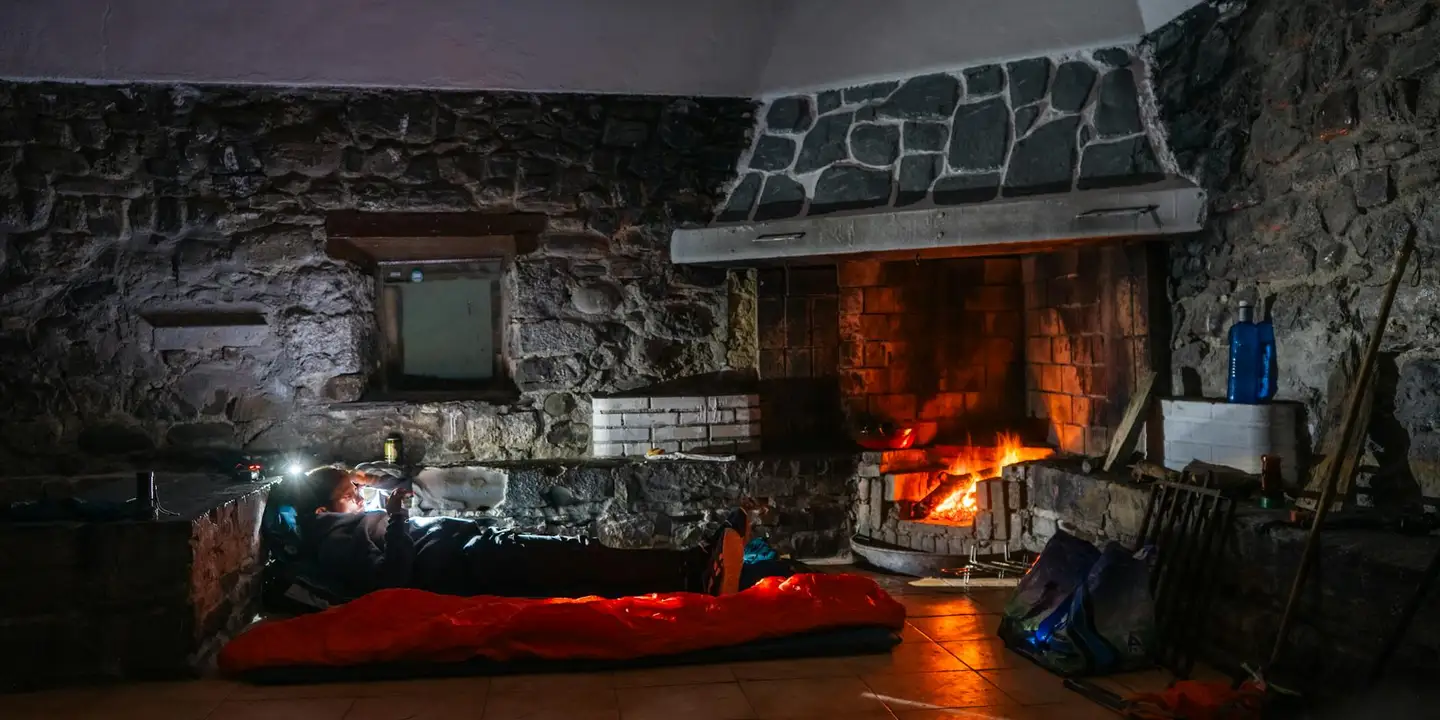
The fire department will make sure the area is safe. Your job starts right after they leave.
You must get a professional roof inspection next; it is not something you can put off. I have been on site after many chimney fires, and the damage is not always obvious from the ground.
Here is what a roofing pro like me will check during that inspection. We look for specific things every single time, following our quarterly roof inspection checklist.
- We check the integrity of the chimney structure for cracks or loose bricks.
- We inspect the condition of all flashing, as extreme heat can warp and ruin it.
- We examine nearby shingles for heat damage that makes them brittle and weak.
- We assess the attic framing for any charring or signs of heat stress on the wood.
The repair process has a clear order. Masonry work often comes first to repair the chimney itself. Next, we always replace all the flashing completely, with no patches, because patches fail. Finally, we may need to install new roofing around the chimney, which can mean replacing a whole section to get it right. Proper maintenance of chimney components is crucial for the longevity of the repair.
You need to work with your insurance company and hire only licensed, insured roofing contractors for these repairs. I have helped homeowners with claims, and using a professional roofer makes the process smoother and safer.
Can a Chimney Fire Cause Hidden Damage?
Yes, it can. The hidden damage is what worries me most.
Cracked flue tiles inside the chimney can leak carbon monoxide into your home long after the fire is out. Compromised mortar joints might look fine, but they let water seep in slowly, leading to rot in your attic.
I tell every homeowner this after a chimney fire. A post-fire inspection is a critical part of making your home safe again, not an optional extra. On one job, we found a network of cracks in the flue from a fire the homeowner thought was minor. Without that inspection, it would have been a ticking time bomb.
Common Questions
How soon after a chimney fire should I get my roof inspected?
Immediately. The integrity of your chimney flashing and the surrounding roof deck is the first thing to check. Schedule a professional inspection before the next rain to prevent water damage from any compromised seals.
Does my roof material (asphalt, metal, tile) change the chimney fire risk?
No. While materials handle heat differently, the primary risk is to the roof structure underneath-the deck, rafters, and flashing. All roof types rely on intact flashing at the chimney to prevent fire spread and leaks.
What’s one roof maintenance task I can do to help prevent chimney fire damage?
Visually check your chimney’s exterior from the ground each season. Look for crumbling mortar, cracked bricks, or stains on the roof that signal a leak. Any issues here mean you need a pro to inspect the interior flue and the critical roof-chimney junction.
Final Thoughts on Safeguarding Your Roof from Chimney Fires
From my crew’s experience, the best roof-care advice I can give is to get your chimney inspected and cleaned by a pro each year. This one habit drastically cuts the risk of a chimney fire, keeping your roof structure and your family safe.
Your home’s safety relies on your commitment to regular maintenance like this. Many common roof myths can mislead homeowners. Understanding the facts now saves trouble later. I encourage you to keep learning; our detailed guides on Roof Care and Maintenance are great places to build your knowledge.
Ray Huffington
Ray is an experienced roofer. He has worked as a general contractor in the roofing industry for over 15 years now. He has installed and repaired all kinds of roofs, from small houses to large mansion, and from basic shingles to cement and metal roofs and even solar roof panels. He has seen homeowners struggle with roofing questions and always has experience based proven advice to help those in need. If you need roof pros, Ray's your guide.