
What Are the Best Cutting Techniques for Metal, Asphalt, and Tile Roofing Panels?
Have you ever worried that a bad cut will ruin your roofing material or cause a leak? Using the correct cutting technique is not just about looks, it’s about your roof’s long-term protection. I’ve learned this through countless jobs where the right tool made all the difference.
I will explain the specific tools and my step-by-step methods for cutting metal roofing panels, trimming asphalt shingles, and scoring ceramic or concrete tiles.
The One Rule That Comes Before Any Cut: Roof Safety
I tell every homeowner the same thing I told my crew. Safety isn’t a suggestion. It’s the rule. Making a cut on a roof is dangerous work, and rushing through it is how people get hurt.
Your gear is your first line of defense. Never step onto a pitch without it.
- Fall arrest harnesses: This is non-negotiable for any steep work. Anchor it to a secure point.
- Roof jacks and planks: These create a stable platform. It’s like having a workbench on your roof.
- Non-slip shoes: Roofing boots with good tread are a must. Sneakers will fail you.
- Eye protection: Metal shards and tile dust are no joke.
- Cut-resistant gloves: Protect your hands from sharp edges.
- Hearing protection: Power tools are loud up close.
The roof itself is your biggest hazard. A steep pitch can turn a simple slip into a fall. I’ve seen guys underestimate a 6/12 slope. Weather changes fast. Wind can catch a panel like a sail. A damp roof from morning dew is as slick as ice. Look for overhead power lines near your eaves before you lift any long metal. For roof walking safety, plan your route and stay tethered. Keep three points of contact and test footing before moving.
Keep your work area clean. Tripping over a cord or a stack of tiles is a common way to lose your balance.
Have a helper on the ground. This isn’t just for company. They can pass up tools, steady ladders, and keep materials organized. On a job last summer, my ground helper spotted a loose shingle I missed, preventing a bigger issue later.
When You Should Call a Pro Instead of Making the Cut
Knowing when to stop is as important as knowing how to start. Some cuts are best left to the professionals with the right tools and experience.
Your roof’s design is the first sign to call for help. Complex roofs with multiple angles, like mansards or roofs with dormers, require precise cuts that are hard to measure and execute from a ladder. Historic clay or slate tile roofs are fragile. One wrong cut can ruin an irreplaceable piece and compromise the whole section. It’s especially crucial for complex residential roof designs.
Standing seam metal roofing is a common trap. The panels often need to be cut with a specialized shear or nibbler in a shop to maintain the factory edge. Trying to use a circular saw on-site can warp the metal and ruin the locking seam. Understanding the features involved in standing seam metal roof installation helps ensure proper tool use and seam alignment. These features—like panel locking and water shedding—are critical to a durable roof.
A mistake here costs more than just your time. Roofing panels are expensive. Wasting a full sheet of metal or breaking several concrete tiles adds up fast. A bad cut can break the weather seal, leading to leaks you won’t see until water is in your attic. Most material warranties are void if they aren’t installed by a certified pro, especially for metal roofs.
Just getting set up to work safely is a job in itself. Erecting proper roof scaffolding or installing permanent anchor points for harnesses takes skill. If the thought of setting up a safe platform makes you pause, that’s your cue to make a phone call, not a cut.
Cutting Metal Roofing: Taming the Tin
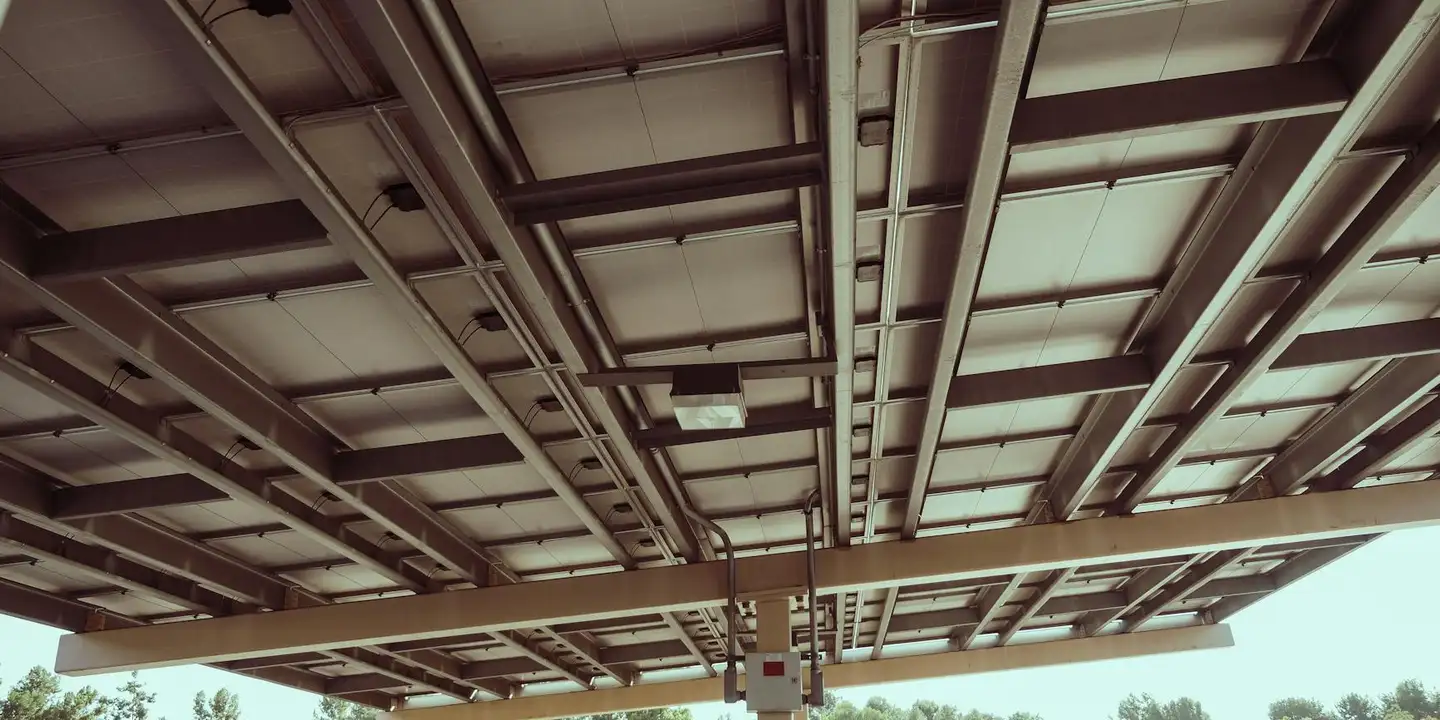
Metal wants to bend. It wants to burr. It definitely wants to get hot and scream at you. Your job is to control it. The answer to “what are the best cutting techniques for metal roofing panels” isn’t one tool. It’s matching the right tool to the specific cut you need to make.
Think of it like this: you wouldn’t use a chainsaw to trim a bonsai tree. The goal is a clean, straight edge that seals properly and doesn’t leave a dangerous, ragged lip.
Your Metal-Cutting Toolbox: From Nibblers to Circular Saws
I keep a few tools in my truck for metal. Each one has its specialty.
- Electric Nibbler: This is my go-to for tricky cuts on an installed roof, like notching around a vent pipe. It eats through the metal in small bites without bending the panel. It’s perfect for complex shapes.
- Power Shears: For long, straight cuts along the length of a panel, these are fantastic. They work like super-powered scissors, giving you a smooth edge without heat or sparks.
- Aviation Snips: Keep a pair in your pouch. They’re only for tiny trims and corrections, like shaving a quarter-inch off a corner. Your hands will tire fast on anything longer.
Now, for the big question: can you cut metal roofing with a circular saw? Absolutely. We call them skill saws on the crew. It’s the fastest method for cutting panels on the ground, but you must use a fine-tooth carbide blade made for metal. It will be loud. It will throw sparks. Wear eye and ear protection.
Avoid the angle grinder at all costs for thin roofing panels. The intense, focused heat warps the metal faster than you can say “ruined panel.” I’ve seen it turn a flat sheet into a potato chip.
The Pro Technique: How to Get a Clean, Straight Cut Every Time
Speed ruins metal work. Follow these steps for a perfect cut every time.
- Support the panel. Place it across two sawhorses. Put a scrap piece of wood underneath your cut line. This supports the metal and gives the saw blade a clean exit, preventing tear-out on the bottom.
- Mark with chalk. Use chalk or a permanent marker. Pencil can be hard to see on some finishes.
- Clamp a straightedge guide. Do not try to cut freehand. Clamp a long, straight piece of wood or metal to the panel as a fence for your saw to run against. This guarantees a straight line.
- Let the tool do the work. Push gently. Forcing it creates heat, dulls the blade, and leads to jagged edges.
When the cut is done, you are only halfway there. You must deburr the edge. Run a metal file along the freshly cut edge. This removes the sharp, razor-like burr. It prevents you from getting cut and allows sealants and butyl tape to adhere properly for a watertight seal.
One more tip from the crew: cut with the finished, painted side facing up. Any minor scratching from the saw’s base plate will happen on the top, which is less critical than gouging the beautiful underside that might be visible from a porch.
Cutting Asphalt Shingles: The Art of the Score and Snap
Homeowners often ask me, “What are the best cutting techniques for asphalt roofing panels?” It’s the most common cut you’ll do yourself, but the technique decides if your repair lasts one season or ten. A sloppy cut invites water and wind to lift the shingle, leading to leaks you might not see until it’s too late.
I remember a repair call where every cut along a dormer was jagged. Water had been seeping in for months, rotting the deck underneath. Treating a shingle cut with care is not just about looks, it’s a direct investment in your roof’s weather resistance.
Choosing Your Blade: Hook Blades, Utility Knives, and Shears
Your tool choice dictates the quality of your cut. For ninety percent of the work, a utility knife with a hook blade is your best friend. The curved hook pulls through the asphalt mat in a smooth, slicing motion, which prevents the fiberglass mat from fraying. Think of it like cutting a tough fabric with a serrated knife versus a dull one.
When you need surgical precision around a pipe flange or a tight valley, switch to a straight razor knife. For brute force, like cutting through three old layers during a removal, I grab heavy-duty shears or my sharp roofer’s hatchet. My crew always has a hatchet on hand for quick, thick cuts, but we never use it for the final fit.
Can you use a circular saw? Yes, but only for rough work on the ground. If you must, use a blade you don’t mind ruining, because the ceramic granules will grind the teeth down in seconds. It’s loud, it throws dust everywhere, and it’s a sign you’re probably taking shortcuts.
Cutting on the Roof: A Step-by-Step Method That Works
This is the exact method I teach every new apprentice. It works in the summer heat and on chilly spring mornings.
- Always warm the shingle first. A cold shingle is brittle and will crack unpredictably. Let it sit in direct sun for five minutes or gently wave a heat gun over the backside.
- Flip it over and score the backside along your line. Use firm, steady pressure with your hook blade. You are cutting through the mat, not sawing. One good score is enough.
- Flip it back, bend it over the roof edge, and snap it cleanly. Use the eave or a piece of 2×4 as your bending point. A clean snap means you scored it right.
Never, ever try to cut through the top granular surface first. Those granules are miniature abrasives that will destroy a blade edge instantly. I wasted a whole box of blades as a rookie before an old timer showed me the score-and-snap trick.
Cutting Roof Tiles: Precision and Patience
What are the best cutting techniques for tile roofing panels? The answer is always careful ones. Tile is not flexible like metal or forgiving like asphalt. It is brittle ceramic or concrete. If you rush, you will hear that sickening crack. You will waste material and money. I have broken more tiles than I care to admit by trying to hurry on a hot afternoon. Treat every cut like you are handling fine china. That mindset saves you from a second trip to the supply yard.
Tool Showdown: Wet Saws, Nibblers, and Angle Grinders
Choosing the right tool is half the battle. Your job size and cut complexity decide the winner.
- Electric Wet Saw: This is the gold standard for any real volume, like a full reroof. The diamond blade cuts through clay or concrete like butter, and the water basin keeps the dust down and the blade cool. Your cuts come out clean and accurate every time. The catch? You need a power source and a water supply. It is not a tool you haul up a ladder.
- Manual Tile Scorer and Nippers: For a repair job needing just a few notches or curved cuts, this quiet duo is perfect. You score a line with the carbide tipped cutter, then use the nippers to bite away small pieces along it. It is slow, methodical work, but you have complete control. There is no dust and no power cord.
- Angle Grinder with Diamond Blade: This is the fast and furious option. It is portable and powerful. It also creates a thick, hazardous cloud of silica dust that you must not breathe. I only recommend this for experienced pros who will absolutely use a tight fitting respirator and a full face shield. The dust gets everywhere.
The Step-by-Step Tile Cut: Managing the Mess and the Material
Your technique matters as much as your tool. Here is how to do it right.
Using a Wet Saw: Set the saw on perfectly stable, level ground. A wobbly table leads to a jagged cut. Use the miter guide to hold your tile firmly in place. Turn on the pump to get water flowing over the blade. Feed the tile into the blade with slow, steady pressure. Let the tool do the work. Do not force it.
Using a Grinder or Nibblers: Your first move is always to clamp the tile down. A tile that can wiggle will crack. Mark your cut line clearly with a pencil or chalk. With a grinder, I make a very light scoring pass first to create a shallow guide groove. Then I follow that groove with a deeper, full cut. With nippers, you work from the edge of the tile inward along your scored line, taking small bites.
There is one rule I have learned the hard way. Always make your cut from the finished side of the tile, the side that will face the sky. If you cut from the back, the face layer will chip and splinter as the blade exits, leaving a ragged edge you will see from the ground.
Special Situation Cuts: Valleys, Hips, and Ridge Caps

These are the cuts that define your roof’s waterproofing. A straight panel on an open field is one thing. A perfect cut where two planes meet is everything. They require extra care and precision.
Think of cutting a valley like tailoring a suit. The material must fit the unique angle of the roof perfectly. A gap is a leak. An overlap looks sloppy and traps debris. Following roof tile overlap guidelines helps ensure each tile sits correctly and seals seams. Adhering to these guidelines keeps water flowing cleanly off the roof and reduces debris buildup.
How to Cut and Fit for a Perfect Valley
Getting a valley right stops water from driving up under your roofing material. The technique is different for every type, especially when you install waterproof shingles on a roof valley.
For metal roofing, always pre-cut your panels on the ground. I make a cardboard template of the valley angle first. Transfer that line to the panel and cut it with your snips or saw before you lift it up. Leave about a 1-inch gap between the cut edge and the center of the valley metal. This gap allows for expansion and contraction. These steps are part of standard metal roof valley installation methods. They set you up for proper flashing and sealing in the next steps.
Never, ever cut a metal panel in place over the valley flashing. One slip and you’ve gouged a hole in your primary waterproofing layer. I’ve seen it happen, and it’s a frustrating repair.
For asphalt shingles, you work in a layered, staggered pattern. You install full shingles up to the valley, then mark and cut the top layer for a clean line. The “score-and-snap” method is your best friend here for precision. This same layered approach also applies to installing shingles on a hip roof, with careful alignment along hips and ridges. In the next steps, you’ll find hip-roof specific tips to complete the install.
Use a sharp utility knife to score the shingle deeply along your chalk line from the backside. Then, simply bend it. It will break cleanly along the score. This gives you a straighter edge than trying to cut through the full, granular thickness in one pass.
For tile, a wet saw is almost non-negotiable. Each concrete or clay tile must be cut individually to match the exact angle of the valley. There are no shortcuts. You measure, mark, and cut each one on the saw. It’s time-consuming, but a hand-cut tile will chip and look terrible. A clean, saw-cut edge is the only professional finish.
Trimming for Hips, Ridges, and Dormers
These are the finishing touches that make a roof look complete. They seal the top and sides of the roof structure.
With metal panels, the final course at the ridge often needs a trim. You measure from the peak down to the last full panel. That measurement tells you how wide your final strip needs to be. Cut this final ridge panel to width on the ground, ensuring your cuts are straight and the edges are deburred. A crooked cut here leaves an uneven gap under the ridge cap.
For asphalt shingle hips and ridges, you cut three-tab shingles into smaller units. One standard shingle gets cut into three equal pieces. Each piece becomes one hip or ridge cap. You cut them all at once on the ground before you start nailing them along the peak. It keeps the workflow smooth and consistent.
Fitting tiles around a dormer wall requires notching. You can’t just cut a tile in half. You have to cut a “U” or square notch out of the tile’s side so it fits around the wall’s siding. This is another wet-saw job where you make two parallel cuts and then snap out the waste piece. It’s fiddly work. Take your time to keep the tile from cracking. A proper notch, sealed well with mortar or sealant, keeps water from getting behind the dormer wall.
Solving Common Cutting Problems (And How to Avoid Them)
Even with the right tool, small mistakes can ruin a panel. I have seen it happen on many jobs. You can save time, money, and frustration by knowing how to fix these issues before you make the first cut.
I will walk you through the most common mistakes, what causes them, and the simple fixes I use.
Wavy Cuts, Chipped Edges, and Wasted Material
Let us tackle the three biggest headaches first.
Problem: A wavy, uneven cut on a metal panel.
Cause: This almost always happens when you try to steer the saw freehand or you push the blade too hard. The saw blade will wander, especially on slick metal.
Fix: Clamp a long, straight piece of wood or metal to the panel as a guide. Run the edge of your saw’s base plate against it. Let the saw cut at its own speed, using steady, light pressure.
Problem: The edge of a clay or concrete tile chips and splinters.
Cause: You are cutting from the back, or rough, side of the tile. The pressure from the blade pushes the finished glaze face outward, causing it to crack.
Fix: Always mark and cut from the finished, smooth face of the tile. The blade’s rotation should enter the finished surface first, pressing the material downward into the uncut portion to prevent blowout.
I learned this on a Spanish tile job years ago. Cutting from the back ruined three expensive tiles before the foreman showed me the right way.
Problem: An asphalt shingle tears or crumbles instead of cutting cleanly.
Cause: Your hook blade is dull, or you are trying to cut a cold, stiff shingle. The granules and asphalt will just rip.
Fix: Use a brand new, sharp hook blade in your knife. If the shingles are cold and brittle, let them warm in the sun for an hour or bring a few inside. A warm shingle cuts like butter.
Answering Your Tool Questions: Jigsaws, Plastic, and More
You have specific questions. Here are direct answers from the job site.
Can you cut metal roofing with a jigsaw? Yes, you can. You must use a fine-tooth blade made for cutting metal. Go slow. A jigsaw is perfect for making a notch or a curved cut around a vent pipe, but it is a poor choice for trying to cut a long, straight panel edge. It will be slow, and keeping the line straight is very difficult.
Can you cut corrugated plastic roofing? You can. The goal is to avoid cracking the plastic. For long cuts, a circular saw with a fine-tooth blade (like one for laminate) works well. For smaller cuts, use a sharp utility knife. Score your cut line deeply several times, then snap it. Always support the entire sheet on a flat surface to prevent flexing and cracks. When you install corrugated plastic PVC roofing panels, these cutting tips and the emphasis on proper support help ensure a clean, leak-free fit. In the next steps, we’ll walk you through installing corrugated plastic PVC roofing panels.
Finally, a “skill saw” is just a brand name for a circular saw. If someone tells you to use a skill saw, they mean a standard circular saw. All the same rules for blades and technique apply.
Common Questions
How often should I replace my hook blade when cutting asphalt shingles?
Change it as soon as the cutting feels like tearing, not slicing. A dull blade frays the shingle mat and compromises the seal, so keep a pack of fresh blades on hand for any roofing job.
What’s the best way to handle leftover cut pieces of metal or tile?
Never leave them scattered on the roof deck. Debris traps moisture and accelerates wear. Collect all off-cuts immediately and lower them to the ground in a bucket to keep the work area clean and safe.
I have a low-pitch roof. Do I still need all the safety gear?
Yes. A low slope can be deceptively slippery, especially with morning dew or dust. Always wear non-slip shoes and consider a harness for any edge work-it’s your long-term health, not just the pitch, that’s at stake.
Your Roof’s Health Starts with the Right Cut
Always match your cutting tool and method to your specific roofing material. This one practice prevents leaks, avoids costly premature wear, and is the hallmark of a job done right.
As the owner, your commitment to safe, code-compliant maintenance defines your roof’s longevity. Keep building your knowledge with resources like our All Types of Roof Guide, and never cut corners on safety—your roof and your family depend on it.
Deep Dive: Further Reading
- The Best Way to Cut Metal Roofing Panels in 4 Easy Steps – AMSI Supply
- r/Tools on Reddit: Best tool to cut the long edge of metal roofing panels
- How to Cut Metal Roofing | Lowe’s
- A 5-Minute Guide To Cutting Metal Roofing Panels Like a Pro
- Cutting Metal Panels Properly On Site | MBCI Site
- How To Cut Metal Roofing (7 Tools You Need In 2026)
- Metal Roofing 101: Cutting Metal
Ray Huffington
Ray is an experienced roofer. He has worked as a general contractor in the roofing industry for over 15 years now. He has installed and repaired all kinds of roofs, from small houses to large mansion, and from basic shingles to cement and metal roofs and even solar roof panels. He has seen homeowners struggle with roofing questions and always has experience based proven advice to help those in need. If you need roof pros, Ray's your guide.