
What Is the Average Cost to Replace a Chimney Cap in 2024?
Hearing birds in your chimney or spotting rust on the flue? From my years on the roof, a missing or broken cap is almost always the cause.
Replacing it is a straightforward fix that prevents costly repairs. Let me give you a realistic idea of what you’ll pay.
I’ll give you the current average cost range for 2024. I’ll compare common materials, from galvanized steel to copper. I’ll explain what a proper, code-compliant installation involves.
Key Takeaways: What You Need to Know First
Here’s what matters most when budgeting for a new chimney cap.
- The average cost to replace a chimney cap in 2024 is between $200 and $600, including both the part and the work to install it.
- Often, the labor and how tricky your chimney is to access cost more than the metal cap itself.
- This is almost always a job for a pro roofer or chimney sweep because getting on your roof safely requires special gear and know-how.
- Putting off this repair can let water pour into your chimney, leading to masonry repairs or attic damage that costs ten times more.
What a Chimney Cap Does and Why Replacement Costs Matter
Think of a chimney cap as the metal hat sitting on top of your chimney. I’ve seen hundreds of them over the years, and they all do the same basic jobs.
Its core jobs are simple but critical. A good cap keeps rain from washing down your flue. It stops birds, squirrels, and raccoons from building nests inside. It also contains sparks and embers to prevent roof fires.
A broken or missing cap isn’t just an eyesore; it’s an open door for expensive problems. Water intrusion is the big one. I’ve been called to jobs where a rusted-out cap let water seep behind the chimney flashing for years, rotting the roof deck and requiring a full tear-off.
It’s like putting a roof on your chimney. Just as your shingles protect your house, the cap protects the chimney structure from the elements.
So, when we talk about cost, we’re really talking about the price of preventing much larger bills. How much does a new chimney cap cost as essential maintenance? Let’s break it down.
Signs Your Chimney Cap Needs Attention
You don’t always need to climb up there to spot trouble. From the ground with a pair of binoculars, look for these red flags:
- Rust holes or severe corrosion in the metal.
- Bent or misshapen sides from wind damage or impact.
- Missing or crushed mesh screening on the sides.
- Visible water stains or moisture inside the chimney top.
Cap failure directly stresses the chimney flashing-the metal seal where the chimney meets the roof. When a cap leaks, water constantly attacks that critical joint. While quality flashing can last 30 years or more, a compromised cap can cut that lifespan in half by accelerating rust and wear.
Always start with a binocular inspection from your yard. If you see any of these signs, it’s time to call a professional for a closer look.
The Real Cost Breakdown: Materials, Labor, and Hidden Fees

What is the average cost to replace a chimney cap? For a standard, straightforward replacement in 2024, most homeowners will spend between $300 and $600 for the complete job.
That total breaks down into two main parts. You’re paying for the cap itself and the skilled labor to put it on. A typical mid-range chimney cap costs $75 to $200. Professional installation then adds another $200 to $400. Think of it like buying a car tire and then paying a mechanic to mount and balance it, the labor is a significant part of the final bill, much like when you install a chimney liner.
Factors That Change Your Final Price
That $300-$600 range assumes a simple job. Your actual price can swing higher or lower based on a few key things.
- Chimney Height and Roof Pitch: A short chimney on a low-pitch roof is easy. A tall chimney on a steep, slippery roof is a high-risk climb. More risk for the roofer means a higher labor cost. It’s that simple.
- Chimney Crown Condition: The crown is the concrete slab on top of your chimney. If it’s cracked or crumbling, a new cap can’t be installed properly on a bad foundation. You’ll need a masonry repair first, which can add $150 to $500.
- Local Labor Rates and Contractor Overhead: A licensed, insured professional in a major city charges more than a handyman in a rural area. You’re paying for their expertise, insurance, and business costs. It’s worth it for a safe, code-compliant job.
- Cap Material Choice: The stuff your cap is made of is the biggest variable. A basic galvanized cap might cost $40, while a custom copper one can be $600 just for the material. We’ll break this down next.
- Custom Sizing vs. Standard Caps: Most chimneys fit a standard cap. If yours is an odd shape or size, a custom-fabricated cap adds $100 to $300 to your material cost.
The Often-Overlooked “Extra” Costs
When a roofer gives you an estimate, ask what’s included. These items can turn a simple cap replacement into a bigger project.
- Masonry Repair for a Cracked Crown: I already mentioned this, but it’s the most common “extra.” We can’t ignore a damaged crown. Water will get in, freeze, and destroy your chimney from the top down.
- Flashing Inspection or Repair: While we’re up there, a good roofer will check the metal flashing where the chimney meets the roof. Chimney flashing should last 30 years or more, but it can fail if the roof was reshingled poorly. Resealing or repairing it adds labor and material cost, but it prevents a major leak.
- Debris Removal and Chimney Cleaning: If birds or squirrels have been nesting, the flue might be full of junk. Clearing it out is a separate service from capping it. A basic cleaning can cost $150 to $300.
- Travel Fees for Remote Locations: If you live far outside a contractor’s normal service area, they may add a trip charge. It covers their fuel and time driving to and from your job.
Chimney Cap Materials Compared: From Basic to Premium
What are the different types of chimney cap materials and their costs? Your choice here decides your upfront price and how many decades of service you get. Here’s a quick comparison to make sense of your options. Think about chimney flue components materials as you compare caps, since your choice affects the whole system.
| Material | Upfront Cost (Cap Only) | Best For | Key Trait |
|---|---|---|---|
| Galvanized Steel | $30 – $80 | Dry climates, temporary fixes, tight budgets | Will rust in 3-7 years |
| Aluminum | $50 – $150 | Lightweight, decent rust resistance | Can dent or warp in hail |
| Stainless Steel | $100 – $300 | Most homeowners (the professional standard) | Excellent balance of cost and 20+ year life |
| Copper | $250 – $600+ | Premium look, maximum durability | Lasts 50+ years, develops a green patina |
| Custom (Stone, Concrete) | $400 – $1,500+ | Historic homes, specific architectural styles | Very expensive, requires specialist masonry |
Galvanized Steel: The Budget Pick
Galvanized steel caps have a zinc coating to fight rust. The coating wears off. I’ve seen them rust through in just a few years in wet climates. This is the lowest upfront cost, often between $30 and $80 for the cap itself, but it’s a short-term solution. I might use one as a temporary fix to keep animals out until a proper replacement is scheduled. It works best in very dry, desert-like areas.
Stainless Steel and Copper: The Long-Term Champions
This is where I guide most of my clients. Stainless steel doesn’t rust. It handles weather, heat, and soot without a problem. For a typical stainless steel chimney cap, expect to pay $100 to $300 just for the material. Installed, it’s the core of that $300-$600 average job. Stainless steel offers the best balance for how much a new chimney cap should cost versus how long it will last, easily 20 to 30 years.
Copper is the premium upgrade. It won’t rust, and it’s incredibly tough. It starts with a shiny, bright look and slowly ages to a stately green patina. A copper cap is a one-time purchase for your home. If you’re the hands-on type, a DIY copper chimney cap can be a rewarding project. You can tailor the size and finish to your home as the copper patina develops. How much do stainless steel chimney caps cost compared to copper? Copper is typically double or triple the price, often $250 to $600+ for the material alone. You pay for a lifetime of performance and a distinctive look.
Specialty and Custom Caps
Some chimneys, especially on historic or stone homes, need a specific look. You might see a custom stone cap or a thick concrete slab. These are specialty items. How much does a concrete chimney cap cost? With custom fabrication and a mason’s labor, it can easily start at $400 and go well over a thousand dollars. These aren’t typical DIY store items. They’re for preserving a specific architectural style, where matching the existing look is the top priority.
The Installation Process: Why It’s a Job for Pros
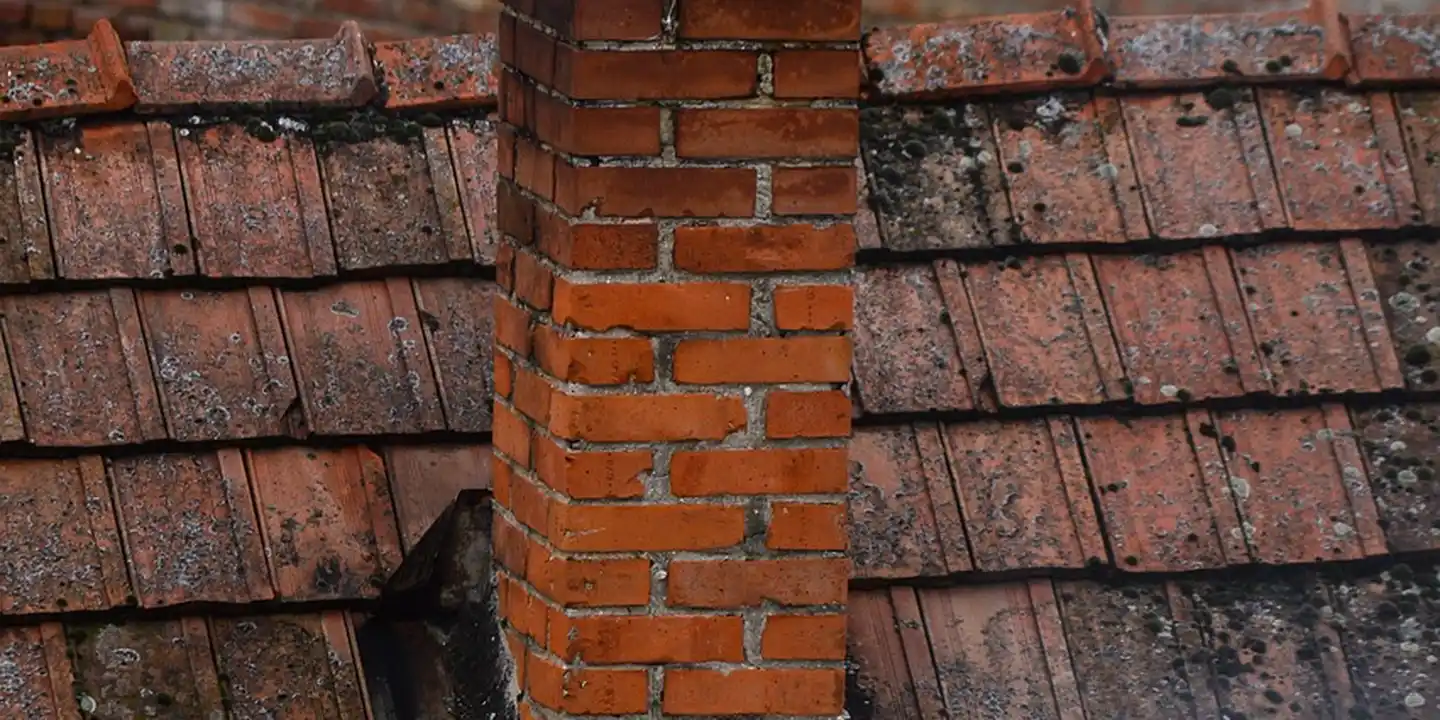
On a typical job, the labor to install a new chimney cap runs between $150 and $300. You’re not paying for just an hour of someone’s time. You’re paying for a specific set of skills that keeps them safe and gets the job done right the first time. Proper maintenance of chimney components is essential for long-term durability.
The process has a rhythm to it. First, a pro crew will set up their fall protection. They won’t just walk on your roof. Next, they remove the old cap, which can be a wrestling match if it’s rusted or sealed with decades-old mortar. They clean the chimney crown thoroughly, test fit the new cap, and then apply a high-grade sealant. The final, critical step is a water test to make sure every seam is locked down tight.
The real value is in the expertise that prevents a simple cap swap from causing a major leak into your attic.
The Hazard & Safety Assessment: Gear and Risks
This isn’t a ladder-lean job. A professional comes equipped with a roof harness system, roof jacks or stabilizers for secure footing, and shoes with proper grip. They treat every roof like it’s slick, because it often is.
The risks are real and layered. A steep roof pitch turns a simple misstep into a catastrophic fall. Overhead power service lines are a constant danger when handling metal caps. The masonry of an older chimney can be brittle and unstable. One wrong move can send bricks tumbling.
This combination of height, hazard, and precision work makes chimney cap replacement a firm “Pro-Only” task for 95% of homeowners, especially when replacing worn-out masonry liners and caps.
DIY vs. Pro: The Honest Verdict
I get asked all the time if a handy person can tackle this themselves. The honest answer is: it depends on a very narrow set of conditions. If your home is a single-story ranch with a nearly flat, walkable roof, and you have significant experience working at height, you might pull it off.
That is the rare exception. For the common two-story home with a standard pitched roof, it’s a bad idea. The fall risk is immense. Just as critical, an improper seal around the base is almost guaranteed. That tiny gap you can’t see from the ground will funnel water directly into your chimney structure.
My firm recommendation is to hire a certified chimney sweep or a licensed roofer who includes chimney work in their scope. You’re buying safety and a warranty against leaks.
Repair vs. Replace: When a Patch Job Makes Sense
Let’s talk about the temporary fix. A repair makes financial sense only when the damage is very minor and localized. Think of a pea-sized rust spot on a steel cap or a single small crack in a concrete crown top.
In these cases, a thorough cleaning and a thick application of a high-temp, flexible sealant can buy you a season. It’s a holding pattern. I’ve done this for customers who needed to delay the expense until spring.
Replacement becomes non-negotiable when you see large holes, collapsed or missing wire mesh, or severe corrosion that has eaten through the metal. At that point, the cap has failed its core jobs of keeping water and animals out.
The Cost-Benefit Verdict
Here’s the financial breakdown. A DIY patch kit might cost you $50. A full professional replacement starts around $300 and goes up from there with material choices.
For most situations I see, that patch is a waste of money. It’s a band-aid on a broken arm. It delays the inevitable replacement by a few months while moisture continues its slow invasion.
Framed against the cost of repairing rotted roof sheathing, soaked attic insulation, or stained interior walls, a full cap replacement is a straightforward investment in home protection. It solves the problem for a decade or more, not just for a few rainy weeks.
How to Get a Fair Price and Avoid Overpaying
How can you save money on a chimney cap replacement? The goal is smart spending, not cheap spending. A fair price pays for safe, lasting work.
Start by getting three detailed quotes from insured professionals. This isn’t just about the bottom line. It is about comparing what each company includes. You will see patterns in the pricing and scope of work. One quote is just a guess. Three quotes give you real market data.
Ask each pro to break down the quote into material cost and labor cost. This tells you a lot. A very low material cost might mean they are using a thin, lower-grade metal that will rust. A surprisingly low labor cost can mean they plan to cut corners, like not resealing the flashing properly.
Think about timing. If your chimney needs a cleaning or inspection, bundle that work with the cap replacement. Many chimney sweeps and roofers offer a discount for multiple services. You save on a separate service call, and they get a bigger job. It is a win-win.
Be very cautious of the lowest bid if it seems unrealistic. I have been called to fix too many “bargain” jobs. The cap was often the wrong size or poorly attached. Proper licensing and insurance protect you if something goes wrong on your roof. A slightly higher price from a reputable company is almost always the cheaper choice in the long run.
Questions to Ask Your Roofer or Chimney Sweep
Do not be shy. A good pro welcomes these questions. Have this list ready when you talk to them.
- “Can you provide proof of your liability insurance and workers’ compensation?”
- “What is the exact make and model of the cap you are proposing? Can I see a sample or photo?”
- “What grade of stainless steel are you using?” Ask for 304 or 316 stainless steel for the best rust resistance.
- “Is the existing flashing in good condition, or will it need repair or resealing as part of this job?” This is critical. A new cap on bad flashing is a waste.
- “Will you remove the old crown wash or mortar if it is damaged, or just install over it?”
- “What is your process for sealing and attaching the cap to my specific chimney type?”
- “Do you offer a warranty? Can I get it in writing?” You want a warranty that covers both the cap material and the installation labor. A 5-year labor warranty is a good sign.
- “How will you protect my roof and landscaping during the job?”
Quick Answers
How can I save money without hiring an unqualified handyman?
Get multiple detailed quotes and ask about bundling the cap replacement with your annual chimney inspection or cleaning. A reputable pro might offer a service package discount, which is smarter than risking a cheap, improper install.
My chimney cap is damaged. Is this a DIY fix I should attempt?
Only if your home is a single-story with a flat, walkable roof and you have serious height safety experience. For nearly everyone else, the fall risk and high chance of creating a leak mean this is a firm job for a licensed roofer or chimney sweep.
What’s the first thing I should do if my cap fails during a storm?
If it’s safe, cover the chimney flue opening from the inside with a plastic bag or board to prevent immediate water entry. To further protect against rain entering the chimney during this downtime, consider a temporary exterior cap or tarp. Then, schedule a professional repair as soon as possible—this is a temporary band-aid, not a solution.
Putting a Lid on Chimney Concerns
Focus on finding the right chimney cap for your home, not just the cheapest one. A proper installation with suitable materials protects your roof system and saves money for years.
View a chimney cap as a critical part of your home’s regular care and maintenance. Understanding the purpose and basic requirements of a chimney cap helps you choose the right cap and ensure proper installation. Staying informed about your entire roof is the best way to keep it—and everyone inside—safe and dry.
Ray Huffington
Ray is an experienced roofer. He has worked as a general contractor in the roofing industry for over 15 years now. He has installed and repaired all kinds of roofs, from small houses to large mansion, and from basic shingles to cement and metal roofs and even solar roof panels. He has seen homeowners struggle with roofing questions and always has experience based proven advice to help those in need. If you need roof pros, Ray's your guide.