
How Often Should You Sweep Your Chimney? A Roofer’s Guide to Safe Fires
Do you light a fire wondering if hidden soot could turn cozy into dangerous? Let’s settle the question of cleaning frequency so you can relax by the hearth.
I’ll explain the simple, rule-of-thumb schedule every homeowner should follow. You’ll learn the unmistakable signs your chimney is screaming for a sweep. I’ll share my hard-earned advice from fixing problems that started with a neglected flue.
Why Sweeping Isn’t Just About Your Fireplace
That cozy fire in your living room leaves a hidden danger inside your chimney. It’s called creosote. Creosote is a black, tar-like substance that builds up on your flue liner from burning wood. It’s highly flammable. When enough of it accumulates, a single spark can ignite it, causing a chimney fire.
A chimney fire is an emergency. The intense heat can crack your clay flue tiles or melt a metal liner. That heat also travels through the masonry, threatening the wooden framing of your roof and the metal flashing that seals the chimney to the shingles. I’ve been on roofs after small chimney fires where the heat blistered the surrounding asphalt shingles and warped the flashing, creating instant leaks.
A blocked or dirty chimney also forces dangerous gases back into your home. Smoke and carbon monoxide should draft up and out. If the path is clogged, they have nowhere to go but into your living space. This is a silent, deadly risk and one of the chimney problems that can affect your home safety.
An annual inspection and cleaning by a certified professional is the non-negotiable baseline for keeping your home safe and your roof protected from internal damage. Think of it like changing the oil in your car. It’s routine maintenance that prevents a catastrophic failure.
The Clear Signs Your Chimney is Screaming for a Sweep
You don’t always need to wait for your yearly checkup. Your chimney will give you clear warnings when it’s overdue. Here is what to look for inside your home.
- Visible Creosote: Shine a flashlight up your fireplace. If you see a thick, glazed, tar-like coating on the damper or flue walls, that’s a major red flag. This shiny, hardened creosote is the most dangerous stage and is difficult to remove without professional tools.
- Poor Drafting Performance: Does smoke regularly billow back into the room when you start a fire? Does your house smell like a campfire long after the fire is out? These are signs the chimney isn’t drafting properly, often due to a blockage or heavy buildup.
- Debris and Odors: Hear birds or smell a nest? Find bits of leaves, twigs, or soot falling into your fireplace? Your chimney cap may be compromised, allowing blockages to form.
From the roof level, the signs are just as telling. Look for these indicators from the ground with binoculars.
- Visible soot or black, crusty droppings around the chimney cap or on the roof shingles right next to the chimney.
- An excessive amount of visible smoke that seems to struggle to exit the top of the flue.
A good rule of thumb from my years in the trade: if you can see more than 1/8 inch of sooty, flaky buildup on the flue walls, it’s past time to call a professional chimney sweep.
Inspecting from the Roof: What Pros Look For
When I or any qualified pro goes up on your roof for a chimney inspection, we have a specific checklist. Our goal is to assess the entire system, from the top down.
First, we check the chimney cap. Is it securely in place? Is the wire mesh clogged with leaves, pine needles, or worse, a bird’s nest? A blocked cap is a leading cause of drafting problems.
Next, we examine the chimney crown. That’s the cement slab on top of the brickwork. We look for cracks, chips, or erosion. A damaged crown lets water pour directly into the chimney structure, which causes interior damage and ruins the flue liner over time.
The most critical roof-level check is the flashing-the metal seals where the chimney meets the roof deck. We look for loose nails, open seams, or corrosion. Heat from a chimney fire or simple age can warp this flashing, creating a direct path for water to rot your roof deck and ruin your ceiling.
Please, do not climb onto your roof to perform this inspection yourself. It’s not worth the risk of a fall. This visual assessment is a key part of a professional’s job, and they have the training and safety equipment to do it safely. You can spot many initial signs safely from the ground with a good pair of binoculars.
How Often to Sweep a Wood Burning Stove or Insert
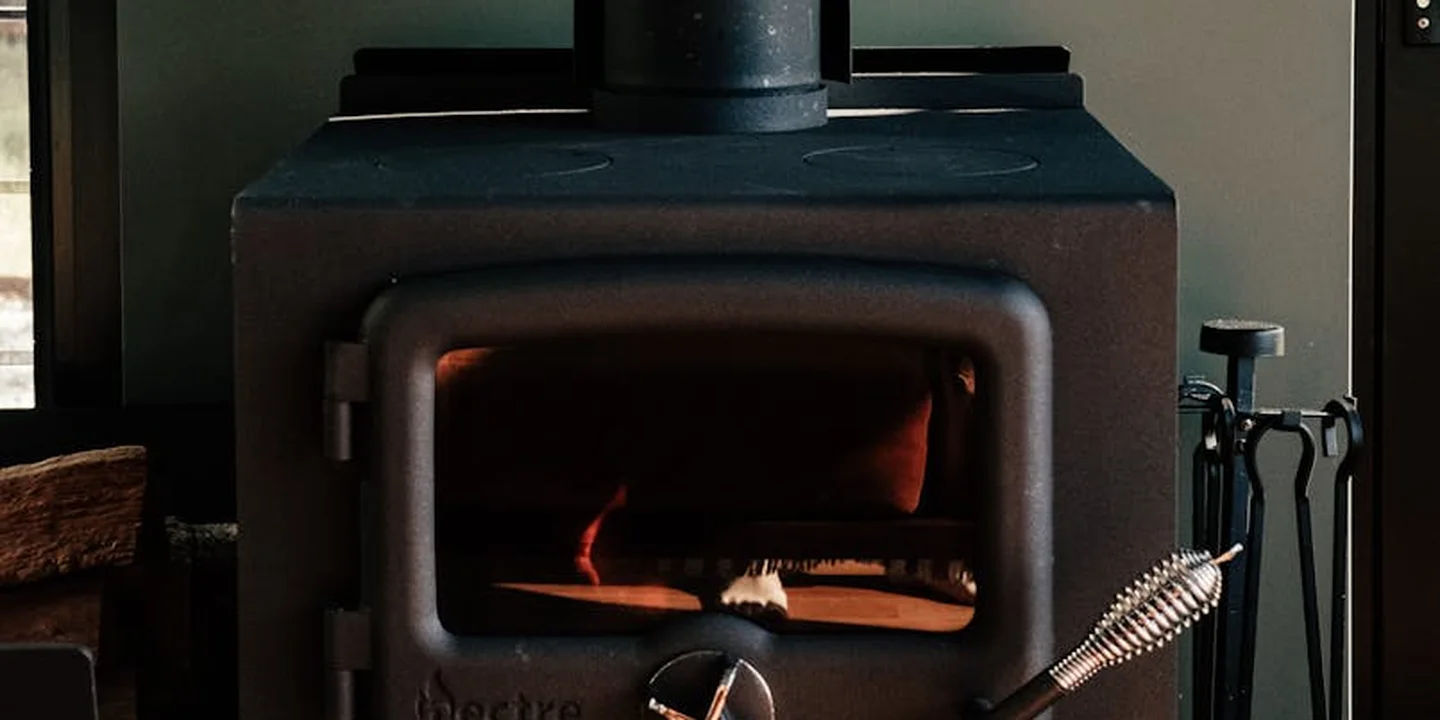
If you heat your home with a wood burner, your cleaning schedule is different. Modern wood stoves and inserts often need sweeping more than once a year, and the reason is their own efficiency. These units are designed to extract more heat, which leaves the flue gases cooler. Cooler gases condense faster on the chimney liner, forming creosote quickly.
On my crew, we saw this often. A stove might be perfectly installed, but without enough sweeps, it became a hazard by February.
Your firewood choice is the biggest factor you control. Burning seasoned hardwood versus green, wet wood will dramatically change your creosote production. Think of it like this: seasoned wood is like dry kindling-it burns hot and clean. Green wood is like a damp log-it smokes and sputters, coating your flue with a sticky, flammable glaze.
I’ve opened flues where only green wood was burned. The creosote was an inch thick and glossy, like black ice. It’s a clear sign the schedule was wrong for the fuel.
So, set a practical routine. For frequent winter use, plan on a mid-season check and an end-of-season full clean. If you burn wood most days, have a sweep do a quick inspection and clean around New Year’s. Then, schedule a complete, thorough cleaning after the burning season ends. This two-visit plan manages risk and keeps your system reliable.
How Often to Sweep an Open Hearth Fireplace
Your open hearth fireplace needs a yearly sweep, just like a wood stove. I tell every homeowner with a traditional fireplace to schedule a cleaning each fall, before the burning season starts. The buildup pattern can be a bit different. You often get more fluffy soot and ash settling in the smoke chamber and damper area, while creosote-that hard, tarry stuff-tends to form higher up in the flue. On a job last year, I cleaned one where the lower chimney was full of soot, but the real danger was a glossy creosote layer near the top the homeowner never saw.
What you burn changes the game. Let’s compare cord wood and manufactured logs.
- Seasoned cord wood is my preference, but it must be dry. Green or wet wood creates excessive smoke and water vapor. That leads to rapid creosote buildup. If you only burn well-seasoned hardwood, you’re likely on track with that annual sweep.
- Manufactured logs like wax or sawdust bricks burn hotter and more completely. They generally produce less creosote. Even with these cleaner logs, I stick to the annual schedule because soot and debris still accumulate. I’ve seen cases where folks thought they could go two years, only to find the flue liner coated in a fine, dusty soot that restricts airflow.
Do you only light a fire on a few cozy nights each winter? That doesn’t get you off the hook. An unused chimney is a prime target for debris and nesting animals, which is why an annual inspection is non-negotiable. I’ve pulled out everything from leaf packs to a bird’s nest from chimneys that hadn’t seen a fire in years. That blockage can cause smoke to back up into your home the first time you light a match. A quick check each year keeps it clear and safe. It’s a small task that prevents big, expensive problems.
What Changes Your Chimney Cleaning Schedule?
The “once a year” rule is a safe starting point. Think of it like changing your car’s oil. You might get away with going a little longer under perfect conditions, but you never want to push it too far.
Your actual schedule depends on a few key things you control. Your habits with the fireplace directly determine how fast dangerous creosote builds up inside the flue. Here are the main factors that will move your cleaning date up or back.
The Fuel You Burn: Wood Type and Moisture
All wood smoke makes creosote. But the type of wood you burn decides how much.
Dry, seasoned hardwood like oak or maple is the gold standard. It has been split and stacked for at least 6-12 months. This wood burns hot and clean, leaving behind a flaky, dry soot that’s easier to sweep.
Burning softwoods (pine, fir) or “green” wood that isn’t seasoned is a different story. These have more sap and moisture. They burn at a lower temperature and release more unburned vapors. Those vapors cool and stick to your chimney walls as a thick, tar-like creosote. This glaze is the most dangerous kind.
If you primarily burn softwood or wood that wasn’t properly dried, plan for a cleaning at least once a year, possibly twice if you use the fireplace heavily.
Manufactured logs, like those wax-and-sawdust bundles, generally burn cleaner than wood. They produce less creosote. But they are not a free pass. You still get ash and some buildup, so annual inspection is still non-negotiable.
How You Operate Your Fire
How you build and maintain your fire is just as important as what you burn. I’ve seen two identical fireplaces with vastly different chimney conditions based on owner habits. It’s crucial to follow proper chimney fire safety practices to prevent damage.
A hot, brisk fire is a clean fire. You get good airflow, the wood is fully consumed, and most smoke particles burn up before they can travel up the chimney.
A smoldering, low-temperature fire is a creosote factory. This happens when you close the damper too early to “keep the heat in” or overload the firebox with logs that just char instead of flame. This slow, smoky burn is the main cause of that dangerous, sticky Stage 3 creosote glaze that is a major fire hazard.
Frequency of use is the other half of the equation. A fireplace used every weekend through the winter will naturally need more attention than one lit three times a year for ambiance. More fires mean more opportunity for buildup, even with good wood and hot burns.
Your Chimney’s Age, Liner, and Condition
The chimney itself plays a role in your maintenance schedule. Keeping an eye on all components—flues, dampers, caps, and crowns—helps prevent bigger problems and keeps the plan cohesive. Proper maintenance means checking each part regularly, not just the liner. A common question I get is, “do chimney liners need sweeping?”
Absolutely, yes. A metal or clay tile liner makes the chimney safer and more efficient, but it doesn’t make it self-cleaning. Creosote sticks to liners too. In fact, a smooth metal liner can sometimes allow glazed creosote to build up faster than rough masonry.
Any inspection must start with checking the liner’s condition before a sweep. A cracked clay tile or corroded metal liner needs to be repaired or replaced first. Sweeping a damaged liner can worsen the problem and let debris fall into the wall cavity.
Older, unlined masonry chimneys demand extra vigilance. The mortar between the bricks is porous and can be broken down by the acidic creosote residue over time. This deterioration creates hidden gaps where heat and sparks can escape into your home’s framing. For an older chimney, the annual inspection is critical to catch this slow decay before it becomes a catastrophic failure.
The Real Cost of Skipping a Chimney Sweep
Think of creosote as gasoline that’s been painted onto the inside of your chimney. It’s a tar-like, highly flammable residue left behind when wood doesn’t burn completely. Each fire adds another layer of creosote buildup.
When enough of this fuel builds up, a single stray spark or a very hot fire can ignite it, starting a chimney fire that burns at over 2000 degrees Fahrenheit. I’ve seen the aftermath. It’s not something you ever want to experience.
That incredible heat doesn’t just vanish up the flue. It attacks the chimney structure itself. First, the extreme thermal shock can crack the clay tile liner inside. Once that protective liner is compromised, the superheated air and flames reach the mortar between the bricks.
The mortar quickly dries out, crumbles, and fails. This is how a small internal fire can create serious structural weakness.
The danger doesn’t stop at the masonry. On the roof, the most vulnerable point is always where different materials meet. The metal flashing that seals your chimney to the roof shingles is designed for normal weather, not a blowtorch-like flame event.
The intense, localized heat from a chimney fire can warp, melt, or completely compromise the roof flashing, creating an immediate path for water to pour into your home. I’ve had to repair entire roof decks and rafters ruined by water that entered through flashings damaged in a fire.
Blockages pose a different, silent threat. When a chimney is clogged by creosote glaze, bird nests, or debris, the dangerous gases from your fire have nowhere to go. Carbon monoxide, which you cannot see or smell, can be forced back into your living space.
This isn’t a minor inconvenience. Regular cleaning is your primary defense against this invisible, odorless health risk. A clear flue allows these gases to draft safely outside where they belong.
Skipping a sweep might seem like saving money or time. In reality, you’re gambling with the entire system. You’re allowing a fuel source to accumulate inches from the wood frame of your house.
Neglect here can lead to catastrophic roof damage and house fires, not just a dirty flue. The cost of an annual sweep is trivial compared to the cost of a new roof, major masonry repairs, or the unthinkable loss of a home.
Can You Clean a Chimney Yourself? A Roofer’s Honest Take
Yes, you can buy a DIY chimney cleaning kit. I’ve seen them at hardware stores. The real question is, should you? If you’re weighing your options, the best chimney cleaning methods, products, and DIY tips are worth a look. I’ll outline them in the next steps.
From my view on the roof, it’s a messy and risky job for a homeowner. The work happens up here, where everything is more difficult and dangerous.
The Safety Hazards Are Real
Cleaning a chimney means working at height. You must get on your roof and stay there while you work. A slight slip can change your life.
Just getting up requires a stable ladder set at the correct angle. Wind, uneven ground, or a loose rung turns a simple climb into a fall.
Then there’s what you’re cleaning. Creosote, the black, tar-like buildup inside your flue, is a known carcinogen. Disturbing it without industrial-grade containment fills your living space with harmful particles. You don’t want that in your lungs or your home’s air.
Mixing ladder work, rooftop balance, and exposure to toxic creosote creates a perfect storm of risk most homeowners shouldn’t navigate.
What a Professional Brings to the Job
This is where the value of a pro becomes clear. It’s not just about a brush on a rod.
A certified sweep shows up with a truck full of gear designed for one job. They use high-powered HEPA-filtered vacuums that attach directly to the fireplace or cleanout door. This contains the soot and creosote completely, keeping it out of your house.
They have a full set of specialized brushes-wire, poly-matched to your flue’s size and material (clay tile, metal liner). Using the wrong brush can damage the flue.
Most importantly, they bring a camera. After sweeping, they can run a high-resolution inspection camera up the chimney. This lets them see cracks in the flue tiles, gaps in the mortar, or dangerous creosote glazing that a simple brushing might miss. I can’t tell you how many times I’ve been on a roof to fix a leak that started with an unseen chimney flaw.
A professional provides a complete service: containment, correct tooling, and a critical inspection you simply cannot do yourself.
The Practical Choice for Homeowners
I love a good DIY project. But some jobs are about safety and longevity, not just cost savings.
Think of chimney sweeping like an oil change for your fireplace. You could do it in your driveway, but you take it to a mechanic. They have the pit, the tools, the disposal system, and the trained eye to spot other pending issues.
For a thorough job that protects your roof and home, a professional chimney sweep is necessary. They ensure the critical venting system for your fire is safe and sound. That peace of mind, from someone trained and insured for the hazards, is worth the investment. When budgeting for this service, understanding the chimney sweep cost can help you plan ahead and compare options.
The Best Time of Year to Schedule Your Sweep
Think of scheduling your chimney sweep like getting your car’s oil changed before a long road trip. You do it before you need it, not when the engine’s already smoking.
The absolute best time to book your appointment is in late summer or early fall. I always tell my neighbors to get it on the calendar by September.
This timing gives you two big advantages: it beats the rush, and it makes sure your system is safe and ready the first time you light a fire.
Professional sweeps have much more flexible schedules during these warmer months. You can often get an appointment within a week, sometimes even the next day. This means you can pick a reputable, certified sweep instead of just whoever has an opening in November.
I need to give you a serious warning here. Do not wait for the first cold snap of the year.
When that first chilly weekend hits, my phone used to ring off the hook. Every single person who forgot about their chimney suddenly remembers it at the same time.
If you call in November, you’ll be joining a very long line, and you might be waiting weeks for service just as burning season begins.
I’ve seen too many folks get impatient and skip the sweep altogether that year, which is a dangerous gamble with their safety.
What about cleaning in the spring? It’s a great habit to get into.
A spring cleaning, right after you’re done using the fireplace for the season, serves a specific purpose. It removes all the acidic creosote and soot that built up over the winter.
Cleaning in the spring stops these corrosive residues from sitting and eating away at your chimney liner all summer long.
It’s like wiping down a cast iron pan right after cooking instead of letting food sit and rust on it. This spring cleaning makes your fall inspection quicker and easier, as there’s less buildup to evaluate. If you only schedule one cleaning a year, fall is critical. But if you use your fireplace heavily, doing both is smart maintenance.
What to Expect When the Professional Chimney Sweep Arrives
When you hire a pro, you’re not just paying for a quick brush-out. You’re getting a full safety and condition check of a critical part of your home. A thorough sweep works like a doctor for your chimney, diagnosing problems before they become emergencies.
I always tell homeowners to expect the sweep to spend at least an hour, sometimes two, depending on your setup. They should arrive with a truck full of specialized tools, not just a single brush. A good one will explain each step before they begin, so you know exactly what’s happening.
Step 1: The Comprehensive Inspection
The real work starts with their eyes, not their brush. They will first examine everything from the ground up. This means looking inside your fireplace or wood stove, checking the damper operation, and peering up at the smoke shelf.
Next, they head to the roof. This roof-top inspection is where a seasoned pro earns their keep, as it’s your first line of defense against water damage. They will check the chimney cap for blockages, examine the cement crown for cracks, and, most importantly, scrutinize the flashing-the metal seal where the chimney meets your roof shingles.
They should use a high-resolution inspection camera. This tool snakes down the flue and sends back a live video to a screen. It lets them see every inch of the clay tile or metal liner for cracks, creosote buildup, and hidden damage. I’ve been on roofs where the camera found a hairline crack in the liner that would have been invisible otherwise, saving the homeowner from a costly fire hazard.
Step 2: The Cleaning and Sweeping Process
Protection comes first. A professional will cover your hearth and floor with heavy-duty canvas tarps, not just flimsy plastic sheets. They’ll connect a commercial-grade vacuum with a HEPA filter to catch the fine, black soot dust. This keeps your living space clean and prevents that dust from circulating in your air.
The sweeping itself is methodical. They use flexible fiberglass rods that screw together, with a brush head sized precisely for your flue. The sweep attaches the brush to the rods and feeds it down from the top of the chimney, systematically scrubbing the walls as they go. Think of it like cleaning a tall, dirty pipe from the inside out. They work the brush up and down until all the combustible creosote is knocked loose and captured by the vacuum below.
Step 3: The Report and Repair Recommendations
After the cleaning, a trustworthy sweep will sit down with you. They’ll provide a clear verbal rundown and a written report, often with photos from the inspection camera. This document is your chimney’s health record.
They will point out any issues they found. This could be deteriorating mortar joints, a cracked crown, or gaps in the flue liner. From a roof-care perspective, pay close attention to any notes about the flashing-this is a common leak source we roofers are always chasing. A chimney sweep on your roof has a perfect vantage point to spot corroded metal, lifted shingles, or failed sealant around the chimney base long before you see a water stain on your ceiling.
On a job last fall, the sweep called me over because he noticed the step flashing on a chimney was rusted through in one corner. The homeowner had no idea, but that small flaw was a direct path for rain into their attic. Catching it then saved them a major repair bill later.
Quick Answers
1. How does a dirty chimney threaten my roof?
The main threat is a chimney fire. Intense heat can warp the metal flashing sealing your chimney to the roof, creating an immediate leak path. This can rot your roof deck and damage surrounding shingles before you even see a water stain inside.
2. I get it swept yearly. Why would I need a chimney inspection camera?
A brush cleans, but a camera *inspects*. It finds hidden problems a brush misses, like cracks in the flue liner or deteriorating mortar. These flaws let heat and moisture attack your chimney’s structure from the inside, leading to major repairs.
3. Is cleaning my chimney in the spring actually better for it?
Yes, especially for longevity. Removing corrosive creosote after the burning season stops it from eating away at your stainless steel chimney flue liners all summer. Think of it as preventative maintenance that protects your chimney’s structure and your wallet.
A Well-Maintained Chimney is Roof Care
Schedule a professional sweep each year you use your wood burner, and act immediately if you see creosote buildup or poor ventilation. This discipline stops small problems from becoming major roof repairs or house fires.
Owning a home means being the steward of its safety, starting from the roof down. Use this as a stepping stone to learn about all roof components, because a holistic approach is what I’ve seen work for decades.
Ray Huffington
Ray is an experienced roofer. He has worked as a general contractor in the roofing industry for over 15 years now. He has installed and repaired all kinds of roofs, from small houses to large mansion, and from basic shingles to cement and metal roofs and even solar roof panels. He has seen homeowners struggle with roofing questions and always has experience based proven advice to help those in need. If you need roof pros, Ray's your guide.