
How Much Does Chimney Work Cost? A Roofer’s Real-World Guide
When you see smoke curling from your neighbor’s chimney, do you wonder what it takes to keep yours safe and working right?
You’re worried about hidden fees and unexpected bills for chimney care. Let me give you the straight talk on prices I’ve seen from hundreds of jobs.
In this guide, I’ll share real numbers for: a standard chimney sweep, what inspections actually cover, common repair scenarios and their cost, and the big decision between full replacement or removal.
Key Takeaways: Your Chimney Cost Cheat Sheet
Here is a quick look at what you can expect to pay for chimney work. These are national averages and your final price will depend on your chimney’s size, location, and condition.
| Service | Average Cost Range |
|---|---|
| Chimney Sweep | $150 – $400 |
| Level 1 Inspection | $100 – $300 |
| Common Repairs (flashing, crown) | $300 – $2,000+ |
| Full Chimney Rebuild | $5,000 – $15,000+ |
| Chimney Removal | $1,000 – $5,000+ |
Think of sweeping and inspection as an insurance policy for your roof and home. Spending a few hundred dollars now can help you avoid a surprise bill for several thousand dollars later. A small crack in the crown can be fixed today. If you ignore it, that crack lets in water that ruins the liner and rots the roof deck.
Many homeowners are surprised to learn that removal can cost more than a repair. Removal isn’t just taking bricks down; it’s a structural roofing job that involves patching the hole in your roof and rerouting vents. We’ll look at when repair makes more sense than replacement or removal later on.
Breaking Down the Bills: Cost Ranges for Every Job
How much does a chimney sweep cost?
A standard cleaning typically runs between $150 and $400. The price changes with how much creosote has built up, how accessible your chimney is, and if you have multiple flues. If you see a quote like “$115 for a chimney sweeper,” that’s often a promotional rate for a very basic clean on a single-story home with a clean fireplace. It might also be an hourly labor rate, not the total job cost. I’ve shown up to “quick cleans” that turned into multi-hour jobs because the previous owner never had it serviced.
How much does a chimney inspection cost?
Inspections come in three levels, and the cost goes up with the detail. A Level 1 inspection ($100 to $300) is a visual check of easy-to-see parts. It’s what you get with an annual sweep. A Level 2 inspection ($200 to $500) is often required for home sales; it includes a camera scan of the flue interior to check for hidden damage. A Level 3 inspection ($500 to $1,000+) is invasive. It involves removing parts of the chimney or walls to find the source of a serious problem, like a suspected structural flaw.
How much does chimney repair cost?
Repair costs vary wildly because “repair” covers so much. Here are the most common fixes I see from the roof:
- Flashing Repair: $300 to $1,500. The metal seal where the chimney meets the roof is the most common leak source. A simple reseal is cheap. Replacing badly corroded flashing costs more.
- Crown Repair/Replacement: $200 to $2,000. The concrete crown on top cracks over time. A small patch is low-cost. A full replacement, which stops water from pouring into the brickwork, is a more involved fix.
- Repointing (Tuckpointing): $500 to $2,500. This is fixing the mortar between bricks. You can’t ignore this. Bad mortar lets water deep into the chimney structure, causing massive damage inside the walls.
- Relining a Chimney: $2,500 to $7,000. If the clay tile liner inside is cracked, you must reline it for safety. A stainless steel liner is the standard fix. How long does it take to reline a chimney? For a skilled crew, often one to two full days of work.
How much does chimney replacement cost?
You need to know what “replacement” means. Replacing just the stainless steel liner (relining) costs thousands, but replacing the entire brick chimney structure can cost tens of thousands. A full masonry rebuild from the roofline up can easily run from $5,000 to over $15,000. It’s a major construction project. Often, if the bricks are sound but the liner is bad, installing a new metal liner is the correct and far more affordable “replacement” solution.
How much does chimney removal cost?
Removing a chimney usually costs between $1,000 and $5,000 or more. Why is taking something away so expensive? Because the job isn’t done when the bricks are gone. The crew must then frame in the roof, install new decking, shingle over the area, and reroute any furnace or water heater vents that used the chimney. It’s a significant roofing and carpentry project. For a chimney that’s just ugly or unused, repair is almost always cheaper. Removal is usually for a chimney that is structurally unsound and too damaged to save.
What Drives the Price Up or Down? Key Cost Factors
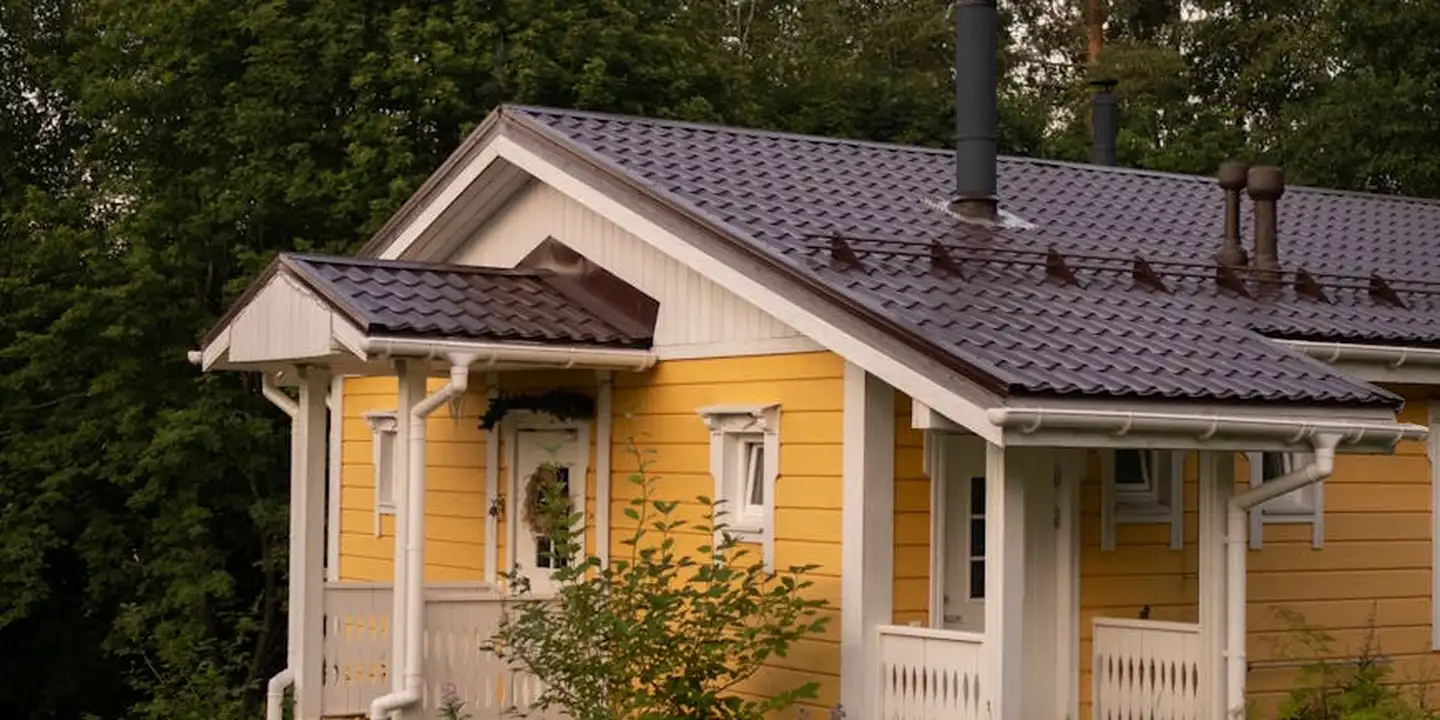
When I get asked for a ballpark quote, I explain that five main things change the number. Understanding these helps you know why one quote might be double another.
Your Roof and Chimney’s Physical Challenges
How hard is it to get to the work site? This is the biggest labor factor. A short, single-story chimney on a low-pitch roof is a straightforward job. A tall, two-story chimney on a steep, complex roof is a different story.
Chimney height and roof pitch directly increase labor time and risk, requiring more safety gear and careful planning. On a steep roof, every tool and piece of material needs to be secured. It simply takes longer to work safely. I always factor in this extra time.
Accessibility matters too. Is there a clear path on the roof? Are there skylights or solar panels in the way? Difficult access means a higher price for the extra effort and caution needed.
The Chimney’s Construction: Masonry vs. Metal
What your chimney is made of changes the repair or replacement cost dramatically.
- Masonry Chimneys (Brick/Stone): These are built on-site. Repairs often involve matching old brick or stone, which can be custom work. Rebuilding the crown, repointing mortar (tuckpointing), or replacing firebrick liners are common, material-intensive fixes.
- Metal Prefab Chimneys: These are factory-built systems. Costs are usually for replacing specific components like the rain cap, storm collar, or sections of pipe. The materials themselves often cost less than masonry, but specialty parts and labor for disassembly/reassembly add up.
Masonry work is typically more expensive per job due to material costs and the skilled labor required for a lasting, code-compliant repair.
Where You Live: Local Labor Rates
The question “how expensive is a chimney sweep” has a different answer in a major city versus a rural town. Labor rates vary by region. A certified sweep in a high-cost urban area will charge more per hour than one in a region with a lower overall cost of living. This is a simple fact of business overhead. Always get multiple local estimates to understand your area’s market rate.
When You Schedule the Work
Timing impacts your bill. The fall, right before heating season, is the busiest and often most expensive time to book a sweep or inspection. Scheduling in the spring or summer can sometimes lead to better rates or promotions.
An emergency call for a leak or major damage, especially on a weekend or holiday, will always include a premium fee for the immediate response. Planning ahead with routine maintenance is the best way to avoid these costly emergency premiums.
Paperwork and Permits for Big Jobs
For minor sweeps and small repairs, permits aren’t needed. For major structural work like a full chimney rebuild, a partial teardown, or a complete removal, your town will likely require a building permit. The permit cost itself is usually a few hundred dollars, but it’s a non-negotiable line item. A reputable contractor will handle pulling the permit, and its cost will be included in your estimate. This ensures the work is inspected and meets local building codes for your safety.
Repair or Replace? Making the Smart Money Decision
You just got an estimate. The number is staring back at you. Is fixing the problem the right move, or are you about to pour money into a lost cause?
I’ve been on hundreds of roofs where this was the homeowner’s exact dilemma. The smart choice isn’t always the cheapest upfront fix.
The $500 Question: Stopgap or Money Pit?
A repair costing a few hundred dollars can be brilliant or foolish. It comes down to the chimney’s overall health.
A $500 repair is a wise stopgap when the rest of the chimney is fundamentally sound. Think of repointing a small section of good brick or replacing a single cracked clay flue liner. You’re addressing one specific failure.
That same $500 becomes a wasteful band-aid when it’s patching a symptom of systemic failure. I’ve seen crews “repair” spalling bricks on a chimney with a crumbling foundation. It looks better for six months, but the core problem is still eating your chimney from the inside out. You’ll pay that $500 again next year, and the year after.
The 60% Rule: A Roofer’s Verdict Framework
Here’s a simple rule my crew and I have used for years. It cuts through the confusion.
If the repair quote is 60% or more of a full chimney rebuild cost, replacement is almost always the better long-term value.
Why 60%? At that point, you’re spending most of the money for a new chimney but only getting a patched-up old one. A full replacement comes with a new warranty, modern materials, and decades of worry-free service. A major repair just resets the clock on an aging structure, often with shorter guarantees.
Chimney Problem: Repair vs. Replace Cost Guide
This table compares common issues. Costs are national averages and can vary.
| Problem | Typical Repair Cost | Typical Replace/Full Rebuild Cost | Recommended Action |
|---|---|---|---|
| Cracked Clay Flue Liner (Single Tile) | $500 – $1,500 | $5,000 – $15,000+ | Repair. Relining the single flue is cost-effective if the chimney structure is good. |
| Deteriorated Mortar (Repointing/Tuckpointing) | $1,000 – $3,000 | $5,000 – $15,000+ | Repair, if isolated. If less than 25% of joints are bad, repointing restores life. If more, the bricks are likely failing too. |
| Leaning Chimney (Minor Shift) | $2,000 – $5,000+ (for bracing/partial rebuild) | $7,000 – $20,000+ | Lean toward replacement. This is often a sign of foundation failure. A brace might hit the 60% rule fast. |
| Widespread Spalling (Bricks crumbling) | $3,000 – $7,000+ (for resurfacing/”parging”) | $7,000 – $20,000+ | Replace. Parging is a cosmetic cover-up. The moisture damage inside the brick is still there. |
How Do I Know If My Chimney Needs to Be Replaced?
You don’t need to be an expert to spot the red flags. Look for these signs that often mean repair money is better spent on replacement.
- The chimney is visibly leaning or pulling away from your house.
- You see large, deep cracks running through multiple bricks (not just the mortar).
- The bricks are soft, flaky, or crumbling when you touch them (spalling) over a large area.
- There is persistent water damage in the attic or walls around the chimney chase, even after flashing repairs.
- A professional inspection reveals multiple clay flue tiles are cracked or the chimney lacks a proper liner entirely.
When you see a combination of these issues, you’re looking at a chimney in terminal decline. Investing in a series of expensive repairs is like constantly fixing a car with a blown engine. Eventually, you must replace the core unit.
Safety First: Why This Isn’t a DIY Job
Let me be direct: working on your chimney is a pro-only job. I’ve spent decades on roofs, and I tell every homeowner the same thing. This isn’t like cleaning your gutters.
A qualified chimney professional brings two things you can’t get from a hardware store: specialized training and proper insurance. That insurance protects you and your home if something goes wrong.
The Gear Pros Use (That You Don’t Have)
My crew doesn’t just climb a ladder. We use a system.
- Roof harnesses and anchors: These are tied off to a secure point before we even step onto a steep pitch. A simple fall can change your life.
- Industrial-grade ladders: We use type IA ladders rated for 300 pounds, with levelers and stabilizers to prevent slipping.
- Chimney sweep rods and brushes: These are the right tools for the flue size. Using the wrong size or a makeshift tool can damage the clay liner.
- Full-face respirators: We wear these for sweeping and during demolition. Soot and mortar dust are serious lung irritants you don’t want to breathe.
The Real Risks You’re Facing
It looks simple from the ground. Up close, the dangers are real.
A roof’s pitch is deceptive. A walkable 6/12 pitch becomes a slippery slide with morning dew or pine needles. One misstep leads to a fall with nothing to stop you.
Inspecting a flue risks carbon monoxide exposure. A professional knows how to safely check for blockages or cracks that could send odorless gas back into your house. Guessing is not an option.
Demolition is unpredictable. Taking apart a chimney involves loosening bricks and mortar above your head. The weight is immense. A section can collapse inward or outward without warning, which is why careful consideration of chimney removal methods is crucial.
Power lines are often nearby. Aluminum ladders and metal tools conduct electricity. A mistake in positioning can be fatal.
How DIY Causes Costly Damage
Even if you avoid injury, the work itself can ruin your roof.
Improper flashing repair is the biggest culprit. The thin metal where the chimney meets the roof is a precision detail. Silicone or roof tar from a tube is a temporary patch, not a repair. It will fail, especially when compared to proper chimney flashing repair methods.
That failure voids your shingle warranty and leads directly to a leak. Water runs behind the siding, rots the roof deck, and damages your ceiling. I’ve fixed many “small leaks” that started with a homeowner’s attempt to save a few hundred dollars on flashing.
Hire a certified professional. The cost is for their skill, their safety system, and your long-term peace of mind.
The Chimney Care Timeline: When to Schedule What
A chimney isn’t a set-it-and-forget-it part of your home. Think of it like the brakes on your car. You need a regular maintenance schedule, and you must know the warning signs that demand immediate attention. That includes careful chimney components maintenance—the flue, crown, damper, liner, and flashing. Regular inspections help you spot trouble before it spreads.
How Often Do Chimneys Need to be Cleaned or Serviced?
The schedule hinges entirely on what you burn. The fuel type creates very different kinds of buildup inside your flue.
For wood-burning fireplaces and stoves, you should schedule a professional chimney sweep once a year, ideally in the fall before you start your burning season. Creosote, the tar-like residue from burning wood, is highly flammable. I’ve seen chimneys where it built up over a few seasons and caught fire. A good sweep removes this dangerous layer.
For gas appliances, the concern isn’t creosote. It’s corrosion, blockages from nests, or minor cracks. A level one inspection (we’ll get to that) every year is smart to ensure everything is venting properly. Combustion gases are nothing to gamble with.
When an Inspection is Non-Negotiable
Beyond annual checks, certain events should trigger an immediate professional inspection. Don’t wait.
- After any major storm: High winds can shift the chimney crown or loosen bricks. Hail can damage the flue liner. I once inspected a chimney after a storm and found a hairline crack in the clay liner you could barely see, but it was a direct path for water.
- Before buying or selling a home: A chimney inspection is as critical as the home inspection. You need to know if you’re inheriting a $5,000 repair.
- If you hear animals in the flue: Nests block ventilation and are a fire hazard.
- Before your first use of the season: Especially if it’s been sitting unused. This is your safety check.
The Signs That Trigger a Repair Call
Your chimney will often tell you it’s in trouble. You just have to know what to look for, inside and out.
- Interior water stains on the ceiling or wall around the chimney: This is the biggest red flag. It means your chimney flashing (the metal seal where chimney meets roof) is failing, or your chimney crown is cracked. Water inside your home structure is an urgent fix.
- Crumbling or missing mortar (spalling): Look at the mortar joints between the bricks. If it’s sandy, recessed, or falling out, it needs repointing. This keeps the structure sound and blocks water entry.
- Draft issues or smoke entering the room: This points to a blockage or a damaged flue liner that isn’t pulling smoke up and out correctly.
- White, powdery stain (efflorescence) on the exterior brick: This is mineral deposits left behind by evaporating water. It’s a sign that moisture is moving through the masonry.
How Many Years Does a Chimney Last?
There’s no single number. Lifespan depends on the materials, climate, and maintenance. A well-built and maintained chimney can last the life of the house, but components wear out.
A traditional brick chimney with a clay tile liner, with proper care and in a mild climate, can easily last 50 to 100 years. But the mortar may need repointing every 25-30 years, and the clay liner can crack and need replacement sooner.
Prefabricated metal chimneys (class A pipe) used for stoves have a typical lifespan of 15 to 20 years, but you must follow the manufacturer’s maintenance guidelines. The chase cover (the metal top) is a common failure point for leaks.
The key is that the chimney system has many parts-crown, flashing, liner, mortar, brick-and each has its own lifespan. Regular inspections find the weak link before it fails.
The Process for Chimney Removal
Sometimes, repair isn’t feasible or cost-effective, especially for an unused chimney. Removal is a major project. Here’s what to expect from start to finish.
The process always starts with a thorough inspection to confirm the chimney isn’t supporting any other structure. We check the attic and interior walls. Once we confirm it’s a standalone “freestanding” chase, we plan the job from the top down.
- We set up containment around the work area on the roof to catch all debris.
- The chimney is dismantled carefully, brick by brick or in sections, lowering material to the ground. We never just push it over into your yard.
- Once the chimney is down to the roof line, we cut back the roofing materials to expose the roof deck.
- We install new roof decking (plywood or OSB) to patch the hole, following the existing roof frame.
- We install new roofing underlayment, then integrate new shingles (or metal, slate, etc.) to seamlessly match your existing roof. This is the most critical skill part-making the patch invisible.
- Inside, the wall and ceiling where the chimney breast was removed are framed in, insulated, and finished to match your room.
The roof patching is the most visible and weather-critical phase of removal. A good crew makes it look like the chimney was never there.
Getting a Fair Price: Tips for Hiring a Pro
Start by getting three detailed estimates. I tell every homeowner this. It takes a little time upfront but saves headaches later.
Do not settle for a verbal quote. Insist on a written breakdown. A good estimate clearly separates labor costs, material prices, and any fees for cleanup or disposal. This lets you see exactly what you’re paying for. Compare the line items. If one bid is much lower, ask why. Sometimes cheaper materials or shortcuts are the reason.
Your choice of professional matters most for safety. For cleaning and basic inspections, hire a sweep certified by the Chimney Safety Institute of America (CSIA). They know how to spot fire hazards. For any repair or rebuild that touches the masonry or roof structure, you need a licensed roofing contractor. I’ve fixed too many jobs where a handyman messed up the flashing. A pro roofer ensures it’s done to code and protects your home from leaks.
People often wonder, do you tip a chimney sweep or repair tech? Tipping is not standard practice for these quoted jobs. You are paying a set price for a professional service. However, if a crew goes above and beyond, leaves your property spotless, or handles a tricky problem with extra care, a tip is a kind way to show appreciation. It’s never expected, but it can be a nice gesture for exceptional service.
Always verify insurance and warranties before work begins. Ask the company for a certificate of insurance. This proves they have liability insurance and workers’ compensation, protecting you if an accident happens on your property. Next, discuss warranties. A reputable pro will warranty their labor for at least a year. They should also provide manufacturer warranties for any new materials like chimney caps or liners. Get all warranty details in writing.
Homeowners sometimes ask if insurance will cover chimney damage. Based on my dealings with insurance adjusters, the answer depends on the cause. Homeowners insurance typically covers sudden, accidental damage from events like a lightning strike or a fallen tree. It does not cover problems from normal wear and tear or a lack of maintenance. Your policy is for surprises, not for upkeep. Always review your specific policy or talk to your agent for details. When it comes to chimney repairs, understanding homeowners insurance coverage for chimney damage is essential. If you want, I can help you review what your policy typically covers and outline the claim steps.
Quick Answers
1. What should I really look for in a chimney inspection to avoid a hidden disaster?
Demand a Level 2 inspection with a camera scan of the flue; that’s the only way to see hidden cracks in the liner. From the roof, a pro must also check for a cracked crown and deteriorated flashing-these are your two biggest leak sources.
2. If I remove my chimney, how do I ensure the roof patch won’t leak?
The patch must involve installing new roof decking and weaving new shingles into the existing ones, not just laying them over the hole. The critical step is installing new, code-compliant flashing where the old patch meets any remaining roof vents or walls.
3. At what point is my chimney a lost cause, and I should replace it instead of repairing?
Use the 60% rule: if the repair quote is 60% or more of a full rebuild cost, replacement is the smarter investment. If you see widespread crumbling brick (spalling), a leaning structure, or persistent internal water damage, you’re likely patching a failing system.
Smart Chimney Care for a Durable Roof
From my experience, the single best piece of advice is to get a professional chimney inspection every year. This routine check is affordable and stops small wear from turning into a dangerous, costly crisis. Knowing the typical duration of an inspection helps you plan your day. A thorough check will also include any required professional testing and outline possible repairs if issues are found.
Your roof’s health, including the chimney, relies on your commitment to safety-first maintenance. Keep learning about roof care to make informed, lasting decisions for your entire home.
Ray Huffington
Ray is an experienced roofer. He has worked as a general contractor in the roofing industry for over 15 years now. He has installed and repaired all kinds of roofs, from small houses to large mansion, and from basic shingles to cement and metal roofs and even solar roof panels. He has seen homeowners struggle with roofing questions and always has experience based proven advice to help those in need. If you need roof pros, Ray's your guide.