
What Are the Top 10 Roof Care Myths Every Homeowner Should Ignore?
How many times have you been told that a roof lasts forever without a second thought? I’ve climbed onto hundreds of roofs that were damaged by well-intentioned but false advice. Believing these myths can lead to premature failure and costly emergency repairs. Let’s clear the air and get your roof the care it actually needs.
Debunking the myth that roofs don’t need regular check-ups.
Exposing the truth about cleaning methods that cause more harm than good.
Setting the record straight on repair costs and DIY risks.
Key Takeaways: Roof Care Truths at a Glance
- If you wait for a leak to appear, you have waited too long. A leak is a sign of advanced failure, not an early warning.
- Roof care is proactive, not reactive. Checking your roof twice a year is the best way to avoid surprise repairs.
- Your roof material dictates how you care for it. Asphalt shingles, metal, and tile roofs all have different needs.
- Your safety is more important than any DIY repair. Leave complex inspections and high work to a licensed professional.
- Gentle cleaning saves your roof, but pressure washing ruins it. Always use a soft wash for moss and algae to protect the surface.
- Maintenance is an investment, not an expense. A simple seasonal routine can add 5 to 10 years to your roof’s life.
- Your gutters and attic are part of the roof system. Keeping them clear and dry prevents most major water problems.
Myths About Maintenance and Inspection: The “No Leak” Trap
I have lost count of the homes I have visited where the owner told me, “It is fine, it does not leak.” Then, from a ladder, I spot shingles curling like old paper or flashing pulling away from the chimney. No leak inside often just means the water has not found a path through yet, but the outer layers are already failing. This false sense of security is what I call the “no leak” trap.
Last spring, a customer asked me to look at his roof after a windy season. From the ground, it looked intact. When I got up there, I found a row of shingles where the adhesive strips had never sealed. They were flapping in the breeze. Water could have been driven underneath for months. This job taught me that hidden damage is common, and waiting for a drip is a gamble with your home’s structure. Let us move from myth to a practical plan you can use.
Myth 1: A Roof Doesn’t Need Maintenance If It Isn’t Leaking
Think of a roof leak like a flat tire. By the time you hear the thump, the damage is done. A leak is the final stage of a problem, not the first sign you get. Your job is to spot the worn tread long before the blowout.
You can see the early warnings without ever climbing up. Grab a pair of binoculars and look for these signs every six months.
- Granules in your gutters: Those tiny black specks are the shingle’s sun protection. A handful is normal, but a pile means the shingles are wearing thin.
- Shingles that are curled, cracked, or missing: Edges that lift or surfaces that split let water in. They often start at the roof’s edges or in valleys.
- Green moss or black streaks: Moss acts like a sponge, holding moisture against the roof all day. Dark streaks are algae, which can eat away at some materials over time.
Make a five minute visual check from the ground a habit every spring and fall. It is the simplest way to catch small, cheap fixes before they become big, expensive ones.
Your Homeowner’s Seasonal Maintenance Routine
This is the routine I follow for my own roof and recommend to everyone. It is straightforward and can add a decade of life.
Spring Checklist (After the last frost):
- Clean your gutters completely. Remove all leaves and sludge. Flush them with a hose to make sure water flows freely away from your house.
- Clear roof debris. Use a leaf blower from a sturdy, secured ladder to remove leaves, twigs, and pine needles from the roof surface.
- Inspect the flashing. Look at the metal around chimneys, vents, and where roof sections meet. Check for cracks, rust, or gaps.
- Treat moss and algae safely. Mix oxygen bleach with water as directed on the bottle. Spray it on, wait 15 minutes, and rinse gently with a garden hose. Never use a pressure washer or wire brush, as they will strip the shingles bare.
Fall Checklist (Before winter weather):
- Clean the gutters again. Falling leaves will clog them quickly. This is your most important fall task.
- Look for storm damage. Scan for any shingles that are loose, cracked, or missing after summer storms.
- Check your attic. On a sunny day, turn off the lights and look for any tiny spots of daylight piercing the roof deck. Also, look for dark wood stains or damp insulation.
- Trim back tree branches. Cut any limbs hanging over the roof to prevent damage and reduce debris.
Stick to this spring and fall routine, and you will solve most problems while they are still small. If you see anything you are unsure about during your checks, that is the right time to call a professional roofer for a second opinion.
Myths About Materials and Installation: What You’re Getting Wrong
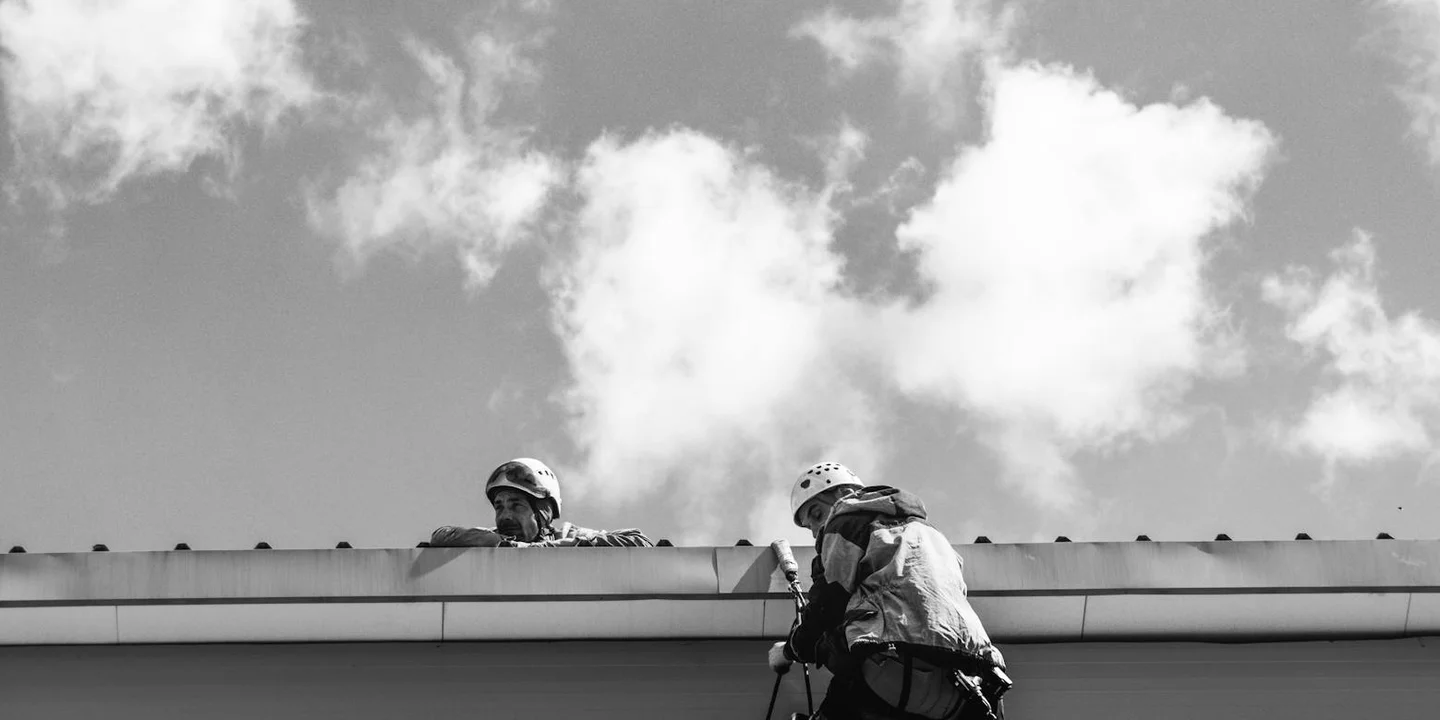
Picking a roof isn’t one-size-fits-all. Getting the layers and materials right from the start is what separates a roof that just sits there from one that protects for decades.
Myth 2: All Roofing Materials Are Essentially the Same
This is like saying a sedan and a dump truck are the same. They both have wheels, but their jobs are totally different. Your roof’s material is its personality and its lifespan.
- Asphalt Shingles: Think of these as the reliable sedan. Affordable, good for 15-25 years, and works well in most climates. They’re the most common for a reason.
- Metal Roofing: This is your heavy-duty truck. It can last 40-70 years, sheds snow and hail beautifully, and reflects solar heat. The higher upfront cost pays off over time, especially in areas with severe weather.
- Clay or Concrete Tile: This is the classic luxury car. Incredibly durable (50+ years) and perfect for hot, dry climates. Just remember, your home’s frame needs to be strong enough to carry the extra weight.
- Slate: This is the handcrafted heirloom. It can last over a century. It’s also the most expensive and requires a very strong roof structure.
Your local climate should pick your roof material, not just your wallet. Metal is a champion in hail country, while tile excels in the hot sun. For eco-conscious owners, look for materials with high recycled content, like certain metal panels, or sustainable wood shakes from certified forests.
Myth 3: You Can Just Install New Shingles Over Old Ones
I see this question all the time. While some roofers might offer it to save you money, it’s almost always a bad idea. Laying new shingles over old is like putting a fresh coat of paint on rotten wood. You can’t see what you’re covering up.
The risks are real. You could be sealing in moisture and deck rot. You’re adding hundreds of extra pounds your house may not be designed to hold. You will void most shingle manufacturers’ warranties because they require a clean, solid deck for installation.
There is one very narrow exception: if you have only one existing layer, the roof deck is perfectly sound, and your local building code explicitly allows it (like for two layers of shingles in some areas). Even then, I rarely recommend it. A full tear-off is the only way to guarantee a proper inspection and a job that will last. It’s the difference between a bandage and a cure.
Myths About Value and Long-Term Thinking: The Big Picture
We often talk about roofs in terms of looks or immediate problems. The real conversation is about protection and money over decades. That long view hinges on the roofing materials you choose and where you live, since the roofing materials lifespan by location can vary significantly due to climate.
Your roof is not a decorative feature. It is your home’s primary shield. Investing in its care is not about chasing a trendy return. It is about safeguarding everything underneath it.
Quality work and regular maintenance directly prevent massive, unexpected repair bills that can drain your savings. This is the real homeowner benefit. Think of your roof like the foundation. You don’t see it every day, but you rely on it completely.
Myth 10: A New Roof Will Automatically Increase My Home’s Value
This myth confuses cause and effect. A new roof does not usually add dollar-for-dollar value like a kitchen remodel might. Roof value treatments can influence longevity and curb appeal, which can affect long-term value. Understanding these options helps homeowners weigh costs against future benefits.
Its real job is to protect the value your home already has. On a sales sheet, a recent roof is a powerful “sell” point. It tells a buyer one major system is secure for years. A failing roof, however, is a deal-breaker that can slash your asking price.
A new roof is a defensive investment, not an offensive one. It stops value from leaking away, both literally and figuratively.
I have been on many pre-sale inspections. A 20-year-old roof with clean valleys, intact flashing, and no moss can pass with flying colors. A 10-year-old roof with broken seals and poor ventilation will raise red flags. Age matters less than condition.
Focus on maintaining what you have. A well-cared-for roof supports your home’s value quietly, every single day.
Shifting Your Roof Care Mindset: From Myth to Maintenance
Forget the quick fixes and old stories. Good roof care is simple, but it is not passive.
The core idea is simple: small, planned actions prevent big, chaotic emergencies. Clearing your gutters in the fall is maintenance. Dealing with a ceiling stain from an ice dam is a costly repair. The first takes an afternoon. The second can take thousands.
Your eyes are good for spotting obvious issues. You need a professional’s trained eye for the subtle ones. I recommend a formal inspection every 3 to 5 years. It is like a physical for your house.
A good roofer will check flashing seals, vent integrity, and sheathing condition things you cannot see from the ground. This is not a sales pitch. It is a diagnostic report.
Your roof fights sun, wind, rain, and ice so you don’t have to. It is your first and most important line of defense. Treat it with that level of respect. Start looking up, not just out.
Quick Answers
I see dark streaks on my roof. Is this an emergency?
No, but it’s a call to action. Those algae streaks hold moisture against the shingles, accelerating wear, so plan to clean them safely with a soft wash solution within the next few months.
Can I save money by installing a second layer of shingles?
Almost never. This hides deck damage, adds excess weight, and voids warranties. Insist on a full tear-off; it’s the only way to ensure a solid, long-lasting foundation for your new roof.
Will a new roof increase my home’s resale value?
Think of it as protecting value, not creating it. A new roof is a powerful selling point that prevents deal-breaking negotiation issues, but its primary job is to safeguard the investment you already have—even when comparing different roofing materials for ROI.
Your Blueprint for Fact-Based Roof Care
After decades on roofs, I know the single best thing you can do is replace mystery with routine. Get your roof inspected by a pro at least once a year to spot the small, real issues that myths often hide.
Being a responsible owner means never compromising safety for a DIY shortcut. Your roof’s story changes with time and weather, so keep learning about its specific needs to make smart, lasting care decisions.
Industry References
- Debunking Common Roofing Maintenance Myths | Escalade Roofing
- Debunking Roof Myths: 10 Common Misconceptions Homeowners Should Know – Tadlock Roofing
- The 7 Most Common Roof Myths Debunked by Pros
- 3 Popular Roofing Myths Debunked | Findlay Roofing
- Common Myths About Roofing & The Facts That Dispel Them – Knickerbocker Roofing & Paving Co. Inc
- Common Myths About Roof Maintenance: Debunked
- 5 Roof Cleaning Myths That Could be Ruining Your Roof
Ray Huffington
Ray is an experienced roofer. He has worked as a general contractor in the roofing industry for over 15 years now. He has installed and repaired all kinds of roofs, from small houses to large mansion, and from basic shingles to cement and metal roofs and even solar roof panels. He has seen homeowners struggle with roofing questions and always has experience based proven advice to help those in need. If you need roof pros, Ray's your guide.