
Should You Paint Your Asphalt Shingle Roof? A Roofer’s Honest Take
Has your roof faded to a dull gray, and you’re wondering if a coat of paint is the affordable refresh you need?
Painting asphalt shingles is a tempting shortcut, but it often creates more issues than it solves. Let me break down the reality from my time on hundreds of roofs.
Here’s what we’ll cover to help you make a safe, informed decision:
- The real risks painting poses to your roof’s lifespan and warranty.
- The only scenario where I might consider it, and the crucial preparation needed.
- Long-term maintenance and cost comparisons with other options.
Key Takeaways: What Every Homeowner Should Know First
Before you consider a brush and bucket, here is what you need to understand.
- Pro: You can change your roof’s color for less money than a replacement. This is the main draw for a fast visual update.
- Con: You will almost certainly void the manufacturer’s warranty on your shingles. This leaves you with no coverage for future problems.
- Pro: Some specialty coatings may offer a slight, temporary shield against sun damage. It is a very short-term benefit.
- Con: Paint can seal in moisture, leading to rotten decking and mold. It traps humidity like a closed plastic bag.
- Con: Paint often fails to stick and peels quickly. Asphalt shingles shed granules, so the paint has nothing solid to grip.
My straight talk: Painting shingles is usually a risky band-aid, not a long-term fix. It covers up problems but does not solve them.
Warranty voiding is not a maybe, it is a near-certain outcome. Every major shingle maker will cancel your warranty if they find paint on their product.
Now, compare the effort. A professional roof cleaning or a targeted repair involves similar safety prep work like setting up harnesses and ladders. You put in the same initial effort, but you get a durable, code-compliant result instead of a temporary cover-up. Unlike DIY repairs, which often fall short.
The Big Myth: “Painting Is a Cheap Roof Makeover”
Social media makes it look easy. A few videos show a faded roof turning black with a sprayer, promising a cheap miracle. I need to address this hype head-on.
Asphalt shingles are not designed like wooden siding. Siding is meant to be painted and sealed. Shingles are engineered to be a finished product, with granules that shed water and reflect UV rays. Painting them is like putting a layer of glue over a sieve, it clogs the system.
Paint does not add years to your roof’s life. It might hide the gray, weathered look for a short while. The idea that paint is a protective layer is a myth; it often becomes a destructive one by trapping heat and moisture, unlike roof coatings that are designed to protect. Any minor UV blocking is quickly outweighed by the paint’s own failure.
I remember a house my crew worked on. The owner painted the roof to avoid replacement costs. Two years later, they called us for a leak. When we inspected it, the paint had cracked and peeled, locking moisture against the matting and causing the shingles to curl and fail far ahead of their time. That “cheap makeover” cost them a full roof replacement much sooner than necessary.
When Painting Might Be a Temporary Fix (And When to Run)
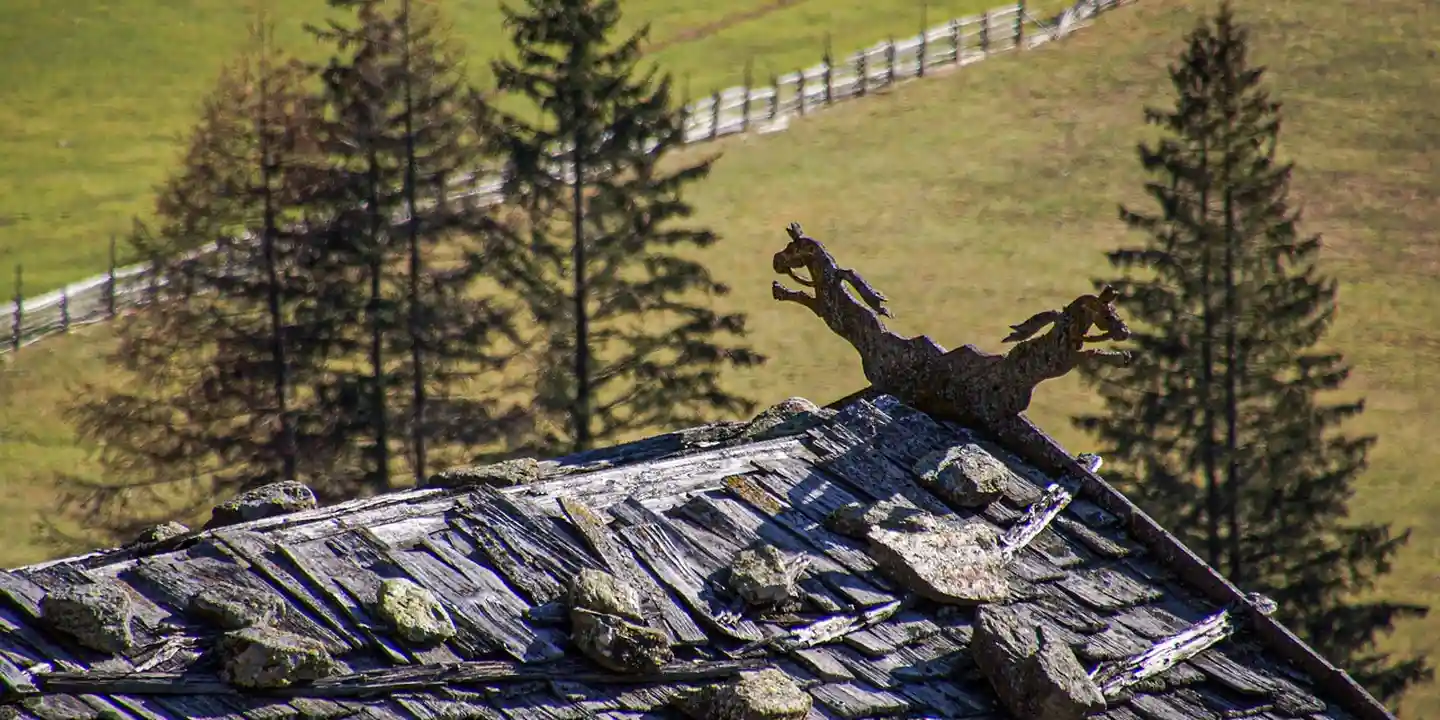
I will be honest with you. In my years on roofs, I’ve only considered painting shingles a handful of times. It’s never plan A. Think of it like putting a fresh coat of paint on a cracked and rotted fence post. It might look better for a season, but it doesn’t fix the rot.
You might think about painting only if two very specific conditions are met.
- Your shingles are structurally sound. They lay flat, have no cracks or tears, and aren’t brittle.
- The only issue is faded color, perhaps from sun exposure, and you need a visual refresh for a few more years.
Some homeowners use it as a final, low-cost effort to squeeze one more season out of a roof they know needs replacing soon.
When You Should Absolutely Not Try This
This is the critical list. If your roof shows any of these signs, painting is a waste of money and can make problems worse.
- Curled, cracked, or missing shingles.
- Visible moss, algae, or dark streaks. Paint will seal moisture in, speeding up rot.
- The roof is near or past its 20-year lifespan. Old shingles are too brittle.
- You plan to sell your house in the next few years. A painted roof is a red flag for inspectors and can kill a sale.
- You have any active leaks or suspect decking issues.
Paint is a cosmetic layer. It will never, ever stop a leak or reinforce weak wood. You are just hiding the problem, which is never a good strategy for your biggest protective layer.
Often, what looks like a “dirty” roof is just surface growth or pollution. A professional roof cleaning with the right solutions can restore the original color and extend shingle life without the risks of paint. For curb appeal alone, cleaning is the smarter first step.
Can You Paint Asphalt Shingles White or Black?
Technically, you can paint them any color. But your color choice has real consequences for performance and upkeep.
Painting shingles white is often suggested for its “cool roof” potential. Light colors reflect solar heat, which can slightly lower attic temperatures. This ties into roof color energy efficiency, as solar reflectance and emissivity of the roofing material influence how much heat is absorbed or radiated. Understanding these factors helps explain why color choices can impact cooling costs and comfort. The downside? White shows every speck of dirt, pollen, and algae streak. It often requires multiple thick coats to properly cover dark shingles, which can lead to a heavy, unnatural look and increase the chance of peeling.
Painting shingles black or a very dark color introduces a different problem: intense heat absorption. Asphalt shingles are designed to shed heat. Baking them under a dark coating can make the asphalt binder soften prematurely, accelerating granule loss and shortening their life. It defeats the engineered purpose of the shingle.
Before you pick a color, check two things. First, your local building codes. Some areas regulate roof reflectivity. Second, your HOA rules. Many have strict guidelines on exterior color changes.
The Real Cost: Painting Versus Replacement Breakdown
Let’s talk numbers. This is where the “temporary fix” idea often falls apart when you see the long-term math.
Cost to Paint Your Roof
DIY Painting: This seems cheaper but is labor-intensive and risky. You’ll need specialty acrylic or elastomeric roof paint, primers, cleaning supplies, safety gear, and likely a sprayer rental. For an average 2,000 sq. ft. roof, material costs alone can range from $500 to $1,500. This doesn’t account for your time, the physical danger of working on a slope, or the high chance of an inconsistent, poor-quality finish.
Professional Painting: A pro will charge $2 to $5 per square foot. For that same 2,000 sq. ft. roof, you’re looking at $4,000 to $10,000. You’re paying for their labor, insurance, and expertise in application. Remember, this is for a cosmetic coating that adds zero years to your roof’s warranty or structural life.
Cost to Replace Your Roof
A full replacement with new, architectural-grade asphalt shingles typically costs between $6 and $12 per square foot, installed. For our 2,000 sq. ft. example, that’s an investment of $12,000 to $24,000. It’s a bigger upfront number, but you’re buying a complete, warrantied system.
The Financial Reality
Painting is a recurring expense. A good coating might last 5-7 years before it needs redoing. Replacement is a 20-30 year solution. More importantly, a new roof adds resale value and curb appeal. A painted roof does not. It’s seen as a deferred maintenance item.
Financially, painting shingles is a rental cost, while replacement is a home equity investment.
| Factor | Painting Shingles | Replacing Roof |
| Typical Cost (2,000 sq. ft.) | $4,000 – $10,000 (pro) | $12,000 – $24,000 |
| Expected Lifespan | 5 – 7 years | 20 – 30 years |
| Fixes Underlying Issues? | No | Yes |
| Adds to Home Value? | No (can detract) | Yes |
| Manufacturer Warranty | None on roof system | 25+ years on materials & labor |
Gearing Up: The Right Paint, Tools, and Non-Negotiable Safety
If you decide to move forward, using the wrong paint will guarantee failure. You cannot use regular house paint. Asphalt shingles need to breathe and flex with temperature changes.
You must use a 100% acrylic elastomeric coating. Think of it like a thick, stretchy sunblock for your roof. It forms a flexible membrane that bridges small cracks and reflects UV rays.
Gathering the right tools is half the battle. Here is your checklist.
- Paint: Elastomeric acrylic roof coating. Calculate your square footage carefully and buy extra.
- Application: A airless sprayer is fastest and gives the best finish. Have heavy-nap rollers and sturdy brushes for cutting in edges.
- Preparation: A pressure washer (with a wide fan tip, NOT a pinpoint jet), a garden hose, a stiff-bristle brush, and roof cleaner.
- Safety: This is non-negotiable. A properly anchored fall protection harness system, sturdy work boots with rubber soles, heavy-duty gloves, and safety goggles.
For the “paint for asphalt shingles” question, look for brands like Henry Tropi-Cool or Gaco. You can find these at professional roofing supply stores or major home improvement centers. A trip to a roofing supplier is often worth it for their advice.
Let me be perfectly clear: working on a roof without a fall arrest system is an unacceptable risk. I’ve seen too many close calls. A safety harness is not optional gear; it is mandatory equipment that keeps you alive. If you are not prepared to use one, you are not prepared to do this job.
If You Proceed: A Roofer’s Step-by-Step Guide to the Job
This job lives or dies by preparation. Rushing the prep work is the most common and costly mistake. Follow these phases in order.
How to Prepare Your Roof for Painting
Do not skip a single step here. Your goal is a perfectly clean, sound, and dry surface.
First, clean every inch. Remove all dirt, moss, and algae. Use a dedicated roof cleaner and a garden hose or a pressure washer on its lowest, widest setting. High pressure will blast the protective granules right off your shingles. Scrub stubborn spots with a brush. Let the roof dry completely for at least 48 hours of sunny weather. If you encounter any stains, make sure to clean them without causing damage.
Next, inspect and repair. Walk the roof (harnessed!) and look for damage.
- Secure any lifted or curled shingles with a dab of roofing cement under the sealant strip and a couple of roofing nails.
- Fill small cracks in the shingle surface with a bit of roof coating applied with a putty knife.
- If shingles are brittle, cracked all the way through, or missing, painting is a waste of time. They need replacement.
Finally, seal the details. Before any paint touches the shingles, seal all the protrusions. Apply a fresh bead of high-quality roofing sealant around vent pipes, chimneys, and the base of any skylights. This prevents leaks from developing behind your new coating.
Now for application. Check the weather forecast. You need mild, dry conditions-ideally between 50°F and 90°F with no rain predicted for at least 24 hours.
Stir the coating thoroughly. If using a sprayer, follow the manufacturer’s thinning instructions exactly. Start at the peak and work down in manageable sections.
The goal is a uniform, milky coat, not a thick, gloppy layer. One even coat is better than one thick one that can trap moisture and cause blistering. Use a brush to cut in edges and ensure coverage around flashing. A second coat may be needed, but always let the first dry completely as per the product’s instructions.
Common mistakes I’ve had to fix include painting over morning dew, which traps moisture and ruins adhesion. Another is painting right up to metal flashings without proper sealing, which invites rust and leaks. Ignoring these prep steps turns a refresh project into a tear-off project far too soon.
The Final Verdict: Viable Refresh or Costly Mistake?
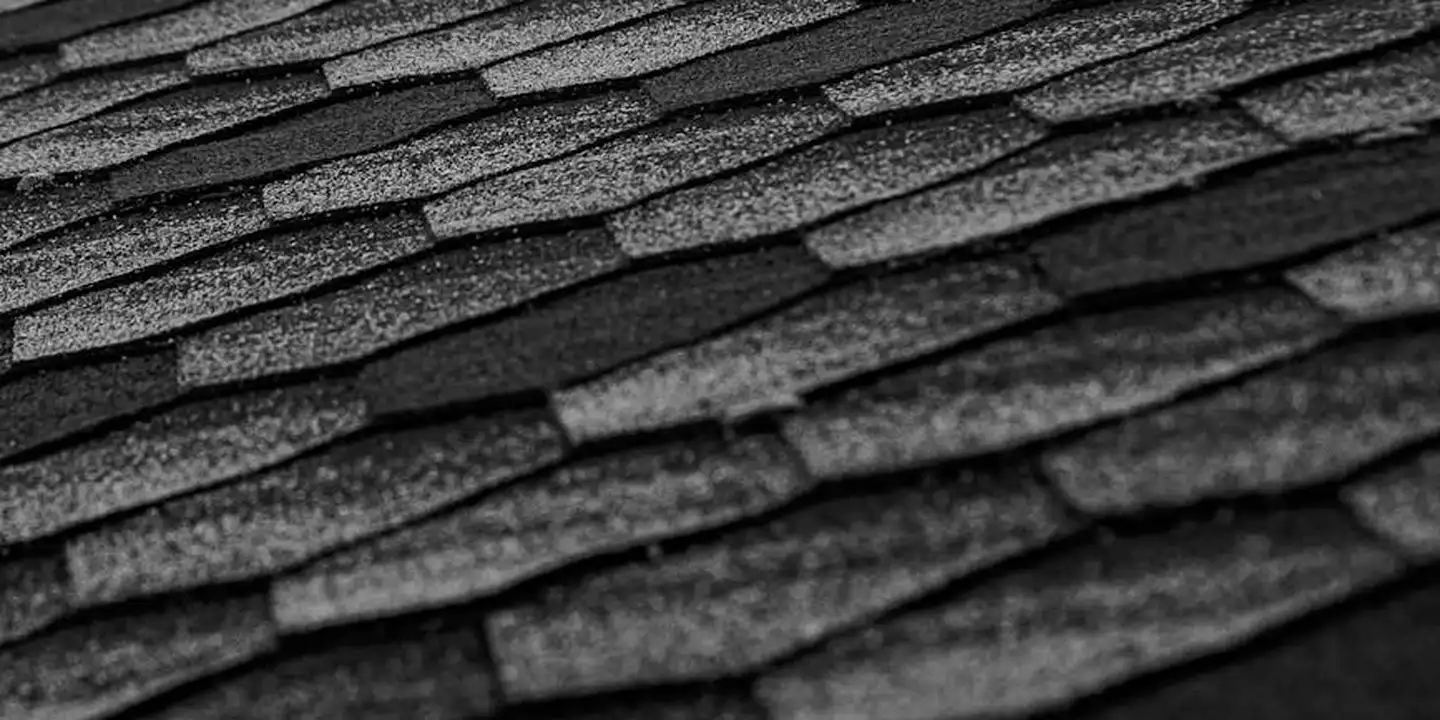
Based on cost, effort, and longevity, my final recommendation is clear. Do not paint your asphalt shingle roof.
For the vast majority of homeowners, painting asphalt shingles is a costly mistake that will void your warranty and give you almost no return on your investment. If the project involves a dormer roof, you might hear about installing paint shingles, but that’s rarely a lasting solution. Understanding why that approach fails when a dormer is involved can save you time and money in the long run. The money and labor you pour into it buys you a compromised roof with a very short-lived cosmetic fix. I’ve been called to assess several painted roofs, and the conversation always starts with, “It looked great for a few months, but now…”
The Smart Alternatives for a Better Roof
If your roof looks tired, you have better options. The right choice depends on what’s actually wrong.
- For Surface Stains or Mild Algae: Hire a professional roof cleaning service. They use low-pressure soft washing techniques that kill organic growth without blasting off the protective granules. This is the only safe “refresh” for asphalt shingles.
- For a Flat or Low-Slope Roof: If you have a section of flat roof (like over a porch or garage), a professional elastomeric or acrylic coating system can be a fantastic solution. These are engineered for that purpose and can extend a roof’s life. This is what people mistakenly try to adapt to sloped shingle roofs.
- For an Aging but Functional Roof: Start saving for a replacement. Put the money you would have spent on paint into a dedicated fund. This gives you control and lets you plan for quality materials and a trusted installer.
Planning Your Real Solution
Seeing your roof fade is part of homeownership. It’s a sign to plan, not to panic. Set aside a small amount each month toward your future roof fund. Get a professional inspection now to know exactly how much time you likely have. This takes the pressure off and lets you make a smart, budgeted decision when the time is right. A proper replacement is an investment that protects your home for decades.
Quick Answers
How long does paint on asphalt shingles actually last?
Even with perfect prep, expect a quality coating to last 5-7 years before it cracks, peels, and needs redoing. It’s a short-term cosmetic fix, not a long-term solution.
What’s the #1 sign my roof is NOT a candidate for paint?
Any sign of moisture problems-like dark algae streaks, moss, or curled shingles. Painting over these seals in moisture, guaranteeing rot and premature failure.
I already painted my shingles. What should I do now?
Schedule a professional roof inspection immediately. We need to check for trapped moisture and shingle damage, and then plan for a proper replacement when the coating fails, which it will.
Your Roof’s Health Comes First
From my time on the job, I tell homeowners that a coat of paint is never a substitute for sound shingles. If your roof is aging, a professional inspection and proper cleaning or planned replacement is the only path that truly protects your home.
A safe, well-maintained roof is a core part of responsible homeownership. Keep building your knowledge on materials and methods to make confident choices for your property’s long-term care. When you tackle roof repairs, following roof repair safety practices is essential. This focus helps protect you and your home during maintenance.
Related Guides and Information
- How to Paint Roof Shingles (And When Not To) – A Beautiful Mess
- Can You Paint Roof Shingles? How To and When You Should – Minnesota Exteriors
- Can You Paint Roof Shingles? What to Know About Painting Asphalt Shingles | Angi
- How to Paint a Shingle Roof
- Coating on a Asphalt Shingled roof
- Painting asphalt shingles – DoItYourself.com Community Forums
- Can You Paint Roof Shingles? | AmeriPro Roofing
- Roof Shingle Paint – Roof Paint – The Home Depot
Ray Huffington
Ray is an experienced roofer. He has worked as a general contractor in the roofing industry for over 15 years now. He has installed and repaired all kinds of roofs, from small houses to large mansion, and from basic shingles to cement and metal roofs and even solar roof panels. He has seen homeowners struggle with roofing questions and always has experience based proven advice to help those in need. If you need roof pros, Ray's your guide.