
Is Your Tree Shade Helping or Hurting Your Roof?
Do you enjoy the cooler house and lower energy bills that tree shade provides, but lie awake wondering about the leaves piled on your shingles? You’re right to think both ways-trees offer real protection from sun damage, but they also drop debris and trap moisture that can shorten your roof’s life.
I’ll explain the true impact of shade on shingle longevity, how leaves and branches cause wear, and the practical steps I use to control moisture without removing every tree.
Key Takeaways: Managing Trees for a Healthy Roof
- Trees provide real shade benefits that can lower attic temperatures and slow UV damage to your shingles.
- That same shade creates a damp, cool environment perfect for moss, algae, and rot, which demand proactive care.
- A shaded roof ages differently than one in full sun, trading one set of problems for another.
- Your maintenance routine, especially cleaning debris and checking for moisture, is your best defense.
- Not all tree species are equal; some are messier or more aggressive than others when planted near your home.
The Roof Integrity Report: Lifespan and Red Flags
Think of your roof in the shade like it’s living under a permanent, damp blanket. The sun isn’t baking it daily, but moisture is always trying to settle in. This changes everything about how it wears out.
How Shade Changes the Aging Process
Asphalt shingles in the sun get brittle and curl as their protective granules bake off. In the shade, they stay flexible longer but become a host for organic growth. The black algae stains (Gloeocapsa magma) are mostly cosmetic, but thick moss is a problem. Its roots can work under the shingle tabs, lifting them and breaking the seal. I’ve seen 20-year-old roofs in deep shade that look older than 30-year-old roofs in full sun, not from curling, but from a carpet of moss holding moisture against the deck.
Wood shakes and shingles are most vulnerable. Constant moisture without a chance to dry quickly leads to rot and mold. A shaded wood roof needs excellent ventilation and may require chemical treatments to prolong its life. It’s like leaving a wooden sponge in a slow cooker.
Metal roofs handle shade the best from a material integrity standpoint. The concern here is debris buildup. A pile of wet leaves sitting in a metal panel valley can trap moisture against fasteners or adjacent materials, leading to corrosion over a very long time. Keeping it clean is key, especially for preventing rust on metal roofs.
Red Flags: Replacement vs. Repair
You need to know when a simple clean-up won’t cut it anymore. Here’s what I look for when a homeowner calls me about their tree-covered roof.
Signs You Likely Need a Full Roof Replacement:
- You find soft, spongy spots when walking on the roof, indicating rotted roof decking underneath.
- Moss or lichen roots have permanently deformed and lifted shingles across large sections, breaking the waterproof seals.
- There are persistent, recurring leaks in valleys or near dormers where debris chronically clogs drainage.
- The roof deck (seen from the attic) shows widespread water staining, mold, or structural rot.
Problems That Can Often Be Repaired:
- Localized moss or algae growth on otherwise sound shingles.
- A few damaged shingles from a fallen branch.
- Gutters clogged with needles and leaves, causing overflow.
- Minor leaks traced to a single compromised spot in the flashing.
Every roof under trees is a unique equation. Making the right call requires a factor analysis of your roof’s material, its current age and slope, and the type of trees hanging over it. A dense pine tree dropping acidic needles is a different challenge than a wide-canopy oak. When in doubt, get a professional assessment. They can tell you if you’re looking at a cleaning job or a crowning job.
The Shade Benefit vs. Debris Risk: A Practical Balance
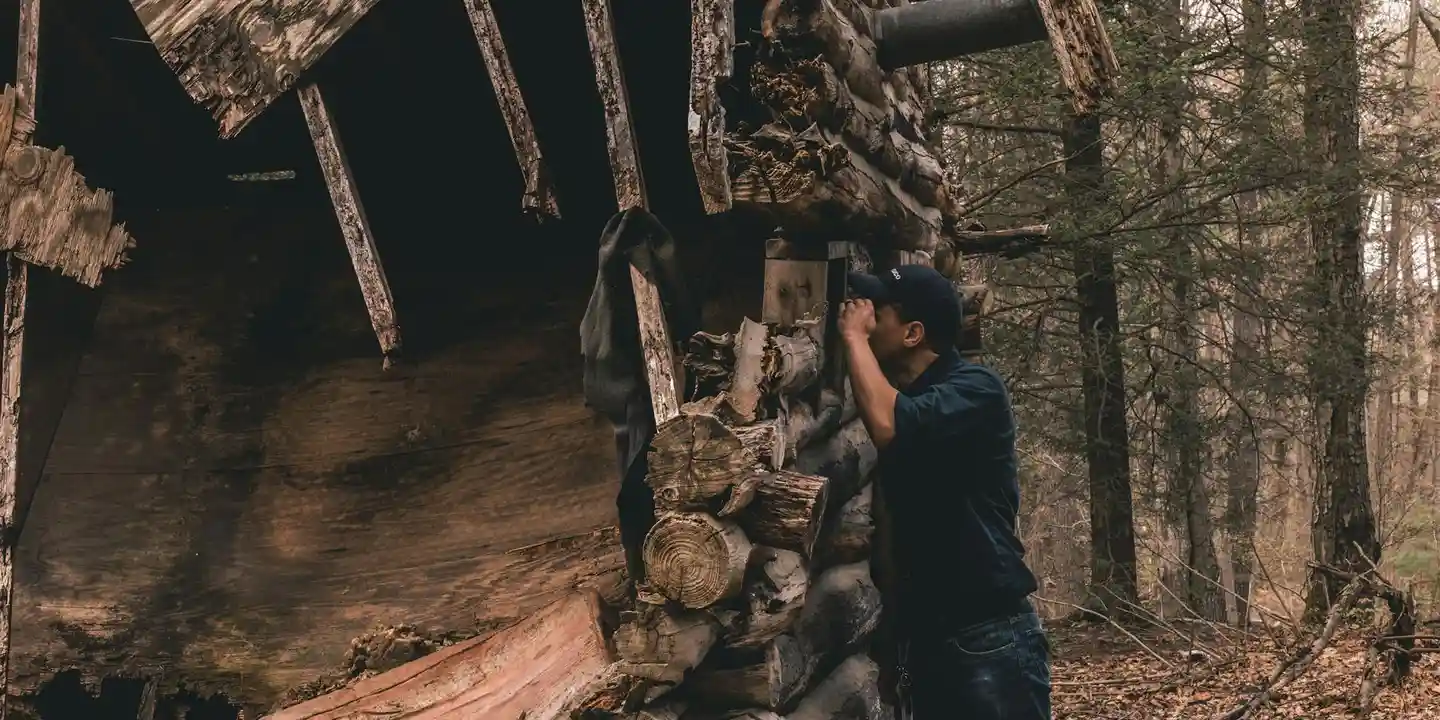
The Good: Why You Might Want Some Tree Cover
Think of tree shade as a natural sunscreen for your roof. It blocks the sun’s ultraviolet rays that slowly bake and crack asphalt shingles. This protection can genuinely extend the surface life of your shingles by reducing UV degradation.
Shade also lowers your attic temperature. On my jobs, I’ve measured attics under heavy tree cover that stay significantly cooler in summer. A cooler attic means your air conditioner runs less often, which can trim your energy bills.
Trees offer minor wind protection and look beautiful. But the benefits come with very real costs you need to manage.
The Bad and The Ugly: Debris, Moisture, and Unseen Threats
The Debris Problem: More Than Just Clogged Gutters
Leaves, pine needles, and twigs do more than clutter your gutters. They mat down on your roof and trap water like a sponge. This moisture retention against the shingles is the core cause of rot, algae, and accelerated wear.
Falling branches can punch holes in your roof. I’ve been called to repair smashed shingles from storm drops. Even gentle, constant rubbing from a limb will sand away the protective granules on your shingles over time.
When gutters clog, water has nowhere to go. It spills over, soaking your fascia boards and soffits. This water backup leads to wood rot in your eaves and can eventually cause water to pool near your foundation, creating wider structural risks. Identification of gutter leaks, sagging, or separations early can prevent such damages.
The Moisture Trap: Moss, Algae, and Rot
Constant shade and damp debris create the perfect home for moss and algae. Moss doesn’t just grow on the surface. It holds moisture directly against your shingles. Think of moss as a wet sponge permanently strapped to your roof, keeping it damp and vulnerable. This can lead to damage on your residential roof.
That moisture seeps past the shingles into the wooden roof deck underneath. Once the plywood or OSB sheathing stays wet, it begins to rot, compromising the very structure holding your roof up.
Here’s the trade-off I explain to homeowners. While shade from trees slows aging from the sun, it dramatically speeds up aging from moisture and biological growth. You’re often swapping one problem for a faster, sneakier one.
The Hidden Factor: What’s Happening Below Ground
Tree roots extend far underground, often two to three times the width of the tree’s canopy. These roots can grow toward your foundation, applying pressure that may lead to cracks or shifting over the years.
I’ve seen roots buckle sidewalks and driveway aprons. This changes the slope of the ground. If the grading no longer directs water away from your house, you’ve undermined your first line of defense against basement flooding and foundation issues.
If you’re planting new trees, always research their mature root spread. Planting a tree too close to your home is an invitation for future structural and drainage problems.
How to Inspect Your Roof and Trees: A Homeowner’s Guide
Your safety is the priority. Do not get on a ladder or your roof unless you are experienced and have proper equipment. You can see most problems from the ground.
- Start with a simple walk-around your house using a good pair of binoculars. Take your time and look from every side.
- Look up. Identify any tree branches touching the roof or hanging within a few feet above it. These are contact risks.
- Focus on roof valleys and gutters. Piles of leaves or needles in valleys are prime spots for moisture to pool and cause damage.
- Scan the roof surface. Black streaks are algae. Green, carpet-like patches are moss. These growths are visual proof your roof is staying too wet.
- Look for damaged shingles. Check for ones that are curled, cracked, or missing entirely, especially in shaded areas.
- Inspect the fascia boards (the boards behind the gutters). Peeling paint, dark stains, or soft, crumbling wood are signs of water damage.
Next, head inside to your attic with a bright flashlight.
- On a sunny day, turn off the attic light and look for pinpoints of daylight. Any speck of light means a potential hole or gap in your roof deck.
- Examine the underside of the roof sheathing and the rafters. Look for dark stains or discolored wood. These water stains indicate past or active leaks.
- Check for a musty smell or fuzzy mold growth on the wood. Attic mold often starts with roof moisture problems fueled by excessive shade and debris.
Your Action Plan: Protecting a Roof Under Trees
Strategic Tree Care and Trimming
The first line of defense is keeping trees at a safe distance. I tell homeowners to follow the ten foot rule.
Keep all tree limbs at least ten feet away from your roof surface. This reduces physical contact and lets more sunlight and wind dry your shingles.
For any trimming work near power lines or where large branches overhang the roof, hire a certified arborist.
A good arborist knows how to make proper cuts that keep the tree healthy. They also carry insurance in case something goes wrong.
Some trees are just trouble for roofs. Fast growing pines drop needles and sap that stick to everything. Water seeking trees, like willows and some maples, have roots that can interfere with your home’s foundation and drain lines.
Poplar trees have brittle wood that snaps easily in storms. If you’re planting new trees, choose slower growing species and plant them far from the house.
Roof and Gutter Maintenance Must-Dos
Cleaning a shaded roof requires a gentle touch. Never use a high pressure washer.
The force can blast the protective granules right off your asphalt shingles and force water up under them. For algae or light moss, use a garden sprayer with a mix of water and oxygen bleach.
Let the solution sit, then gently rinse with a garden hose on a low setting.
For stubborn organic growth, a soft bristle brush can help, but be careful not to scrub too hard.
To prevent moss from coming back, install zinc or copper strips along the ridge of your roof. When it rains, tiny particles of metal wash down the roof, providing a natural moss prevention for residential roofs.
This creates an environment where moss and algae struggle to grow. It’s a simple, long term solution I’ve used on dozens of jobs.
Gutters are your roof’s drainage system. Under heavy tree cover, you must clean them two to four times a year.
Clogged gutters cause water to back up under the roof edge, leading to rot. Gutter guards can help, but they are not a fix it and forget it solution. Regular maintenance is still needed.
Pine needles and seed pods can still clog mesh guards. Solid guards with a fine lip can be effective, but they require proper installation.
When to Call a Professional Roofer
Your maintenance plan should include knowing when to call for backup. Here are the signs you need a pro.
- You have large piles of wet, compacted leaves or branches on the roof that are unsafe to remove yourself.
- Moss growth is thick and matted, indicating it may have damaged the shingles underneath.
- A fallen limb has cracked, broken, or torn away roofing materials.
- You see water stains on your ceilings or in your attic, or notice any shingles that are curling, cracking, or missing.
For any roof under significant tree coverage, schedule a professional inspection every two to three years.
A roofer can spot early signs of moisture damage in the decking or subtle leaks you might miss. This proactive step is cheaper than a full roof replacement.
The Homeowner’s Seasonal Maintenance Log
This simple calendar is the routine my crew and I recommend to clients. Sticking to it can easily add years to your roof’s life.
Spring
- Inspect the roof from the ground for any branches that broke during winter storms.
- Clean gutters after trees finish dropping their spring seed pods and blossoms.
Late Spring / Early Summer
- Schedule major tree trimming with an arborist during dry weather.
- Apply a moss preventative treatment or check your metal strips to ensure they are in place.
Fall
- This is the most critical gutter cleaning. Do it after most leaves have fallen but before heavy rains start.
- Do a final visual inspection of the roof. Look for damaged or lifted shingles before winter sets in.
Winter
- Monitor shaded eaves and valleys for ice dam formation. Poor attic ventilation under shade makes dams more likely.
- If safe to do so, use a roof rake to remove heavy, wet snow buildup from the lower roof edges.
This seasonal routine is the most effective way to protect a shaded roof. It is simple, but it is often the step homeowners overlook, especially when it comes to winter roof maintenance.
Common Questions
Can tree roots really damage my home’s foundation?
Yes. Aggressive roots can crack foundation walls and disrupt the proper slope of your yard, which directs water toward your house. Have an arborist assess any large tree within 20 feet of your home.
Are gutter guards a good solution for a roof under trees?
They help but aren’t maintenance-free. Fine debris like pine needles can still clog them, so you must clean the guard surface annually to prevent overflow.
How often should I have a professional inspect my shaded roof?
Schedule a professional inspection every two years without fail. This proactive check catches moisture damage in the decking long before leaks or rot become visible from the ground.
Smart Tree Management for a Durable Roof
From my years on crews, I’ve seen that consistent, simple checks make all the difference. Inspect your roof each spring and fall, and keep branches trimmed back to safely enjoy shade without the debris and moisture headaches. A roof inspection checklist quarterly can keep this routine steady year-round. It helps you catch issues early and stay ahead of maintenance before they become costly.
Your active care is what preserves a roof for the long haul. I recommend you keep learning through reliable guides on roof care, maintenance, and roof repair safety practices to protect your home responsibly.
Expert Resources and Citations
- Tree Shade Impact on Roof: Benefits & Risks – Framework
- Landscaping for Shade | Department of Energy
- Impact of 2050 tree shading strategies on building cooling demands | Buildings & Cities
- Is Your Roof Too Shaded For Solar Panels? – Green Ridge Solar
- How to Avoid Roof Damage from Trees & Deal with a Fallen Tree – IKO
- Analysis Energy savings from tree shade Ram Pandit a, David N. Laband b,⁎
Ray Huffington
Ray is an experienced roofer. He has worked as a general contractor in the roofing industry for over 15 years now. He has installed and repaired all kinds of roofs, from small houses to large mansion, and from basic shingles to cement and metal roofs and even solar roof panels. He has seen homeowners struggle with roofing questions and always has experience based proven advice to help those in need. If you need roof pros, Ray's your guide.