
How to Choose Eco-Friendly Gutters for a Sustainable Home
What if your gutters could protect your house and the planet? Traditional systems often waste resources, but sustainable gutters manage water wisely and reduce environmental impact.
This guide covers durable recycled materials, water conservation practices, and low-waste installation methods.
Key Takeaways: The Quick Scoop on Sustainable Gutters
Let’s get right to it. What makes a gutter “eco-friendly”?
In my book, it’s a system built from recycled, recyclable, or renewable materials. Its whole life cycle, from creation to disposal, is designed to do less harm to the planet.
The benefits are real. Choosing these materials directly cuts down on landfill waste and lowers the carbon footprint tied to your home. Plus, they’re perfectly suited for connecting to a rain barrel or cistern, turning roof runoff into a resource.
Some folks worry that “green” means “less effective.” That’s not the case. With solid installation and basic care, a sustainable gutter protects your roof edges and your home’s foundation just as well as any conventional system.
The big question is which material is right for you. The best pick isn’t universal, it depends on your local weather, your budget, and how much upkeep you want to handle.
The RoofMason Material Verdict: Comparing Sustainable Gutter Options
Think of this as a toolbelt. You don’t use the same tool for every job. Each material has a specialty.
My comparison focuses on what actually matters on your house. How heavy is it on your fascia board? Will it survive a hailstorm or a falling branch? If there’s a wildfire, is it a fuel source? And when it’s finally time to replace it decades from now, can it be recycled, or is it trash?
Here’s my simple tier list based on twenty years of seeing what lasts:
- Best Bang for Buck (Most Climates): Recycled Aluminum. It’s the reliable pickup truck of gutters.
- Most Durable (Lifetime Purchase): Copper. The investment that outlives the mortgage.
- Best for Heavy Snow/Wind: Galvanized Steel. The armored tank for tough conditions.
- Best for DIY on a Tight Budget: Vinyl (PVC). The easy starter option, but know its limits.
Recycled Aluminum: The Lightweight All-Arounder
This is the workhorse I’ve installed on hundreds of homes. The environmental story is strong. Most of it is made from over 95% recycled content (think old soda cans and car parts), and at the end of its long life, it can be fully recycled again.
For most homeowners, recycled aluminum offers the best balance of performance, price, and planet-friendly credentials. It won’t rust, it’s light enough for most fascia boards to handle, and sections snap together, making it a favorite for installers and capable DIYers.
There are trade-offs. It can dent in a severe hailstorm. It’s also non-combustible, which is a key safety advantage over materials like vinyl if you live in a fire-prone area.
Copper: The Long-Living Premium Choice
Copper is in a class of its own. I’ve repaired century-old copper gutters that are still doing their job. We’re talking a 50+ year lifespan, often longer than the roof itself. When you compare copper to steel gutters, longevity and upkeep often tip the scales toward copper. Still, upfront cost and installation can influence the final decision.
It requires almost no maintenance. Copper develops a beautiful, protective patina over time that actually seals the material, so you never need to paint it. That same patina naturally resists moss and algae growth that can plague other gutter types.
It’s 100% recyclable and often contains a high percentage of recycled content. The upfront cost is significant, and forming and soldering it is a job for a seasoned pro. You’re paying for a legacy piece that adds character and immense long-term value.
Galvanized or Stainless Steel: The Heavy-Duty Workhorse
When I work on cabins in the mountains or homes on the windy plains, this is what I recommend. Steel has the brute strength to handle massive snow loads and not get torn off in high winds.
Like aluminum, modern steel gutters frequently use recycled content and are fully recyclable. Its key advantage is sheer durability against physical impact from falling debris or ice.
The weakness is rust. Galvanized steel has a zinc coating that shields it. But if that coating gets deeply scratched or cut during installation (a common DIY mistake), rust can start. Stainless steel solves this but at a much higher price. It’s heavier, so your roof’s framing must be able to support it.
Vinyl (PVC): The Budget-Friendly DIY Option
Let’s be practical. Vinyl is the least expensive option upfront and the easiest for a homeowner to install. The pieces are light and often just snap together with seals.
You have to weigh the environmental trade-offs. Vinyl is a petroleum-based plastic, and recycling programs for it are scarce, meaning it often ends up in a landfill.
Performance has clear limits. In my experience, vinyl becomes brittle and can crack in prolonged freezing temperatures. Under the intense summer sun, it can soften, sag, and warp. For a sheltered, low-budget project where you plan to do it yourself, it has a place. Just know it’s not a forever gutter.
How Eco-Friendly Gutters Protect Your Home and the Planet
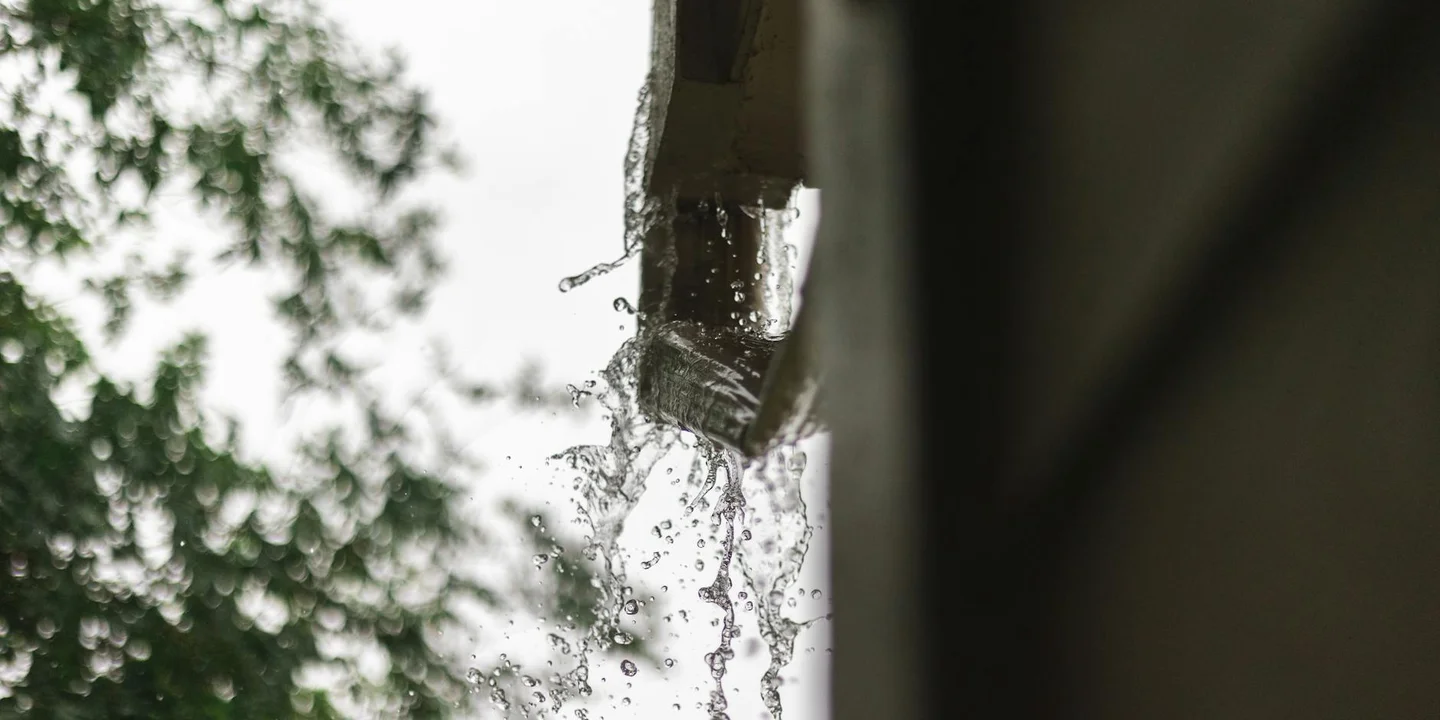
A gutter’s main job is simple. It acts like a raincoat for your house’s foundation and walls. Without it, water pours off your complex roof’s angles and edges, splashes dirt against your siding, and soaks into the ground right next to your foundation. Over time, this causes basement leaks, cracked foundations, and ruined landscaping.
Eco-friendly gutters do that essential job while making smarter choices from the start.
Think of it like choosing clothing. You could buy a cheap shirt made new from raw materials and shipped across the world. Or you could pick a durable, high-quality shirt made from recycled fabrics and produced locally. The second choice is simply more responsible. Sustainable gutters follow that same logic.
They reduce waste by using materials that already exist, like recycled aluminum or steel, instead of mining and processing all-new metal.
They conserve resources. Materials like reclaimed wood or responsibly sourced copper use fewer virgin materials from the earth.
They can lower carbon emissions. When you source materials from a regional supplier or fabricator, you cut down on the fuel needed for long-distance trucking. I always try to find gutter stock from within a few hundred miles of the job site.
Beyond just managing water, these systems help you save it. Your gutters are the perfect collection network for a rain barrel.
Directing roof runoff into a barrel gives you free water for gardens, lawns, or washing outdoor tools, which reduces your use of treated municipal water.
The Direct Link Between Gutters and Roof Health
I’ve been on too many repair jobs where the real problem started in the gutters. When leaves and debris clog the downspout, water has nowhere to go. It fills the gutter and starts to lap over the back edge, against your fascia board and roof decking.
This constant dampness is a recipe for rot. In winter, that backed-up water freezes at the roof’s edge, creating an ice dam. Ice dams force melting snow under your shingles, which leads to leaks inside your home. Even without ice, overflowing water can seep under shingles and cause premature failure.
A well-maintained, properly sized gutter system is a non-negotiable part of protecting your roof investment. Understanding your roof gutter overhang measurements helps ensure the system sheds water efficiently. Accurate measurements guide gutter sizing and placement for reliable protection.
From Runoff to Resource: Using Rainwater Wisely
Turning your gutter runoff into a resource is straightforward. Here’s how my crew typically sets up a basic system.
- Choose a downspout that feeds a corner of your yard you want to water.
- Install a rain barrel with a secure, fitted lid (to keep out mosquitoes and debris) on a stable, elevated platform.
- Cut the downspout and attach a flexible diverter hose to channel water into the barrel’s screened inlet.
- Always include an overflow outlet on the barrel, connected to a hose that directs excess water at least 4 feet away from your foundation.
For a more advanced approach, you can run a buried pipe from your downspout to a rain garden. A rain garden is a shallow depression planted with native, water-loving plants. It collects runoff and lets it soak naturally into the ground, filtering pollutants along the way.
Choosing the Right Sustainable Gutter for Your Climate and Roof
Not every eco-material is right for every house. Before you choose, ask yourself a few questions about your specific situation.
What is your roof’s pitch? A steep roof sheds water faster, demanding gutters that can handle a surge.
How much rain do you get? A house in Seattle needs a more robust system than one in Phoenix.
Do you have overhanging trees? Dense tree cover might make a smooth, clog-resistant style more important than material choice.
What look do you want? Copper develops a beautiful patina, while painted aluminum offers color matching.
Sizing is critical. Most homes use 5-inch gutters. If you have a large roof area or heavy rainfall, upgrading to 6-inch gutters can prevent overflow and is a more sustainable long-term fix than constantly repairing an overloaded system.
Finally, think local. Sourcing materials from a nearby manufacturer or fabricator significantly cuts down on the environmental cost of transportation. It also supports your local economy. I keep a list of regional metal shops that work with recycled content.
Questions to Ask Before You Buy or Hire
When you’re talking to a supplier or installer, don’t be shy. Get clear answers to lock in the green benefits.
- “What percentage of post-consumer recycled content is in this material?”
- “Is the finish low-VOC or non-toxic?”
- “What is the warranty, and what does it cover?”
- “At the end of its long life, is this material fully recyclable? How do I ensure it gets recycled?”
Think about gutters like you’d think about a good butter dish. You wouldn’t buy a flimsy, single-use butter container. You’d choose a solid ceramic dish you can wash and reuse for years. That’s the mindset for sustainable gutters. You’re investing in a durable, long-term solution that avoids waste now and down the road. The most eco-friendly product is the one you only have to install once.
Installing Eco-Friendly Gutters: A Safe DIY Guide or When to Call a Pro
Let’s be clear about safety first. Any work near your roof edge is high-risk. You must use a sturdy extension ladder on level ground, and I strongly recommend a roof harness tethered to a secure anchor if you’re working from the roof itself. Never work alone. Have a helper steady the ladder and hand you tools.
Choosing between DIY and a pro comes down to your comfort with heights, tools, and the scale of the job. Replacing a short section is one thing. Installing a full system on a two-story home is another. A professional crew will do it in a day with the right equipment. A DIY project will take a weekend or more. If your roofline is complex or very high, the cost of a pro is worth the safety and warranty they provide.
If you proceed DIY, gather the right tools. You will need:
- A long measuring tape
- A hacksaw for metal or heavy-duty snips for aluminum
- A power drill with bits
- A long, reliable level
- Gutter sealant compatible with your material (ask at the store)
Step-by-Step: Hanging Your Sustainable Gutters
First, plan the slope. Gutters need a slight pitch toward the downspout, about 1/4 inch downward for every 10 feet of gutter. Mark this high and low point on your fascia board. Snap a chalk line between them as your guide.
Install the downspout outlet first. Then, place your gutter hangers along the chalk line, spacing them no more than 24 inches apart for metal gutters, and closer for heavier materials like stone-coated steel. Tight hanger spacing prevents sagging, which is the most common DIY mistake I see.
Cut your gutter sections to length with your saw. Wear gloves, the edges can be sharp. Fit the sections into the hangers, connecting them with sealant and the manufacturer’s connectors. Always work from the downspout outlet outward. Finally, run a hose and watch the water flow. It should move steadily without pooling. Any standing water means you need to adjust the slope.
Finding a Contractor Who Shares Your Green Values
Not all roofers think about sustainability. When you get quotes, ask specific questions. “Do you recycle the old gutters and packaging from this job?” is a great start. A company committed to green practices will have an answer. Also ask, “How many homes have you installed this specific sustainable gutter material on?” Their experience with the product is just as important as their roofing skill. A good crew will handle the material correctly, minimizing waste. Additionally, ask if the old roofing material will be recycled rather than discarded. A contractor who recycles old roofing materials signals a deeper commitment to sustainability.
Seasonal Maintenance Log: Extend Your Gutter Life by a Decade
Think of your gutters like the tires on your car. A little regular attention prevents a catastrophic failure. This routine is not just about cleaning. It protects your roof, siding, and foundation by managing water correctly. Following a simple seasonal log is the single best way to protect your investment and its environmental benefits. Every time you’re up there, take an extra minute to scan the roof edge for lifted shingles or rusted flashing.
Spring and Fall: The Essential Clean-Out Routine
This is non-negotiable. After leaves fall and again after spring blooms, clear them out. Use a small plastic scoop or your hands (with thick gloves). Never use a metal tool that can scratch the protective coating. Once the bulk is out, flush the gutters with a garden hose. If water doesn’t pour freely from the downspout, you have a clog. Use the hose pressure or a plumber’s snake to clear it from the bottom.
To make life easier, consider micro-mesh gutter guards made from recycled aluminum or steel. They keep out most debris while letting water in. My crew has seen them cut cleaning frequency in half for homes with lots of trees.
Winter Watch: Preventing Ice Dams and Weight Stress
Before the first snow, do your fall cleaning. A clogged gutter filled with ice is incredibly heavy and can rip right off your house. Ensure all hangers are tight and secure. In heavy snow country, ice dams are a major concern. These occur when heat escapes your attic, melts snow on the roof, and the water refreezes in your cold gutter. It’s important to take preventive measures to winterize your gutters.
Heating cables are one solution. They can keep a path open for water to flow. But they add to your energy use and can fail. The more sustainable, long-term fix is to improve your attic insulation and ventilation so your roof stays cold, preventing the melt cycle in the first place. Address the root cause, not just the symptom.
Summer Inspection: Looking for Sun Damage and Alignment
The summer sun is tough on materials. Check for UV damage. On vinyl, look for cracking or fading. On wood, check for excessive dryness or warping. On all types, inspect the sealant at the seams. The heat can cause it to dry out and crack. Re-seal any gaps you find with a fresh bead of compatible sealant.
Look down the gutter line. Do you see any dips or sags? Summer is a good time to re-secure any loose hangers. A quick mid-year alignment check keeps everything flowing right for the heavy rains of fall.
Quick Answers
Can the wrong gutter material actually damage my roof?
Yes, especially if it’s too heavy for your fascia or fails to handle water volume. The resulting stress, overflows, and ice dams directly compromise your roof edge and decking.
Besides metal, are there other truly sustainable gutter materials?
Yes, but they’re niche. Reclaimed wood or stone-coated steel are durable, high-recycled-content options. Their suitability depends entirely on your local climate and a pro’s ability to install them correctly.
What’s the fastest way to check if my current gutters are working efficiently?
Run a hose during your next downspout cleaning. If water pools in sections or doesn’t drain quickly, your slope is wrong. That inefficiency wastes water and risks your foundation.
Your Sustainable Gutters: A Final Check from the Roof
Choose gutters built from long-lasting, recycled materials to handle the weather. Pair that choice with a simple commitment to clear leaves and check for debris twice a year.
Your home’s safety depends on you using a secure ladder and a helper for any gutter work. Keep asking questions and learning about your whole roof system-it’s the best tool you have. Follow basic roof repair safety practices like using fall protection, keeping three points of contact, and checking the weather before you start.
References & External Links
- Sustainable Roofing: How To Harvest Rainwater and Other Eco-Friendly Gutter Solutions – Werner Roofing – Grand Haven
- The Role of Gutter Systems in Sustainable Home Design
- Sustainable Gutter Protection: Environmentally-Friendly Solutions – Gutter Topper
- Eco-Friendly Gutter Solutions: Sustainable Choices for Homeowners | All American Gutter Protection
- Eco-Friendly Gutter Systems Gutter Services in Waymart
Ray Huffington
Ray is an experienced roofer. He has worked as a general contractor in the roofing industry for over 15 years now. He has installed and repaired all kinds of roofs, from small houses to large mansion, and from basic shingles to cement and metal roofs and even solar roof panels. He has seen homeowners struggle with roofing questions and always has experience based proven advice to help those in need. If you need roof pros, Ray's your guide.