
How to Identify Roof Rats and Keep Them Out of Your Home
Hear scratching above your ceiling at night? In my years on roofing crews, I’ve found roof rats in more attics than I can count. These pests threaten your home’s safety and your peace of mind. This guide will show you how to spot them and stop them.
I’ll share my hands-on advice for identifying clear signs of roof rats, safely sealing their entry points, and choosing effective control strategies.
Key Takeaways: The Roof Rat Rundown
- Roof rats are climbers, not diggers; they always come from above, using trees and wires to reach your roof.
- Their droppings and nesting materials pose real health risks and can contaminate your attic air.
- Permanent control isn’t just about traps; it’s about sealing them out and removing what attracts them.
- Left alone, an attic infestation will destroy insulation, chew electrical wires, and lead to costly repairs.
- Your best defense is a proactive, annual inspection of your roof trim, vents, and soffits.
Spotting the Invader: What Does a Roof Rat Look Like?
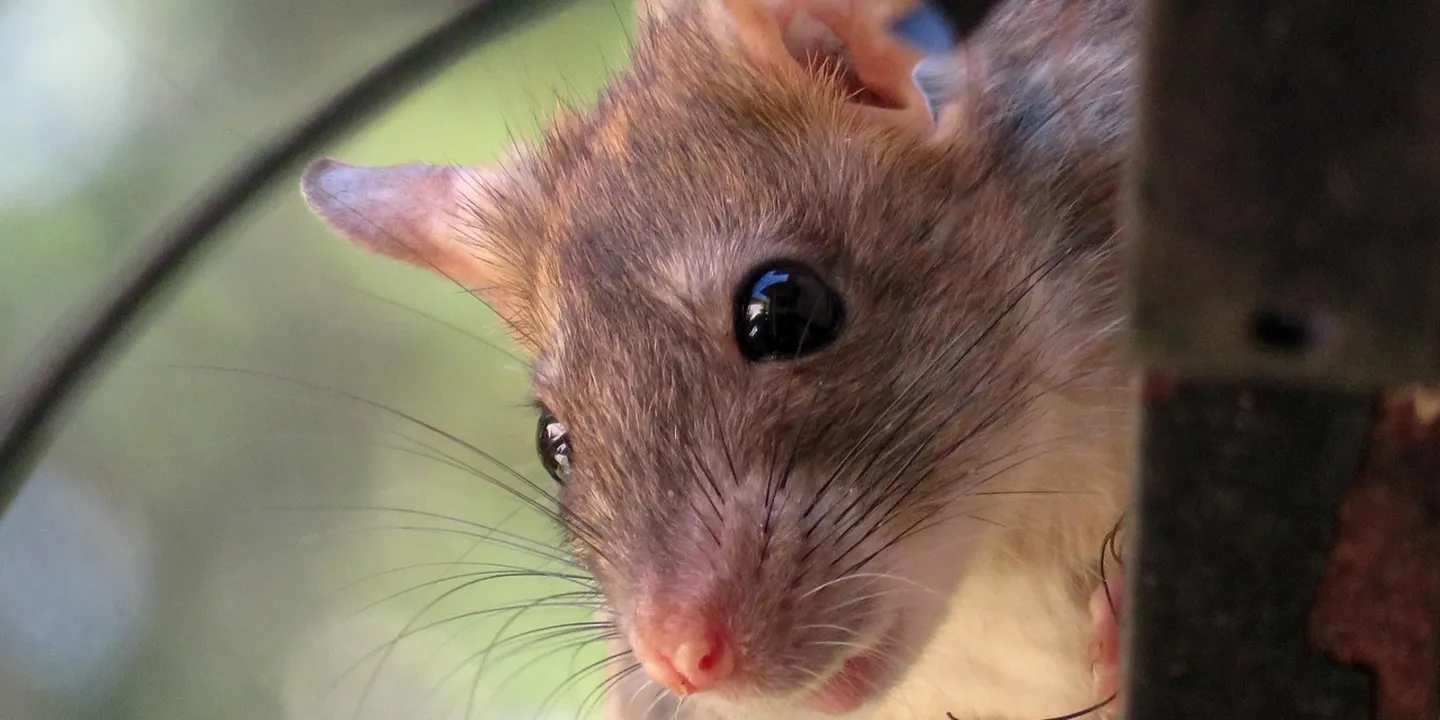
If you’re hearing scratches above your ceiling, you need to know what you’re dealing with. A roof rat has a sleek, slender body designed for one thing: climbing. Think of a gymnast, not a weightlifter. Their fur is typically dark gray or black, they have large, prominent ears, and a very long, thin tail.
That tail is the dead giveaway-it’s always longer than their body and head combined. It acts like a fifth limb for balance, allowing them to scale brick walls, shimmy up drainpipes, and tightrope walk utility lines straight to your roof. This explains why the question “can roof rats climb walls?” has such a simple answer: yes, effortlessly.
In my experience, people often confuse them with the heavier, ground-dwelling Norway rat. You won’t usually see a roof rat in your garden; you’ll find evidence of them in your attic. As for behavior, they are not typically aggressive toward people. They are secretive and will flee if they can. They often live in smaller groups, so if you see one, there are likely a few more hiding.
The Roof Rat vs. The Norway Rat: Know Your Enemy
Mixing up these two rodents means using the wrong tactics. Here’s a quick comparison to set the record straight.
| Feature | Roof Rat (Black Rat) | Norway Rat (Brown/Sewer Rat) |
| Body Size & Shape | Slim, lightweight (6-8 inches long) | Heavy, stocky (7-10 inches long) |
| Tail | Longer than body + head (thin, scaly) | Shorter than body (thick, blunt) |
| Ears | Large, almost hairless | Small, furry |
| Nesting Preference | High places: attics, trees, roof voids | Low places: burrows, basements, crawl spaces |
Why Their Design Makes Them a Roof Problem
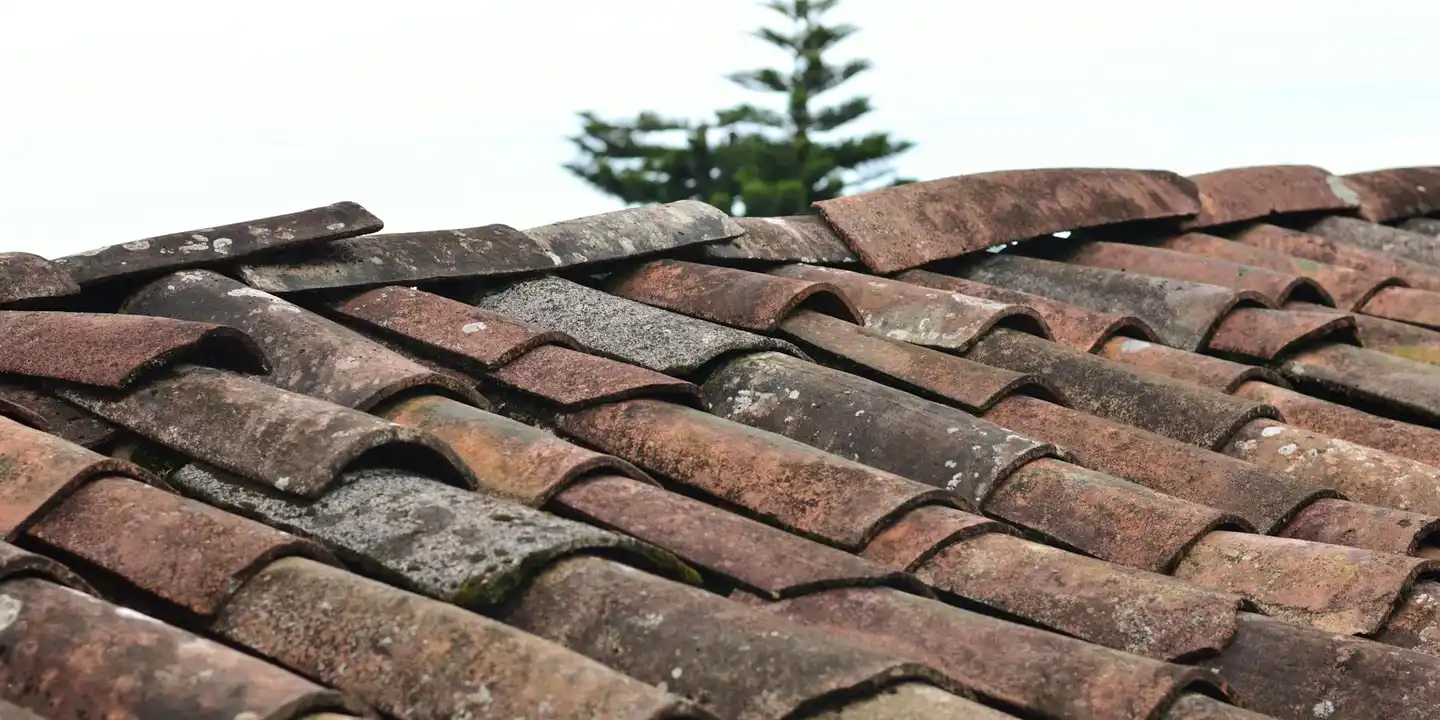
Their light build isn’t just for show. It lets them exploit weaknesses in your roof’s armor that a heavier rat couldn’t. I’ve been on jobs where we found their entry point was a gap under a warped roof tile no wider than a pencil. Their slender bodies can squeeze through any opening larger than a half-inch, which directly answers “can rats get under roof tiles.” They don’t need a big hole.
They target loose fascia boards, cracked soffit vents, and spaces where utility lines penetrate the roof. Think of your roof’s edges like the cuffs of a jacket; if they’re not sealed tight, pests get in. Their climbing ability means they can reach these high, vulnerable spots easily, making your attic the perfect, warm home.
The Evidence They Leave Behind: Signs of an Infestation

You don’t always see the rat to know it’s there. They are excellent at staying hidden. Your first clues are the mess they leave behind.
The clearest sign of roof rats is finding their droppings, which are small, dark, and pointed at both ends like a spindle. You’ll find them concentrated in specific areas. Look along attic beams, inside stored boxes, on top of insulation, and along the edges of your roof’s sheathing. In the yard, check around pet food dishes, compost bins, and under fruit trees, especially when undertaking any roof nest prevention work.
Are roof rat droppings dangerous? Yes, to both people and pets. Their droppings and urine can carry diseases like leptospirosis and hantavirus. Never sweep or vacuum dry droppings, as this kicks dangerous dust into the air. Always wear gloves and a mask, wet the area with a disinfectant, and carefully clean it up.
What You’ll Hear and See in the Attic
Your attic is their favorite penthouse. Listen for scratching or a fast scurrying sound in the walls or above the ceiling, especially just after dusk or before dawn when they are most active.
When I crawl into an attic on an inspection, I look for three things:
- Nests: They shred insulation, cardboard, and even clothing to make large, messy nests, often in corners or between joists.
- Grease Marks: As they travel the same path along beams and rafters, their oily fur leaves dark, greasy rub marks.
- Stashes: You might find small piles of nuts, seeds, or bits of fruit they’ve hauled up from your yard.
Damage to Your Roof and Home Systems
This is where a rodent problem becomes a home repair emergency. Their constant gnawing causes serious, expensive damage.
- Chewed Electrical Wires: This is the biggest danger. Exposed wires in your attic are a major fire hazard.
- Torn or Compacted Insulation: They ruin your attic’s insulation, destroying its R-value and raising your energy bills.
- Gnawed Roof Components: I’ve seen them chew through PVC plumbing vent pipes, which can let sewer gas into your home. They also gnaw on the edge of roof flashing, creating a direct path for water leaks.
How Roof Rats Get In: Your Home’s Vulnerable Points
Roof rats are agile climbers. They don’t need a door. They think of your home as a giant tree with warm, sheltered hollows. So, how do roof rats enter a home? They exploit any small gap or weakness 6 feet or higher off the ground.
From a roofer’s view, a home inspection for rats is about finding every tiny opening, because if a rat can get its skull through, its whole body will follow. And yes, can rats live in roofs? Absolutely. A dry, enclosed attic or soffit space is their ideal shelter. It’s not only rats—birds and other wildlife also exploit the same gaps. That wildlife activity can lead to roof damage and intrusion into homes.
The Aerial Bridge: Trees and Vines
This is their main route. Overhanging tree branches are a direct highway onto your roof. I tell every homeowner that a tree limb touching your shingles is more than a wear issue, it’s an invitation. The same goes for thick vines like ivy growing on your siding. Trim all branches back at least 3 feet from your roofline.
Common Roof & Siding Entry Points
Once they are on your roof, they look for these weak spots:
- Roof-to-Wall Intersections: Gaps where a dormer or addition meets the main roof are common trouble spots if the flashing isn’t tight.
- Roof Vents: Damaged or loose vent covers are an easy entrance. They can also chew through plastic vent covers.
- Soffit Vents: Unscreened or damaged soffit vents are like open windows into your attic.
- Utility Line Penetrations: Gaps where cables, pipes, or conduit enter your siding or roofline are rarely sealed well enough.
- Fascia and Trim: Loose, rotten, or gap-filled fascia boards behind your gutters are a perfect entry point. I find nests behind rotten fascia all the time.
The Attic Connection: More Than Just a Nuisance
People often think the worst part of roof rats is the noise. The truth is worse. The real damage happens to your home’s structure itself.
Your attic is a key part of your building envelope, the thermal barrier that keeps your home comfortable. Roof rats shred this barrier. They tear through vapor barriers and pack insulation down to make nests. This is a permanent problem. It compromises roofing materials and insulation, affecting your home’s temperature regulation and increasing energy bills.
Soiled or compressed insulation loses its R-value, its ability to resist heat flow. I’ve seen attics where the insulation looked fine from the hatch, but walking in revealed wide, packed-down highways. Your furnace and AC will run constantly to compensate, and your energy bills will prove it.
The moisture issue is silent and destructive. Rat urine soaks into attic sheathing and framing lumber. Over time, this constant dampness leads to wood rot and creates the perfect environment for mold. I’ve pulled up insulation to find black-stained plywood underneath, a sure sign of a long-term infestation. This weakens the roof deck from the inside.
That foul, musty odor doesn’t stay put. It moves. Air leaks around light fixtures, plumbing vents, and attic access doors act as a conduit. Contaminants and smells from urine and feces get pulled into your home’s living spaces. If you notice a persistent smell you can’t find, your attic might be the source.
Taking Control: Safe and Effective Removal Strategies
The best method is a simple two-step plan. You must stop new rats from getting in and remove the ones already inside. Always do step one before step two.
If you trap first but don’t seal, new rats will simply move into the vacant space. I tell homeowners to think of it like fixing a leaky boat. You have to plug the holes before you start bailing water.
Step 1: Seal Them Out (Exclusion)
This is roof repair work. It requires the right materials for a permanent fix. Caulk or foam alone will not work. Rats will gnaw right through it.
- Steel Wool: Stuff coarse steel wool into small gaps and holes. Rats hate chewing on it. Use it as a temporary filler before your permanent fix.
- Hardware Cloth (1/4-inch mesh): This galvanized steel wire mesh is your best friend. Cut pieces to cover larger openings like vents, crawl space accesses, or where pipes enter the home. Staple or screw it securely over the hole.
- Heavy-Gauge Flashing: Use aluminum or steel flashing for sealing gaps at roof-to-wall intersections or where siding meets the foundation.
- High-Quality Sealants: Use a sealant like a silicone-polyurethane blend to weatherproof and secure your steel wool or hardware cloth patches. The sealant holds the barrier in place.
Your main targets are any opening larger than a half-inch. Check where utility lines enter, roof vents, soffits, and along the fascia board.
Step 2: Strategic Trapping Inside and Out
Once entry points are sealed, you can address the current population. I always recommend old-fashioned snap traps.
They are more humane and effective than glue traps, which can cause prolonged suffering. Place traps along walls or beams where you see droppings or grease marks, as rats prefer to run along edges.
For bait, use what they are already eating. Peanut butter works, but a piece of nut or dried fruit tied securely to the trigger is often better. You need persistence. Set multiple traps, check them daily, and keep setting them for at least a week after you catch the last one.
Many clients ask about natural repellents like peppermint oil or ultrasonic devices. In my experience, these offer only temporary relief at best. A determined rat will simply avoid the strong smell for a while or get used to the sound. They are not a substitute for physical exclusion and trapping.
A Serious Word on Rodenticides (Poison Baits)
I strongly advise homeowners to never use DIY poison baits. The risks are too great.
A poisoned rat doesn’t die at the bait station. It wanders off and often dies inside a wall void, ceiling cavity, or another inaccessible space. The resulting odor is severe and can last for weeks. Finding and removing the carcass usually involves cutting open a wall.
The secondary poisoning risk is the critical reason to avoid these products. If your dog or cat finds and eats a poisoned rat, the toxin transfers to them. This is how roof rats become directly dangerous to your pets. Birds of prey or neighborhood cats can also be victims. Professional pest controllers have the training and protocols to use these tools with much lower risk. For you, it’s a tool to avoid, especially when you’re trying to keep other animals away from your roof.
Safe Cleanup: After the Rats Are Gone
How do you safely clean up after a roof rat infestation? This job is about protecting your health first. Rodent droppings and urine can carry serious diseases like hantavirus.
Your safety gear is not optional for this task; treat it like a required part of the job. You need an N95 or better P100 respirator, heavy-duty rubber gloves, and safety goggles. Old clothes that you can wash in hot water or throw away are a good idea too.
Here is the safe, step-by-step method I recommend from cleaning up after pests on job sites.
- Ventilate the area. Open windows and doors and let the space air out for at least 30 minutes before you start.
- Never sweep or vacuum droppings dry. This kicks dangerous dust into the air. Instead, thoroughly spray all droppings, urine spots, and nesting material with a disinfectant or a bleach solution (1 part bleach to 10 parts water). Let it soak for 5-10 minutes to kill germs.
- Carefully pick up the material with paper towels. Place everything directly into a heavy-duty garbage bag.
- After removing all debris, disinfect the entire area again. Wipe down surfaces with your disinfectant.
Pay special attention to your attic insulation. If it’s soiled, it must be replaced. I’ve been on jobs where contaminated insulation was left in place. It becomes a permanent source of odor, reduces your home’s thermal performance, and compromises air quality. Removing it restores your roof’s proper function.
Homeowner’s Maintenance Routine: Keeping Rats Off Your Roof for Good
How do you prevent roof rats from returning? Think of it as standard roof care. A well-maintained roof is naturally pest-resistant. By protecting your roof from rats, you’re also extending its lifespan. It’s equally important to remove other pests, like squirrels, to maintain the integrity of your roof.
Turning prevention into a seasonal habit is the most effective long-term strategy. I keep a simple log for my own house, checking these items when I do other seasonal maintenance. It becomes second nature.
Seasonal Tasks for a Rat-Resistant Home
Your yard and roof work together. Managing one helps secure the other.
- Spring and Fall: This is prime time for roof checks. Trim tree limbs back at least six feet from your roofline. Clean your gutters thoroughly to remove nests, seeds, and debris. Inspect your soffit vents and roof vents from the ground with binoculars. Look for any cracks, gaps, or signs of chewing.
- Summer: Focus on food sources. Secure compost bins with tight-fitting lids. Pick up fallen fruit or nuts from trees promptly. Manage garden waste and avoid letting piles accumulate.
- Ongoing Vigilance: Store all pet food and bird seed in sealed metal containers, not bags. Keep stacks of firewood or lumber away from your home’s exterior walls.
The Annual Roof Inspection: Your Best Defense
Schedule a yearly visual inspection of your roof’s perimeter. You can do this yourself from the ground with a good pair of binoculars, or hire a professional for a more detailed look. Regular roof damage inspections can help catch issues early.
You are looking for the small problems rats exploit: a loose piece of fascia board, a cracked vent flange, a spot of rotten wood at the eaves, or a gap in the flashing. Catching and repairing these minor issues is simple roof care. Letting them go is an open invitation.
When This Job is Too Big: Calling a Professional
I’ve spent decades up on roofs, and I know when a problem is bigger than my tool belt. Roof rats are clever, and sometimes a persistent crew needs a professional crew to handle them.
You should call a professional for roof rat control when the situation moves beyond simple prevention or a single trapped rodent. Think of it like a roof leak you can’t find. You can patch one spot, but if water keeps showing up in new places, you need an expert eye to find the real source. There are natural roof rat control options that avoid poison and traps, focusing on prevention, exclusion, and sanitation. These approaches can complement professional help for lasting results.
Clear Signs You Need to Make That Call
Don’t tough it out. If you see any of these scenarios, it’s time to pick up the phone.
- Large or Persistent Infestation: You’re catching rats but still hearing noises at night. You see fresh droppings daily. This means you haven’t found their main highway into your home.
- Inability to Find Entry Points: You’ve looked along the roof edge and soffits but can’t spot the gap. Professionals know the sneaky spots most homeowners miss, like where pipes vent through the roof or behind trim boards.
- Extensive Attic Damage or Contamination: If they’ve chewed wiring, torn up insulation, or left a mess everywhere, a pro can safely clean it and assess the real structural damage.
- You’re Uncomfortable with Ladder or Roof Work: Safety is not optional. If getting on your roof to inspect or seal points makes you nervous, that’s the best reason to hire it out. I’ve seen too many DIY injuries.
What a Good Professional Actually Does
A quality pro doesn’t just set traps and leave. They solve the root cause.
A good exterminator combines pest control expertise with a roofer’s knowledge of building construction. They think like a rat to find the trails, then think like a builder to permanently block them.
They start at the roofline and work down. They’ll check flashing around chimneys and vents, inspect the ridge cap for gaps, and examine where different roof planes meet. They know how to seal these spots with materials rats can’t chew through, like metal flashing or heavy-gauge wire mesh, not just caulk. Their job is to make your roof a fortress, not just empty the current invaders.
Common Questions
What’s the best permanent material to seal their entry points?
Forget caulk and foam. Use 1/4-inch galvanized hardware cloth (wire mesh) for covering vents and gaps, and heavy-gauge metal flashing for sealing roof-to-wall intersections. Rats can’t chew through these, and they last as long as your roof.
How do I make my roof and attic less attractive long-term?
Beyond trimming trees, ensure your roof vents have intact, rust-proof screens and your soffits are solid with no gaps. Inside the attic, keep it clear of stored boxes and clutter, which provide perfect nesting material.
When does rat damage become a structural roof repair?
If you find chewed roof sheathing, rafters, or extensive moisture damage from urine, it’s time for a roofer. They can assess if the wood integrity is compromised, which poses a risk beyond just pests.
Your Roof’s First Line of Defense
From my time on the crew, I’ve seen that consistent, seasonal inspections of your eaves and vents are the single most effective way to catch roof rats early. Seal every gap you find immediately with durable, rodent-proof materials to prevent infestations and protect your home’s structure, unlike temporary blockages that can fail.
Treating your roof with this level of care is a fundamental part of responsible home ownership. For ongoing, safety-first guidance, I recommend diving into our All Types of Roof Guide to build your knowledge in Roof Care and long-term Maintenance. Practicing roof repair safety practices—like using fall protection and securing ladders—helps prevent accidents. Following safety guidelines protects you and your home.
Ray Huffington
Ray is an experienced roofer. He has worked as a general contractor in the roofing industry for over 15 years now. He has installed and repaired all kinds of roofs, from small houses to large mansion, and from basic shingles to cement and metal roofs and even solar roof panels. He has seen homeowners struggle with roofing questions and always has experience based proven advice to help those in need. If you need roof pros, Ray's your guide.