
How to Choose a Gazebo Roof: Weighing Material Pros and Cons
You’ve got the perfect spot picked out for your new gazebo, but now you’re stuck on the biggest question: what should you put on top? Choosing the wrong roofing material can turn your dream retreat into a leaky, high-maintenance headache.
I’ll break down the real-world performance of popular options like metal, shingles, and polycarbonate.
You’ll get a honest look at cost versus longevity for each material.
I’ll give you my on-the-job advice for matching the roof to your style and local weather.
Why Gazebo Roofing Is a Different Animal
A gazebo roof isn’t just a tiny house roof. The rules change.
On your house, a leak means water in your attic, damaged insulation, and maybe a stained ceiling. It’s a big deal. A leak in your gazebo might just mean a damp spot on the floor or a puddle on a bench. The stakes are lower.
This shift changes your priorities. Aesthetics and comfort move to the front. You’re picking a roof you’ll sit under for years. You want it to look good and feel right. The sound of rain on metal is a feature for a gazebo, not a nuisance.
The design of your gazebo also dictates the game. A classic octagonal gazebo with a steep, pointy roof favors materials that bend and shape easily, like cedar shingles or metal panels. A simple, flat-roofed pergola style needs a nearly seamless, water-shedding material. Your design narrows your choices before you even start shopping.
Choosing a gazebo roof comes down to balancing five things: cost, durability, maintenance, weight, and pure look. You rarely get the best of all five. My job is to help you see the trade-offs clearly. If you’re looking to compare roof shingle materials, a quick comparison can help you choose the best option for your gazebo. I’ll walk you through how to compare options to balance cost, durability, and appearance.
The Classic Contender: Asphalt Shingles
If you drive through any neighborhood, you’ll see asphalt shingles on most gazebos. There’s a reason for that.
They are the go-to for budget and convenience. They’re affordable, readily available, and if your house has them, they create a matched, cohesive look in your yard.
From a DIY angle, they’re familiar. The installation process on a simple gable or hip roof gazebo is straightforward if you have basic roofing know-how. On a gazebo, protected from the intense, full-sun heat they get on a house, their lifespan can stretch toward the 25-year mark.
But they have downsides on a small structure.
They can look heavy and bulky. All those overlapping layers might overpower a delicate gazebo frame. They also don’t breathe well, which can trap heat and moisture underneath on a hot day, making it less comfortable to sit under.
Falling branches or hail can crack and tear them more easily than some harder materials.
So, what are the main disadvantages of asphalt shingles here?
- They lack visual elegance for a focal point in your garden. They are practical, not premium.
- They offer minimal ventilation, which can make a gazebo feel stuffy.
- Their multi-layer installation doesn’t suit every gazebo shape, especially complex ones with lots of angles.
I used them on my own backyard shed roof to match the house. It was the right choice for a purely functional outbuilding. For my front yard gazebo, where looks mattered more, I went with something else.
Metal Roofing: The Durable Workhorse
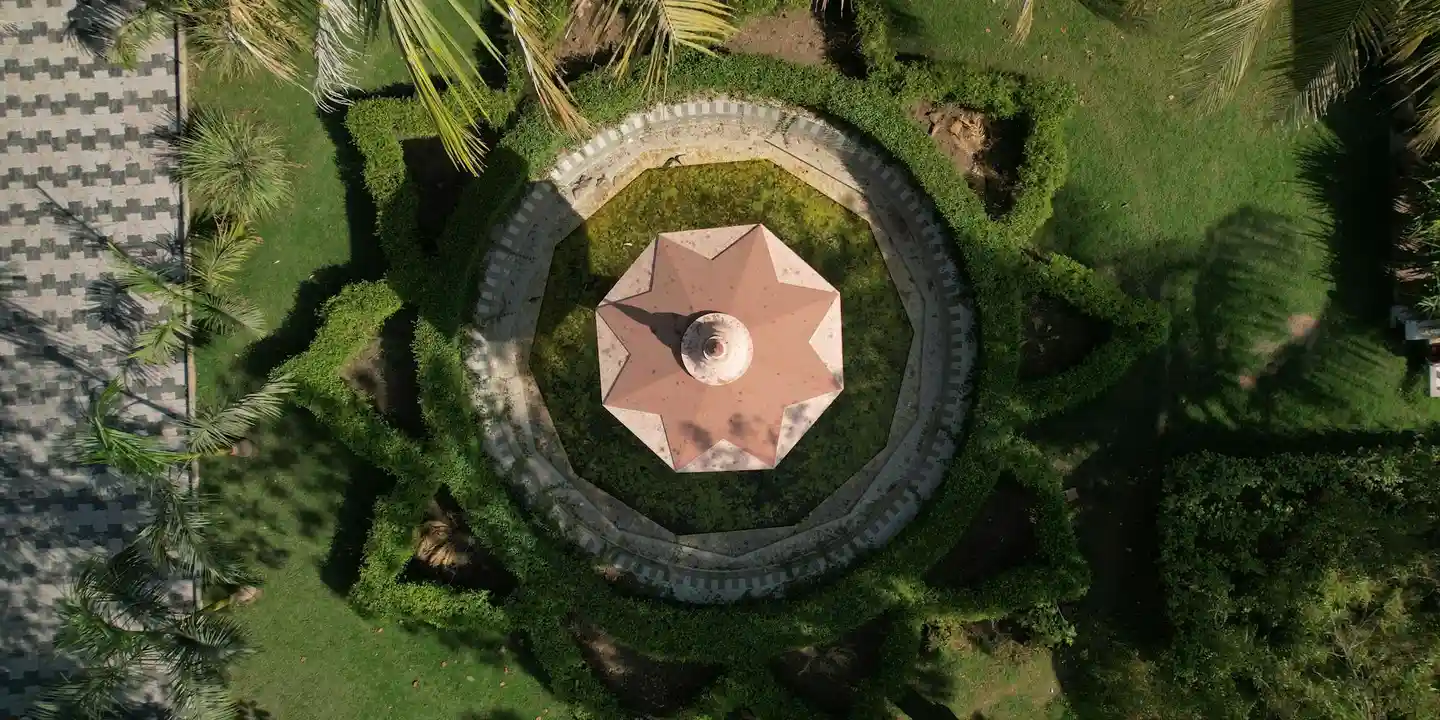
For a gazebo roof that you want to last a lifetime, metal is a top choice. Over the years, I’ve installed it on more gazebos than I can count. It’s the go-to material when you prioritize longevity and weather resistance above all else.
You might ask, “Are metal roofs better than shingles?” For a gazebo, the answer is often yes, but with caveats. Shingles can work, but they’re designed for large, gentle slopes on a house. A gazebo roof is smaller, steeper, and more exposed. Metal sheds water and snow far more effectively on those steep pitches. The trade-off? Sound and cost. A metal roof will sing in a downpour, and its upfront price is higher than basic asphalt.
Breaking Down the Types
Not all metal roofing is the same. The two main styles you’ll see are corrugated panels and standing seam.
Corrugated panels are the classic “tin roof” look you picture on a farmhouse or barn. They have those familiar wavy ridges. They’re affordable, easy to install with the right know-how, and incredibly effective at shedding water. I’ve used them for clients who want a rustic, traditional gazebo feel.
Standing seam is the sleek, modern cousin. The panels have raised seams that interlock vertically, creating clean lines. Standing seam systems are more expensive, but they offer a superior finish and often come with hidden fasteners that eliminate leak points. It’s a premium look for a premium project.
A Note on Aluminum
So, are aluminum roofs good? Absolutely, especially for certain locations. Aluminum is incredibly lightweight, which is perfect if you’re concerned about the gazebo structure’s load. Its biggest strength is that it won’t rust. If you live near the ocean in a coastal area, aluminum is a smart choice to combat the salty, corrosive air. It does cost more than steel and can be softer, making it slightly more prone to denting.
The Pros: Why We Choose Metal
- Unmatched Longevity: A properly installed metal roof can easily last 40 to 70 years. It often outlives the structure it’s on.
- Superior Shedding: Rain and snow slide right off. You won’t get water pooling or the ice dam concerns you might with other materials.
- Fireproof: It won’t combust, giving you real peace of mind if you use a fire pit nearby.
- Low Maintenance: Beyond clearing debris and checking for scratches every few years, it asks for very little.
The Cons: The Real-World Trade-offs
- Noise: This is the most common complaint. Rain and hail are loud on a metal roof. If you want a quiet, peaceful retreat, this is a real factor.
- Denting: While durable, large hail or fallen branches can dent panels. Aluminum and softer metals show this more than heavier steel.
- Upfront Cost: The initial investment is higher than asphalt shingles or basic wood. You’re paying for that decades-long service life upfront.
- Installation Precision: It must be installed correctly. Improper fastening or seam sealing is an invitation for leaks and rattling.
I always tell homeowners that choosing metal is a long-term play. You pay more now for the virtual certainty that you’ll never have to reroof that gazebo again. Just be honest about whether the sound of rain will be a charming feature or a dealbreaker for your backyard oasis.
Wood Roofing (Cedar Shakes): The Natural Look
I’ve put cedar shake roofs on more gazebos than I can count. When clients want that perfect rustic retreat, this is the material they dream of. The unmatched aesthetic isn’t just about looks; it’s about feeling. A cedar roof makes a gazebo feel anchored and warm, like it’s been part of the landscape for decades. Beyond the look, cedar has natural insulating properties. Think of it like a breathable layer of clothing for your structure. It can help buffer sound from rain and moderate temperature shifts inside.
So why does everyone keep coming back to cedar? First, that smell. On a hot day, a new cedar roof releases a subtle, clean scent that pure synthetic materials can’t match. Second, it ages beautifully. Left untreated, cedar shakes slowly weather from a warm brown to a soft, silvery gray. Many homeowners, myself included, find that patina even more appealing than the new wood. It’s this combination of sensory appeal and a traditional, handcrafted look that makes cedar a perennial favorite for gazebos.
Now, I need to be frank about the other side of the coin. Cedar is a high-maintenance relationship. I’ve been called back to gazebos where the roof was overtaken by moss and black algae in just a couple of years. You must be proactive.
- You will need to clean the roof regularly to prevent organic growth.
- Applying a stain or sealant every 3 to 5 years is not a suggestion; it’s a requirement to extend its life.
- It is a fire hazard. In many areas, building codes limit or prohibit its use for this reason.
- The lifespan is shorter than other materials. With mediocre care, you might get 15 years. With meticulous, annual care, you could see 25 to 30 years, but that’s a big commitment.
Finally, let’s talk numbers. Cedar is a premium choice with a premium price tag. The material cost for quality shakes is high. More importantly, you cannot skimp on installation. Installing cedar shakes correctly requires a skilled hand to ensure proper alignment, nailing, and spacing. I’ve fixed too many jobs where a handy homeowner or a cheap crew created leaks and early failures. Budget for both the top-tier material and the expert labor it demands.
Light and Bright Options: Polycarbonate & Glass
I get this question all the time from folks planning their backyard escape: “Are there any materials good for allowing light in?” If you’re aiming for that airy, sunroom-like feel in your gazebo, you’re in luck. Polycarbonate and glass are the two main choices for a bright, cheerful roof.
Polycarbonate panels are your affordable, tough option. Think of them as heavy-duty plastic sheets. They are budget-friendly and nearly impossible to shatter, which is a huge plus for safety in stormy weather. They also filter out most UV rays, so you can enjoy the light without the burn. I’ve used these on many DIY-friendly gazebo kits.
Glass is the classic choice for a premium look. It offers the clearest view and the most natural light, giving you that true indoor-outdoor connection. But that quality comes with a cost. Glass is very heavy, requiring a very strong gazebo frame. It’s also the most expensive option and poses a real safety risk if it breaks into sharp pieces.
Both materials share some downsides you should know about. Their surfaces can get scratched from branches or cleaning. Polycarbonate can develop a yellow tint over many years in the sun. Most importantly, neither material insulates well, so your gazebo will be hot in summer and cold in winter compared to a solid roof. On one job, we used polycarbonate for a garden gazebo, and the owner loved the light but ended up adding a shade cloth for midday heat.
Specialty Choices: Tile, Slate, and Thatch
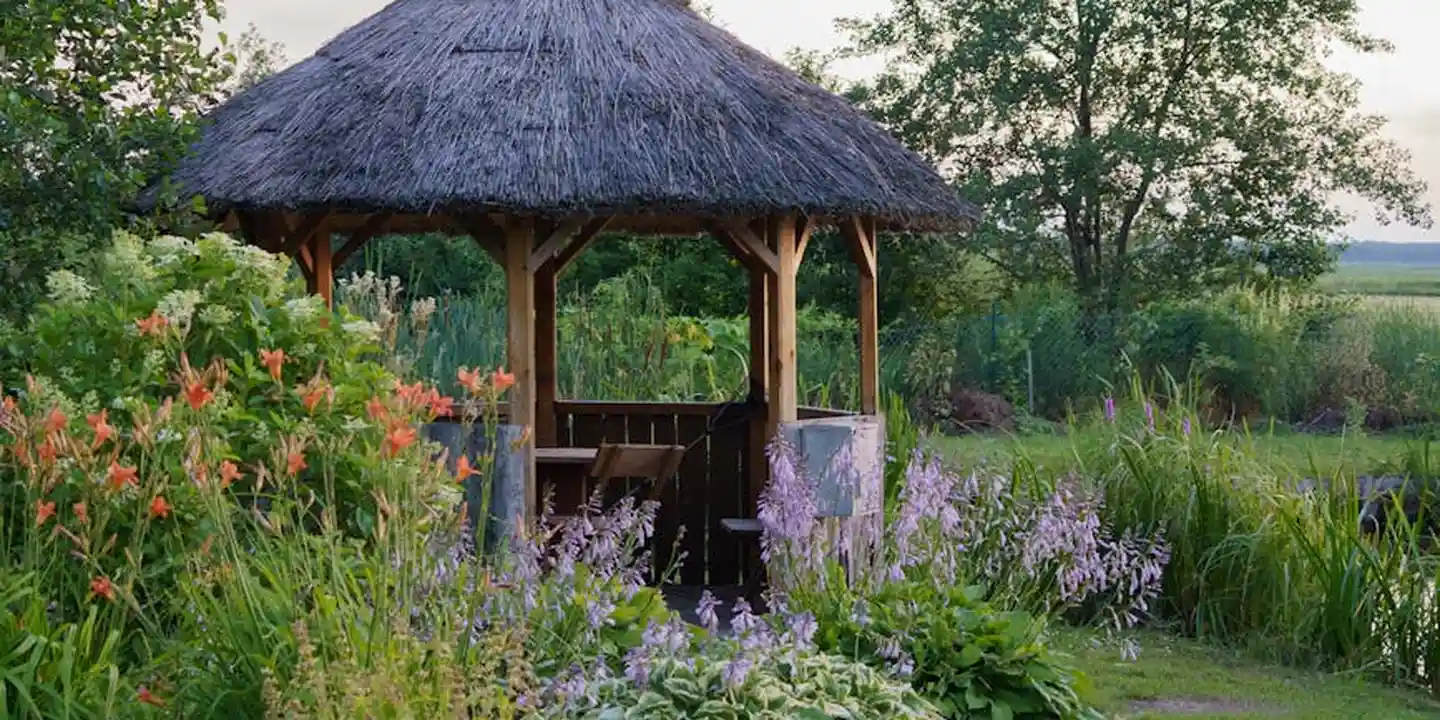
Some gazebo projects call for something beyond standard shingles or metal. Materials like tile, slate, and thatch create a distinct, high-end look for a thematic garden or luxury outdoor space. These are not casual DIY choices. They demand serious planning, a robust budget, and often, a custom-built structure from the ground up. Specifically, clay and slate roofs bring distinct aesthetics and value propositions that can shape the overall garden vibe and long-term appeal. Weighing these options early helps set the design direction and budget.
Clay or Concrete Tile
Tile roofs on a gazebo make a powerful architectural statement. They scream old-world craftsmanship and permanence. I’ve worked on a few Spanish-style patio covers, and the look is stunning. But you must respect what you’re signing up for.
The single biggest factor is weight. A tile roof is incredibly heavy, often two to three times heavier than asphalt shingles. This is exactly where roof structure building framing best practices come into play. Proper framing distributes the load and keeps the gazebo stable. Your gazebo cannot be built with standard lumber from the home center. It requires a specifically engineered frame with reinforced posts and rafters to handle the load. Get this wrong, and the structure will sag or fail.
Once installed, tile is fantastically durable against weather, fire, and insects. The trade-off is fragility. Concrete and clay tiles are brittle. If you need to hang lights or adjust something, you cannot just walk on the roof. A misplaced knee can crack a tile, and replacements must be color-matched, which can be a hassle years later.
Natural Slate
Slate is the premium, lifetime choice. It’s a natural stone product, so each piece has subtle color variation. A slate-roofed gazebo becomes a permanent, heirloom-quality feature in your garden.
Like tile, slate is extremely heavy and demands a structure built to carry it. The cost is the highest of any common material, paying for both the raw stone and the specialized skill to install it properly. But you are buying a roof that can last 75 to 100 years or more with virtually no maintenance beyond keeping it clear of debris.
Thatch
Thatch provides the ultimate authentic, romantic look for a cottage or tropical-themed garden. It’s a living, breathing roof material. The thick layer of dried reeds or straw offers superb natural insulation, keeping the space underneath cool in summer.
Thatch comes with a unique set of challenges that you must accept from the start. The primary concern is fire. A dry thatch roof is highly combustible. Many local building codes strictly regulate or prohibit it. Modern fire-retardant sprays help, but the risk is never zero.
It also creates a habitat. Birds, insects, and rodents may see it as a perfect home. You need a thatcher who knows how to install it to deter pests. Maintenance is key; a thatch roof requires regular grooming and a partial re-ridge every 5-10 years, with a full replacement every 15-25 years. If you’re wondering how long a thatched roof lasts, its lifespan depends on upkeep and climate. Knowing this helps with planning maintenance and budgeting for repairs.
Finding a skilled thatcher is the final hurdle. This is a rare, ancient trade. You are not hiring a standard roofing crew. Plan for a long search and be prepared to pay for true craftsmanship.
The RoofMason Material Verdict: A Side-by-Side Comparison
Choosing a gazebo roof is different than picking one for your house. You’re dealing with a smaller, often simpler structure. Your main goals are weather protection, good looks, and not having to fuss with it every year. Based on my jobs building and repairing backyard structures, here’s how the common choices stack up.
The Practical Breakdown
This table cuts through the sales pitches. I’m focusing on what actually matters for a gazebo.
Who Wins What?
Here’s my ranking based on what homeowners usually care about most.
- Best Bang for Your Buck: Asphalt shingles. They give you the durability and finished look of a house roof at the lowest material cost. You’re getting proven performance without the premium price tag.
- Most Durable (Hands Down): Steel Metal Roofing (with a good paint system). I’ve seen 40-year-old metal gazebo roofs that only needed a screw tightened. It won’t rot, burn, or be bothered by insects. Aluminum is a very close second, but is softer.
- Easiest for a Confident DIYer: Asphalt shingles. The process is straightforward: underlayment, starter course, shingle, nail, repeat. The tools are common (hammer, utility knife, chalk line). Metal and cedar have a much steeper learning curve.
- Lowest Maintenance: Metal roofing. Once it’s on correctly, you can mostly forget it. An occasional hose-off to clear debris is all it asks for. Polycarbonate is low maintenance too, but may need re-sealing at the seams after many years.
- Best Curb Appeal: Cedar shakes. This is subjective, but for timeless beauty that makes a backyard feel established, cedar is the winner. A close second is painted standing seam metal for a sleek, modern aesthetic.
Climate-Specific Advice from the Field
Your local weather should make this decision for you. I’ve fixed enough storm damage to know.
In hail country, avoid soft metals like aluminum and copper. They will dimple. Choose impact-resistant asphalt shingles (rated Class 4), steel, or polycarbonate.
In wet, mossy forests, avoid cedar unless you love maintenance. You’ll be fighting moss and algae constantly. Go with metal or polycarbonate, which have nothing organic for moss to grab onto.
In intense, year-round sun, think about heat and UV. Dark asphalt will absorb heat. A light-colored metal roof will reflect it, keeping the gazebo cooler. For polycarbonate, ensure it has a UV-protective coating to prevent yellowing and brittleness.
In heavy snow areas, pitch is everything. A low-pitched gazebo roof needs a slick surface. Metal is the best choice here, as snow slides right off. Avoid asphalt on a low slope, as snow can melt and refreeze at the edges, causing ice dams.
Your Gazebo Roof Care Calendar: A Seasonal Maintenance Log
Think of your gazebo roof like a good coat. A quick check each season keeps it dry and durable for years. This simple routine saves you money on big repairs later.
Spring: The Post-Winter Check-Up
As soon as the weather warms up, it’s time to look for what winter left behind. This is your most important inspection.
- Check for visible damage from ice or fallen branches. Look for dents in metal, cracked or missing shingles on asphalt, and split or warped wood on cedar shakes.
- Clear all debris from roof valleys and gutters. Clogged valleys direct water under the material, and clogged gutters cause overflow and rot the structure.
- For a metal roof, walk around and look for any screws that have backed out from freeze-thaw cycles; snug them up with a drill.
- For asphalt shingles, look in the gutters for an excess of granules; a lot of sand-like material means your shingles are wearing out.
Summer: The Heat and Growth Inspection
Summer sun tests materials, and moisture encourages organic growth. Your job is to stay ahead of both.
- Inspect for moss, algae, or lichen. These hold moisture against the roof surface and slowly break it down.
- This is especially critical for wood shakes and asphalt shingles, as trapped moisture leads to rapid rot and granule loss.
- Look for loose fasteners on any metal roof panels. Thermal expansion in the heat can loosen screws you tightened in the spring.
- On a cedar roof, if you see dark streaks or green moss, plan a gentle cleaning before it takes hold and shortens the roof’s life.
Fall: The Great Clean-Off
Falling leaves are the biggest autumn threat. They are not just messy; they are destructive.
- Clear all leaves, twigs, and pine needles from the roof surface. Do this frequently throughout the season.
- Never let a mat of leaves sit. They trap moisture, cause staining, and create a perfect environment for wood rot on the decking underneath.
- Ensure gutters and downspouts are completely clear to handle fall rains. A blocked gutter will spill water down the sides of your gazebo.
- For any roofing material, keeping the surface clean is the simplest, most effective form of maintenance you can do.
Winter: The Gentle Watch (For Snowy Climates)
If you get snow, your main job is to prevent a heavy load from stressing the structure.
- Use a roof rake with a soft, non-abrasive head to gently pull snow off from ground level.
- Never use a metal shovel or pick at ice. You will scratch metal, tear shingles, and split wood.
- Remove only the top layer after a major storm; you don’t need to scrape it down to the surface.
- Pay special attention to valleys where snow accumulates deepest; this is where the weight builds up fastest.
Quick Answers
How does the roof material’s weight impact my gazebo build?
The structure must be built to handle it. Heavy materials like tile or slate require a specifically engineered, reinforced frame, while lightweight options like aluminum or polycarbonate can go on a simpler structure. Always design the support first, then choose the roof.
Which material needs the least maintenance over the years?
Metal roofing is the clear winner for low upkeep. After proper installation, it only needs debris cleared and an occasional check for loose fasteners. Polycarbonate is also low-maintenance but may require seam resealing over a long period.
What’s the best way to prevent moss on a cedar shake roof?
Ensure consistent sunlight and air flow by trimming back overhanging branches. A professional cleaning with a moss-killing solution and a preventative zinc or copper strip installed at the ridge will provide the best long-term defense against regrowth.
Choose the Roof That Fits Your Frame
The best roof for your gazebo is the one that matches its strength. Understanding gazebo roof design types can help you balance load with style. Different roof design types distribute weight and weather exposure in different ways, so choosing the right design matters. Always pair the material’s weight with your structure’s ability to support it for a durable, worry-free build. This simple match-up saves you from future headaches and costly repairs.
Your choice starts a long-term relationship with your outdoor space. Schedule regular checks for wear and clean off debris to extend your roof’s life and protect your investment. Consistent, simple care is the key to lasting enjoyment.
Ray Huffington
Ray is an experienced roofer. He has worked as a general contractor in the roofing industry for over 15 years now. He has installed and repaired all kinds of roofs, from small houses to large mansion, and from basic shingles to cement and metal roofs and even solar roof panels. He has seen homeowners struggle with roofing questions and always has experience based proven advice to help those in need. If you need roof pros, Ray's your guide.