
Flat Roofs in Heavy Snow: What Every Homeowner Should Ask
Is a flat roof a disaster waiting to happen when the snow starts falling, or can it be a durable, modern choice? After decades on roofs from Colorado to Maine, I’ve seen both successes and failures.
Your main concern is whether a flat roof can support heavy snow without collapsing or leaking. The truth is, with proper engineering and maintenance, it absolutely can.
Here’s what we’ll break down: how snow load calculations keep you safe, why drainage is your roof’s best friend, and which materials stand up to ice and weight.
Key Takeaways: The Short Answer on Flat Roofs and Snow
I’ll be straight with you. A flat roof in a heavy snowfall area is a major commitment, not a simple install-and-forget job.
With the right design, materials, and diligent upkeep, a flat roof can perform well in the snow. Without these things, it’s a recipe for leaks, ice dams, and structural worry. Proactive insulation and ventilation help prevent ice dams and costly damage. That’s why prevention should be part of every flat-roof plan.
The success hinges on four non-negotiable requirements:
- Proper Slope (Pitch): It must be built with a slight, consistent slope to shed water and melting snow toward drains.
- Robust Structure: The roof framing must be engineered to handle your local snow load, plus a safety margin. This isn’t a guess.
- Durable Membrane: You need a top-tier, fully adhered roofing system like TPO, PVC, or EPDM, installed perfectly.
- Active Snow Management: You must plan to monitor snow depth and remove it before it reaches dangerous weights.
A standard flat roof built for a dry, warm climate will fail under heavy, wet snow. This article sets the realistic expectations you need before you decide.
What Exactly is a “Flat” Roof? Defining the Slope
Let’s clear up a common misunderstanding first. In roofing, “flat” almost never means perfectly level.
A roof is classified as flat when it has a very low slope, typically less than 10 degrees. For a simpler, on-the-job measurement, we call anything less than a 2-in-12 pitch a flat roof.
What does “2-in-12” mean? Imagine a 12-inch long level. If one end is raised 2 inches, that’s the slope. It’s very slight, like a gentle wheelchair ramp. This tiny angle is critical because it guides water and slush to the roof’s drainage points.
Because of this low slope, a flat roof is built like a bathtub. It uses a continuous, waterproof membrane-think of a single, giant sheet-to seal the entire surface. To handle the water, you’ll see specific features:
- Interior Drains: Pipes that go down through the house, like a shower drain in the middle of the roof.
- Scuppers: Openings at the edge of the roof walls that let water pour out into gutters or downspouts.
I worked on a modern home in Scranton where the family used their flat roof section as a patio and play area. It worked because it was designed for that load and climate from the start. That’s the key difference.
How a Snow Load Crushes: The Real Structural Risks
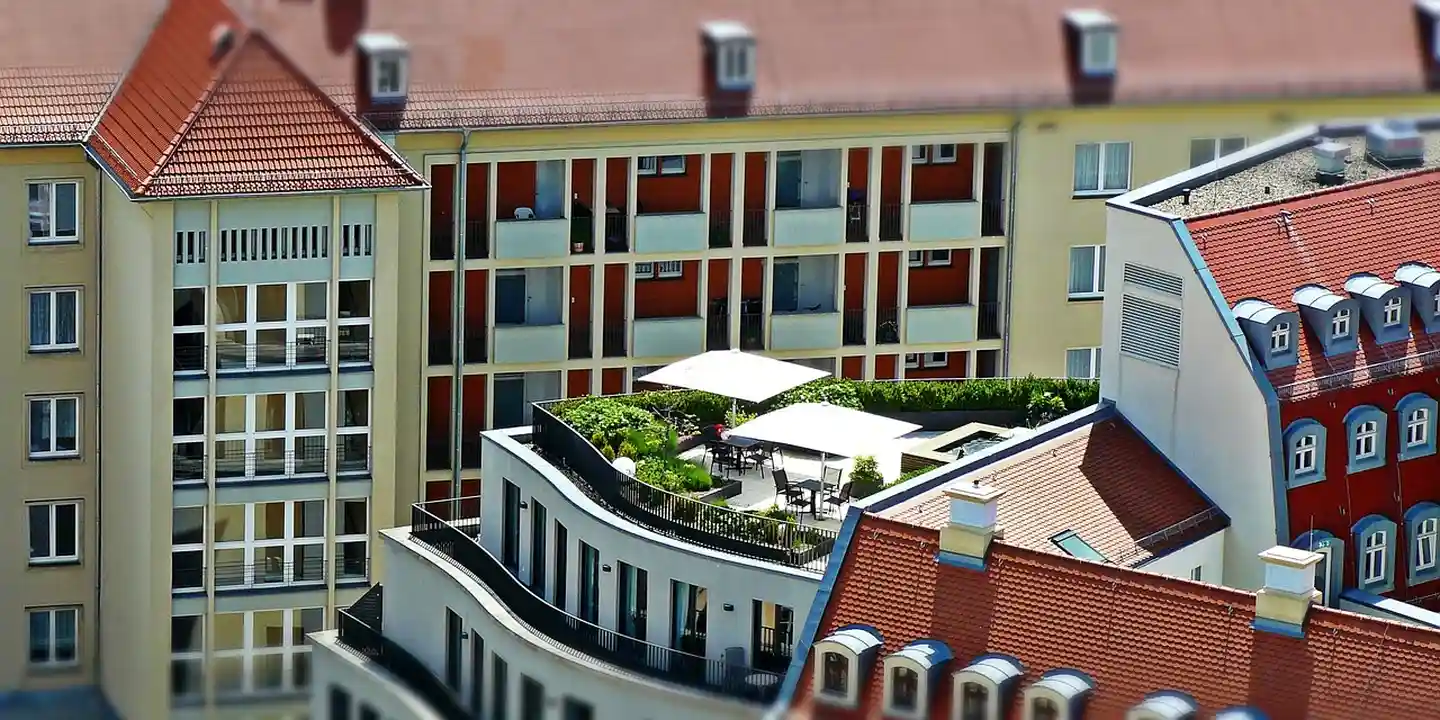
Think of your roof as a coat. A steep roof is like a slick rain jacket. Snow and water slide right off. A flat roof is more like a thick winter parka. It’s built to handle weight, but if you pile on too many wet, heavy layers, you’ll eventually get crushed.
Snow on a flat roof creates three big problems that feed each other. First is the static weight. One cubic foot of fresh, fluffy snow weighs about 7 pounds. When it settles, melts, and refreezes, that same snow can compact to weigh over 40 pounds per cubic foot. A foot of heavy, wet snow across a 1,000-square-foot roof adds over 40,000 pounds of crushing force sitting on your home’s frame.
Second is ponding. A truly flat roof never drains perfectly. Small dips form over time. When snow melts, water pools in these low spots. This extra weight stresses the roof deck, which can cause more sagging, which creates bigger ponds. It’s a vicious cycle I’ve seen on many inspections.
Third are ice dams. On the edges of your roof, melted snow can refreeze into a thick ridge of ice. On a pitched roof, this blocks water behind it. On a flat roof, it simply traps all the meltwater on the roof surface. That water has nowhere to go but down, searching for any tiny crack or seam to leak through.
Live Load vs. Dead Load: The Backpack on Your Back
Building codes talk about two types of weight. Understanding the difference shows you why snow is so dangerous.
Dead load is the permanent weight of the house itself. The roof deck, the beams, the shingles, the drywall on your ceiling. Your home is engineered to hold this up forever.
Live load is the temporary, changing weight placed on the structure. This is the furniture, the people, and crucially, the snow and water on your roof. It’s like the difference between your body weight (dead load) and a heavy backpack you put on (live load). A flat roof in a snowy region must be built to carry a massive, seasonal “backpack.”
Red Flags Your Roof is Overloaded
Don’t wait for a collapse. Look for these warning signs inside your home, especially after a heavy snow. I tell homeowners to do a simple walk-through.
- Sagging Ceiling: Look at your interior ceilings, particularly in the middle of the house. Do they bow downward? This is the clearest sign the rafters or trusses are bending under the weight.
- Cracking Walls: Check where walls meet the ceiling, especially at corners. New, jagged cracks running diagonally can mean the walls are being pushed out by a straining roof.
- Sticking Doors: When a roof sags, it can distort the entire house frame. Doors that suddenly won’t close or latch properly are a major red flag of structural movement.
If you see any of these signs, get everyone out and call a structural engineer immediately. This is not a “wait until spring” problem.
Pitched Roofs: The Natural Advantage
Now, compare this to a standard pitched roof. That slope is its greatest defense. Gravity is constantly at work. Snow naturally slides off as it accumulates, especially with metal or smooth synthetic roofing. Even on asphalt shingles, a steep pitch prevents deep, uniform accumulation.
The risk on a pitched roof shifts from pure crushing weight to issues like ice dams at the eaves. It’s a different maintenance challenge, but not the same structural threat. A well-built pitched roof is designed to shed load, while a flat roof is designed to bear it. In heavy snow country, shedding is almost always the safer bet for a homeowner.
The Honest Pros and Cons: Flat vs. Pitched in Snow
So, are flat roof houses bad for snow? Flat roofs are not automatically a bad choice for snowy areas, but they are a different kind of commitment compared to a pitched roof. I’ve worked on both types for decades in heavy snow country. The key is knowing what you’re signing up for. A flat roof won’t magically clear itself, but with proactive care, it can perform just fine. When snow builds up, safe snow removal techniques matter more than speed. Gentle edge clearing with a roof rake and avoiding icy patches helps protect the roof and its edges.
The Upsides of a Flat Roof in Snow Country
Flat roofs offer some practical advantages when the snow flies.
- Getting up there to remove snow is generally safer and simpler. You can often walk right onto the roof with proper fall protection, making it straightforward to shovel or use a push broom.
- That flat surface creates usable outdoor space. Many are built strong enough for a rooftop deck. In a snowy region, that can mean a beautiful winter view or a ready-made patio for summer.
- The clean, modern look is a major draw for many homeowners. If you love contemporary design, a flat roof delivers that specific aesthetic appeal.
The Real-World Downsides You Must Manage
Now for the honest challenges. These are the issues I’ve been called to fix most often.
- Snow sits there. It doesn’t slide off. All that weight presses down constantly, so you must be sure your roof structure is engineered for the heavy, wet snow loads in your area.
- Drainage is everything, and it’s a constant worry. Imagine a giant, shallow baking sheet. Melting snow needs perfectly clear drains and scuppers to get off the roof. If one clogs, water pools and will eventually leak.
- Maintenance is not optional; it’s mandatory and frequent. I advise my clients to visually check their roof drains before every forecasted storm and after any major snowfall. A small bit of leaf or ice can cause a big, expensive problem.
Flat Roof vs. Pitched Roof: Side-by-Side
This quick table lays out the basic differences in materials, cost, and snow behavior.
| Aspect | Flat Roof | Pitched Roof |
|---|---|---|
| Common Materials | Rubber (EPDM), PVC/TPO, built-up tar and gravel | Asphalt shingles, metal panels, wood shakes |
| Cost to Install | Often has a lower initial installation cost | Can be higher, especially for complex designs |
| Handling Snow | Snow accumulates. Requires planned removal. | Snow sheds naturally due to the slope. |
| Key Snow Concern | Ponding water from melting snow | Ice dams forming at the eaves |
Designing for the Weight: Essential Modifications for Snow
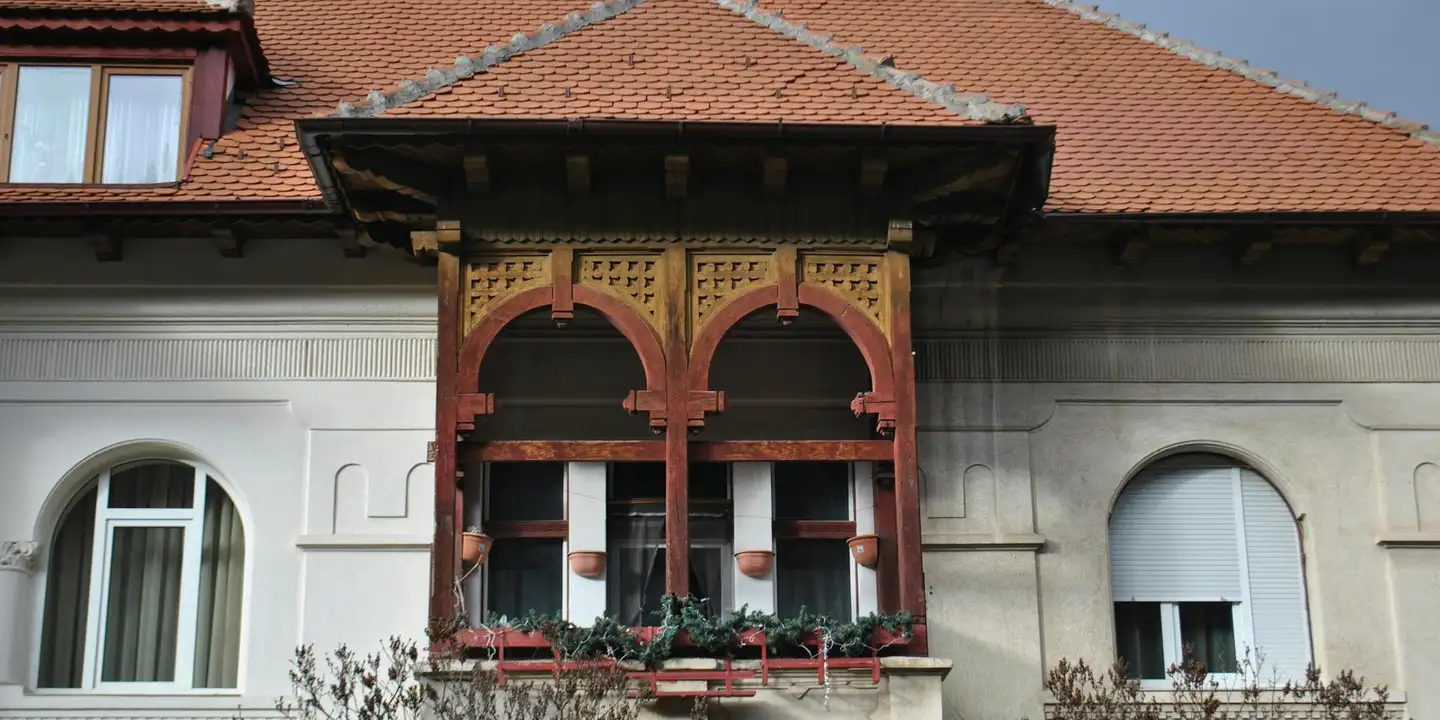
You cannot just plop a standard flat roof on a house where it snows three feet. It must be designed differently from the ground up. I’ve seen too many remodels where a sunroom or addition with a flat roof becomes a seasonal worry for the homeowner. A flat roof house in a snowy region must be engineered for it from the start.
Build a Stronger Backbone
Snow is heavy. A cubic foot of dry snow can weigh 7 pounds. Wet, packed snow can weigh 20 pounds per cubic foot. A few feet of that is like parking several cars on your roof.
To handle this, the structural framing needs to be upgraded. This usually means using larger joists or beams and placing them closer together. A builder might use 2x10s spaced 12 inches apart instead of 2x8s spaced 16 inches apart.
You’re not just choosing shingles, you’re building a stronger platform to hold the massive, wet weight of winter.
Never Let Water Sit
A truly “flat” roof is a myth in good construction, especially with snow. You need a slope. We call this a positive slope, and it’s the most critical design change. On low-slope roofs, material choice becomes an important partner to that pitch, influencing drainage, durability, and performance. We’ll explore which roof pitch material options work best for low-slope situations in the next steps.
The goal is to give melted snow a clear path off the roof. This is done by subtly tilting the entire roof deck, usually by at least 1/4 inch per foot. The slope directs water to internal drains or through-wall scuppers (holes with metal sleeves).
Think of it like tilting a waterbed to drain it. Without that tilt, water pools. Pooled water freezes at night, thaws during the day, and attacks your roof membrane non-stop.
Even a slight, almost invisible slope is what separates a durable snow roof from a future leak.
Manage the Melt
Snow doesn’t always melt evenly. You can get ice dams at the roof’s edge or massive sheets of snow sliding off at once. You need a plan for this.
For ice dams, heated cables in key areas are a smart choice. We install them in a zig-zag pattern just above gutters and in valleys. They create channels for meltwater to escape, preventing dangerous ice build-up. Following the roof heat cables ice dams guidelines helps ensure safe installation and reliable performance.
To control sliding snow, snow guards are essential. These are small metal bars or pads installed across the roof. They hold the snow pack in place, letting it melt off slowly and safely. This protects your gutters and anyone walking below.
Heated cables and snow guards are your active defense system against the specific hazards of snow melt.
Putting this all together is not a DIY weekend project. It requires detailed plans from an architect or structural engineer who knows your local snow loads. They calculate the exact joist size, the precise slope, and the drain locations. This upfront engineering is what makes a flat roof a viable, long-lasting choice in the snow.
Choosing the Right Membrane: Materials Built for the Cold
The best flat roof for heavy snow is one that stays flexible when it’s freezing and has strong, reliable seams. On a steep roof, snow slides off. On a flat roof, it sits and presses down. Your roofing material needs to handle that constant weight and cold without becoming brittle. This is especially important for maintaining structural integrity and preventing ice dams in heavy snow regions.
For most homes, you’re looking at two main types: single-ply membranes or a built-up roof. Single-ply is like rolling out a giant, durable rubber sheet. Built-up roofing is more like a layered cake of asphalt and fabric. Both can work, but their performance in the cold differs.
Material Comparison: Cold-Weather Performance
Here’s a direct look at how the common options stack up for snowy climates.
| Material | Durability & Lifespan | Flexibility in Cold | Seam Strength | Cost Consideration |
|---|---|---|---|---|
| TPO (Thermoplastic Olefin) | Good, typically 15-20 years. Resists UV rays and biological growth. | Very good. It’s designed to stay flexible at low temperatures. | Seams are heat-welded, creating a permanent, watertight bond. This is a major advantage. | Mid-range. A solid value for its performance. |
| EPDM (Rubber Roofing) | Excellent, often 20-30 years. Think of a heavy-duty inner tube. | Excellent. Rubber naturally remains pliable in deep cold. | Seams are glued or taped, which can be a potential weak point over time if not perfectly installed. | Generally more affordable upfront than TPO. |
| Built-Up Roof (BUR) | Very good, can last 20+ years. The multiple layers add redundancy. | Fair. The asphalt layers can get hard and less forgiving in sustained cold. | No seams in the traditional sense, which is a plus. Weakness comes from potential cracks in the surface. | Labor-intensive installation often makes it cost-competitive with single-ply membranes. |
Why How It’s Installed Matters Just as Much
The material is only half the battle. How it’s fastened to your roof deck is critical, especially with snow and wind. You have two main methods: ballasted and fully adhered.
A ballasted system lays the membrane loose and holds it down with a layer of smooth river stone or pavers. In a heavy snowfall region with high winds, I do not recommend a ballasted system for a home. The wind can get under the edge of the membrane and the snow load can shift the ballast, leading to failures.
A fully adhered system is the right choice for snow country. The membrane is glued directly to the roof deck with a permanent adhesive over its entire surface. There’s nothing for the wind to catch. I’ve seen fully adhered roofs withstand brutal winter storms because the entire membrane works as one solid, immovable unit. It costs more in labor and adhesive, but it’s the secure, long-term solution.
Roof Integrity and Lifespan: What to Expect and When to Worry
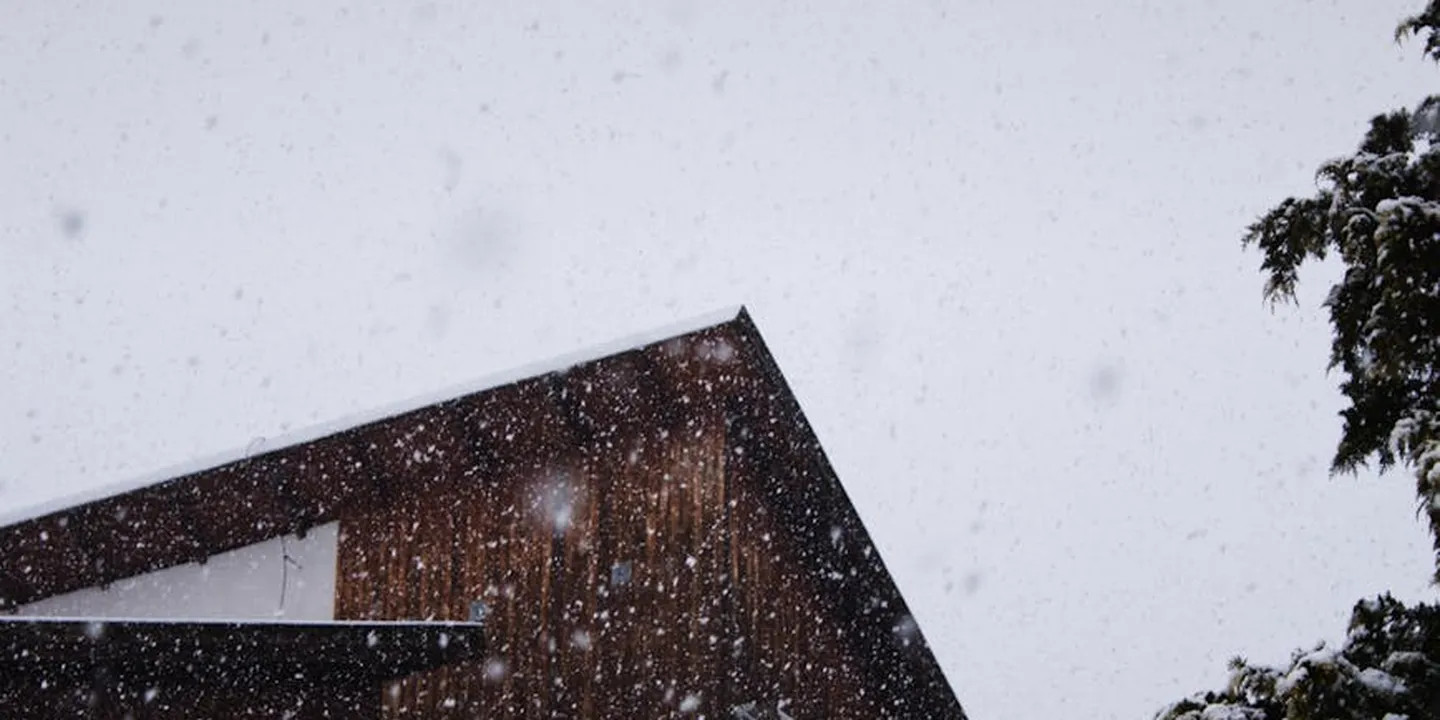
In heavy snowfall regions, a flat roof’s lifespan is a direct result of two things: the material and your maintenance habits. The constant weight, freeze-thaw cycles, and potential for ponding water create a harsh environment. You cannot expect a flat roof here to last as long as one in a dry, mild climate, even if it’s the same material.
With diligent care and professional snow removal, you can aim for the upper end of these ranges, but plan for the lower end when budgeting for the future.
Flat Roof Material Lifespan in Snow Country
Here’s a realistic breakdown of what my crews and I have observed on homes in places like upstate New York or Colorado. These aren’t just brochure numbers; they reflect real performance under snow load.
- TPO (Thermoplastic Polyolefin): 15-25 years. This is a top performer for snow regions. Its heat-welded seams are strong and resist leakage from melting snow. The reflective white surface can help slightly with snow melt consistency. Its flexibility handles thermal expansion well.
- EPDM (Rubber): 20-30 years. A durable, proven choice. Black EPDM absorbs heat, which can help melt snow, but that same thermal cycling stresses the material over decades. Seams are glued or taped, which is a potential failure point under ice dams.
- Modified Bitumen (Torch-Down or APP/SBS): 15-20 years. This asphalt-based membrane is tough. The torch-applied version creates a monolithic, watertight layer that stands up to ice well. It’s less flexible in extreme cold, which can be a factor. Proper installation is absolutely critical.
- Built-Up Roof (BUR – “Tar and Gravel”): 20-25 years. The multiple layers offer redundancy. The gravel surface protects the asphalt from UV rays and helps weigh the roof down. However, it’s heavy to begin with, and finding leaks through all the layers can be like a treasure hunt.
Red Flags That Scream “Total Replacement”
Some problems are too big, too widespread, or too foundational to fix with a patch. If you see these signs, you’re almost certainly looking at a full re-roof. I’ve had to give this hard news to homeowners many times.
Widespread blistering or alligatoring across the roof surface is a sign the roof’s core layers are failing and can no longer protect the deck below. These bubbles hold water that freezes and expands, making the problem worse every year. A few small blisters can be repaired. Dozens of them mean the system is done.
Numerous failed seams or splits, especially running parallel to interior walls, indicate the roof structure is moving or the membrane has lost its elasticity. On a single-ply roof, multiple open seams are a systemic failure. You can’t feasibly re-weld or re-glue every seam on an aging roof.
Core saturation or “wet insulation” is a silent killer you often find during an investigation. If the roof deck feels spongy underfoot or you see large, persistent interior leaks, the water has likely soaked through the membrane into the insulation below. This destroys R-value, adds enormous weight, and rots the deck. Repairing the top layer does nothing for the soaked core.
Problems That Usually Just Need a Repair
Not every issue is a catastrophe. Spotting these early and fixing them properly is how you extend your roof’s life into that upper range. It’s like fixing a small tear in your jacket before the whole lining gets wet. Knowing what to fix and when can save you a lot of money and worry.
An isolated puncture from a fallen branch or a worker’s tool is a classic localized repair. A professional will clean the area, apply a reinforcing fabric patch, and seal it with compatible adhesive or heat weld it, creating a new watertight bond.
A small, open seam or a tiny split at a flashing detail is often a simple fix for a roofer with the right materials. The key is catching it early before water migration turns a 6-inch problem into a 6-foot one. For a small area, a proper seam repair can last for years.
Minor flashing issues where the roof meets a wall or pipe jack can often be resolved by removing the old sealant, cleaning the area thoroughly, and applying a new, high-quality sealant or membrane flashing. This is routine maintenance, not a sign of roof failure.
The Homeowner’s Maintenance Routine: Your Year-Round Battle Plan
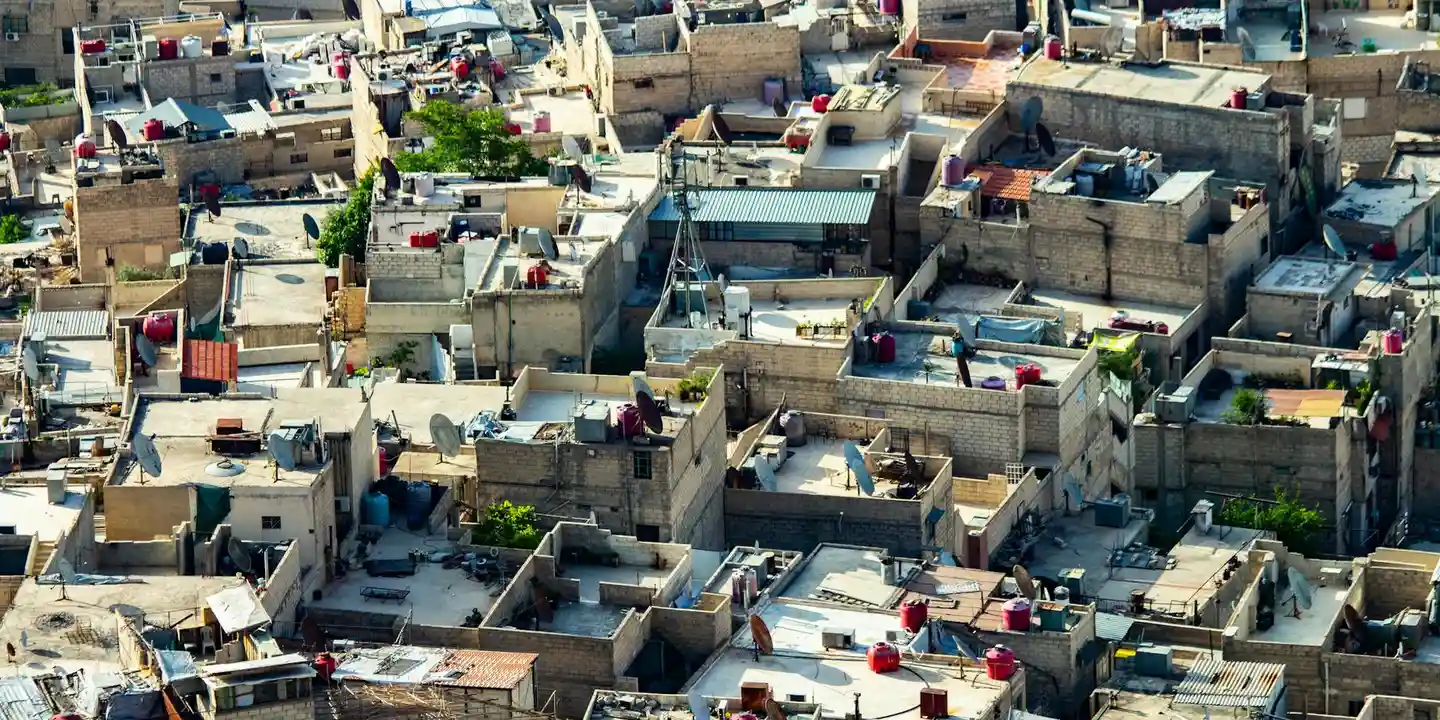
Flat roofs in snowy areas demand a proactive approach. Your primary maintenance tasks are controlling snow load and ensuring flawless drainage to prevent structural stress and water damage. For snow removal, clear it after any storm that drops more than 6 inches, or before a warm spell that could cause rapid melting and ice damming. I check my own rental property’s roof after every major snowfall.
Your Seasonal Maintenance Log
Think of this like changing your car’s oil. Regular, small efforts prevent a catastrophic failure.
Fall: The Setup for Success
This is your most important season. I always spend a fall weekend prepping my crew’s trucks and my own home.
- Remove all leaves, pine needles, and debris from the roof surface and drainage paths.
- Inspect the entire membrane for cracks, blisters, or any lifted seams.
- Run water through every drain and scupper to confirm there are no clogs.
- Trim back tree branches that could dump snow onto the roof or block sunlight.
Winter: Vigilant Monitoring
Your job is to manage weight and melt. I keep a roof rake by the back door all winter.
- Monitor snow depth after each storm. Plan to remove snow if it exceeds 8-10 inches of dry snow, or less for wet, heavy snow.
- Watch for ice dam formation at the roof’s edge. Address it quickly with a roof melt tablet, not a pickaxe.
- Keep snow cleared from around vents, skylights, and HVAC units.
Spring: The Reveal
Winter’s damage shows up now. I schedule a walk for all my clients as soon as the roof is dry.
- Inspect for new punctures, membrane splits, or seams that opened up from ice movement.
- Look for areas where water pools and doesn’t drain within a day.
- Reseal any minor flaws immediately, before summer heat expands them.
Summer: Repair and Protect
Use the stable weather for bigger fixes. This is when my crew does most coating work.
- Clean the roof surface of dirt and organic growth to maintain coating integrity.
- Apply a reflective coating if your system allows it. This can reduce thermal shock from freeze-thaw cycles.
- Check and tighten all flashings around pipes, vents, and parapet walls.
How to Remove Snow Safely
This is where many homeowners get hurt or cause damage. Your safety is more important than any amount of snow on the roof. If you must inspect or clear the roof, practice roof walking safety to prevent slips and falls. Always follow proper roof walking safety guidelines before stepping onto the roof.
Call a professional roofer if: the roof is too high to reach safely from the ground, the snow is layered with ice, or you see any visible sagging in the roof structure. When it comes to safely removing snow from your roof, it’s best to leave it to the experts.
If you remove it yourself, follow these steps:
- Use only an extended roof rake with a non-marking plastic blade. Never use a metal shovel or hoe.
- Stay firmly on the ground. Pull snow down in small, manageable layers, working from the edge inward.
- Clear a consistent strip, about 3 feet wide, along the entire roof edge. This creates a channel for meltwater to escape.
- Do not overexert yourself. The goal is to reduce weight, not achieve a perfectly clean roof.
Inspection Checklists to Catch Leaks Early
A small leak can rot a deck quickly. These two focused inspections are your best defense.
Pre-Winter Checklist (Late Fall)
- Surface Membrane: No cracks, tears, or alligatoring (a pattern of small cracks).
- Flashings: All metal where the roof meets walls is tight, with sealant that’s still flexible.
- Drains and Scuppers: Clear of debris. Covers are secure and not damaged.
- Sealant at Penetrations: Check around every pipe, vent, and cable. It should be soft, not brittle or cracked.
Post-Thaw Checklist (Early Spring)
- Inside Your Home: Check attic ceilings and top-floor walls for new water stains, drips, or a musty smell.
- Roof Deck (if accessible): Look for dark spots, sagging, or any signs of daylight piercing through.
- Roof Surface: Search for new punctures or tears, especially where snow and ice piled up.
- Ponding Test: After a rain, note any spots where water sits for more than 48 hours. Mark them for repair.
This routine requires discipline, but the payoff is huge. In my 20 years, I’ve seen this level of care reliably extend a flat roof’s life by 5 to 10 years in snowy regions. It transforms your roof from a liability into a durable, long lasting asset.
Building Codes and Smart Safety: Playing by the Rules
Local building codes are your first and best defense against a roof collapse. In snowy areas, these codes don’t just suggest how to build a flat roof, they demand it.
The code spells out exactly how strong every part must be, from the decking to the rafters underneath. This ensures your roof is built as a complete system to handle the weight it will see in winter, not just have a durable surface on top. Skipping this step is a major gamble.
What “Snow Load” Numbers Really Mean
You’ll hear terms like “30 psf” or “50 psf” (pounds per square foot). These are minimum design snow loads set by code. Think of it this way: a 30 psf load is like having a layer of water about 5 inches deep covering every single foot of your roof.
A 50 psf load is even heavier. For a typical 1,000 square foot roof, that’s 50,000 pounds of snow. That’s the weight of two fully loaded dump trucks sitting on your house. The code requires your roof structure to be engineered to hold that weight without bending or failing. A good contractor will calculate this, not guess.
Why the Permit Process is Your Friend
Always hire a contractor who pulls the proper local permits. I see homeowners try to avoid this to save time or money. It’s a terrible idea.
When a permit is pulled, the building department reviews the plans to ensure they meet code. Then, an inspector visits at key stages, like after the roof deck is installed but before the waterproofing goes on. This gives you a free, expert second set of eyes on the most critical structural parts of the job. It holds the crew accountable to a standard much higher than a handshake.
Safety Isn’t Optional, For Anyone
Flat roofs in snow country present real safety challenges, both during installation and later maintenance.
For installation, crews need proper fall protection even on a low-slope roof, especially with icy conditions. For maintenance, the dangers are different. Clearing snow or inspecting for ice dams is hazardous work. A thin layer of ice can make a flat surface a deadly slip-and-fall risk. Snow accumulation on roofs compounds these hazards and requires targeted safety measures. Understanding snow accumulation roof dangers guides safer removal and prevention.
This is a key reason to hire insured professionals for any winter work; they have the training and equipment to manage these risks, while a homeowner often does not. Your safety, and the safety of the workers on your property, depends on respecting these conditions.
Quick Answers
How often should snow be removed from a flat roof?
Don’t wait for a set schedule-remove snow based on its type and weight. Plan to clear it after any storm that drops over 6 inches of dry snow, or immediately if it’s wet, heavy snow.
What design modifications can make flat roofs more suitable for snow?
Three non-negotiable changes are: a reinforced structure engineered for your local snow load, a minimum 1/4″-per-foot slope to drains, and installing snow guards or heated cables at the edges. This transforms a basic roof into one designed to bear the load.
What maintenance is required for flat roofs in snowy climates?
Your job is vigilance. This means clearing drains before every storm, conducting thorough fall and spring inspections for membrane damage, and committing to professional snow removal when the load exceeds safe limits.
Making Your Flat Roof Snow-Ready
Your flat roof can handle heavy snow if it’s built with a slight pitch and superior drainage from day one. Choose materials rated for snow loads and partner with a contractor experienced in your climate to get this foundation right.
Treat your roof as a critical, living part of your home that demands your attention and respect. Commit to safe, seasonal inspections and keep learning from trusted guides on roof care for all types of roofs to ensure its performance for years to come.
Ray Huffington
Ray is an experienced roofer. He has worked as a general contractor in the roofing industry for over 15 years now. He has installed and repaired all kinds of roofs, from small houses to large mansion, and from basic shingles to cement and metal roofs and even solar roof panels. He has seen homeowners struggle with roofing questions and always has experience based proven advice to help those in need. If you need roof pros, Ray's your guide.