
How to Safely Use Your Chimney for Off-Season Storage
What do you do with your chimney all summer? I see them sitting empty on most houses I work on. You likely worry about causing a mess or a safety hazard. Done right, that space can work for you.
- I will show you how to prepare your chimney for storage safely.
- You will learn exactly what to store and what to keep out.
- I will give you my favorite practical storage ideas from past jobs.
Understanding Your Chimney: More Than Just a Smoke Stack
Think of your chimney like the layers on a good roof. A roof has shingles, underlayment, and decking. Your chimney has similar protective layers. The flue is the inner pipe or channel where smoke travels. The liner is the wall of that pipe, often made of clay or metal, that contains heat and gases. The crown is the concrete slab on top, like a small roof for the chimney itself. The flashing is the metal strip that seals where the chimney meets your main roof.
Knowing the difference between an unused chimney and an abandoned one saves you from big problems. An unused chimney is just that, you don’t light fires in it, but all the parts are still there and it’s connected to your house. A truly abandoned chimney has been professionally sealed at the top and bottom, often with a cap and insulation. If you’re not sure which you have, assume it’s just unused until a pro tells you otherwise.
From my years on roofs, the number one rule is simple. Any storage idea you have must leave the chimney’s structure and its job as part of your roof’s defense completely untouched. I’ve seen clever storage turn into a leaky mess when folks forgot this.
The Essential Pre-Storage Inspection: A Roofer’s Checklist
Your very first move is non-negotiable. Hire a certified chimney sweep or inspector. Do not skip this. This isn’t about making room for your holiday decorations. It’s about preventing a fire hazard or a roof leak.
When the inspector comes, they have a specific checklist. They will look for:
- Cracks or gaps in the flue liner.
- Dangerous creosote buildup from past fires.
- Damaged or corroded flashing around the chimney base.
- Crumbling mortar between the bricks or stones.
This inspection is a safety requirement, not a casual suggestion. A crack in the liner you can’t see could let heat into your walls. Bad flashing is a direct invitation for water to ruin your ceiling. I always tell my crew, a small fee for an inspection beats a huge bill for water damage.
Why the Flashing is Your Storage Project’s Most Critical Junction
Chimney flashing is the weatherproof seal where the vertical chimney meets the slanted roof. It’s a folded metal barrier that directs water away. This joint is one of the most common leak sources I repair, especially in areas where chimney flashing is damaged or improperly installed.
Adding any weight or drilling into the area around the flashing can easily crack the sealant or bend the metal. Once that seal is broken, water gets in. On a job last year, a homeowner installed a small shelf inside their chimney breast, and the vibration from drilling loosened the counterflashing. We had to fix a nasty leak in their living room.
When you get that inspection, point to the flashing and ask, “Is this 100% sound?” Make it a specific part of their report.
Signs Your Chimney Isn’t Fit for Storage
Some problems are clear warnings. If you see any of these, stop your storage plans immediately.
- Water stains or dampness on the wall around your interior fireplace.
- A missing or broken chimney cap on the roof.
- Visible cracks in the exterior masonry or on the chimney crown.
If any of these red flags are present, using the chimney for storage is off the table until a professional makes repairs. Storing items in a compromised structure just asks for more damage. I’ve had to tell clients this hard truth more than once, but it always saves them money in the long run.
Smart Storage Solutions: What to Put in Your Chimney (And How)
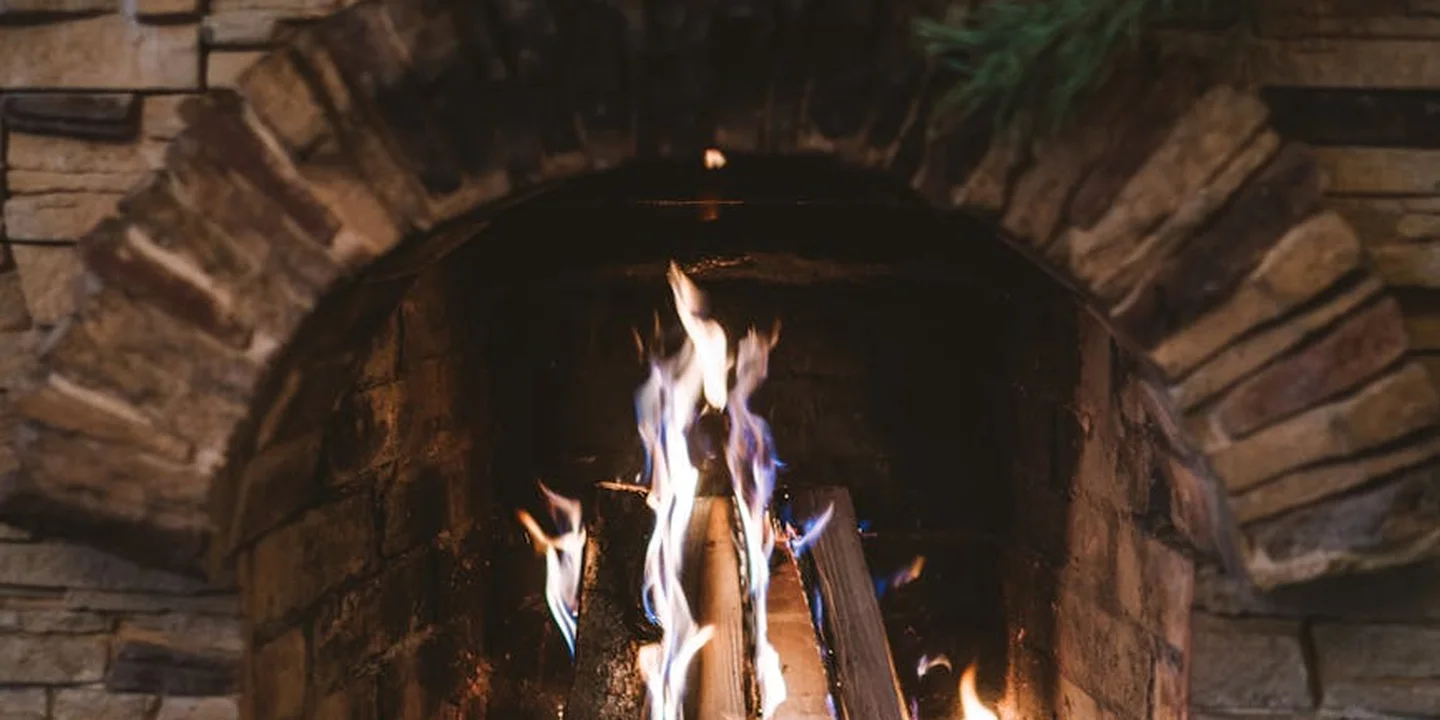
Think of your unused fireplace as a bonus closet. But it is a closet with special rules. You only store lightweight items you do not need every day. You will swap them out with the seasons. Most importantly, you should never screw, nail, or glue anything to the masonry or metal parts inside.
Anything you store must be easy to remove in minutes so your fireplace is ready for use or a professional inspection.
Idea 1: The Off-Season Decor Vault
This is the most common and sensible use. Your holiday decorations sit idle for 11 months a year. The fireplace is a perfect out-of-sight spot.
Always use sealed, clear plastic bins. You can see what is inside without opening them. This keeps out soot and dust.
Here is a tip from my own jobs: never place bins directly on the hearth. Old masonry can hold moisture. Place a small wooden pallet, a couple of 2x4s, or a few bricks on the fireplace floor first. Then set your bins on top. This creates a vital air gap.
That little air space prevents condensation from forming underneath your bins and protects your stored items.
Idea 2: The Contained Outdoor Gear Locker
In the winter, where do your summer things go? A clean, dry chimney can hold them. Think of rolled-up garden hoses, sealed bags of patio cushion covers, or camping gear like tents and sleeping bags.
The key word is “contained.” Use heavy-duty zippered bags or another sealed bin. This is not an open shelf.
I have to give a firm warning here. Never, ever store fuel cans, propane cylinders, paint thinners, or fertilizers. The risk of fume buildup or attracting pests is too high. If it has a scent or could leak, it does not belong in your chimney.
Idea 3: The Discreet Tool Nook
Long, awkward tools like brooms, rakes, or pool skimmers are hard to store. You can lean them neatly inside the fireplace opening.
Gather the handles and place the business ends on the hearth. Let them lean back against the inside wall of the firebox. This keeps them tidy and out of the way in a garage or shed.
A crucial caution: do not get clever with hooks. The damper assembly and the flue liner are not designed to hold weight. Hanging a shovel from the damper handle will bend or break it. That is a repair bill you do not want.
The Hidden Dangers: What Never to Store in a Chimney
This list is not a suggestion. It is a safety code from someone who has seen what can go wrong. Treat these rules as absolute.
Fire Hazards and Combustibles
Your chimney looks cold, but it is designed to handle extreme heat. Residual creosote on the flue walls is flammable. Even a small ember from a forgotten fire can be a problem.
- Paper Records, Books, or Magazines
- Cardboard Boxes (even if they seem empty)
- Paint, Gasoline, Kerosene, or Old Rags
- Wooden Crates or Excess Firewood
Storing kindling in a chimney is like storing it in an oven you forgot was on. The risk of spontaneous combustion is real, especially if the chimney gets warm from sun exposure or a nearby furnace vent.
Moisture-Sensitive and Valuable Items
Chimneys are not dry. They are damp, dusty, and acidic from old combustion byproducts. I have been on roofs where a single cracked chimney cap let in a gallon of water during a storm. That’s why sealing and waterproofing chimney roofs to prevent leaks is essential. A small fix now can keep water out and your attic dry.
- Photographs, Documents, or Artwork
- Electronics or Musical Instruments
- Clothing, Blankets, or Fabrics (unless in a sealed vacuum bag)
- Family Heirlooms or Anything Irreplaceable
A chimney is a vertical cave, not a climate-controlled storage unit. If a sudden rain shower would ruin it, the chimney is the last place it should be. Always prioritize safety and the preservation of your home and belongings over a bit of extra space.
Chimney vs. Attic: Which is the Better Storage Space?
Choosing between your chimney and attic for storage isn’t just about space. It’s about how each one affects your home’s structure and your belongings. From my years on roofing crews, I’ve seen the good and bad of both.
Let’s compare them on three key points: how easy they are to use, the environment inside, and what they do to your roof.
Access and Convenience Face-Off
Your chimney is easier to get to from inside the house. You just open the cleanout door or reach up the flue. The big catch is the space is very limited, often just a small, vertical shaft. You’re only storing things like a folded patio umbrella or a few holiday wreaths.
Attics have much more room. You can fit boxes and bins. But getting there means pulling down a ladder and climbing up. Once you’re in, you must walk only on the wooden rafters. Step on the insulation between them, and you could fall through the ceiling. I’ve been called to fix those holes more times than I can count.
The Temperature and Moisture Reality Check
Both spaces get very hot in summer and very cold in winter. They are not insulated living areas. Your attic traps heat under the roof deck. Your chimney is worse.
An unused chimney can act like a straw, pulling outside air down into your house. This downdraft brings in cold, damp air and moisture. Forget about storing books, photos, or electronics in either place; the temperature swings and humidity will ruin them. I had a client lose a box of vinyl records they thought were safe in the attic.
How Storage Affects Your Roof’s Health
Think about weight. Putting a few lightweight items in your chimney adds almost no stress to the structure. It’s like hanging a jacket on a strong hook.
Overloading an attic is a real problem. Piling too many boxes between the roof trusses can bend or strain them over time. I once saw a roof line start to dip because the attic was treated like a warehouse, disregarding the residential roof load limits.
Both spaces need clear airflow for your roof to breathe. Blocking soffit vents or chimney airflow traps moisture. That leads to mold on your roof deck and rot in the wood. I always check ventilation paths during my inspections.
Upgrading Your Chimney for Safe Storage: Caps, Liners, and More
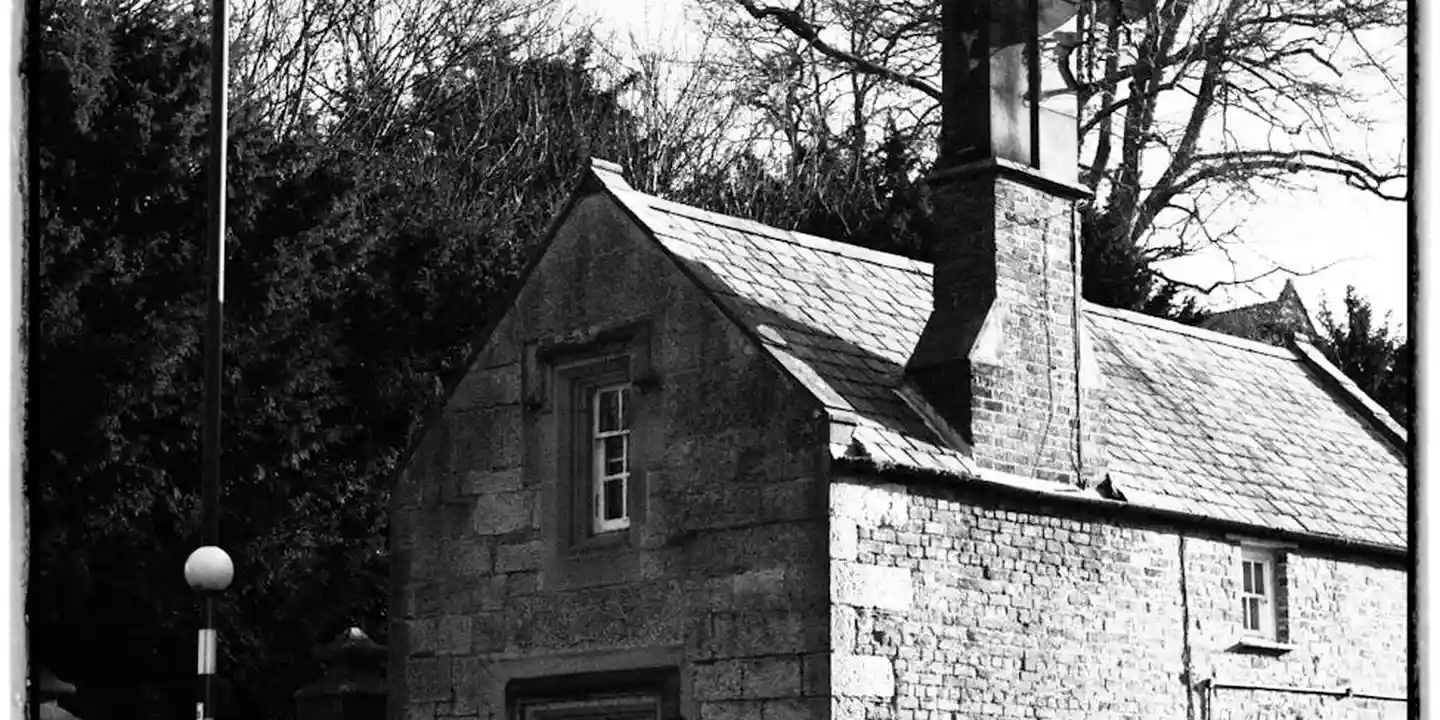
If you decide to use the chimney, treat it like a roof repair job. A couple of smart upgrades turn a risky space into a practical one. Proper flashing is essential to prevent leaks and water damage.
The Non-Negotiable: Installing a Quality Chimney Cap
This is the most important step. A chimney cap is a metal cover with mesh sides that sits on top of your chimney. It keeps rain, snow, birds, and leaves from getting in.
A good cap protects your stored items from water damage and stops animals from building nests on top of them. I’ve pulled out soggy, ruined boxes from chimneys that didn’t have caps.
For material, I recommend stainless steel. It lasts for decades without rusting through. Copper looks attractive but costs more and will develop a patina. Choose the one that will hold up best to your weather.
When a New Liner is a Must-Have
Many older chimneys have a liner made of clay tiles. Over time, these tiles crack. When they do, they can crumble and drop sharp pieces of ceramic down the flue.
Imagine storing a suitcase in there and having debris rain down on it. If your chimney inspection shows a damaged clay liner, you must install a new stainless-steel liner before you store a single thing. The new liner creates a smooth, sealed tube that contains any old debris and keeps your storage area clean.
Knowing Your Limits: When DIY Chimney Storage Isn’t Worth the Risk
Let’s get real for a minute. As much as I love a clever DIY project, some jobs belong to the pros. Turning an old chimney into storage almost always involves going onto your roof. That’s where you need to be brutally honest with yourself. This isn’t about skill, it’s about safety.
The Hazard Assessment: Pitch, Lines, and Height
Think of your roof’s pitch like a slide. A low, gentle slope is a sidewalk. A steep pitch is a waterpark slide. If you look at your roof and feel a knot in your stomach, listen to that feeling.
The moment you consider installing a custom chimney cap or checking the metal flashing around the base, you are committing to roof work. This isn’t a ground-level project.
I’ve turned down jobs because the risks were too high for my crew, let alone a homeowner. Here is what we look for:
- Steep Pitch: On a steep roof, a simple slip can become a fatal fall. There’s no recovering from it.
- Power Lines: If service lines run near or over your chimney, that’s an absolute stop sign. One misstep with a long piece of material is all it takes.
- Fragile Roofing: Old clay tile, wood shakes, or even weathered asphalt shingles can crack under your weight. Now your storage project just created a major leak.
So what does a pro have that you don’t? It’s not just knowledge, it’s specialized safety gear that isn’t sitting on a hardware store shelf.
- Proper fall-arrest harnesses tied to secure roof anchors.
- Roof jacks and planks to create a stable, level work platform.
- Specialized shoes with soft rubber soles that grip like a climbing shoe.
If you don’t own and, more importantly, know how to inspect and use this equipment, your roof is not your workspace.
When to Walk Away: Clear Limitations
Sometimes, the best move is to abandon the idea entirely. Your safety and your home’s integrity are worth more than a few square feet of storage.
If your chimney is connected to any appliance-like a furnace, boiler, or water heater-it is a live vent and completely off-limits for storage. Blocking it or altering it can push deadly carbon monoxide back into your home. Even when storing items near a chimney, it’s essential to follow safety guidelines for chimneys and flues.
Let’s say you get a pro to inspect it. If they find cracked masonry, rusted-through flashing, or a crumbling crown, your project just changed. The cost and effort to make the structure safe and watertight will almost always outweigh the small benefit of gaining storage space. You’d be spending thousands to fix a chimney so you can store a few patio cushions inside it.
I’ve given this advice to homeowners many times. Often, the smartest, safest, and most code-compliant use for an old, unused chimney is to have it professionally sealed at the top and the bottom. This eliminates a maintenance headache, prevents water intrusion, and seals off drafts. If the chimney is truly abandoned, removing or sealing off the wall cavity can further reduce risks. That extra step helps prevent moisture, mold, and pest intrusion behind the wall. The space inside the wall stays empty, and your house is better for it.
Common Questions
What’s the real weight limit for items stored in a chimney?
The rule is simple: if you can lift it with one hand easily, it’s probably okay. Never store anything that requires two people to move, as the firebox floor and damper aren’t built for heavy loads.
Is there a best time of year to install a chimney cap for storage?
Schedule it during dry, mild weather, just like any roof work. A pro can ensure a proper seal when the materials and the chimney masonry aren’t too hot or cold, preventing future leaks.
Will using my chimney for storage hurt my home’s resale value?
No, not if done correctly. A clean, capped, and intelligently used chimney shows maintained space. Just be prepared to empty it completely for the buyer’s inspection.
Building Roof Resilience Through Smart Practices
Your chimney can serve dual purposes without risk, but only if storage solutions are removable and leave critical components untouched. Understanding how chimney system components function helps guide safe, reversible storage and access. Knowing each part’s role keeps the system working smoothly. In my crew, we treat every roof access point as sacred, because protecting it means protecting the entire home.
Embrace your role as the first line of defense for your property with consistent, safety-first maintenance. Make a habit of learning about Roof Care, All Types of Roof Guide, Care, and Maintenance to ensure every decision supports a long-lasting roof. Prioritize roof repair safety practices like fall protection, ladder safety, and proper PPE.
Citations and Authoritative Sources
- How Chimney Safety (and Maintenance) Can Protect You This Winter – Badger Mutual
- Essential Tips for Chimney Safety During Extreme Weather
- Chimney Safety Tips » Full Service Chimney
- Best Practices for Fireplace Usage & Log Storage in the Winter – Centereach NY – Dunrite Chimney
- Chimney and Wood Stove Safety | Portland.gov
- Chimney Safety Information | New York State Chimney Sweep Guild
- How to Make Sure Your Fireplace & Chimney Are Safe
- Is Your Chimney Safe? | Napoleon
Ray Huffington
Ray is an experienced roofer. He has worked as a general contractor in the roofing industry for over 15 years now. He has installed and repaired all kinds of roofs, from small houses to large mansion, and from basic shingles to cement and metal roofs and even solar roof panels. He has seen homeowners struggle with roofing questions and always has experience based proven advice to help those in need. If you need roof pros, Ray's your guide.