
What Should You Look for in a Top Roofing and Waterproofing Company in Maui?
How do you find a roofing crew you can trust when the trade winds blow and the rain pours down on the Valley Isle?
Choosing the wrong contractor here can mean battling leaks and mold in no time. Based on my years repairing and replacing roofs across Maui, I can help you sort the pros from the problems.
I’ll explain the non-negotiable traits that define a quality Maui roofing and waterproofing company. You’ll get my straightforward assessment of specific contractors, including ‘A Cut Above Roofing’. I’ll finish with a practical vetting checklist I’ve used myself on countless jobs.
Key Takeaways: Finding Your Best Fit in Maui
Hiring a roofer here is different than on the mainland. You need a checklist that matches island life.
Your first step is always to verify their CCLB license and current insurance. I tell every homeowner this. Go to the Hawaii Department of Commerce and Consumer Affairs (DCCA) website and look up the contractor. Make them show you their Certificate of Insurance. A pro will have it ready. This protects you if something goes wrong.
Local experience with our weather is not a bonus feature, it is a requirement. A company new to the islands might not know how salt air changes which metal fasteners to use or how trade winds can sneak under a poorly sealed edge. Ask specifically about projects they have completed in your area and how they handled wind or salt concerns. They should have answers ready.
The estimate you get should tell a story. I have seen one-page quotes with just a total price. That is a red flag. A trustworthy contractor provides a detailed, written scope of work. This document should list every material by name and brand, the specific work to be done (like “replace all flashings”), and the cleanup process. If it is vague, ask for more detail. You are buying a system, not just shingles.
Some companies are true specialists. You might find a fantastic metal roof installer or a wizard with flat roof waterproofing. Others offer combined roofing and waterproofing services, which can be efficient for a full re-roof. Understand what the company focuses on and make sure it aligns with your project’s main need.
What Makes a Roofing Job in Maui Different?
Think of a Maui roof as gear for a tough environment, not just a pretty hat for your house. It faces a unique combination of forces every day.
The sun beats down year round. This intense UV exposure breaks down asphalt shingles faster here than in cooler climates. Salt spray from the ocean is corrosive. It can turn standard nails and flashings into rust in a few years. Then you have the trade winds. They are not just a breeze, they are a constant pressure testing your roof’s seals. And when it rains, it pours. Tropical downpours test a roof’s ability to shed water quickly and completely. This is why it’s crucial to choose coastal roofing materials designed to withstand salt, wind, and humidity for homes near the ocean.
Because of the wind, technical ratings matter. For asphalt shingles, you must look for the wind uplift rating (ASTM D7158). In most Maui zones, you will want shingles rated for Class F (150 mph) or higher, not the basic Class D (90 mph) common elsewhere. For metal roofs, the fastener schedule is everything. This means how many screws per panel and their placement. A proper island installer will follow a tighter, more robust pattern to keep the roof locked down.
Building codes can vary between Upcountry, coastal areas, and within HOA communities. A reputable local roofer knows the permit requirements for your specific zone. They handle pulling the permit, which is your assurance the work will be inspected. If a contractor suggests skipping permits to save time or money, that is a major warning sign.
From my crew’s perspective, these factors change everything we do. We choose materials differently. Aluminum or coated stainless steel hold up to salt. Concrete tile handles UV well but must be meticulously anchored for wind. We install differently. We use more sealant in critical areas, we pay obsessive attention to flashing details around roof penetrations, and we always assume water will try to blow uphill. A good Maui roof is built with respect for the elements.
The RoofMason Material Verdict for Maui Homes
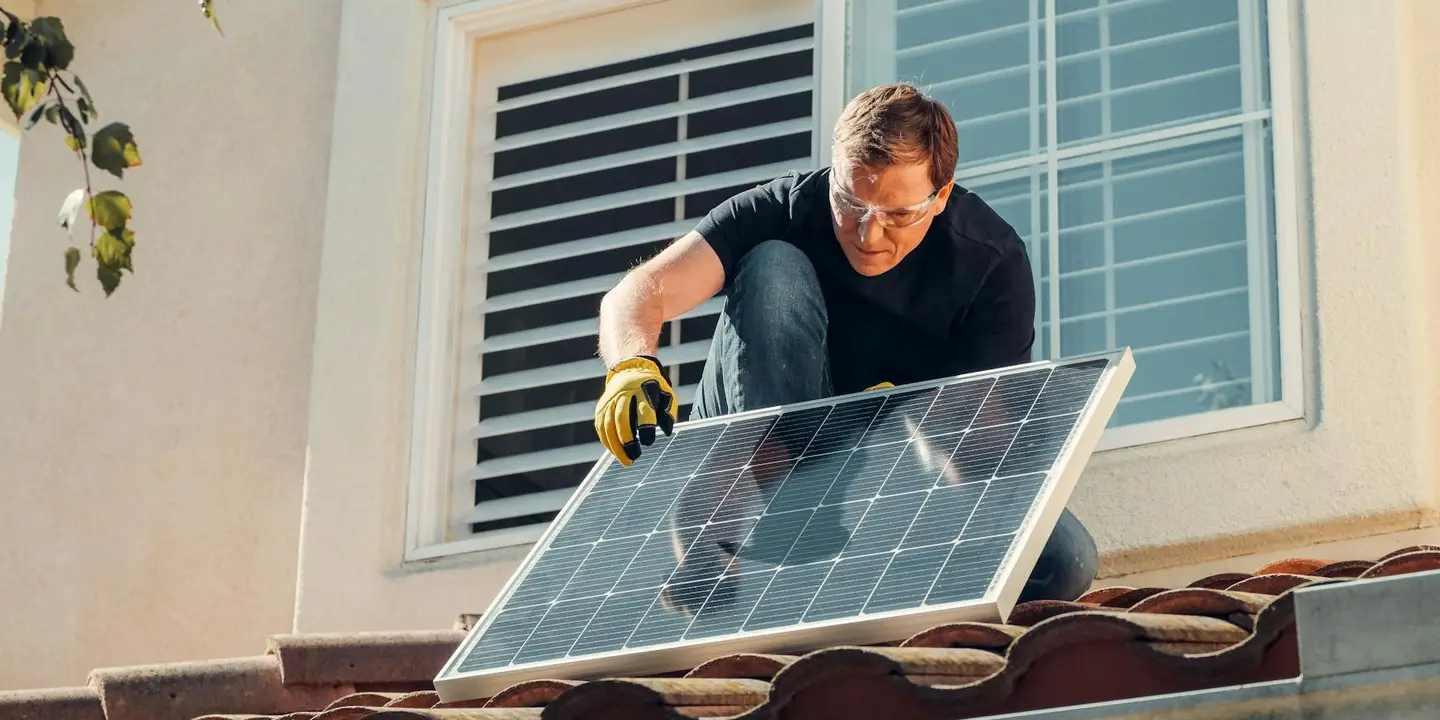
Picking a roof for your Maui house is a big decision. Our salt air, strong trade winds, and heavy rains chew up the wrong materials fast. I have replaced roofs that failed in under a decade because they used mainland specs. Let me walk you through the real-world performance of common options.
We will compare four material tiers you will see quoted here. Focus on how they handle our specific challenges.
| Material | Wind Resistance | Corrosion Resistance | Typical Lifespan in Maui | Relative Cost |
|---|---|---|---|---|
| Standard 3-Tab Asphalt | Basic. The flat tabs can catch wind and lift. I have patched many after tropical storms. | Poor. The asphalt is fine, but the protective granules wash away quickly in salty rain. | 12-18 years | Lowest |
| Architectural Asphalt | Good. The thicker, dimensional layers seal down better. It is my minimum recommendation for wind zones. | Fair. Better granule adhesion than 3-tab, but still degrades faster here than inland. | 22-28 years | Medium |
| Stone-Coated Steel | Excellent. The metal panels are lightweight and lock together. They handle gusts very well. | High. The stone granules and painted coatings protect the steel from salt. Check for coastal warranties. | 35-45 years | High |
| Standing Seam Aluminum | Superior. The raised, snapped seams let wind flow over. I have rarely seen one fail in a storm. | Exceptional. Aluminum naturally fights salt corrosion. It is the top choice for oceanfront homes. | 50+ years | Highest |
For the typical Maui home, not right on the coast, architectural asphalt shingles give you the best bang for your buck. The price jump to full metal is significant. Architectural asphalt delivers decades of reliable service for a cost that fits more budgets. In my experience, architectural asphalt provides the most practical balance of durability and cost for the majority of island neighborhoods.
Your roof is a system, not just shingles or panels. The underlayment and flashings are the critical waterproofing layer underneath. Think of it like a good rain jacket. The outer material sheds water, but the sealed seams and lining keep you dry.
Always use a synthetic underlayment, not felt paper. It resists tearing and provides a much better secondary barrier when wind driven rain gets under the shingles. For flashings around chimneys, valleys, and roof edges, insist on corrosion resistant metals. Aluminum or heavy gauge galvanized steel are my go to materials. Skimping on underlayment or flashings is the fastest way to a leak, no matter how good your shingles are.
How to Vet Any Roofing Company (From A to Z)
Choosing the right roofer feels like a big decision. It is. You are hiring a crew to protect everything inside your home from Maui’s weather. Do not just pick the first name in an online search or the lowest bid. A methodical approach saves you from headaches and heartaches down the road.
Follow this four step checklist. It works for any contractor, from the big island-wide operations to your trusted local specialist.
Step 1: The License & Insurance Non-Negotiables
This is your first and most important filter. Never, ever skip it. A handshake and a promise are not enough.
You must verify their Hawaii Contractor’s License through the Contractors License Board (CCLB) website before you talk about price. This isn’t just a formality. It means the state has verified their knowledge and they are legally accountable. Ask for their license number. Look them up. Make sure it’s active and in the correct classification for roofing. That verification also lays the groundwork for evaluating roofing contractor licensing contracts. When you hire, make sure the contract clearly states the licensed scope, timelines, payments, and warranty terms.
Insurance is your shield. You need proof of two types:
- General Liability Insurance: This protects your property if the crew accidentally damages your siding, windows, or landscaping. Without it, you could be arguing with the owner over your broken gutter.
- Workers’ Compensation Insurance: This is critical. If a worker gets hurt on your property and the company lacks this coverage, you could be held financially responsible for their medical bills. Ask for a certificate of insurance and call the provider to confirm it’s current.
Step 2: Decoding Reputation Beyond the Stars
A 4.5-star rating is a good start, but it’s not the whole story. You need to read like a detective.
Whether you’re looking at reviews for a company like “A & B Roofing” or “A 1 Roofing and Siding,” look for patterns, not just praise. Skip to the 3-star reviews. They are often the most honest. What are people consistently complaining about? Is it poor communication, missed timelines, or a messy cleanup?
Pay close attention to how the company responds to negative reviews. A professional, solution-oriented reply tells you they stand behind their work and care about their reputation. Look for specific mentions of how they handled a leak after the job or fixed a mistake. That real-world problem-solving is more valuable than a dozen “great job!” comments.
Step 3: The On-Site Estimate Interview
A serious roofer will always want to see your roof in person. This is your chance to interview them. Have your questions ready.
- “How many roofs like mine (clay tile, metal, asphalt) have you installed in the last year?”
- “Will your own crew be doing the work, or will you subcontract it?”
- “What is your estimated start and completion date? How do you handle afternoon rain showers to keep my home dry?”
- “How will you protect my property and where will you dispose of the old roofing materials?”
- “Can you provide local references from recent jobs I can drive by and see?”
Watch how they assess your roof. A good roofer will point out issues you didn’t see and explain options clearly, without using high-pressure sales tactics, especially when discussing financing options for roof replacement.
Step 4: Understanding the Proposal
The estimate should be a detailed, written document, not a number scribbled on a business card. If it’s vague, walk away.
Your contract is your roadmap for the entire project and your only real guarantee if something goes wrong. It must specify every material by brand, style, and color (e.g., “GAF Timberline HDZ Charcoal shingles”). It should list all work to be done, including drip edge installation, underlayment type, and vent replacements.
It must have a clear payment schedule. Be very wary of any company demanding full or half payment upfront. A standard schedule might be a deposit to secure materials, a progress payment, and a final payment upon your satisfactory completion walk-through.
Finally, get all warranty information in writing. This includes the manufacturer’s warranty on the materials and the contractor’s warranty on their workmanship. Know what each covers, and for how long.
A Close Look at ‘A Cut Above Roofing’ and Maui Contenders
You might be asking, “Is ‘A Cut Above Roofing’ a good roofing company?” or “What about Maui Roofing Pros?” Instead of just naming names, I’ll give you the same checklist I use when sizing up any crew. Think of it like hiring a new team member. You check their resume, their past projects, and what the other guys on the job say about them.
The 4-Point Checklist for Any Maui Roofing Company
Use this framework on every contractor you call. It turns a confusing choice into a simple interview.
1. Services & Specialization
First, figure out what they actually do. A jack-of-all-trades isn’t always the master you need.
- Residential vs. Commercial: A company that mostly does big warehouse roofs might not be the best fit for a delicate historic home repair. Always ask about their primary focus.
- Repairs vs. Full Reroofs: Some crews are set up for large, quick tear-offs. Others excel at the detective work of finding and fixing a single leak. Make sure their strength matches your job.
- Complementary Services: Companies that also handle siding, gutters, or windows (like an “A-1 Siding and Roofing” model) can be convenient. Just verify their roofing work is the main event, not a side hustle. I’ve seen jobs where the gutter crew, trying to be helpful, damaged a brand-new roof edge.
2. Local Track Record
Maui’s weather is its own beast. Trade winds, salt air, and intense sun create problems a mainland roofer might not see for years.
- Years in Business Here: How long has their physical office been on island? A long local history often means they’ve weathered a few storms and stood by their work.
- Ask for “Neighborhood Photos”: Any reputable company can show you a portfolio of stunning jobs. Go further. Ask them, “Can you show me completed projects in my area?” Seeing a roof they did in your own community, facing the same elements, is powerful proof.
- Material Knowledge: Do they understand which metal alloys hold up best to salt spray? Do they know the right underlayment for our wind-driven rain? Their answers should be specific to Maui.
3. Warranty Structure: The Two-Layer System
This is where homeowners get tripped up. There are two completely different warranties, and you need both.
Imagine buying a premium paint. The can has a warranty against fading (the manufacturer’s material warranty). But that warranty doesn’t cover the painter who applied it too thin or missed spots. That’s a separate workmanship warranty from the contractor.
- Manufacturer’s Warranty: Covers defects in the shingles, metal panels, or tiles. Its length (25 years, 50 years) often depends on the contractor being “certified” to install it correctly. Ask, “Are you a certified installer for this product?”
- Contractor’s Workmanship Warranty: This is their promise that the installation won’t fail. It covers leaks from nail placement, flashing errors, or improper sealing. A strong workmanship warranty (5 years, 10 years, or more) is a sign the company trusts its own crew’s skill. Get the details in writing.
4. Community Standing
Paperwork and portfolios look good. Real-world reputation is what seals the deal.
- Local Associations: Membership in groups like the Maui Chamber of Commerce or building industry associations suggests a commitment to the community, not just a quick job.
- The Word-of-Mouth Test: This is your most powerful tool. When you get a quote, ask the estimator, “Can you provide references from two recent jobs similar to mine?” Then, actually call them. Ask the past customer: Was the crew clean? Did they show up on time? How did they handle surprises? Listen for stories, not just a “yes, they were good.”
- Online Reviews with a Grain of Salt: Read them, but look for patterns. One bad review might be a personality clash. Ten reviews mentioning the same communication problem is a red flag.
Applying the Framework to Local Names
Let’s say you’re looking at ‘A Cut Above Roofing,’ Maui Roofing Pros, or Aloha Roofing & Construction. Don’t just take their word at face value. Run them through your checklist.
For a company like ‘A Cut Above,’ your questions might be: “What percentage of your work is residential reroofing versus repairs? Can I see a project you completed in Upcountry last year? What is the specific length and coverage of your workmanship warranty? Are you involved with any local trade groups?”
You do the same drill for the next two companies. This process isn’t about finding the one “best” company. It’s about finding the company that is the best fit for your specific home, your project, and your need for trust. The right crew will have clear, confident answers to every point on your list.
Navigating Waterproofing Needs in Maui
Waterproofing here means more than just your roof. In Maui’s climate, it’s a shield for every part of your home that touches or holds back water. This includes your lanai deck, your home’s concrete foundation, and any below-grade walls like those in a walk-out basement.
If water can pool against it or seep through it, it needs a proper waterproofing strategy. A great roofing job can be undone by a leaking lanai above it, especially in vulnerable areas like roof valleys.
Key Waterproofing Services Explained
Quality contractors typically offer a few main methods. Knowing the basics helps you understand their proposals.
- Membrane Systems: Think of these as a seamless, rubberized sheet. They’re rolled or adhered onto surfaces like flat lanai decks or foundation walls. A well-installed membrane is like a durable raincoat for your home’s structure.
- Liquid-Applied Coatings: These are thick, paint-like products that cure into a continuous, elastic membrane. They’re excellent for complex shapes or details where rolling out a sheet is tricky. The key is applying the right thickness.
- Drainage Plan Integration: This is the most critical part. Waterproofing isn’t magic, it’s management. Any system must include a clear plan for where water goes. This means proper slope, drains, and sometimes drainage mats behind walls to relieve pressure.
Questions to Ask Your Waterproofing Contractor
Your goal is to find out how thorough they are. Here’s what I would ask.
- “What is your step-by-step process for preparing the substrate (the concrete or wood surface)?” The right answer involves cleaning, repairing cracks, and sometimes priming. This step is 80% of the battle.
- “Can you provide the technical data sheets for the products you’ll use?” Reputable brands like Tremco or Carlisle have these. It tells you the product’s capabilities and required application.
- “What is the specific warranty on the waterproofing system itself?” Get this in writing. A 10-year material and labor warranty on the waterproofing is a good sign. Understand what it covers and, just as importantly, what voids it.
Finding a Contractor Who Does Both
Many homeowners ask if they need separate roof and waterproofing teams. The answer is sometimes no. A skilled roofing company that understands full building envelope protection often excels at waterproofing too. They see how all the pieces connect.
A company like ‘A Cut Above Roofing’ is a good example of this dual expertise. They handle the roof but also understand that the lanai deck membrane tying into the wall flashing is part of the same water-shedding system. When talking to any contractor, ask to see photos of their completed waterproofing projects, not just roofs. Their answer will tell you everything. That knowledge also extends to roof construction methods—how flashing, underlayment, and deck details work together. We’ll cover those roof construction methods in the next steps.
The Final Inspection: Your Checklist Before You Sign
Paperwork is the last line of defense before a project starts. Getting it right prevents headaches later. I treat this like my own final walk-through before handing a crew the keys.
Here is your non-negotiable checklist. Do not move forward until every box is checked.
The Must-Have Documents
This is your proof of a legitimate business. Anyone can print a nice flyer.
- Verified CCLB License Number: Do not just write down the number. Go to the Hawaii Contractors License Board website and search for the contractor. Confirm the license is active, in the correct classification (C-5a for roofing), and has no serious complaints.
- Insurance Certificates Received: You need proof of both Workers’ Compensation and General Liability insurance. Ask for the certificates to be emailed directly to you from their agent. This protects you if a worker is injured on your property.
- Detailed Written Contract: A contract is a map of the job. If it’s not written down, it’s not promised. It must list the exact materials (brand, style, color), the scope of tear-off, all flashings to be replaced, and the disposal method for old materials.
- Clear Warranty Documents: You should get two warranties. The manufacturer’s warranty for the shingles or metal, and the contractor’s workmanship warranty. Read them. Know what voids them and how long they last.
The Project Blueprint
These details separate a smooth project from a chaotic one. Vagueness here is a major red flag.
- A Defined Start/End Date and Cleanup Plan: A professional gives you a schedule, not a guess. The contract should state a projected start date and duration. The cleanup plan should specify daily debris removal and a final magnet sweep of your property to pick up nails.
- A Plan for Inclement Weather: Maui weather can change in an instant. Ask, “What is your procedure if it rains mid-tear-off?” A good crew will have tarps ready and a plan to secure the house at the end of each day, no matter the forecast.
My final piece of advice is simple. If something feels off in the communication now, it won’t get better when the crew is on your roof. Trust that instinct. You are hiring a partner for a major investment. The conversation should be clear, prompt, and professional from the very first estimate to the signing of the contract.
Common Questions
What’s the most important roof maintenance I can do myself?
Keep your gutters and roof valleys clear of leaves and debris. This prevents water from backing up under your roofing materials, which is a prime cause of leaks here, especially if your gutters are old or damaged.
What’s the first sign I need a waterproofing contractor, not just a roofer?
Look for moisture or mold on interior walls or ceilings, especially under lanais or on lower levels. This often points to a failing membrane or foundation seal, not a roof leak.
Can one company handle both my roof replacement and lanai waterproofing?
Yes, but verify they have specific, proven experience with both. A true building envelope specialist will show you photos of completed waterproofing projects, not just roofs.
Securing Your Home with the Right Roofer
Your roof’s job is simple: it must stand up to Maui’s specific weather, year after year. Choosing a roofer who truly understands that local challenge and uses proven materials is your single most important decision. Get that right, and everything else follows.
Stay involved with your roof’s care by scheduling regular visual checks, especially after heavy winds or rain. This blog is here to help you build that knowledge, with more guides on Roof Care, All Types of Roof Guide, Care, and Maintenance whenever you need a reliable source.
Ray Huffington
Ray is an experienced roofer. He has worked as a general contractor in the roofing industry for over 15 years now. He has installed and repaired all kinds of roofs, from small houses to large mansion, and from basic shingles to cement and metal roofs and even solar roof panels. He has seen homeowners struggle with roofing questions and always has experience based proven advice to help those in need. If you need roof pros, Ray's your guide.