
How Do You Pick the Right Metal Roof for Your Home?
Staring at your old roof and wondering if metal is the right fix? I’ve swapped out countless roofs, and the right choice boils down to knowing your options in types, materials, and styles.
You want a roof that lasts for decades and looks great, but the variety can be confusing. Let’s simplify it.
I’ll break down the main metal roof types, like standing seam and corrugated, and where each one works best.
We’ll compare the common materials, from affordable steel to rust-proof aluminum and premium copper.
Then, I’ll show you how modern styles can mimic traditional shingles or create a sleek, contemporary look.
Key Takeaways: Your Metal Roof Cheat Sheet
Before we get into the details, here is your quick-reference guide. Think of this as the notes I’d hand to a homeowner before we start a project.
You have four main material choices. Steel, aluminum, copper, and zinc alloys are the primary metals used for residential roofing.
These materials come in three main style categories. Standing seam, corrugated, and metal shingle or tile profiles give you different looks and performance features.
A properly installed and maintained metal roof is a multi-decade investment, with lifespans commonly ranging from 40 to over 70 years. When comparing longevity and value, many homeowners weigh metal against asphalt shingles to see which option offers the best long-term return. This perspective helps balance upfront costs with decades of durability and reduced maintenance.
The upfront cost is higher than asphalt shingles. You are paying for extreme durability and longevity, which provides value over the full life of the roof.
More than almost any other roof, the final performance hinges on the installer’s skill. A bad metal roof installation leads to leaks, noise, and premature failure.
The Core Metals: What Are Metal Roofs Made Of?
When homeowners ask me ‘what are metal roofs made of,’ they’re often surprised it’s not just one thing. The base metal defines its core personality, strength, and best use.
What are metal roofs made out of in most homes? The answer is almost always coated steel. But other metals solve specific problems. Let’s break down your options.
Galvanized and Galvalume Steel: The Workhorse
On most residential jobs I’ve overseen, we use steel. It’s strong, cost-effective, and versatile. But bare steel rusts. That’s why it always gets a protective skin.
Galvanized steel has a zinc coating. Galvalume steel has a coating of zinc and aluminum. Both fight off rust, but Galvalume generally lasts longer, especially at the cut edges.
Yes, there are different grades and gauges of metal roofing, which refers to the thickness and strength of the steel. A lower gauge number means a thicker, heavier panel. For a home, you typically want a 24 or 26-gauge panel. Thicker 22-gauge is for severe weather or commercial buildings. Always ask your contractor what gauge they are using.
Aluminum: The Coastal Champion
If your home breathes salt air, aluminum is your best friend. Unlike steel, it doesn’t need a metallic coating to resist corrosion. It naturally fights off salt spray and industrial pollution.
It’s lighter than steel, which is a plus for some roof structures. The trade-off is that it’s generally softer and can dent more easily from hail or fallen branches.
This leads directly to another common question: are most mobile homes made with aluminum roofs? Yes, they almost always are. The reason is weight. Aluminum’s light weight puts less stress on the mobile home’s structure, making it the standard, sensible choice.
Copper and Zinc: The Legacy Metals
These are the artisan materials. I’ve only installed a handful of copper roofs in my career, and each one was a special project. You pay a premium, but you get a living, changing roof.
Copper and zinc alloys develop a patina. This thin surface layer is not rust; it’s a stable coating that actually protects the metal underneath. If scratched, the patina slowly “heals” itself over time.
A copper or zinc roof is a statement piece that can last for a century, evolving from a bright metallic shine to a stately green or gray-blue. The cost is very high, and installation requires a crew experienced with these soft metals. It’s less about basic shelter and more about creating a lasting architectural legacy.
Beyond the Sheet: Understanding Metal Roof Styles and Profiles
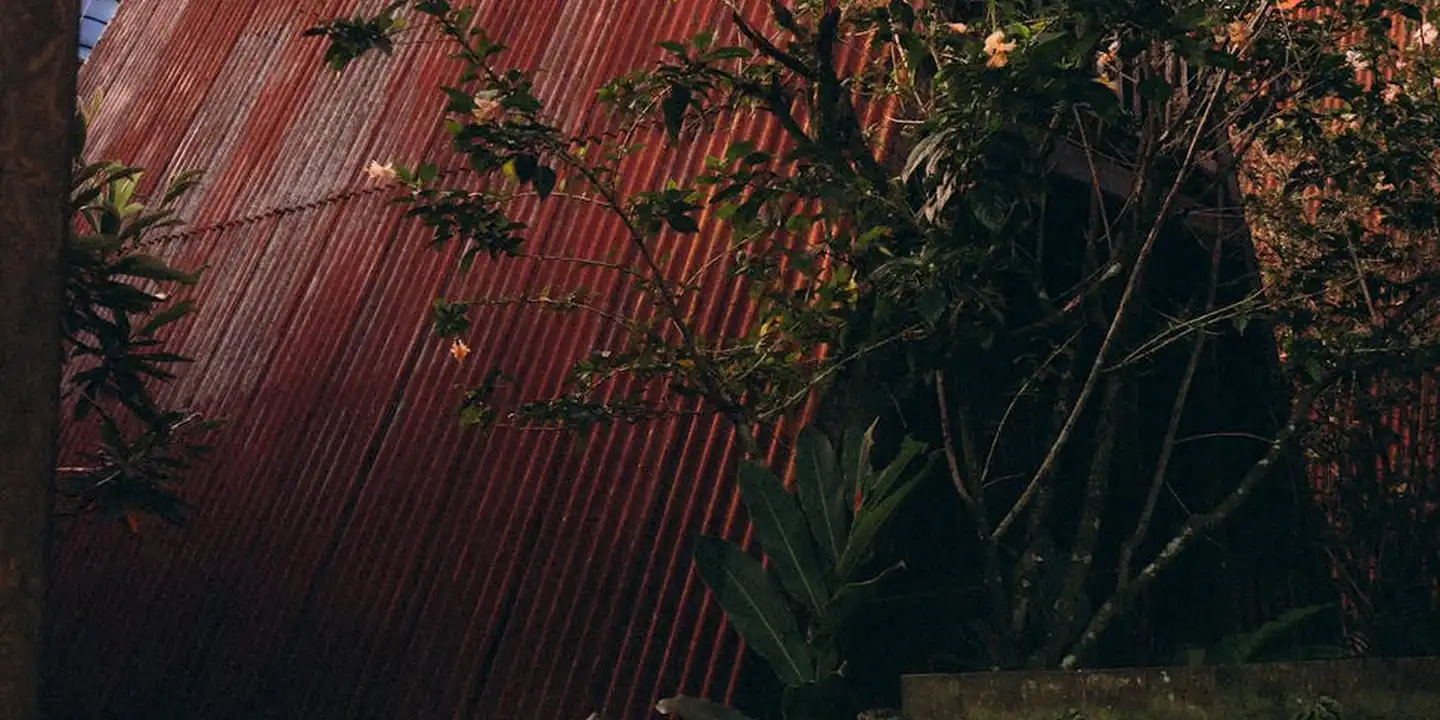
Let’s clear up a common point of confusion. The metal itself (like steel or aluminum) is the material. The shape of the panels and how they lock together is the style or profile.
It’s like the difference between cotton (the material) and a t-shirt or dress shirt (the style). You need to pick both. When people ask ‘what are metal roofs called,’ they’re usually asking about these styles.
The three main families are Standing Seam, Corrugated/R-Panel, and Metal Shingles.
Standing Seam: The Modern Standard
Picture long panels with raised seams running vertically up your roof. The magic is in those seams. They interlock, and the fasteners that hold the roof down are hidden underneath them.
This design is a game-changer for durability. Because no fastener heads are exposed to rain and sun, there are fewer places for leaks to start. The seams also allow the metal to expand and contract on hot and cold days without stressing the panels.
From my experience on crews, a properly installed standing seam roof is about as watertight and low-maintenance as a roof can get. It has a clean, crisp look that works on modern and traditional homes alike.
Corrugated and R-Panel: The Classic Ribbed Look
This is the style you picture on a classic barn or workshop. It has a distinct wavy (corrugated) or ribbed (R-Panel) pattern. The fasteners here are exposed, screwed directly through the panel and into the roof deck.
That exposed fastener detail is the key trade-off. It’s a simpler, less expensive installation method. The cost is lower upfront, but those exposed screws need checking and tightening every few years as the roof expands and contracts.
It offers fantastic industrial charm and is incredibly strong. For a garage, shed, or a home aiming for that rustic, utilitarian vibe, it’s a solid and budget-friendly choice.
Metal Shingles and Tiles: The Disguised Masters
This is where metal gets clever. Instead of big panels, the metal is pressed and formed into smaller, individual units that look just like traditional roofing materials.
You can get metal shingles that mimic the texture of wood shakes, the dimensional look of slate, or the curves of clay tile. From the street, most people would never guess it’s metal.
You get the legendary longevity and fire resistance of metal with the classic curb appeal of other premium materials. It’s often easier to install on complex roof shapes compared to long panels. If you love the look of slate but not the weight or price, this is your best alternative.
The RoofMason Material Verdict: Metal vs. The World
Choosing a roof is about balancing your budget against the protection you need. I’ve installed all the materials on the table below. This side-by-side look shows you where each one truly shines.
| Feature | Standing Seam Steel | Asphalt Shingles | Natural Slate |
| Cost | High initial cost, but strong long-term value. | Lowest upfront cost. | Very high cost for material and expert installation. |
| Weight | Lightweight, rarely needs extra support. | Light to moderate weight. | Extremely heavy, often requires roof framing upgrades. |
| Lifespan | 40-70+ years with proper care. | 12-25 years, depending on quality. | 75-150+ years, can outlast the house. |
| Fire Rating | Class A (non-combustible). | Class A (fiberglass mat is fire-resistant). | Class A (stone cannot burn). |
| Hail Resistance | Excellent with thicker gauges (24-gauge or lower). | Poor; severe hail causes bruising and granule loss. | Good, but large hail can crack individual tiles. |
| Best Climate Fit | Superior in high-wind, hail-prone, and snowy areas. | Best for mild climates without extreme weather. | Ideal for stable climates; freeze-thaw cycles can damage it. |
Breaking Down the Comparison
Cost is more than just the price tag on day one. Think of metal as a one-time major purchase and asphalt as a recurring expense you’ll face two or three times. Slate is a luxury heritage material, priced like one.
Weight matters for your home’s structure. An old house might need thousands in reinforcement to hold a slate roof. Metal and asphalt usually go right on top of the existing rafters, which saves you money and hassle.
Lifespan is where the math changes. A 50-year metal roof costs more now but spreads that cost over decades. You’re buying peace of mind and skipping future re-roofing projects.
Fire rating is a safety checkmark. All three get a top Class A rating. The difference is that metal and slate are inherently non-combustible, while asphalt shingles achieve their rating through materials layered on a combustible base.
Hail resistance is a practical concern. In my experience, a quality steel roof shrugs off hailstorms that would total an asphalt roof. You’ll see dings, but leaks are very rare. Slate is tough but brittle, so it can crack under a direct, heavy hit.
Best climate fit decides the winner for your home. Your local weather is the final judge. A material that’s perfect in Arizona might be a poor choice in Minnesota.
Where You Get the Best Bang for Your Buck
Choose standing seam metal if you live where storms are common. This is its best value scenario. The upfront cost pays for itself in durability when facing frequent hail, high winds, or heavy snow. The interlocking seams prevent wind uplift, and snow slides right off.
Stick with asphalt shingles if your climate is mild and your budget is tight. For a quiet suburban neighborhood without extreme weather, a good architectural shingle roof is a sensible, affordable choice. Just plan to replace it sooner.
Invest in slate only for a historic home or a forever home in a calm climate. The value is in the unparalleled lifespan and timeless look, not cost savings. It’s for homeowners who view the roof as a century-long legacy, not just shelter.
Crunching the Numbers: Metal Roof Costs and Lifespan
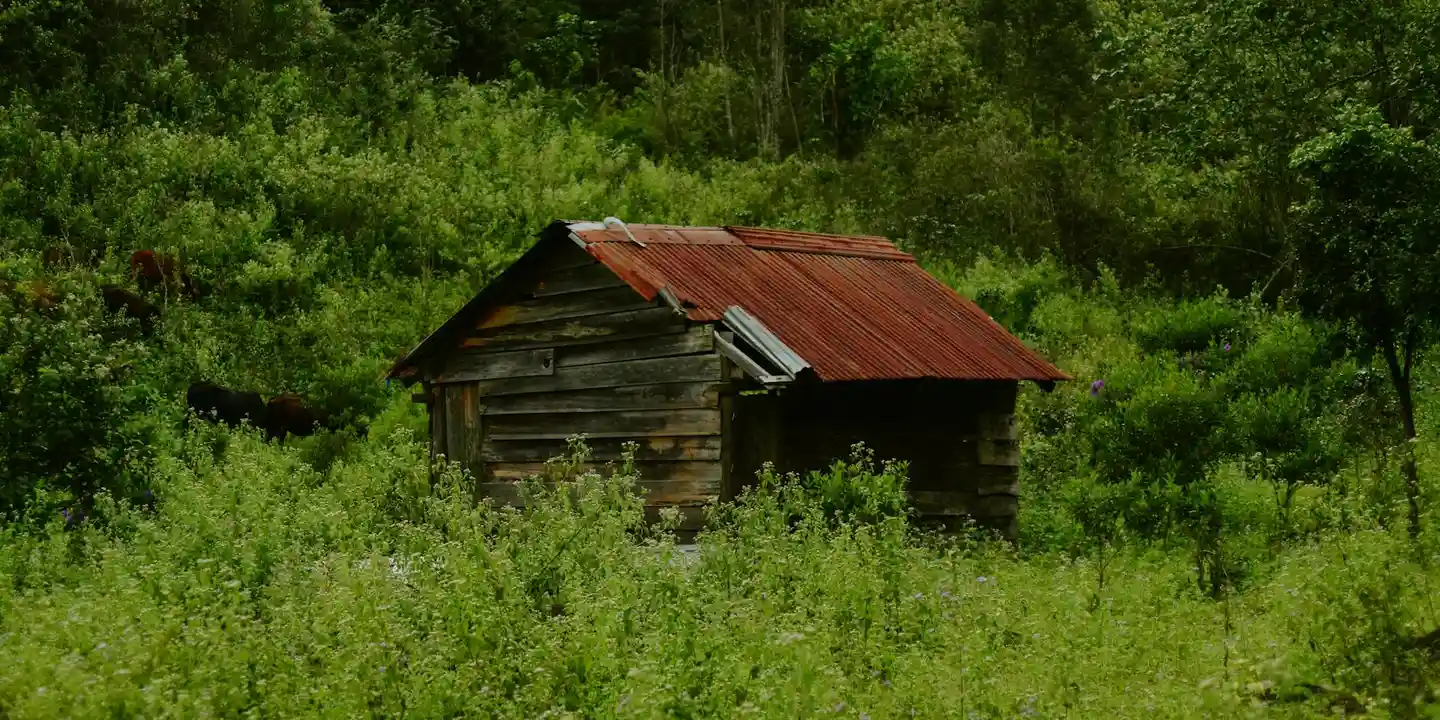
You’re looking at a metal roof. The sticker price might give you pause. Let’s talk real numbers so you can see the long-term value, not just the upfront cost.
How do metal roof costs compare for different materials?
Material choice is your biggest price driver. It’s the difference between a reliable work truck and a luxury sedan.
- Corrugated Steel/Galvalume: This is the most budget-friendly start. You can expect $8.50 to $12.50 per square foot installed. It’s the durable baseline.
- Painted/Stone-Coated Steel: This is where most homeowners land. With its painted finish for color and enhanced rust protection, prices range from $12 to $18 per square foot.
- Aluminum: A great choice in coastal areas for its salt-air resistance. It typically costs $14 to $22 per square foot.
- Copper or Zinc: These are the premium, lifetime materials. They start around $25 per square foot and can go much higher. You’re paying for a roof that will last over a century and develop a beautiful patina.
How long does a metal roof typically last?
This is where the math gets compelling. A properly installed, quality metal roof is a 40 to 70-year investment. Most carry warranties for 30 to 50 years.
Compare that to the best asphalt shingles, which you’ll replace every 15 to 25 years. Over a 50-year span, you might replace an asphalt roof two or three times, while your metal roof quietly does its job. That long-term savings on material and labor is huge, especially when considering cost, durability, and aesthetics.
What Else Changes the Final Price?
The material cost is just one piece. Your roof’s specific details will adjust the final quote.
- Style Matters: Simple corrugated panels cost less to fabricate and install than a standing seam roof with its complex seaming. Snap-lock panels are generally more affordable than mechanical lock systems.
- Your Roof’s Shape: A simple, wide-open gable roof is a roofer’s dream. It’s fast. Add in dormers, valleys, skylights, steep pitches, or multiple levels, and the labor time and complexity (and cost) increase.
- The Underlayment: Don’t skimp here. A high-quality synthetic underlayment adds to the cost but is your last line of defense against leaks. It’s worth it.
Always get a detailed, line-item quote that breaks down material, style, and labor. This lets you see exactly what you’re paying for and compare bids fairly.
Choosing Your Metal Roof: Key Factors for Your Home
Picking the right metal roof is more than just color choice. Think of it like buying boots. You need the right fit and material for the terrain you walk in every day. Use this checklist before you talk to a contractor.
- What is my local climate like? (Coastal, snowy, hail-prone, etc.)
- What is the architectural style of my home? (Traditional, modern, farmhouse)
- What is the pitch, or slope, of my existing roof?
- What is my total budget, including installation?
- How long do I plan to live in this home?
Your Local Climate: The Biggest Decider
Your weather should be your first guide. A roof that’s perfect in Arizona might fail in Maine. I’ve seen this mismatch cause premature wear.
For homes near the ocean, choose aluminum. Aluminum naturally resists salt spray corrosion. Steel, even coated steel, will rust faster in that salty air.
In heavy snow country, a strong, slippery steel panel is your best friend. The strength handles snow load, and the smooth surface helps snow slide off safely.
If you live in hail alley, ask about UL 2218 or FM 4473 ratings. A Class 4 rating is the highest impact resistance. It means the panel can withstand a 2-inch steel ball dropped from 20 feet without puncturing.
Wind is another critical factor. Your roof must meet local building codes for wind uplift. This isn’t optional. A proper metal roof installed with the correct fasteners and clips can often withstand winds far exceeding 100 mph.
Your Home’s Architecture and Slope
Not every metal roof style looks right on every house. A standing seam roof with vertical lines often fits modern or contemporary homes beautifully. It looks clean and intentional.
For a classic Cape Cod or colonial, metal shingles or tiles that mimic slate or wood shakes can be perfect. They give you the historic look with modern durability. I once installed copper shingles on a historic district home, and the preservation society approved it.
Your roof’s slope is a hard technical limit, not just a style choice. Most metal panel systems have a minimum pitch requirement. If your roof is too flat, water can seep under the seams.
Here’s a simple guide:
- Standing Seam: Can often be installed on pitches as low as 1/4:12 (that’s very flat) with special seals.
- Corrugated or 5-V Crimp Panels: Typically need a pitch of 3:12 or steeper.
- Metal Shingles/Tiles: Usually require a 3:12 pitch or more.
If your roof is very low-slope, talk to an expert. The wrong choice will guarantee leaks.
Your Budget and Long-Term Plans
Metal roofing has a higher upfront cost than asphalt shingles. But you must measure cost over time, not just on day one. A quality metal roof should last 40 to 70 years, while asphalt lasts 15 to 25, which is one important factor in assessing the cost, durability, and maintenance between the two materials.
Think of the extra cost as buying your last roof. If you plan to stay in your home for 20+ years, metal often makes financial sense. You avoid the cost and hassle of a second replacement.
If you might sell in 5 years, the math changes. You may not recoup the full investment, though a good metal roof can boost curb appeal.
Call your home insurance agent. Many companies offer a discount of 5% to 15% for a Class A fire-rated metal roof. It’s non-combustible, which lowers their risk. That annual savings helps offset the initial price over the years.
The Installation Process: What to Expect from Your Roofer
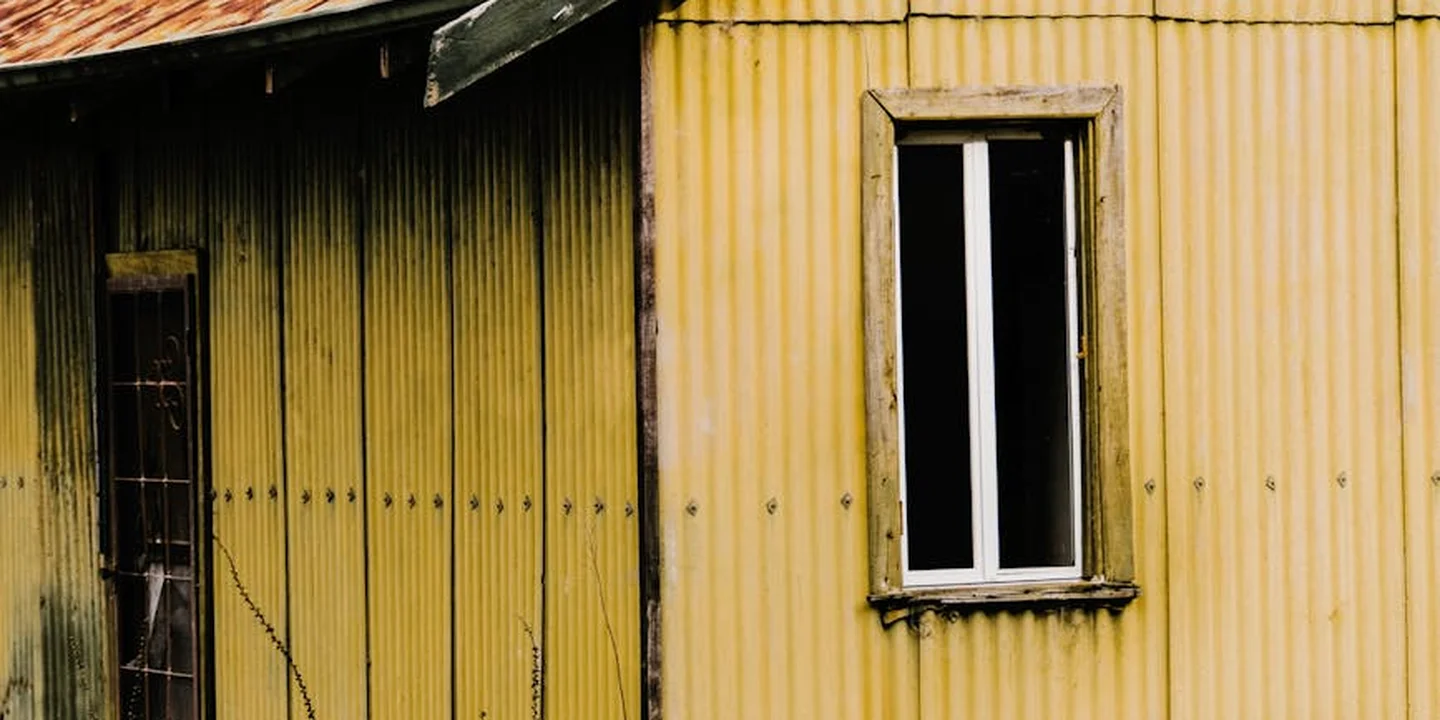
You’ve picked your metal. Now, how does it get on your house? The installation process is where a great roof is made or broken. It’s crucial to have professionals handle residential metal roof installation.
What is the installation process like for a metal roof? Think of it like a skilled craft, not a fast demolition job. A proper crew will protect your landscaping, set up safety gear, and work methodically. The old roof comes off first. Then, the real work begins on the bare deck. The crew installs layers of protection and precision-fits the metal panels. It’s a system, where every piece relies on the one before it. Different roof installation methods can change the sequence of steps and materials. Understanding these methods helps you compare options for your home.
Can a metal roof be installed over an existing roof? This is the big question. I’ll tell you what I tell every homeowner asking for my opinion: a full tear-off is almost always the right answer. There are pros and cons to installing a metal roof over shingles, including weight and the condition of the deck. Understanding these factors can help you weigh whether a tear-off is still the best move.
You need to see the wood deck. It’s the foundation of your entire roof. We’ve pulled off old shingles on what looked like a fine house only to find soft, rotted plywood underneath. You can’t fix or even see that with two layers of roofing on top. Starting with a solid, inspected deck is non-negotiable for a leak-free, long-lasting metal roof.
There are rare cases where an overlay might be considered. If your existing shingles are only one layer, lie perfectly flat, and the deck is confirmed sound, some installers will go over them. But it adds complication. You must install furring strips to create a vented air space, or you’ll cook your new panels from trapped heat. It also makes detailing around chimneys and walls much harder. In my experience, the short-term savings are rarely worth the long-term risk of hidden problems.
Step-by-Step: From Deck to Ridge Cap
Once the deck is bare and solid, the build-up starts. Missing a step here is like forgetting the foundation when building a wall.
- Underlayment: This is your secondary water barrier. We use a high-quality synthetic fabric, not just felt paper. It goes down over the entire deck, acting as a shield if any moisture gets behind the metal.
- Starter Strip: This is a critical first course at the eaves. It kicks the first metal panel up to the correct angle, ensuring water sheds off instantly instead of curling back up underneath.
- Panel Alignment: The first row sets the course for the whole roof. We snap chalk lines and measure twice. Crooked panels at the bottom mean a crooked roof at the top, and bad-looking seams.
- Fastener Placement: This is a signature of quality work. Every screw must hit the wood framing below, not just the decking. They must be driven straight, not over-tightened (which can warp the metal), and sealed with a factory-supplied washer. The pattern is precise and consistent.
- Flashing Details: The metal panels keep water off the field of the roof. The flashings keep water out of the holes. Valley metal, step flashing around sidewalls, and pipe boots are hand-fabricated or meticulously fitted. Nine out of ten leaks I’m called to fix trace back to a flashing detail, not the main panels.
This isn’t a job for a general handyman. Metal roofing has its own rules. Hiring a installer certified by the Metal Roofing Alliance or a major manufacturer is your best insurance policy. They know the specific requirements for the product you bought. They have the specialized tools and training to get the details right, the first time.
Homeowner’s Maintenance Routine: Extend Your Roof’s Life by a Decade
Homeowners often ask me, ‘What are the maintenance requirements for a metal roof?’ My answer is always the same. A metal roof is low-maintenance, not no-maintenance. A little care goes a very long way. The good news is the tasks are simple. The best part is they can prevent costly repairs.
Think of it like changing the oil in your truck. Skip it, and you’ll have a big problem later. Do it on schedule, and the engine runs for years. Your roof is the same. Follow a seasonal log. I advise my clients to do a quick check every spring and fall. This catches small issues before they get wet and turn into big ones.
Your safety is the most important tool in this routine. If your roof is low and single-story, you might feel comfortable using a sturdy ladder with a spotter. For anything steeper, higher, or two-stories, please call a professional. I have seen too many close calls. It is not worth the risk. A pro with a safety harness can do in an hour what might take you a dangerous afternoon.
Bi-Annual Gutter and Debris Check
Your gutters are your roof’s drainage system. When they clog, water has nowhere to go. It pools at the edge of your roof. In winter, this pooled water freezes, creating an ice dam that can force water back under your shingles or metal panels. Cleaning them twice a year stops this.
Here is how to do it safely. First, use a sturdy ladder on level ground with someone holding the base. Wear gloves. Scoop out the muck by hand or with a gutter scoop. Flush the downspouts with a garden hose to make sure they are clear all the way to the ground. For light debris like leaves and pine needles, I often use a leaf blower with a gutter attachment from the ground. It’s fast and keeps you off the ladder.
Also, look for piles of leaves or branches on the roof surface itself. These hold moisture against the metal. Use a soft-bristled broom or a leaf blower to gently remove them from the ground if you can reach.
Annual Visual Inspection from the Ground
Once a year, grab a pair of binoculars and walk around your house. You are looking for changes. Start at the roof edges. Do you see any metal panels looking wavy or lifting up? Look at the trim and flashing around chimneys, vents, and walls. Is the sealant (that rubbery, caulk-like material) cracked, peeling, or missing?
Pay close attention to the fastener heads, the little screws that hold the panels down. They should sit flat and snug. If you see any that look raised, or if you see a lot of them with a white, chalky residue around them, that’s a sign they need attention. Also, look for long, straight scratches in the paint. These can happen from fallen branches.
When should you call a pro? Call if you see more than a few loose fasteners, if a panel seam looks open, or if flashing is bent away from the wall. These are not DIY fixes. A roofing contractor has the right tools and knowledge to repair them without voiding your warranty or causing more damage.
Gentle Cleaning for Stains or Mildew
You might get some dark streaks or green mildew, especially on north-facing slopes. This is normal. Do not grab a pressure washer or a stiff brush. The high pressure can peel back panel seams and strip the protective paint coating. An abrasive brush will scratch the finish.
The right way is a soft wash. Mix a mild detergent (like a cup of dish soap) with water in a garden sprayer. Wet the area, apply the soapy solution, and let it sit for 10-15 minutes. Then, gently rinse it off with a garden hose on a low-pressure setting. Start from the top and work down. Always rinse from the peak downward to avoid forcing water up under the panel seams.
For stubborn stains, they make specific roof cleaners for painted metal. Follow the manufacturer’s instructions exactly. If the stain doesn’t budge, it might be a deeper issue with the coating. That’s another good time to call for a professional opinion.
Common Questions
What are the maintenance requirements for a metal roof?
It’s low-maintenance, not no-maintenance. Do a visual inspection from the ground each spring and fall, and keep your gutters clean to prevent water backup.
Can a metal roof be installed over an existing roof?
Technically yes, but I almost never recommend it. A full tear-off is best to inspect the deck for rot and ensure a proper, long-lasting installation without hidden problems.
What’s the single most important factor when choosing a metal roof?
Your local climate. It dictates the best material and style. For example, choose aluminum for salt air, thicker steel for hail, and ensure the profile is rated for your area’s wind and snow.
Securing Your Home with the Right Metal Roof
Your metal roof’s longevity depends on matching the material to your climate and ensuring a precise installation. I tell every homeowner I work with that this upfront decision is what separates a 20-year roof from a 50-year one, especially when considering roofing materials lifespan by location.
Make roof safety and simple, regular checks a non-negotiable part of your home care routine. Stay curious about roof care and maintenance for all roof types-it’s the best way to catch small issues before they demand big repairs.
Ray Huffington
Ray is an experienced roofer. He has worked as a general contractor in the roofing industry for over 15 years now. He has installed and repaired all kinds of roofs, from small houses to large mansion, and from basic shingles to cement and metal roofs and even solar roof panels. He has seen homeowners struggle with roofing questions and always has experience based proven advice to help those in need. If you need roof pros, Ray's your guide.